


Más información sobre el libro
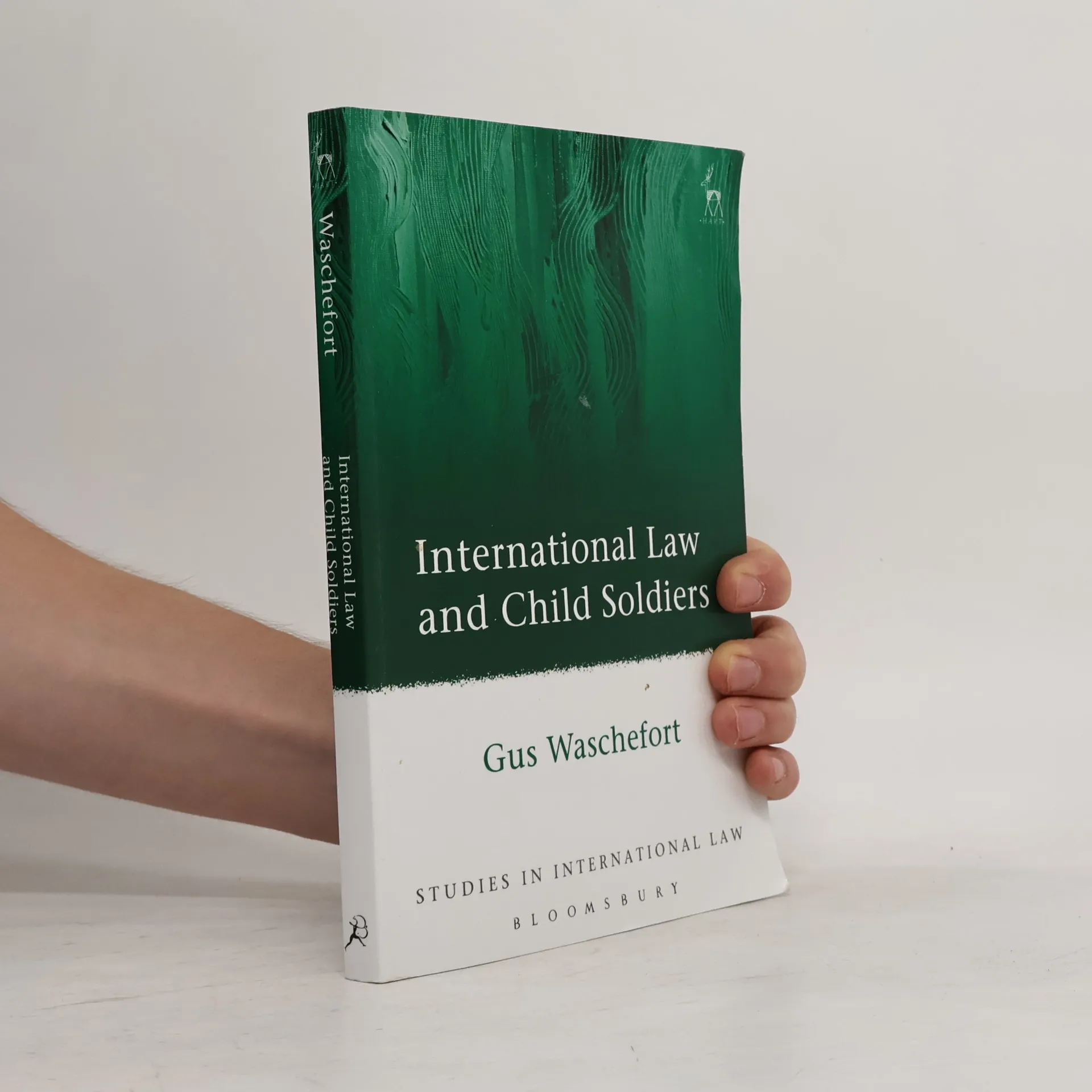
This book commences with an analysis of the current state of child soldiering internationally. Thereafter the proscriptive content of contemporary norms on the prohibition of the use and recruitment of child soldiers is evaluated, so as to determine whether these norms are capable of better enforcement. An 'issues-based' approach is adopted, in terms of which no specific regime of law, such as international humanitarian law (IHL), is deemed dominant. Instead, universal and regional human rights law, international criminal law and IHL are assessed cumulatively, so as to create a mutually reinforcing web of protection. Ultimately, it is argued that the effective implementation of child soldier prohibitive norms does not require major changes to any entity or functionary engaged in such prevention; rather, it requires the constant reassessment and refinement of all such entities and functionaries, and here, some changes are suggested. International judicial, quasi-judicial and non-judicial entities and functionaries most relevant to child soldier prevention are critically assessed. Ultimately the conclusions reached are assessed in light of a case study on the use and recruitment of child soldiers in the Democratic Republic of the Congo.
Compra de libros
Studies in International Law: International Law and Child Soldiers, Gus Waschefort
- Idioma

- Publicado en
- 2017
- Encuadernación
- (Tapa blanda),
- Estado del libro
- Bueno
- Precio
- 43,99 €
Métodos de pago
Nadie lo ha calificado todavía.
- Título
- Studies in International Law: International Law and Child Soldiers
- Idioma
- Inglés
- Autores
- Gus Waschefort
- Editorial
- Hart Publishing
- Publicado en
- 2017
- Formato
- Tapa blanda
- Páginas
- 264
- ISBN10
- 1509913831
- ISBN13
- 9781509913831
- Serie
- Categorías
- Etiquetas
- Temática jurídica, Niños y guerra
- Descripción
- This book commences with an analysis of the current state of child soldiering internationally. Thereafter the proscriptive content of contemporary norms on the prohibition of the use and recruitment of child soldiers is evaluated, so as to determine whether these norms are capable of better enforcement. An 'issues-based' approach is adopted, in terms of which no specific regime of law, such as international humanitarian law (IHL), is deemed dominant. Instead, universal and regional human rights law, international criminal law and IHL are assessed cumulatively, so as to create a mutually reinforcing web of protection. Ultimately, it is argued that the effective implementation of child soldier prohibitive norms does not require major changes to any entity or functionary engaged in such prevention; rather, it requires the constant reassessment and refinement of all such entities and functionaries, and here, some changes are suggested. International judicial, quasi-judicial and non-judicial entities and functionaries most relevant to child soldier prevention are critically assessed. Ultimately the conclusions reached are assessed in light of a case study on the use and recruitment of child soldiers in the Democratic Republic of the Congo.