

Parámetros
- 1096 páginas
- 39 horas de lectura
Más información sobre el libro
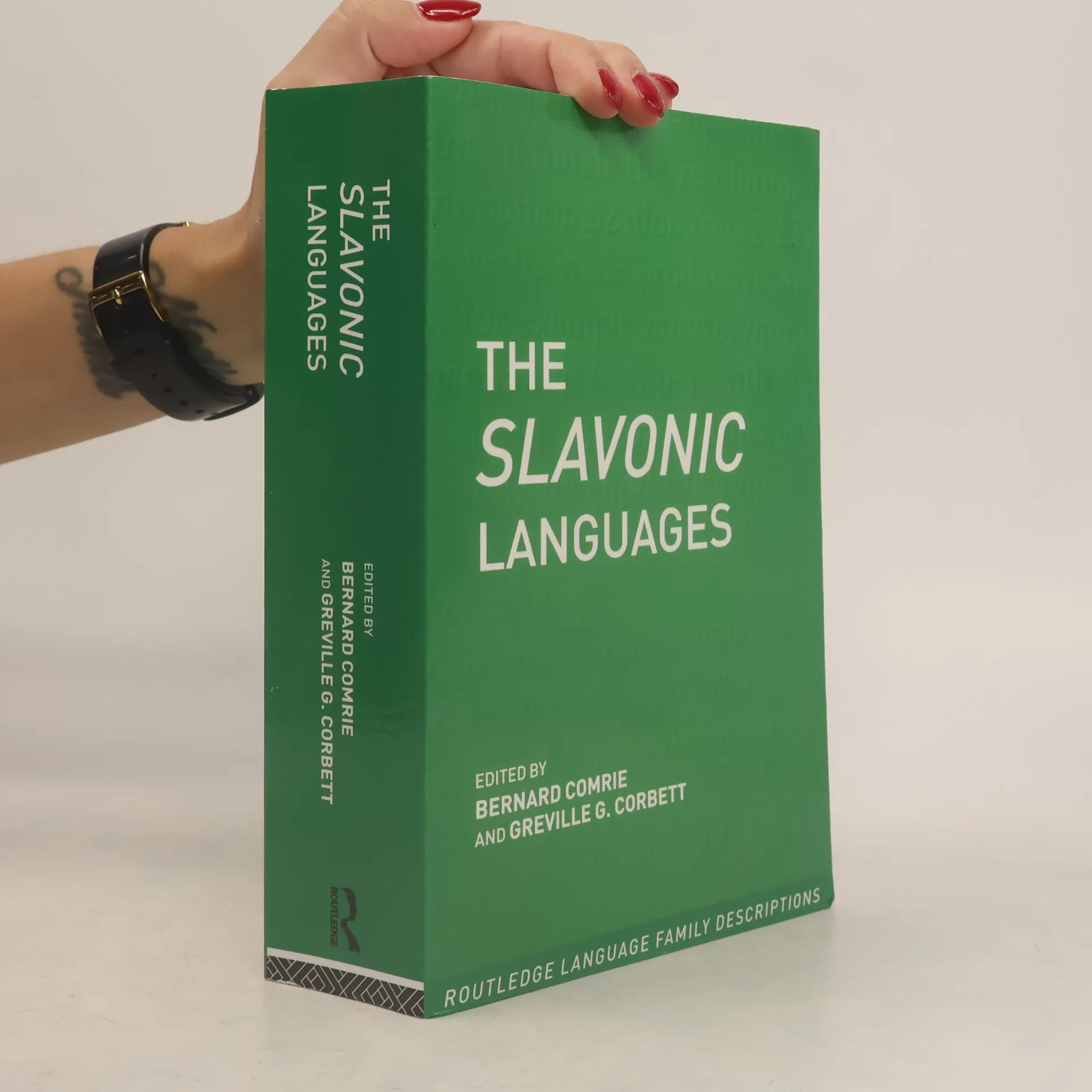
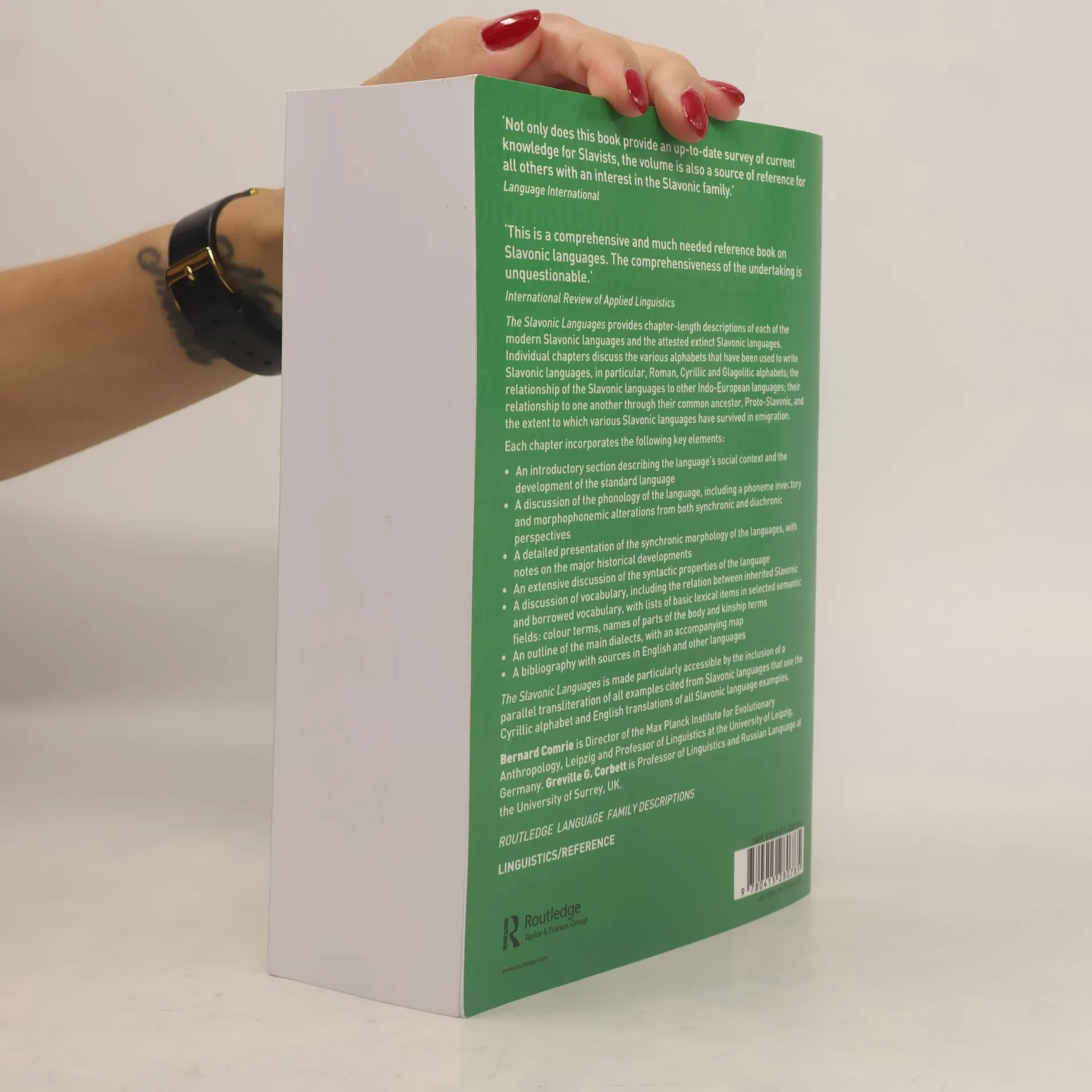
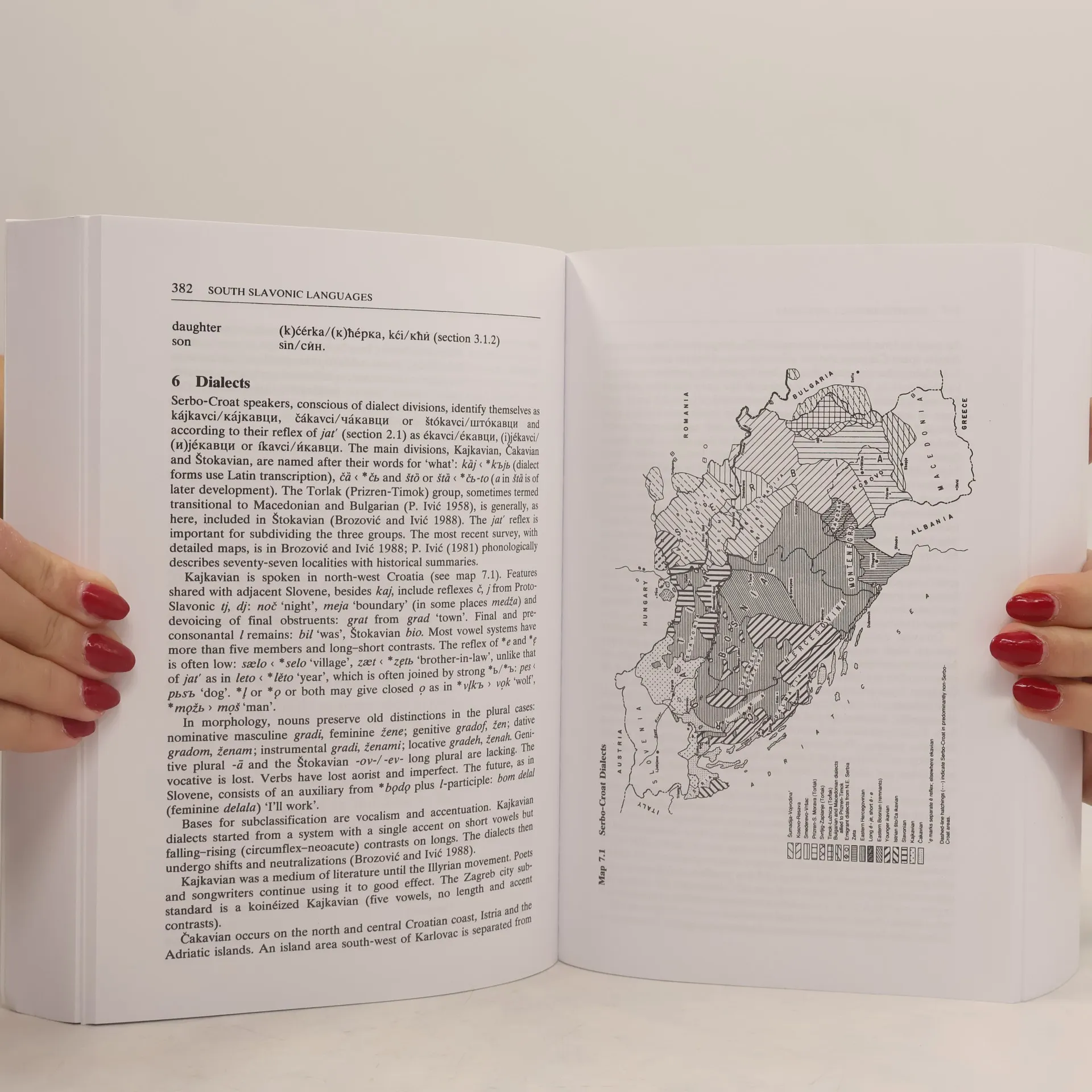
In this scholarly volume, each of the living Slavonic languages are analysed and described in depth, together with the two extinct languages - Old Church Slavonic and Polabian. In addition, the various alphabets of the Slavonic languages - particularly Roman, Cyrillic and Glagolitic - are discussed, and the relationships of the Slavonic languages to other Indo-European languages and to one another, are explored. The last chapter provides an account of those Slavonic languages in exile , for example, Russian, Ukrainian, Polish, Czech and Slovak in the USA.Each language-chapter is written by an expert in the field, in a format designed for comparative study. Information on each language an introductory description of social context and development (where appropriate); a discussion of phonology; a detailed presentation of synchronic morphology, noting major historical developments; comprehensive treatment of syntactic properties; a discussion of vocabulary; an outline of main dialects; and an extensive bibliography, listing English and other sources.
Compra de libros
Routledge Language Family Descriptions: The Slavonic Languages, Bernard Comrie, Greville G. Corbett
- Idioma

- Publicado en
- 2002
- Encuadernación
- (Tapa blanda)
Métodos de pago
Nadie lo ha calificado todavía.
- Título
- Routledge Language Family Descriptions: The Slavonic Languages
- Idioma
- Inglés
- Autores
- Bernard Comrie, Greville G. Corbett
- Editorial
- Routledge
- Publicado en
- 2002
- Formato
- Tapa blanda
- Páginas
- 1096
- ISBN10
- 0415280788
- ISBN13
- 9780415280785
- Serie
- Etiquetas
- Guías y Manuales, Enciclopedia, Libros de idiomas, Literatura especializada, Rusia, Lingüística, Periodismo y Publicidad, Ciencias humanas, Sociolingüística, Sintaxis, Estructura, Orden de las Palabras, Fonología, Ortografía, Lenguas eslavas, Eclesiástico eslavo
- Descripción
- In this scholarly volume, each of the living Slavonic languages are analysed and described in depth, together with the two extinct languages - Old Church Slavonic and Polabian. In addition, the various alphabets of the Slavonic languages - particularly Roman, Cyrillic and Glagolitic - are discussed, and the relationships of the Slavonic languages to other Indo-European languages and to one another, are explored. The last chapter provides an account of those Slavonic languages in exile , for example, Russian, Ukrainian, Polish, Czech and Slovak in the USA.Each language-chapter is written by an expert in the field, in a format designed for comparative study. Information on each language an introductory description of social context and development (where appropriate); a discussion of phonology; a detailed presentation of synchronic morphology, noting major historical developments; comprehensive treatment of syntactic properties; a discussion of vocabulary; an outline of main dialects; and an extensive bibliography, listing English and other sources.