


Más información sobre el libro
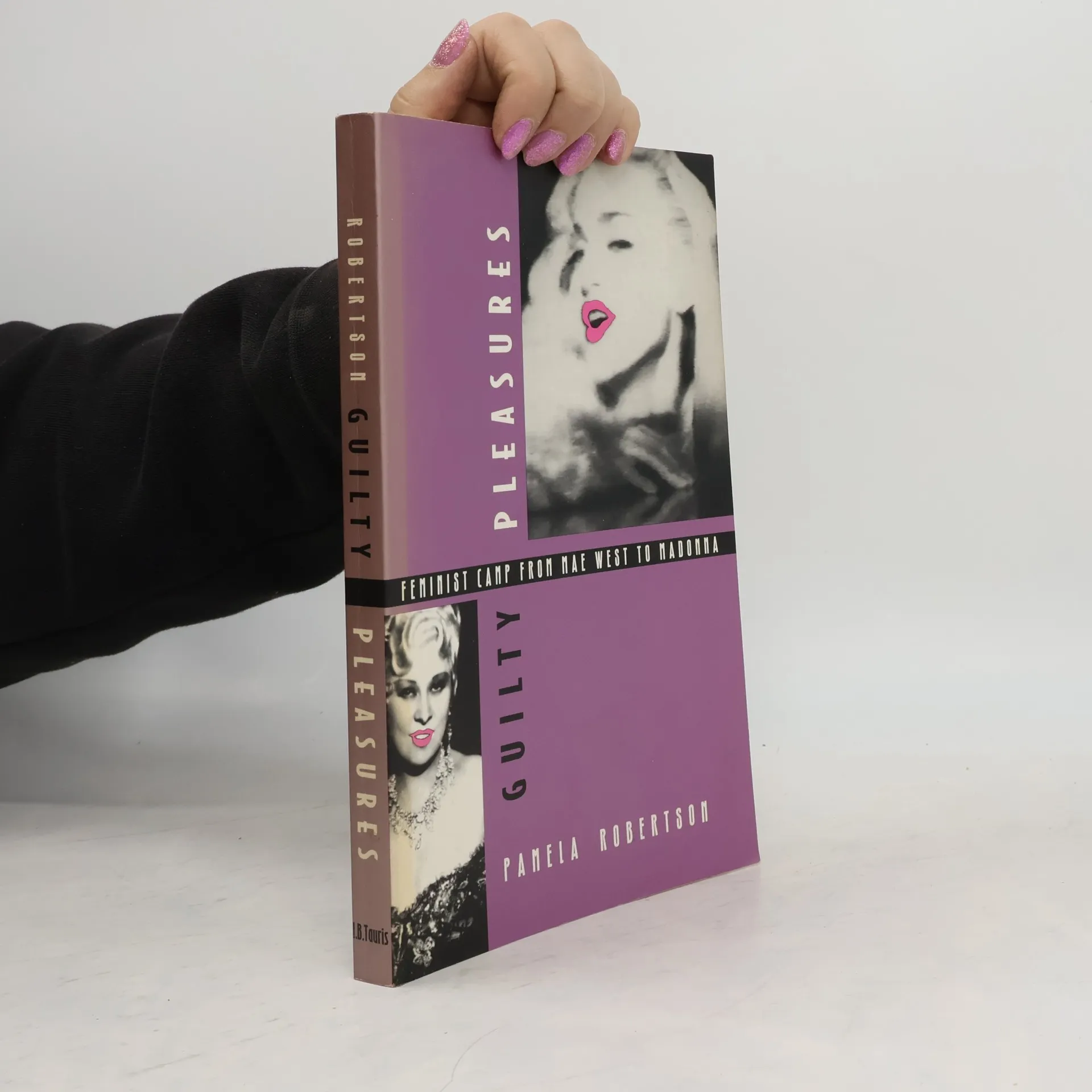
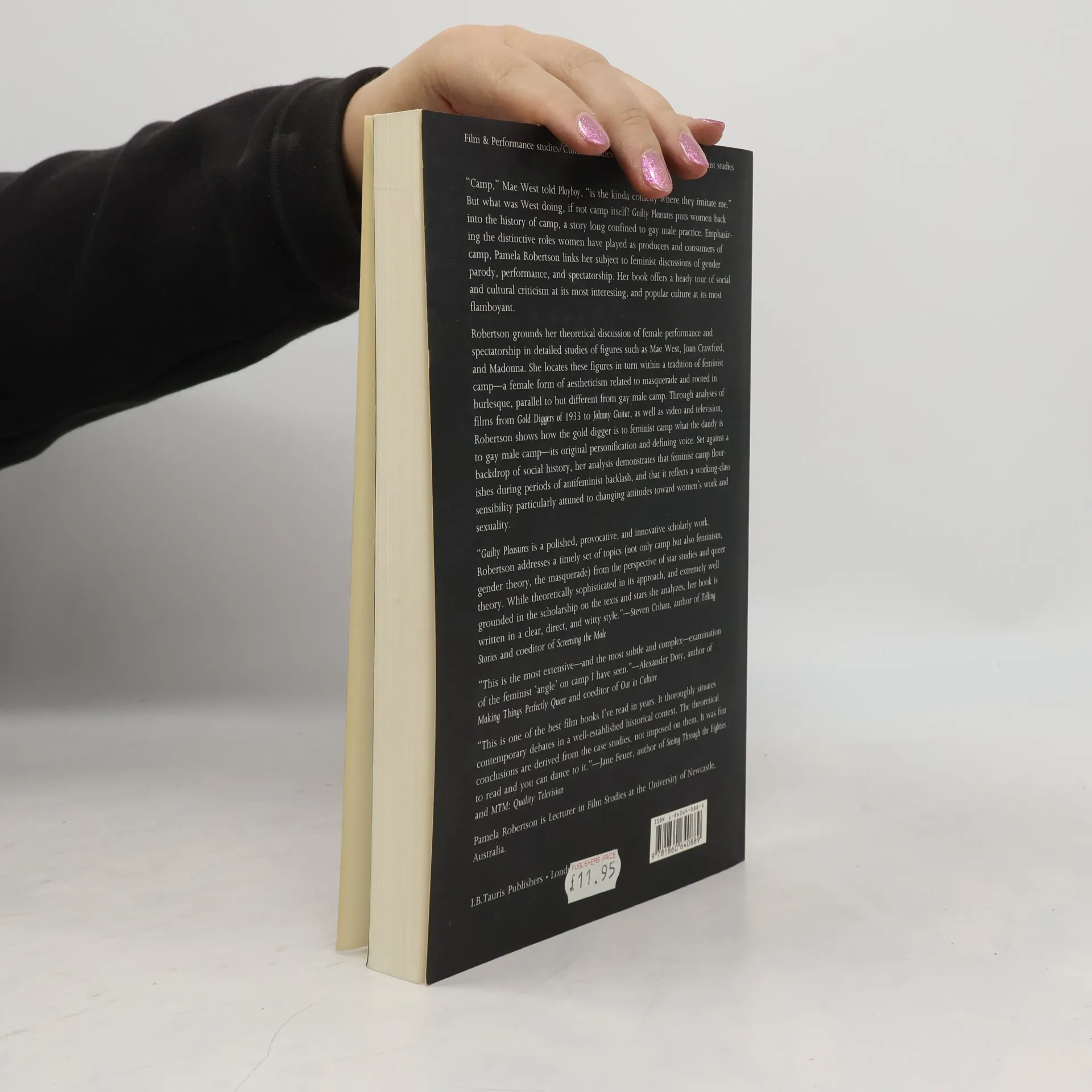
“Camp,” Mae West remarked, “is the kinda comedy where they imitate me.” Yet, West herself embodies camp. This book reintroduces women into the narrative of camp, traditionally viewed through a male lens. Pamela Robertson emphasizes women's unique roles as both producers and consumers of camp, linking it to feminist discussions on gender parody, performance, and spectatorship. The work offers a vibrant exploration of social and cultural criticism, showcasing American culture's flamboyance. Robertson's theoretical insights on female performance are anchored in detailed studies of icons like Mae West, Joan Crawford, and Madonna. She situates these figures within a feminist camp tradition—a distinct aesthetic linked to masquerade and burlesque, contrasting with gay male camp. Through analyses of films from "Gold Diggers of 1933" to "Johnny Guitar," she illustrates how the gold digger symbolizes feminist camp similarly to how the dandy represents gay male camp. Set against a rich social history, her analysis reveals that feminist camp thrives during antifeminist backlashes in America, reflecting a working-class sensibility sensitive to evolving views on women's work and sexuality. This work appeals to scholars across film, cultural studies, and feminism, as well as general readers intrigued by camp and popular culture.
Compra de libros
Guilty Pleasures, Pamela Robertson
- Idioma

- Publicado en
- 1996
- Encuadernación
- (Tapa blanda),
- Estado del libro
- Bueno
- Precio
- 12,99 €
Métodos de pago
Nadie lo ha calificado todavía.
- Título
- Guilty Pleasures
- Subtítulo
- Feminist Camp from Mae West to Madonna
- Idioma
- Inglés
- Autores
- Pamela Robertson
- Editorial
- I.B.Tauris & Co. Ltd.
- Publicado en
- 1996
- Formato
- Tapa blanda
- Páginas
- 216
- ISBN10
- 1860640885
- ISBN13
- 9781860640889
- Serie
- Categorías
- Etiquetas
- Feminismo
- Descripción
- “Camp,” Mae West remarked, “is the kinda comedy where they imitate me.” Yet, West herself embodies camp. This book reintroduces women into the narrative of camp, traditionally viewed through a male lens. Pamela Robertson emphasizes women's unique roles as both producers and consumers of camp, linking it to feminist discussions on gender parody, performance, and spectatorship. The work offers a vibrant exploration of social and cultural criticism, showcasing American culture's flamboyance. Robertson's theoretical insights on female performance are anchored in detailed studies of icons like Mae West, Joan Crawford, and Madonna. She situates these figures within a feminist camp tradition—a distinct aesthetic linked to masquerade and burlesque, contrasting with gay male camp. Through analyses of films from "Gold Diggers of 1933" to "Johnny Guitar," she illustrates how the gold digger symbolizes feminist camp similarly to how the dandy represents gay male camp. Set against a rich social history, her analysis reveals that feminist camp thrives during antifeminist backlashes in America, reflecting a working-class sensibility sensitive to evolving views on women's work and sexuality. This work appeals to scholars across film, cultural studies, and feminism, as well as general readers intrigued by camp and popular culture.