




Parámetros
- 426 páginas
- 15 horas de lectura
Más información sobre el libro
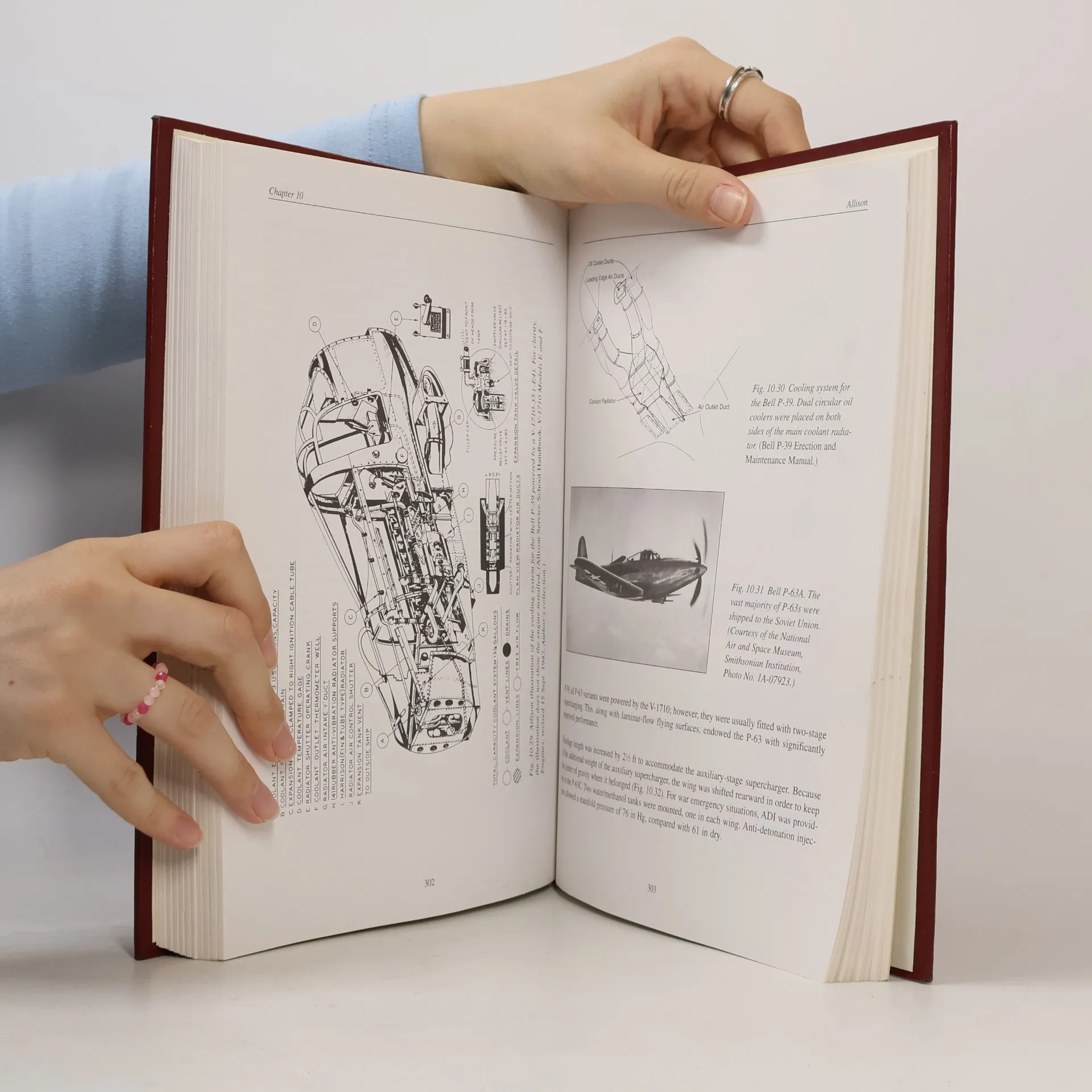
While it took the demands of two World Wars to bring aviation into acceptance by the general public, it was a relative handful of engineers, entrepreneurs, and pilots who positioned the technology and resources necessary to make aviation one of the deciding factors in ending World War II. This book attempts to illuminate some of the historically significant technical developments that were incorporated into World War II aircraft engines that directly contributed to the execution and tactics of the war. Although numerous books have been published on all of the more common World War II aircraft and several books have been published on engines, rarely have the two been brought together. Allied Aircraft Piston Engines of World War II offers an interesting look at the technology that was so important to eventual Allied victory. The book is organized into separate sections on British and U.S. aircraft piston engines. Aircraft engines detailed in the book Rolls-Royce - Merlin, Griffon, Peregrine, Vulture; Bristol - Poppet Valve Engines, Mercury, Pegasus,Sleeve Valve Engines, Hercules, Taurus, Centaurus; Napier - Rapier, Dagger, Sabre; General Electric Turbosuperchargers; Pratt and Whitney - R-1340 Wasp, R-985 Wasp Jr., R-1535 Twin Wasp Jr., R-1830 Twin Wasp,R-2000, R-2800 Double Wasp, R-4360 Wasp Major; Allison - V-1710, V-3420; and Wright Aeronautical Corporation - R-1820 Cyclone, R-2600 Cyclone 14, R-3350 Cyclone 18, R-4090. This book also includes chapters Aircraft Engine Requirements (fuels, charge heating, radiator development, lubrication, and more); and Hyper Activity and Other Near Misses. An enjoyable, informative book for aeronautical engineers, aircraft enthusiasts, WWII veterans and buffs, and historians.
Compra de libros
Allied Aircraft Piston Engines of World War II, Graham White
- Idioma

- Publicado en
- 1995
- Encuadernación
- (Tapa blanda),
- Estado del libro
- Dañado
- Precio
- 40,70 €
Métodos de pago
Nadie lo ha calificado todavía.
- Título
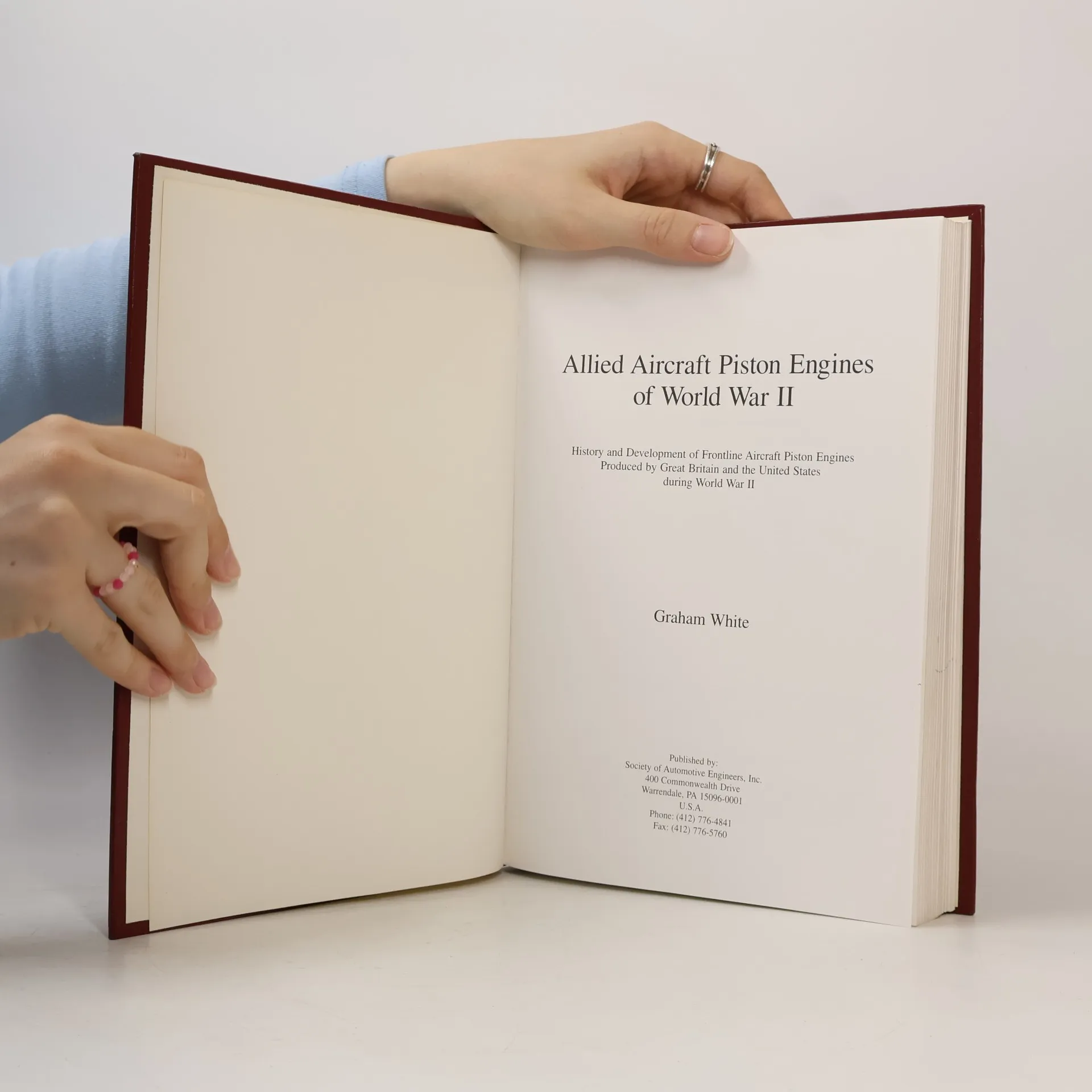
- Allied Aircraft Piston Engines of World War II
- Subtítulo
- History and Development of Frontline Aircraft Piston Engines Produced by Great Britain and the United States During World War II
- Idioma
- Inglés
- Autores
- Graham White
- Editorial
- Society of Automotive Engineers
- Publicado en
- 1995
- Formato
- Tapa blanda
- Páginas
- 426
- ISBN10
- 1560916559
- ISBN13
- 9781560916550
- Serie
- Etiquetas
- Tema histórico, EE.UU., Segunda Guerra Mundial, Tecnología, Gran Bretaña, Aviones militares
- Descripción
- While it took the demands of two World Wars to bring aviation into acceptance by the general public, it was a relative handful of engineers, entrepreneurs, and pilots who positioned the technology and resources necessary to make aviation one of the deciding factors in ending World War II. This book attempts to illuminate some of the historically significant technical developments that were incorporated into World War II aircraft engines that directly contributed to the execution and tactics of the war. Although numerous books have been published on all of the more common World War II aircraft and several books have been published on engines, rarely have the two been brought together. Allied Aircraft Piston Engines of World War II offers an interesting look at the technology that was so important to eventual Allied victory. The book is organized into separate sections on British and U.S. aircraft piston engines. Aircraft engines detailed in the book Rolls-Royce - Merlin, Griffon, Peregrine, Vulture; Bristol - Poppet Valve Engines, Mercury, Pegasus,Sleeve Valve Engines, Hercules, Taurus, Centaurus; Napier - Rapier, Dagger, Sabre; General Electric Turbosuperchargers; Pratt and Whitney - R-1340 Wasp, R-985 Wasp Jr., R-1535 Twin Wasp Jr., R-1830 Twin Wasp,R-2000, R-2800 Double Wasp, R-4360 Wasp Major; Allison - V-1710, V-3420; and Wright Aeronautical Corporation - R-1820 Cyclone, R-2600 Cyclone 14, R-3350 Cyclone 18, R-4090. This book also includes chapters Aircraft Engine Requirements (fuels, charge heating, radiator development, lubrication, and more); and Hyper Activity and Other Near Misses. An enjoyable, informative book for aeronautical engineers, aircraft enthusiasts, WWII veterans and buffs, and historians.