




Parámetros
- 293 páginas
- 11 horas de lectura
Más información sobre el libro
Symbiosis, as defined by Kisho Kurokawa, one of Japan's leading architects, is a new way of interpreting today's culture. A philosophy which takes its name from ecological and biological concepts, it puts forward ideals developed from traditional Japanese philosophy and culture, while continually acknowledging the presence of the multivalent, contemporary world. It is a philosophy of "both-and" rather than "either-or", a practice of mix-and-match rather than creation from scratch, an ethic of inclusion rather than exclusion. As such, it is thought to be one of the most essential statements of post-modern culture to date. Kurokawa feels that we will recognize each other's differing personalities while competing and will co-operate while we oppose and criticize each other.
Compra de libros
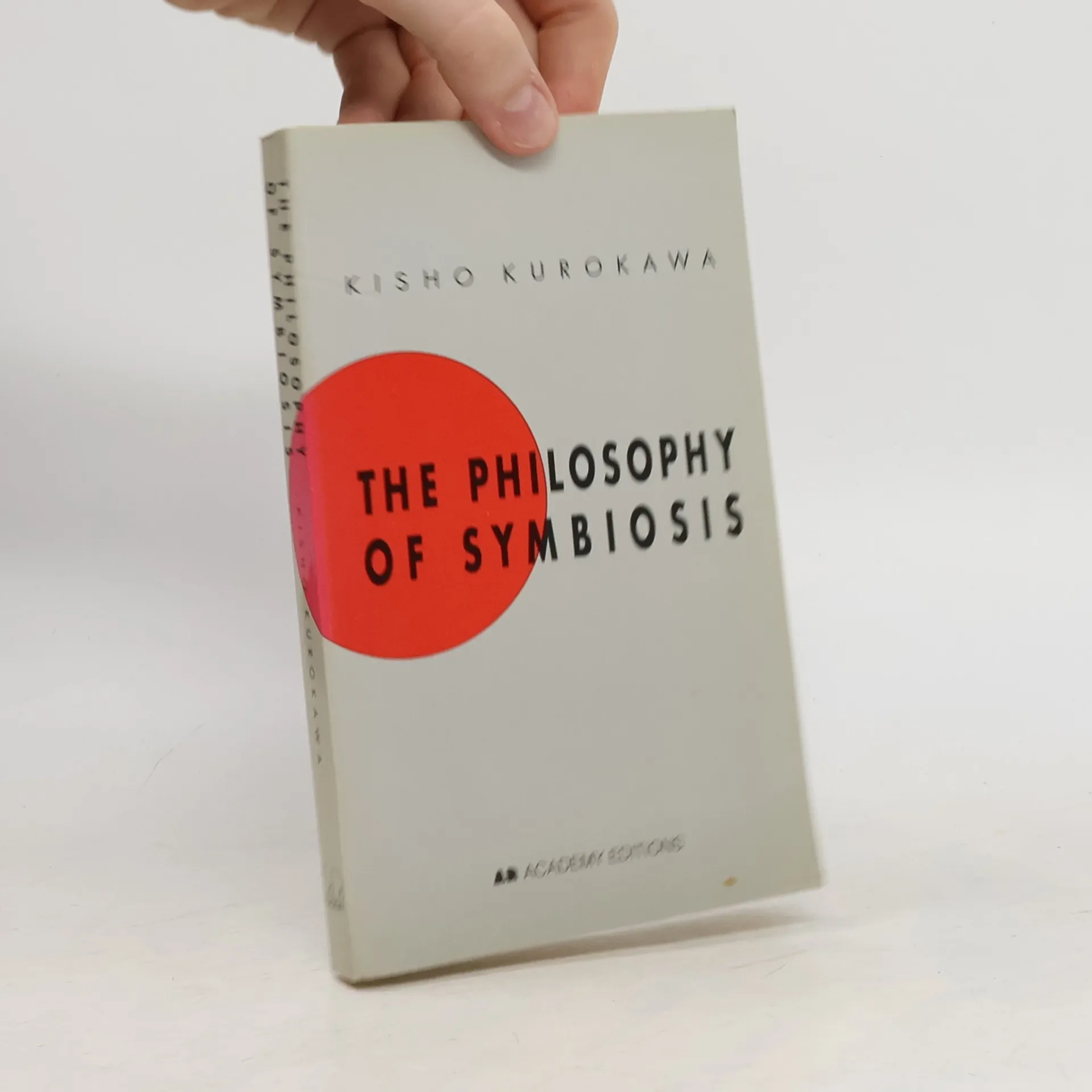
The Philosophy of Symbiosis, Kisho Kurokawa
- Idioma

- Publicado en
- 1994
- Encuadernación
- (Tapa blanda),
- Estado del libro
- Bueno
- Precio
- 189,99 €
Métodos de pago
Nadie lo ha calificado todavía.
- Título
- The Philosophy of Symbiosis
- Idioma
- Inglés
- Autores
- Kisho Kurokawa
- Editorial
- Academy Pr
- Publicado en
- 1994
- Formato
- Tapa blanda
- Páginas
- 293
- ISBN10
- 1854903047
- ISBN13
- 9781854903044
- Serie
- Etiquetas
- Tema histórico, Arquitectura, Cultura y Sociedad, Crítica, Lejano Oriente, Teoría de la Arquitectura
- Descripción
- Symbiosis, as defined by Kisho Kurokawa, one of Japan's leading architects, is a new way of interpreting today's culture. A philosophy which takes its name from ecological and biological concepts, it puts forward ideals developed from traditional Japanese philosophy and culture, while continually acknowledging the presence of the multivalent, contemporary world. It is a philosophy of "both-and" rather than "either-or", a practice of mix-and-match rather than creation from scratch, an ethic of inclusion rather than exclusion. As such, it is thought to be one of the most essential statements of post-modern culture to date. Kurokawa feels that we will recognize each other's differing personalities while competing and will co-operate while we oppose and criticize each other.