



Parámetros
- 248 páginas
- 9 horas de lectura
Más información sobre el libro
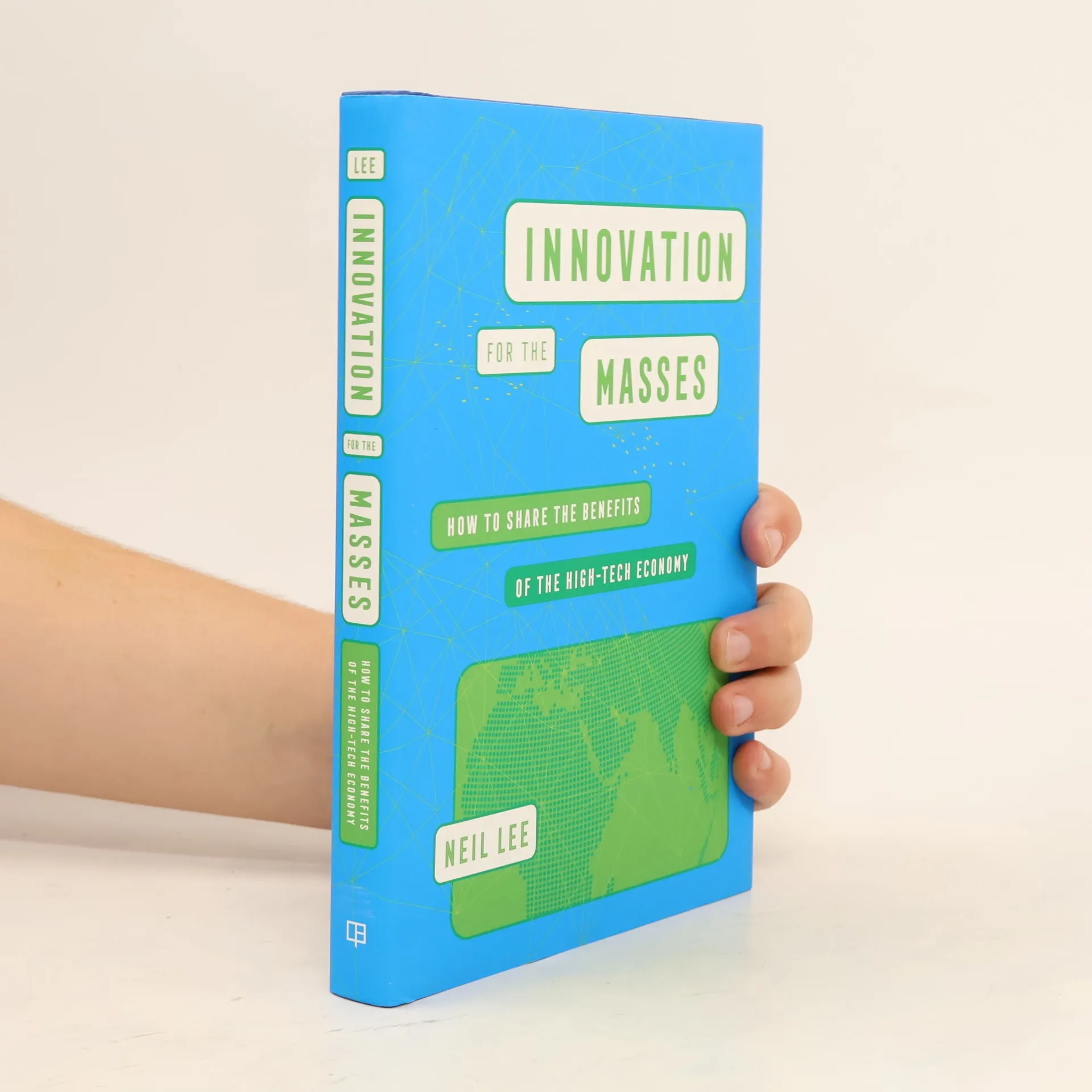
An engaging, solutions-oriented look at how cities and nations can better navigate issues of innovation and inequality. From San Francisco to Shanghai, many of the world's most innovative places are highly unequal, with the benefits going to a small few. Rather than simply asking how we can create more high-tech cities and nations, Innovation for the Masses focuses on places that manage to foster innovation while also delivering the benefits more widely and equally. In this book, economist Neil Lee draws on case studies of Taiwan, Sweden, Austria, and Switzerland to set out how innovation can be successfully balanced toward equity. As high-tech economies around the world suffer from polarized labor markets and political realities that lock in these problems, this book looks beyond the United States to other models of distributing a leading-edge economy. Lee emphasizes the active role of the state in creating frameworks to ensure that benefits are broadly shared, and he reveals that strong policies for innovation and shared prosperity are mutually reinforcing. Ultimately, Innovation for the Masses provides a vital window into alternative models that prioritize equity, the roadblocks these models present, and what other countries can learn from them going forward.
Compra de libros
Innovation for the Masses, Neil Lee
- Idioma

- Publicado en
- 2024
- Encuadernación
- (Tapa dura),
- Estado del libro
- Muy Bueno
- Precio
- 14,99 €
Métodos de pago
Nadie lo ha calificado todavía.
- Título
- Innovation for the Masses
- Idioma
- Inglés
- Autores
- Neil Lee
- Editorial
- University of California Press
- Publicado en
- 2024
- Formato
- Tapa dura
- Páginas
- 248
- ISBN10
- 0520394887
- ISBN13
- 9780520394889
- Serie
- Categorías
- Etiquetas
- Comercio, Libros de texto universitarios, Tecnología, Europa, Sostenibilidad, Desarrollo, Derecho Civil, Historia Económica, Desigualdad
- Descripción
- An engaging, solutions-oriented look at how cities and nations can better navigate issues of innovation and inequality. From San Francisco to Shanghai, many of the world's most innovative places are highly unequal, with the benefits going to a small few. Rather than simply asking how we can create more high-tech cities and nations, Innovation for the Masses focuses on places that manage to foster innovation while also delivering the benefits more widely and equally. In this book, economist Neil Lee draws on case studies of Taiwan, Sweden, Austria, and Switzerland to set out how innovation can be successfully balanced toward equity. As high-tech economies around the world suffer from polarized labor markets and political realities that lock in these problems, this book looks beyond the United States to other models of distributing a leading-edge economy. Lee emphasizes the active role of the state in creating frameworks to ensure that benefits are broadly shared, and he reveals that strong policies for innovation and shared prosperity are mutually reinforcing. Ultimately, Innovation for the Masses provides a vital window into alternative models that prioritize equity, the roadblocks these models present, and what other countries can learn from them going forward.