

Más información sobre el libro
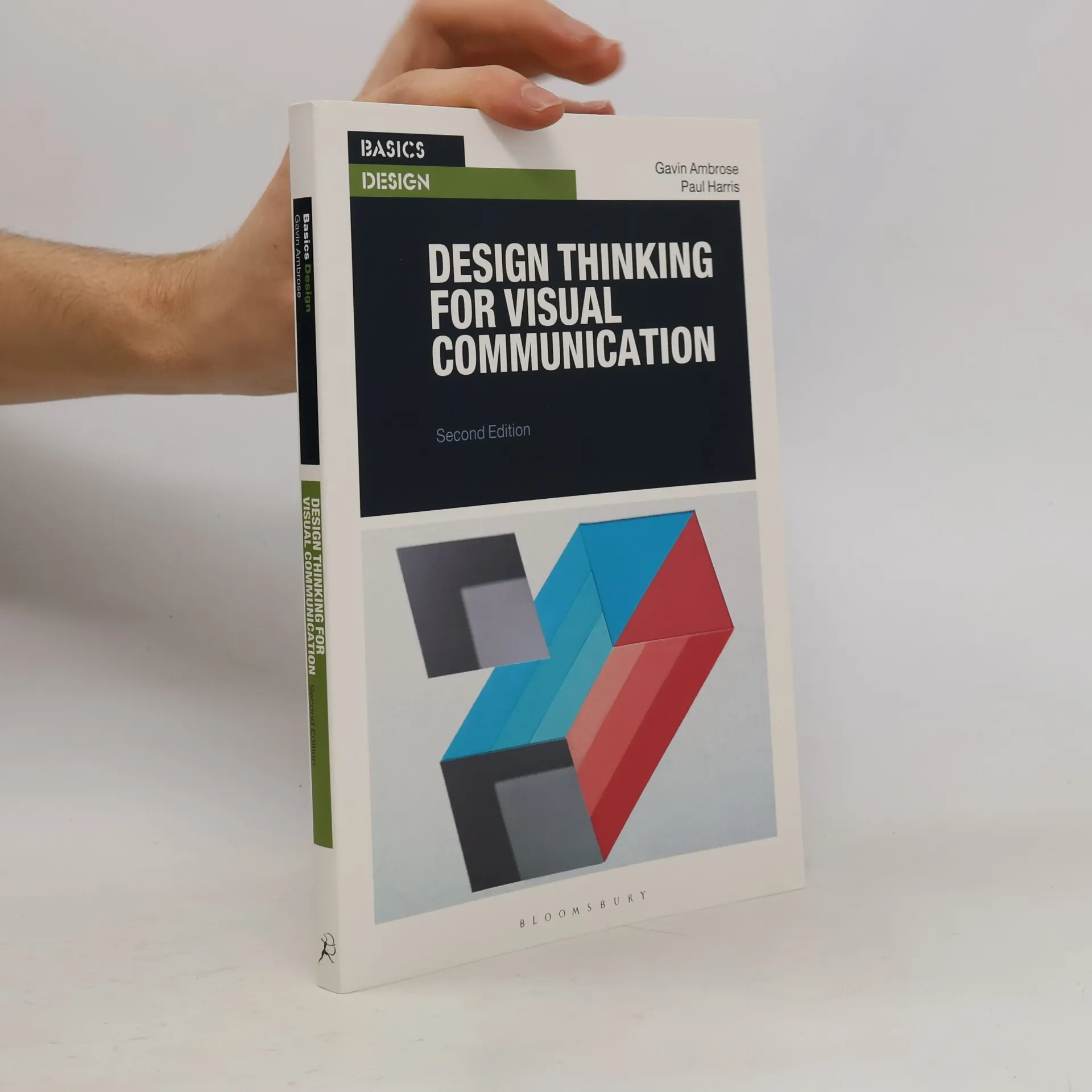
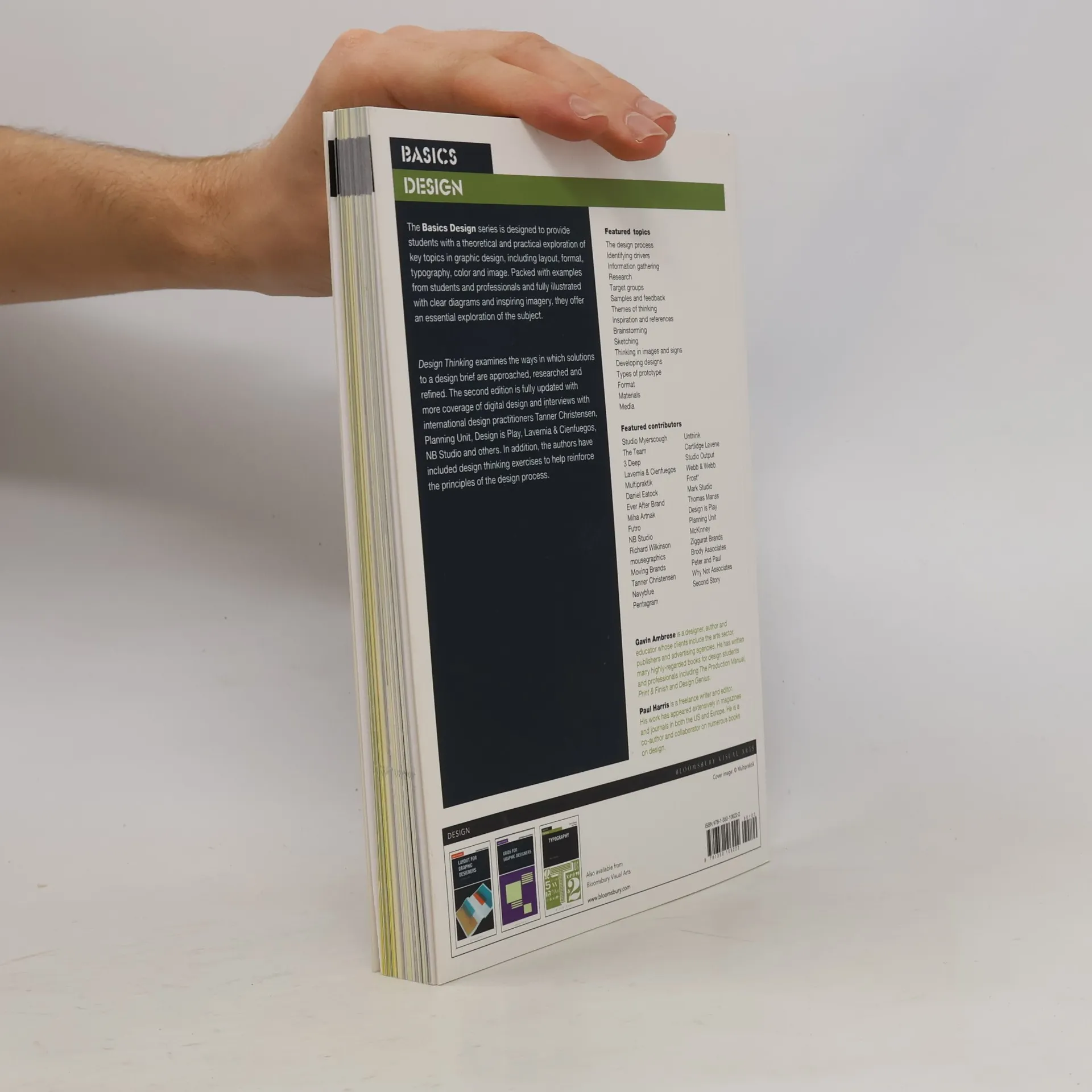
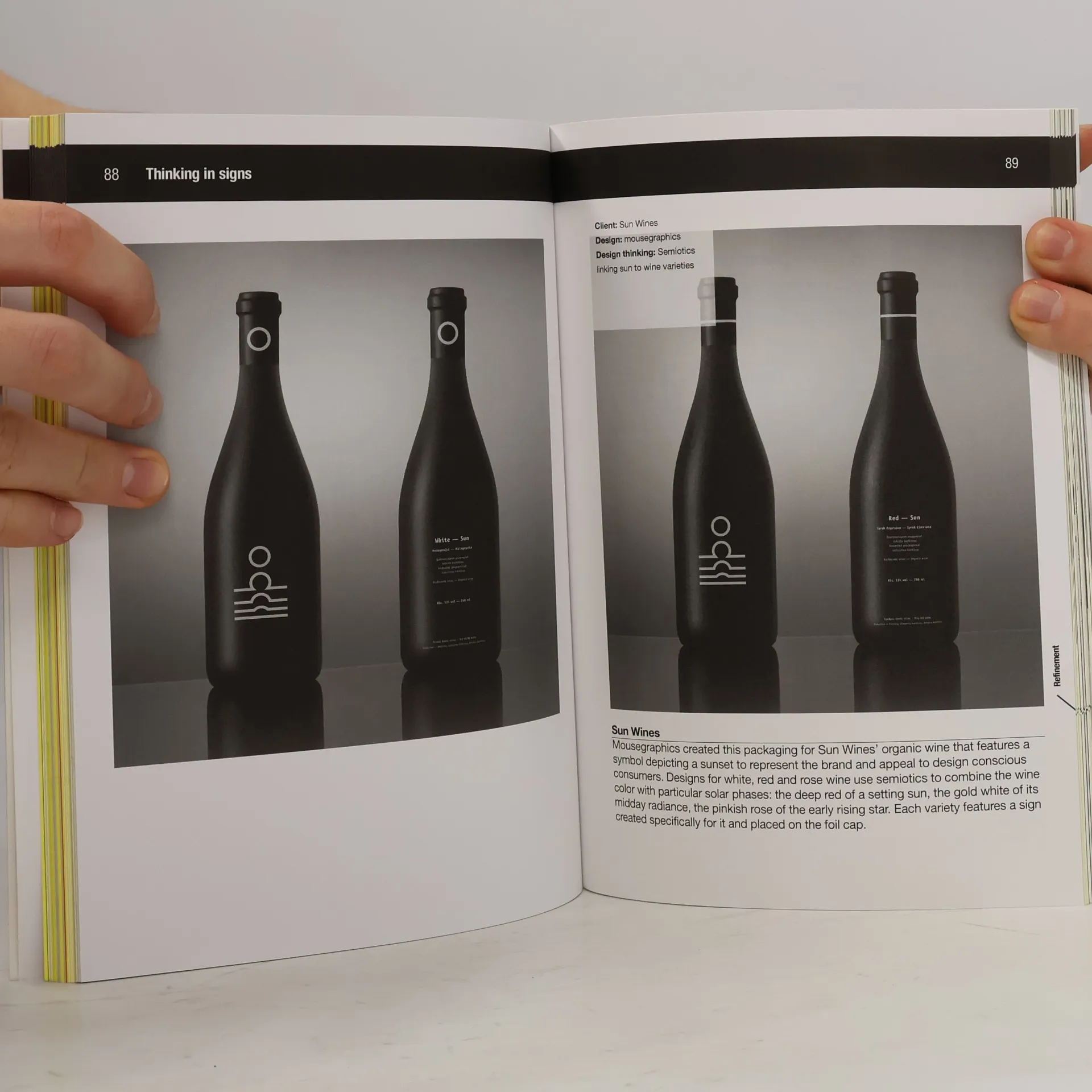
How do you start a design project? How can you generate ideas and concepts in response to a design brief? How do other designers do it? This book will answer all these questions and more. Now in its second edition, the highly popular Design Thinking for Visual Communication identifies methods and thought processes used by designers in order to start the process that eventually leads to a finished piece of work. Step-by-step guidance for each part of the process is highlighted by real-life case studies, enabling the student to see teaching in practice. This focus on ideas and methods eschews an abstract, academic approach in favour of a useable approach to design as a problem-solving activity. The new edition now includes contributions from a broader international range of design practices and adds depth to existing case studies by looking in greater detail at some of the processes used.
Compra de libros
Basics Design: Design Thinking for Visual Communication, Gavin Ambrose, Paul Harris
- Idioma

- Publicado en
- 2019
- Encuadernación
- (Tapa blanda),
- Estado del libro
- Muy Bueno
- Precio
- 14,49 €
Métodos de pago
Nadie lo ha calificado todavía.
- Título
- Basics Design: Design Thinking for Visual Communication
- Subtítulo
- Second Edition
- Idioma
- Inglés
- Autores
- Gavin Ambrose, Paul Harris
- Editorial
- Bloomsbury Publishing PLC
- Publicado en
- 2019
- Formato
- Tapa blanda
- Páginas
- 184
- ISBN10
- 1350106224
- ISBN13
- 9781350106222
- Serie
- Categorías
- Etiquetas
- Arte, Diseño gráfico
- Descripción
- How do you start a design project? How can you generate ideas and concepts in response to a design brief? How do other designers do it? This book will answer all these questions and more. Now in its second edition, the highly popular Design Thinking for Visual Communication identifies methods and thought processes used by designers in order to start the process that eventually leads to a finished piece of work. Step-by-step guidance for each part of the process is highlighted by real-life case studies, enabling the student to see teaching in practice. This focus on ideas and methods eschews an abstract, academic approach in favour of a useable approach to design as a problem-solving activity. The new edition now includes contributions from a broader international range of design practices and adds depth to existing case studies by looking in greater detail at some of the processes used.