

Más información sobre el libro
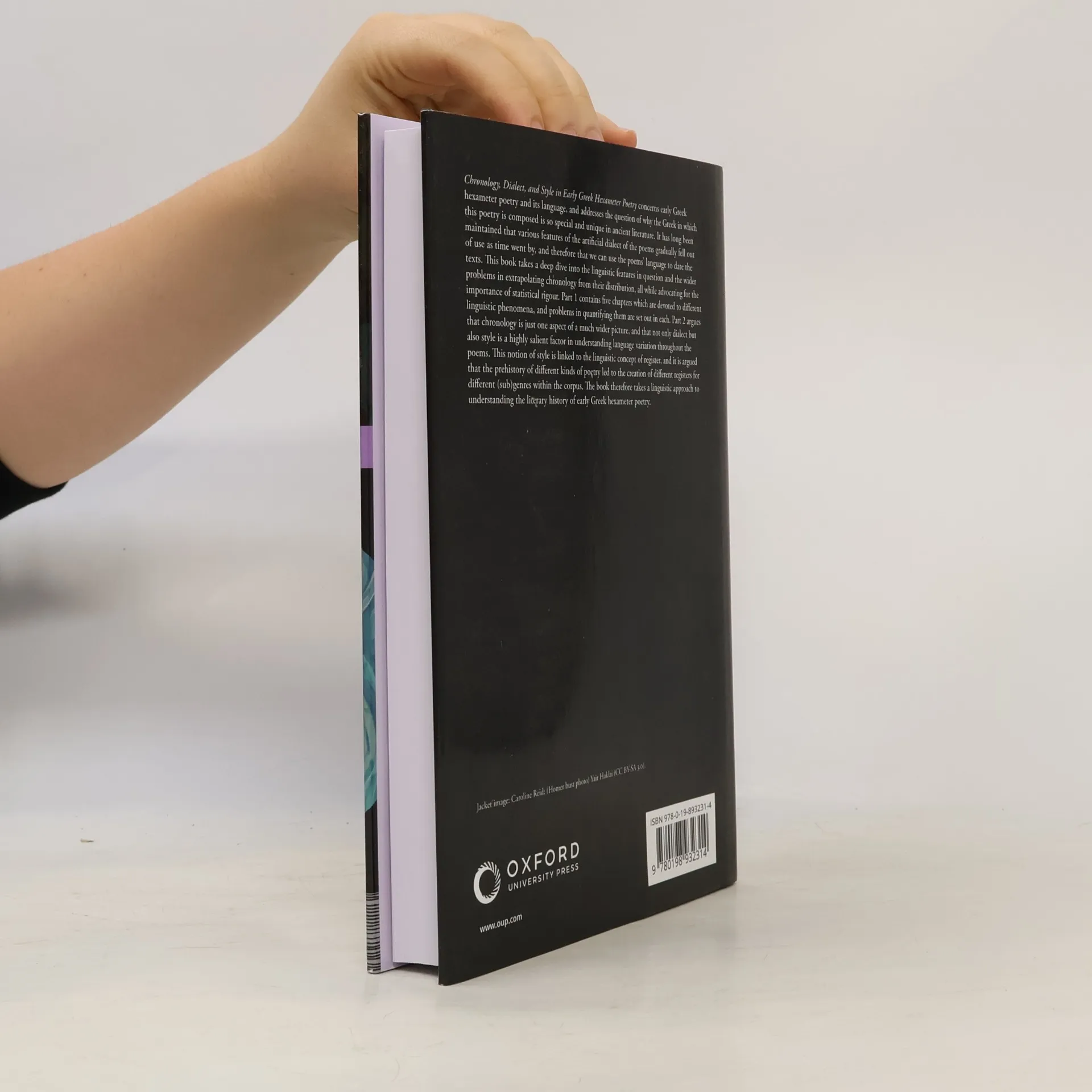
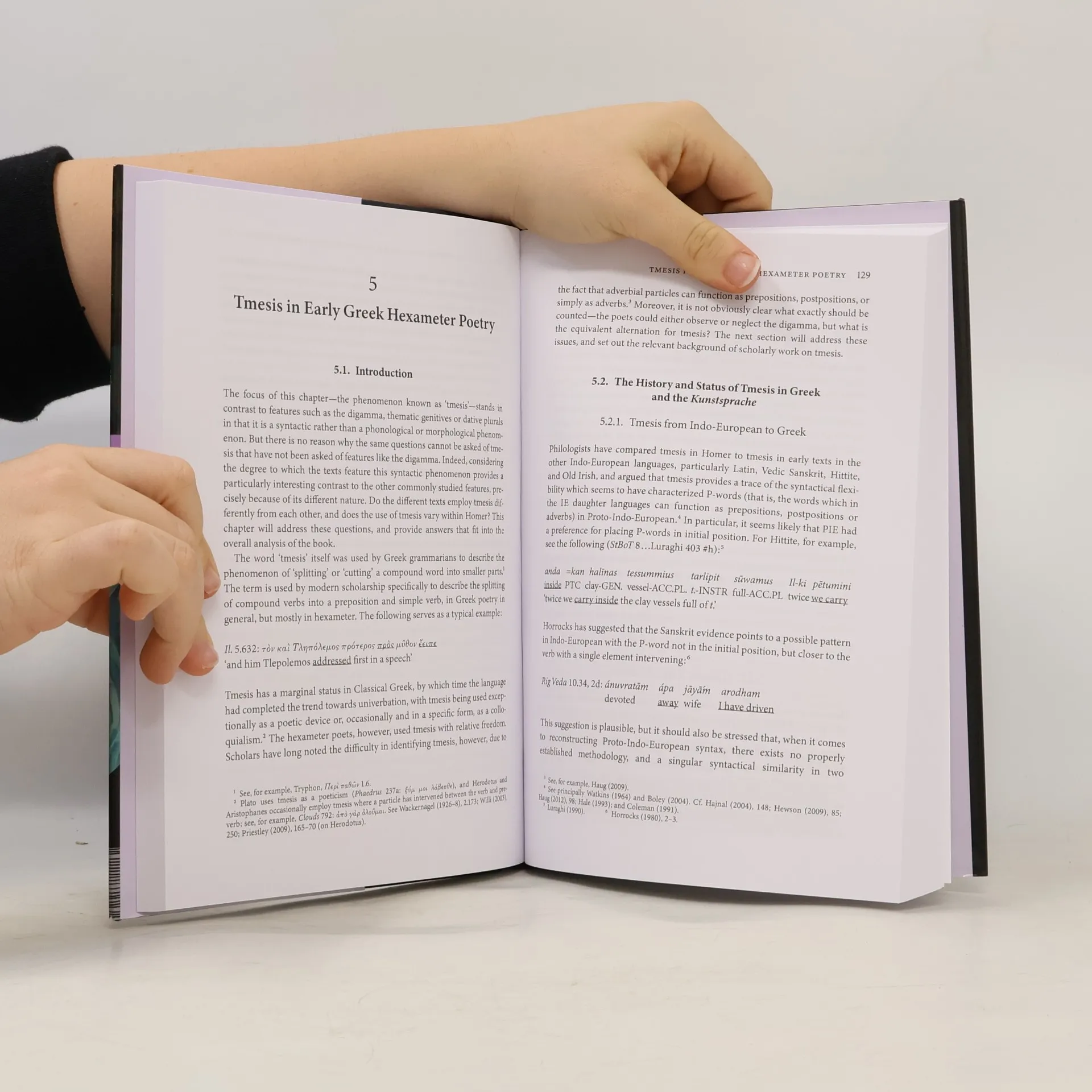
Early Greek hexameter poetry and its language is the focus of this book, and McConnell addresses the question of why the Greek in which this poetry is composed is so special and unique in ancient literature. It has long been maintained that various features of the artificial dialect of the poems gradually fell out of use as time went by, and therefore that we can use the poems' language to date the texts. This book takes a deep dive into the linguistic features in question and the wider problems in extrapolating chronology from their distribution, all while advocating for the importance of statistical rigour. Part I contains five chapters which are devoted to different linguistic phenomena, and problems in quantifying them are set out in each. Part II argues that chronology is just one part of a much wider picture, and that not only dialect but also style is a highly salient factor in understanding language variation throughout the poems. This notion of style is linked to the linguistic concept of register, and it is argued that the prehistory of different kinds of poetry led to the creation of different registers for different (sub)genres within the corpus. McConnell therefore takes a linguistic approach to understanding the literary history of early Greek hexameter poetry.
Compra de libros
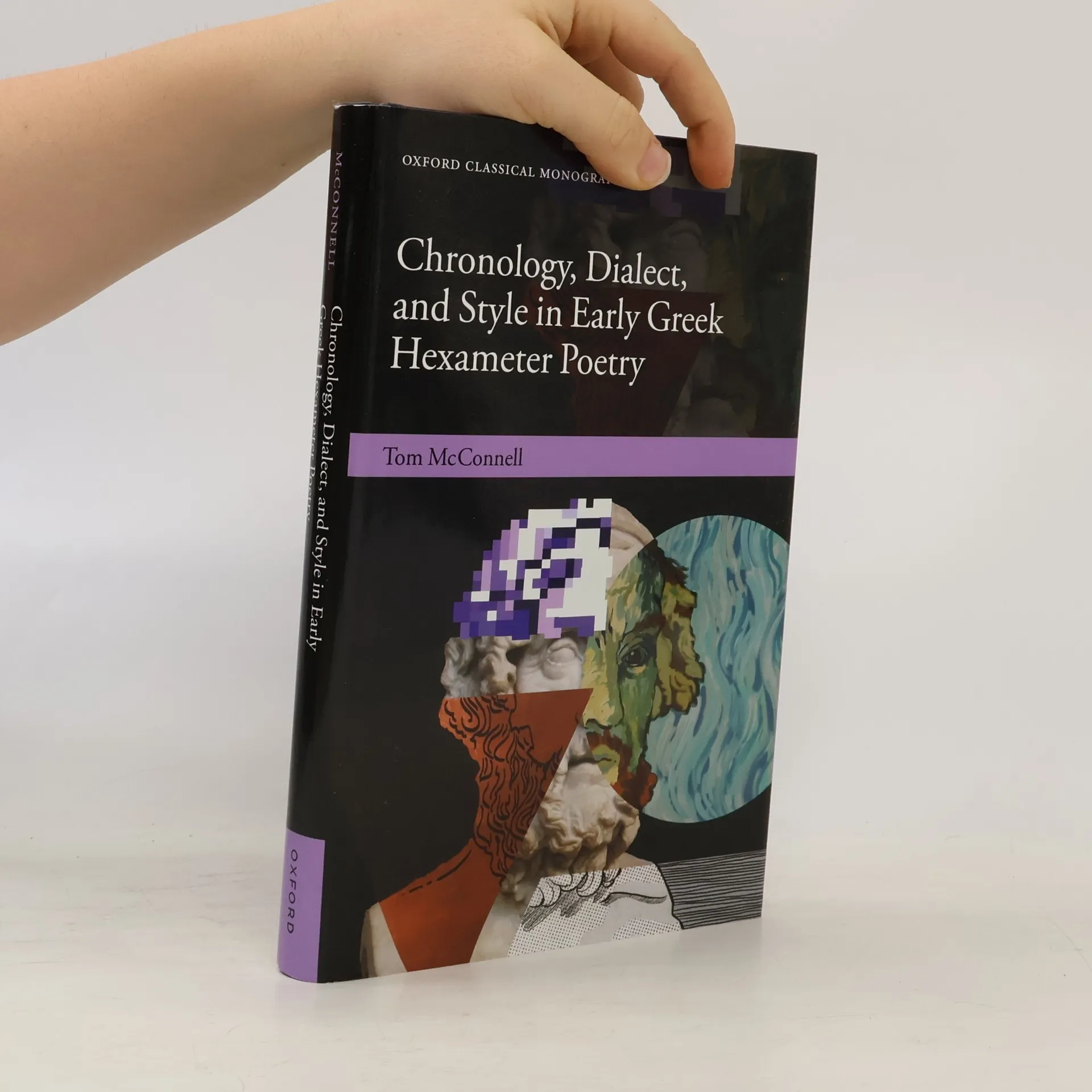
Oxford Classical Monographs: Chronology, Dialect, and Style in Early Greek Hexameter Poetry, Tom McConnell
- Idioma

- Publicado en
- 2025
- Encuadernación
- (Tapa dura)
Métodos de pago
Nadie lo ha calificado todavía.
- Título
- Oxford Classical Monographs: Chronology, Dialect, and Style in Early Greek Hexameter Poetry
- Idioma
- Inglés
- Autores
- Tom McConnell
- Editorial
- Oxford University Press
- Publicado en
- 2025
- Formato
- Tapa dura
- Páginas
- 320
- ISBN10
- 0198932316
- ISBN13
- 9780198932314
- Serie
- Etiquetas
- Tema histórico, Antigüedad, Crítica literaria
- Descripción
- Early Greek hexameter poetry and its language is the focus of this book, and McConnell addresses the question of why the Greek in which this poetry is composed is so special and unique in ancient literature. It has long been maintained that various features of the artificial dialect of the poems gradually fell out of use as time went by, and therefore that we can use the poems' language to date the texts. This book takes a deep dive into the linguistic features in question and the wider problems in extrapolating chronology from their distribution, all while advocating for the importance of statistical rigour. Part I contains five chapters which are devoted to different linguistic phenomena, and problems in quantifying them are set out in each. Part II argues that chronology is just one part of a much wider picture, and that not only dialect but also style is a highly salient factor in understanding language variation throughout the poems. This notion of style is linked to the linguistic concept of register, and it is argued that the prehistory of different kinds of poetry led to the creation of different registers for different (sub)genres within the corpus. McConnell therefore takes a linguistic approach to understanding the literary history of early Greek hexameter poetry.