


Más información sobre el libro
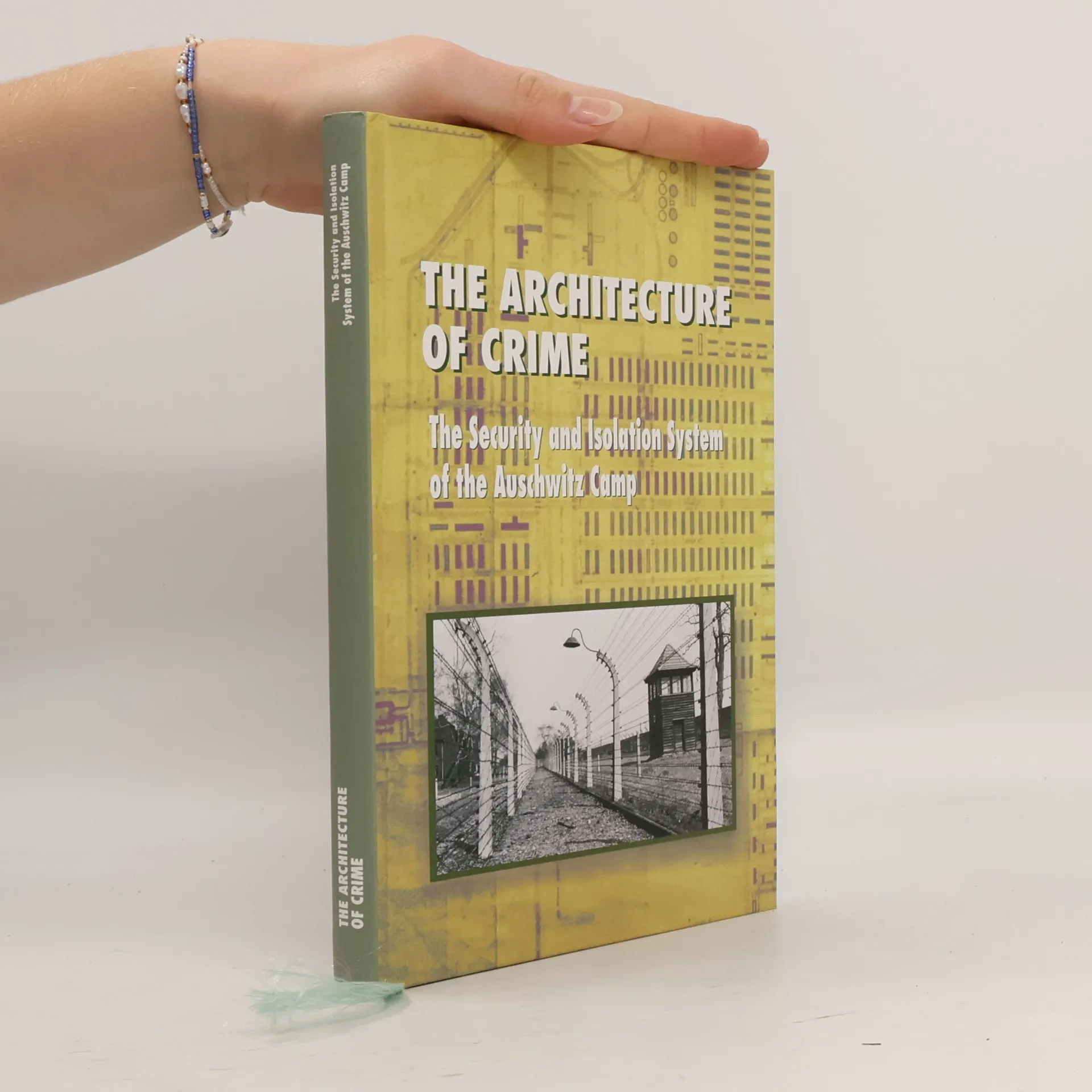
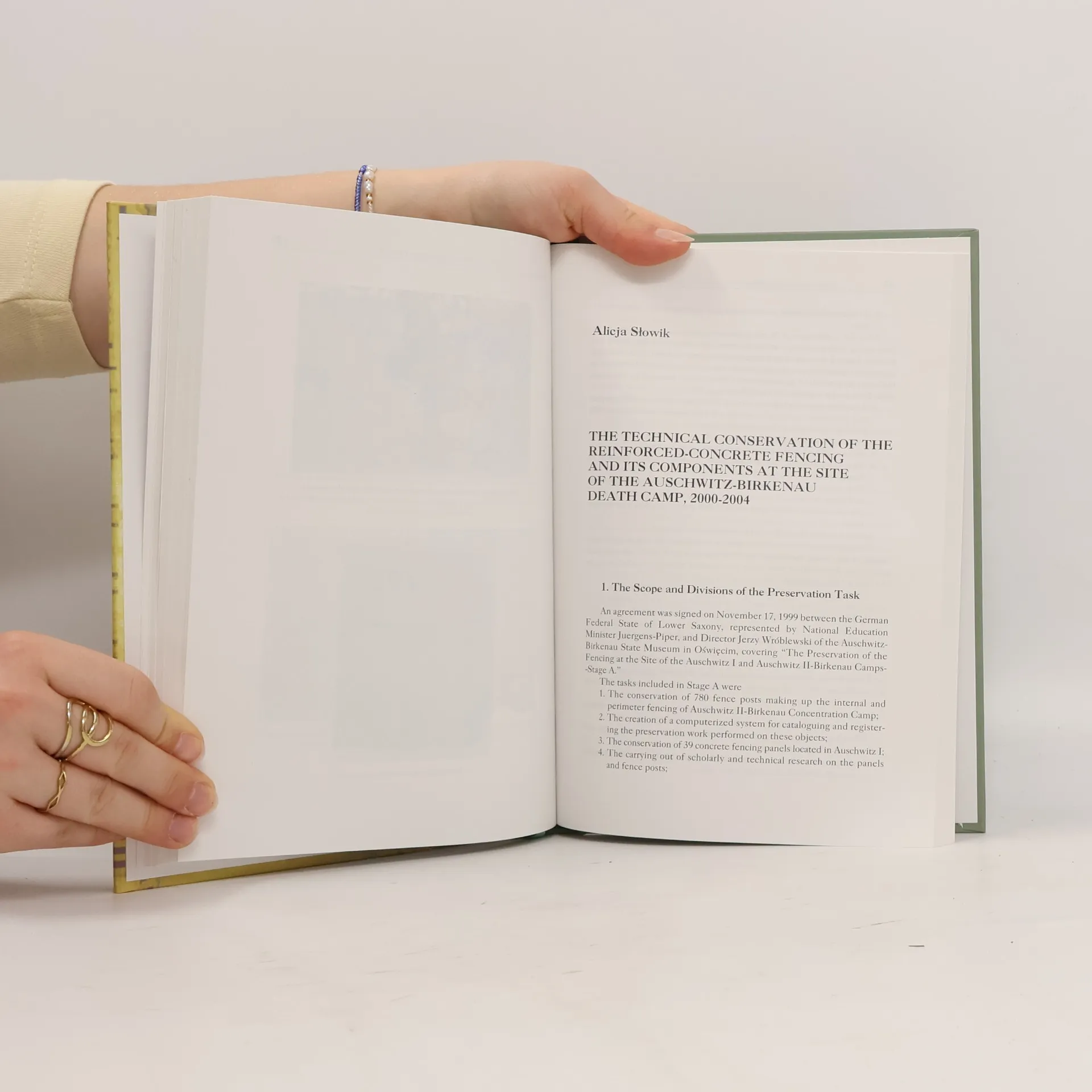
The Auschwitz fence stands as a haunting symbol of Nazi inhumanity, representing the terror of concentration and death camps in the twentieth century. After fifty years as a memorial, the fence began to deteriorate, prompting conservation efforts by the Museum's management and German Länder. This meticulous seven-year project aimed to restore each segment to a higher quality, culminating in 2004. The book published in 2008 explores various aspects of this significant site, including the fencing system designed to prevent prisoner escapes, personal accounts from former prisoners and civilian employees, and detailed studies on the conservation policy and techniques used to preserve the concrete fence posts. Contributions from experts cover topics such as the preservation of gates at Auschwitz I and II-Birkenau, the technical aspects of conserving reinforced-concrete fencing, and the role of guard towers within the fencing system. Each section provides insights into the historical context and the ongoing efforts to maintain the integrity of this somber site, ensuring that the memory of its past remains preserved for future generations.
Compra de libros
The Architecture of Crime, Teresa Świebocka, Władysław Niessner, Piotr Setkiewicz, Katharina Menzel
- Idioma

- Publicado en
- 2008
- Encuadernación
- (Tapa dura),
- Estado del libro
- Muy Bueno
- Precio
- 30,39 €
Métodos de pago
Nadie lo ha calificado todavía.
- Título
- The Architecture of Crime
- Idioma
- Inglés
- Editorial
- Auschwitz-Birkenau State Museum
- Publicado en
- 2008
- Formato
- Tapa dura
- Páginas
- 256
- ISBN10
- 8360210543
- ISBN13
- 9788360210543
- Serie
- Descripción
- The Auschwitz fence stands as a haunting symbol of Nazi inhumanity, representing the terror of concentration and death camps in the twentieth century. After fifty years as a memorial, the fence began to deteriorate, prompting conservation efforts by the Museum's management and German Länder. This meticulous seven-year project aimed to restore each segment to a higher quality, culminating in 2004. The book published in 2008 explores various aspects of this significant site, including the fencing system designed to prevent prisoner escapes, personal accounts from former prisoners and civilian employees, and detailed studies on the conservation policy and techniques used to preserve the concrete fence posts. Contributions from experts cover topics such as the preservation of gates at Auschwitz I and II-Birkenau, the technical aspects of conserving reinforced-concrete fencing, and the role of guard towers within the fencing system. Each section provides insights into the historical context and the ongoing efforts to maintain the integrity of this somber site, ensuring that the memory of its past remains preserved for future generations.