

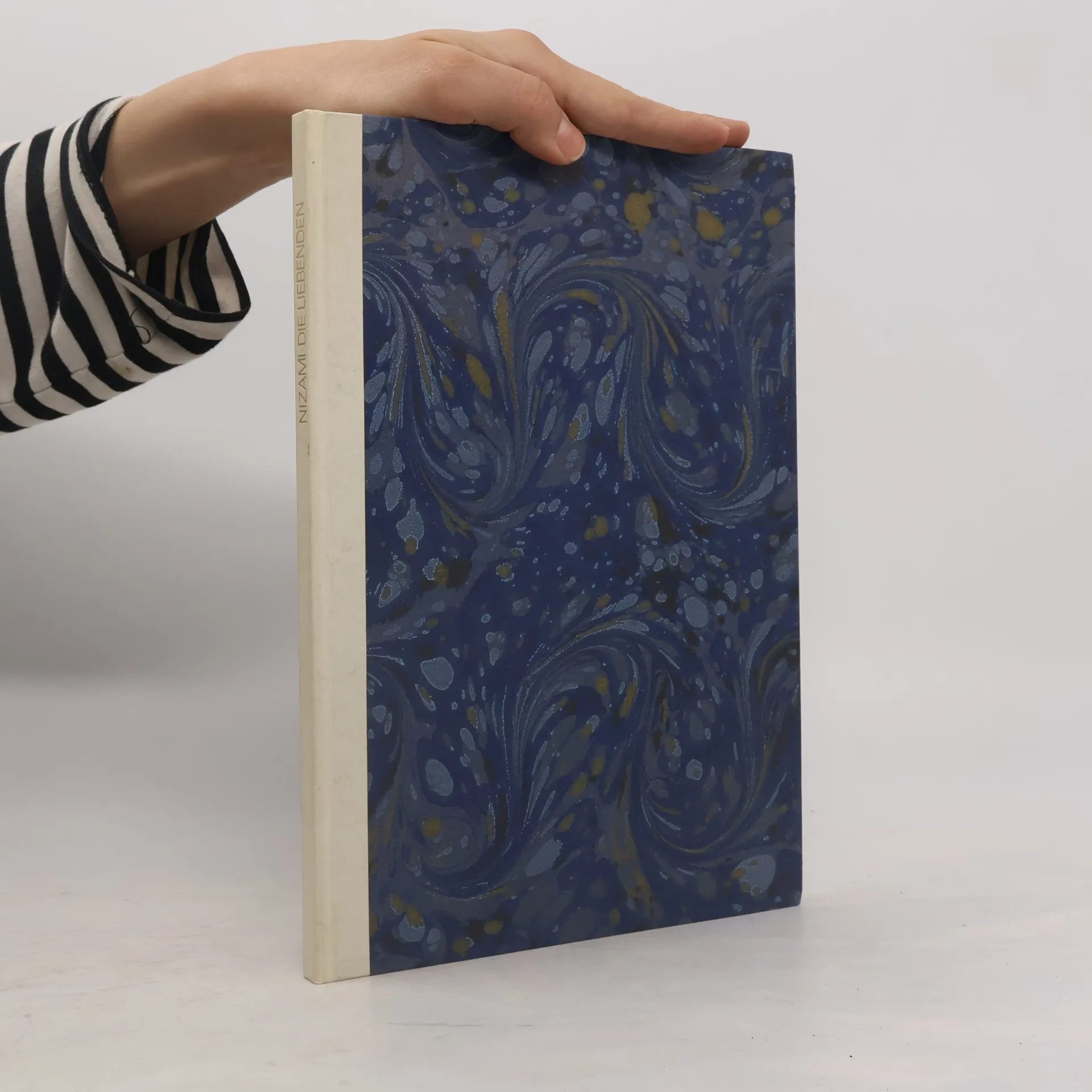
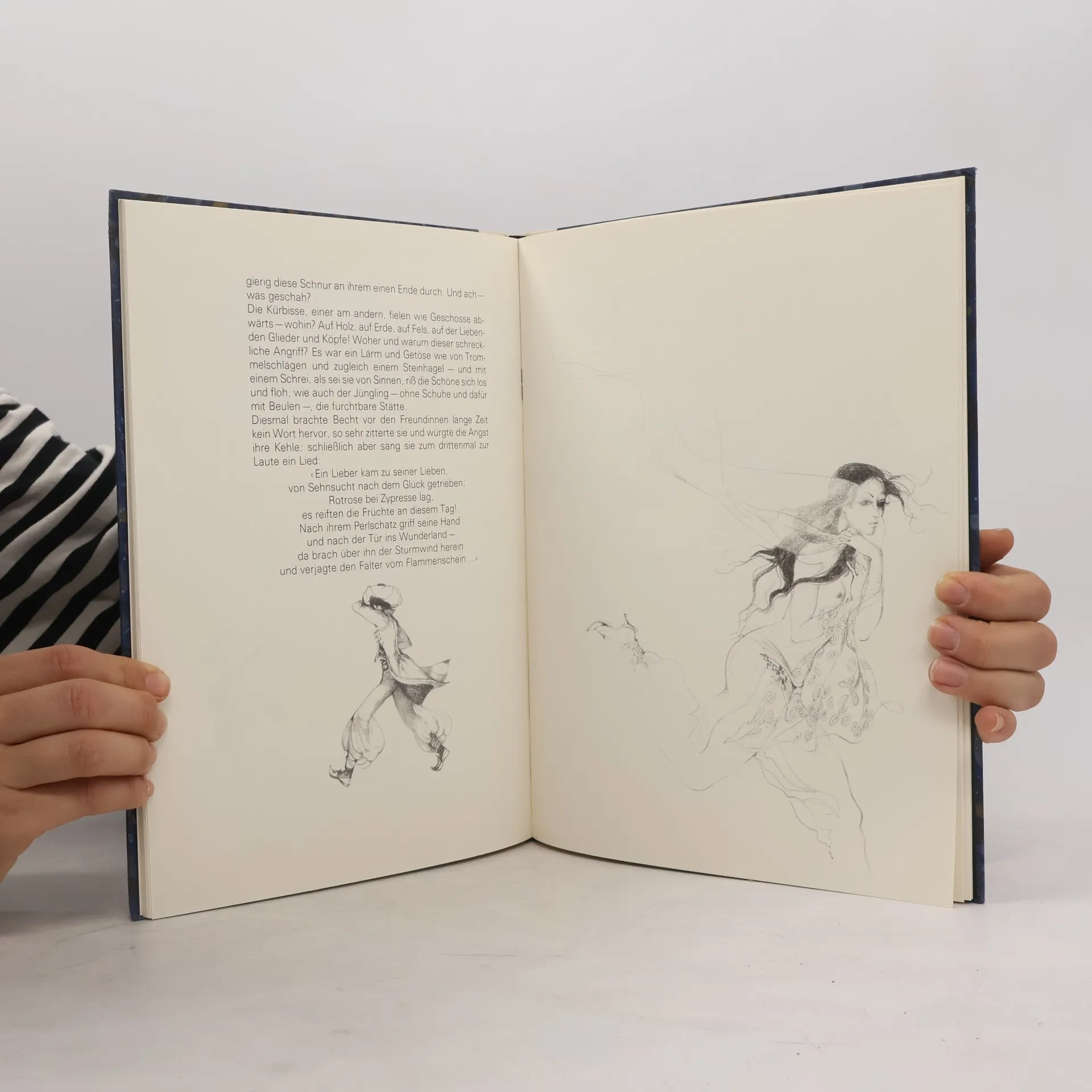
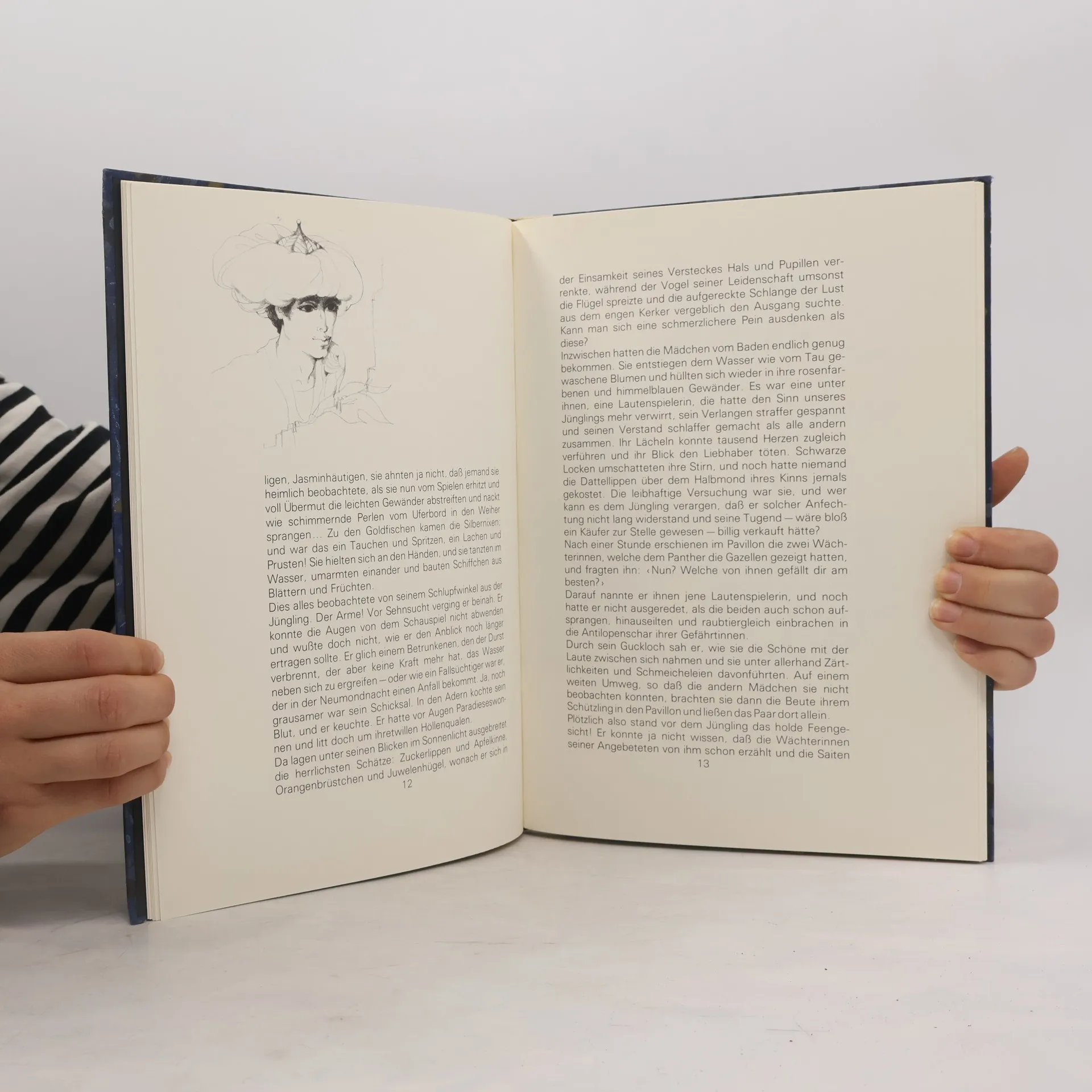
Die Geschichte von den Heimsuchungen der Liebenden
Autores
Más información sobre el libro
The romance of the Haft Paykar ("Seven Beauties") is one of the great works of Persian literature. Completed in 1197 by the poet Nizami of Ganja, it is an allegorical romance of great beauty and depth, and its central theme of self-knowledge as the path to human perfection is conveyed in rich and vivid imagery and complex symbolism. The Haft Paykar tells the story of the Sassanian ruler Prince Bahram V Gur and his progress towards wisdom, and is enlivened by many adventures and by the seven tales--love stories--told to the prince by his brides. This new English verse translation captures the beauty and sophistication of of the original, and makes this masterpiece of twelfth-century Persia accessible to a wide audience.
Compra de libros
Die Geschichte von den Heimsuchungen der Liebenden, Niẓāmī Ganjavī
- Idioma

- Publicado en
- 1977
- Encuadernación
- (Tapa dura),
- Estado del libro
- Bueno
- Precio
- 7,29 €
Métodos de pago
Nadie lo ha calificado todavía.
- Título
- Die Geschichte von den Heimsuchungen der Liebenden
- Idioma
- Alemán
- Autores
- Niẓāmī Ganjavī
- Editorial
- Springer
- Publicado en
- 1977
- Formato
- Tapa dura
- Páginas
- 33
- ISBN10
- 3764309415
- ISBN13
- 9783764309411
- Serie
- Etiquetas
- Ciencia, Irán, Medio Oriente y Cercano Oriente
- Descripción
- The romance of the Haft Paykar ("Seven Beauties") is one of the great works of Persian literature. Completed in 1197 by the poet Nizami of Ganja, it is an allegorical romance of great beauty and depth, and its central theme of self-knowledge as the path to human perfection is conveyed in rich and vivid imagery and complex symbolism. The Haft Paykar tells the story of the Sassanian ruler Prince Bahram V Gur and his progress towards wisdom, and is enlivened by many adventures and by the seven tales--love stories--told to the prince by his brides. This new English verse translation captures the beauty and sophistication of of the original, and makes this masterpiece of twelfth-century Persia accessible to a wide audience.