

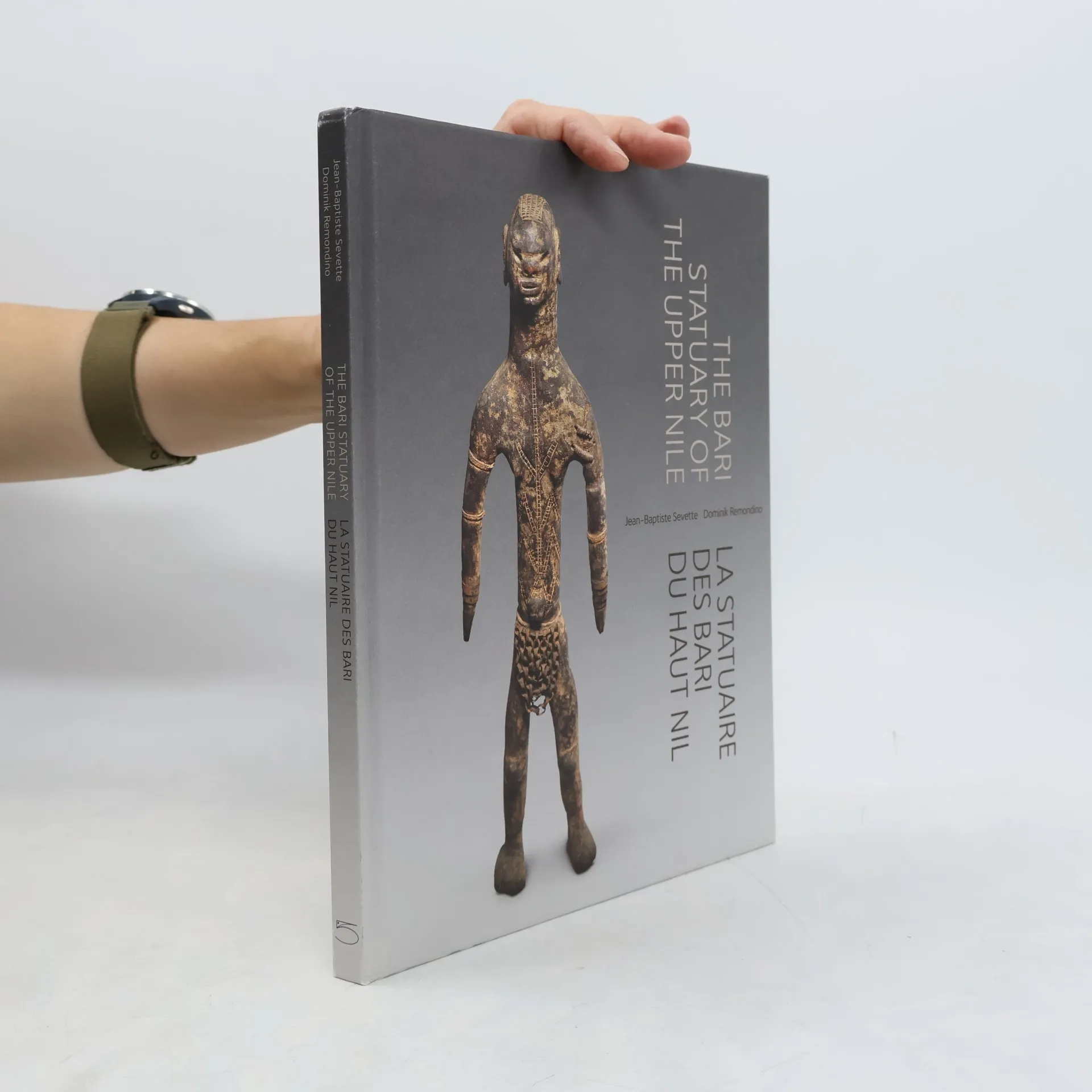
The Bari Statuary of the Upper Nile
Parámetros
- 144 páginas
- 6 horas de lectura
Más información sobre el libro
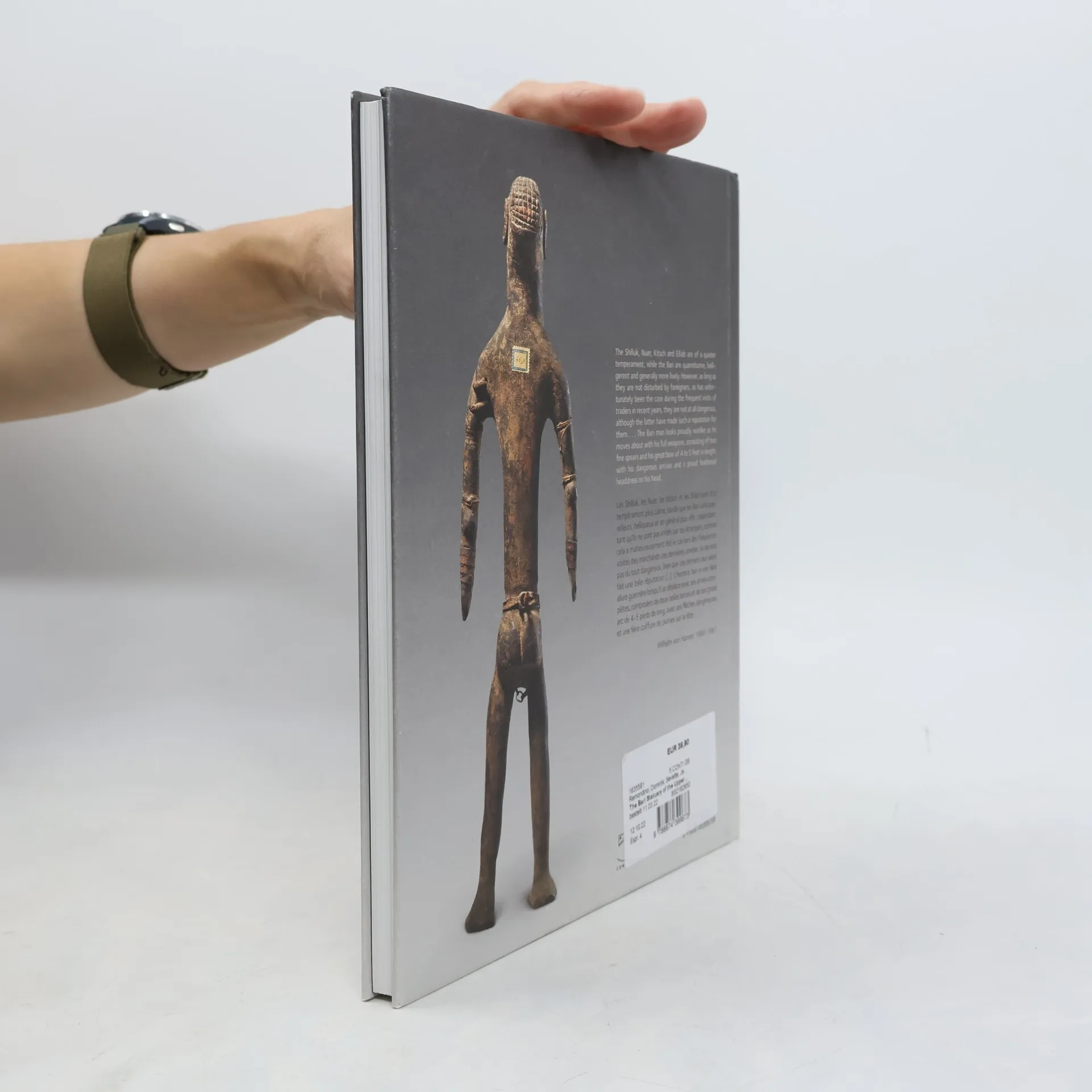
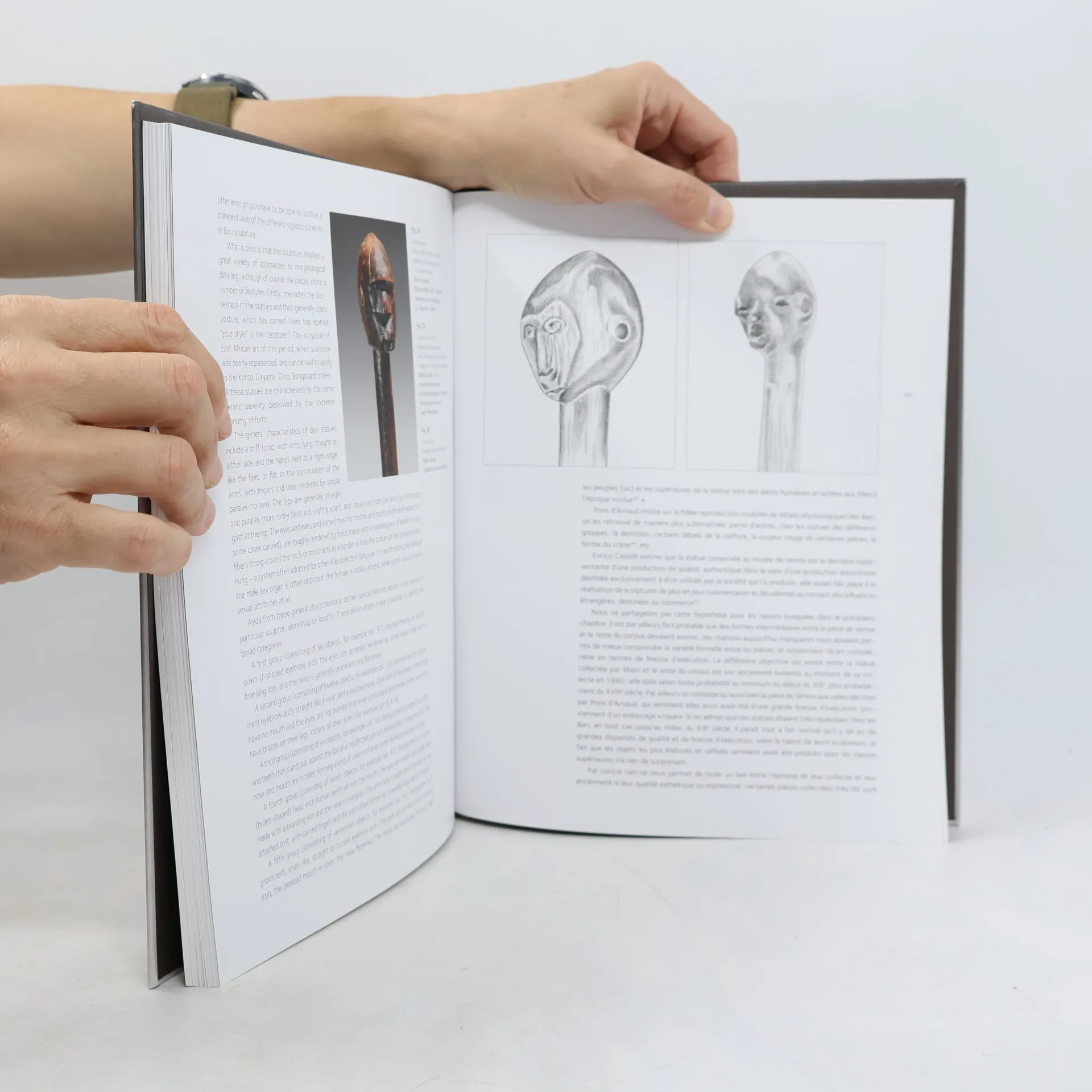
This beautifully photographed volume presents the 63 known statues of the Bari tribe from South Sudan, offering a comprehensive overview of their collection, usage, and stylistic diversity. Drawing primarily from 19th-century sources alongside modern documentation, it explores the Bari people's historical context along the banks of the White Nile, where they remained isolated until the 19th century. The earliest contact with the outside world began with an expedition commissioned in 1840 by Ismail Pascha, followed by explorations aimed at uncovering the Nile's sources, often hindered by competing slave hunters. The book situates the known collection of Bari statues within the broader historical narrative of Egyptian Sudan, detailing encounters with explorers like Joseph Pons d'Arnaud and Wilhelm Werne in 1841, and concluding with Wilhelm Junker's descriptions of the pre-colonial era. During the 19th century, many museums sought to amass ethnographic objects, relying heavily on explorers, traders, and adventurers. This catalog of approximately 63 Bari statues provides valuable insights into the historical sources and current understanding of their significance, usage, and stylistic variations. The text is presented in both English and French.
Compra de libros
The Bari Statuary of the Upper Nile, Jean-Baptiste Sevette, Dominik Remondino
- Idioma

- Publicado en
- 2022
- Encuadernación
- (Tapa dura),
- Estado del libro
- Bueno
- Precio
- 18,49 €
Métodos de pago
Nadie lo ha calificado todavía.
- Título
- The Bari Statuary of the Upper Nile
- Idioma
- Inglés
- Editorial
- Five Continents Editions
- Publicado en
- 2022
- Formato
- Tapa dura
- Páginas
- 144
- ISBN10
- 8874399677
- ISBN13
- 9788874399673
- Serie
- Categorías
- Etiquetas
- Arte, Historia del arte, África, Escultura, Sudán, Sudán del Sur
- Descripción
- This beautifully photographed volume presents the 63 known statues of the Bari tribe from South Sudan, offering a comprehensive overview of their collection, usage, and stylistic diversity. Drawing primarily from 19th-century sources alongside modern documentation, it explores the Bari people's historical context along the banks of the White Nile, where they remained isolated until the 19th century. The earliest contact with the outside world began with an expedition commissioned in 1840 by Ismail Pascha, followed by explorations aimed at uncovering the Nile's sources, often hindered by competing slave hunters. The book situates the known collection of Bari statues within the broader historical narrative of Egyptian Sudan, detailing encounters with explorers like Joseph Pons d'Arnaud and Wilhelm Werne in 1841, and concluding with Wilhelm Junker's descriptions of the pre-colonial era. During the 19th century, many museums sought to amass ethnographic objects, relying heavily on explorers, traders, and adventurers. This catalog of approximately 63 Bari statues provides valuable insights into the historical sources and current understanding of their significance, usage, and stylistic variations. The text is presented in both English and French.