


Más información sobre el libro
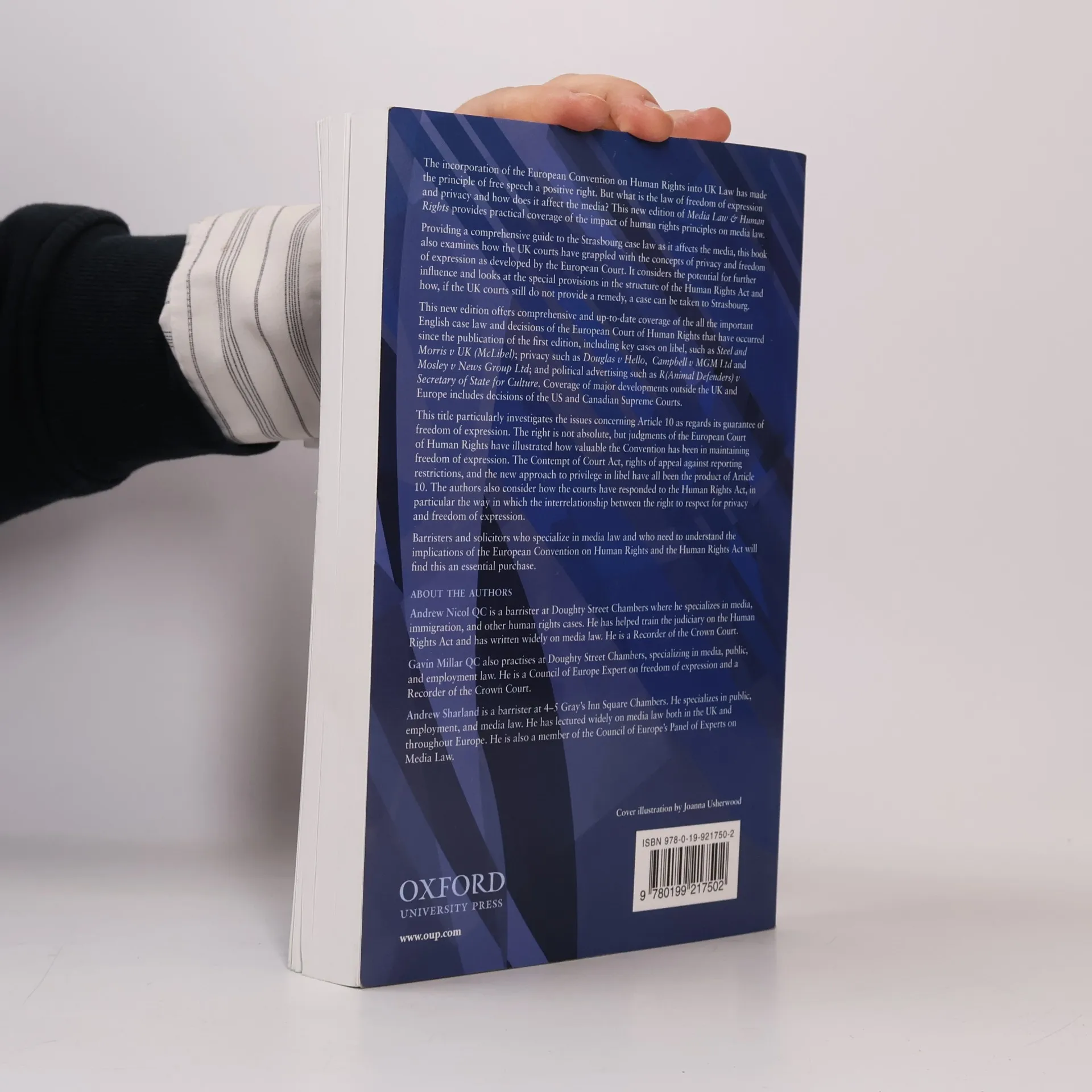
The incorporation of the European Convention of Human Rights in UK Law, has made the principle of free speech a positive right. But what is the law of freedom of expression and privacy and how does it affect the media? This new edition of Media Law and Human Rights provides practical coverage of the impact of human rights principles in media law. Providing a comprehensive guide to the Strasbourg case law as it affects the media, this book also examines how the UK courts have grappled with the concepts of privacy and freedom of expression as developed by the European Court. It considers the potential for further influence and looks at the special provisions in the structure of the Human Rights Act and how, if the UK courts still do not provide a remedy, a case can be taken to Strasbourg. This new edition offers comprehensive and up to date coverage of the all the important English case law and decisions of the European Court of Human Rights that have occurred since the publication of the first edition, including key cases on libel, such as Steel and Morris v UK (McLibel), privacy such as Douglas v Hello, and race hatred such as Norwood v UK. Coverage of major developments outside the UK and Europe including decisions of the US, and Canadian Supreme Courts and the South African Constitutional Court is also included. This title particularly investigates the issues concerning Article 10 as regards its guarantee of freedom of expression. The right is not absolute, but judgments of the European Court of Human Rights have illustrated how valuable the Convention has been in maintaining freedom of expression. The Contempt of Court Act, rights of appeal against reporting restrictions, and the new approach to privilege in libel have all been the product of Article 10. The authors also consider how the courts have responded to the Human Rights Act, in particular the way in which the interrelationship between the right to respect for privacy and freedom of expression. Barristers and solicitors who specialize in media law and who need to understand the implications of the European Convention on Human Rights and the Human Rights Act will find this an essential purchase.
Compra de libros
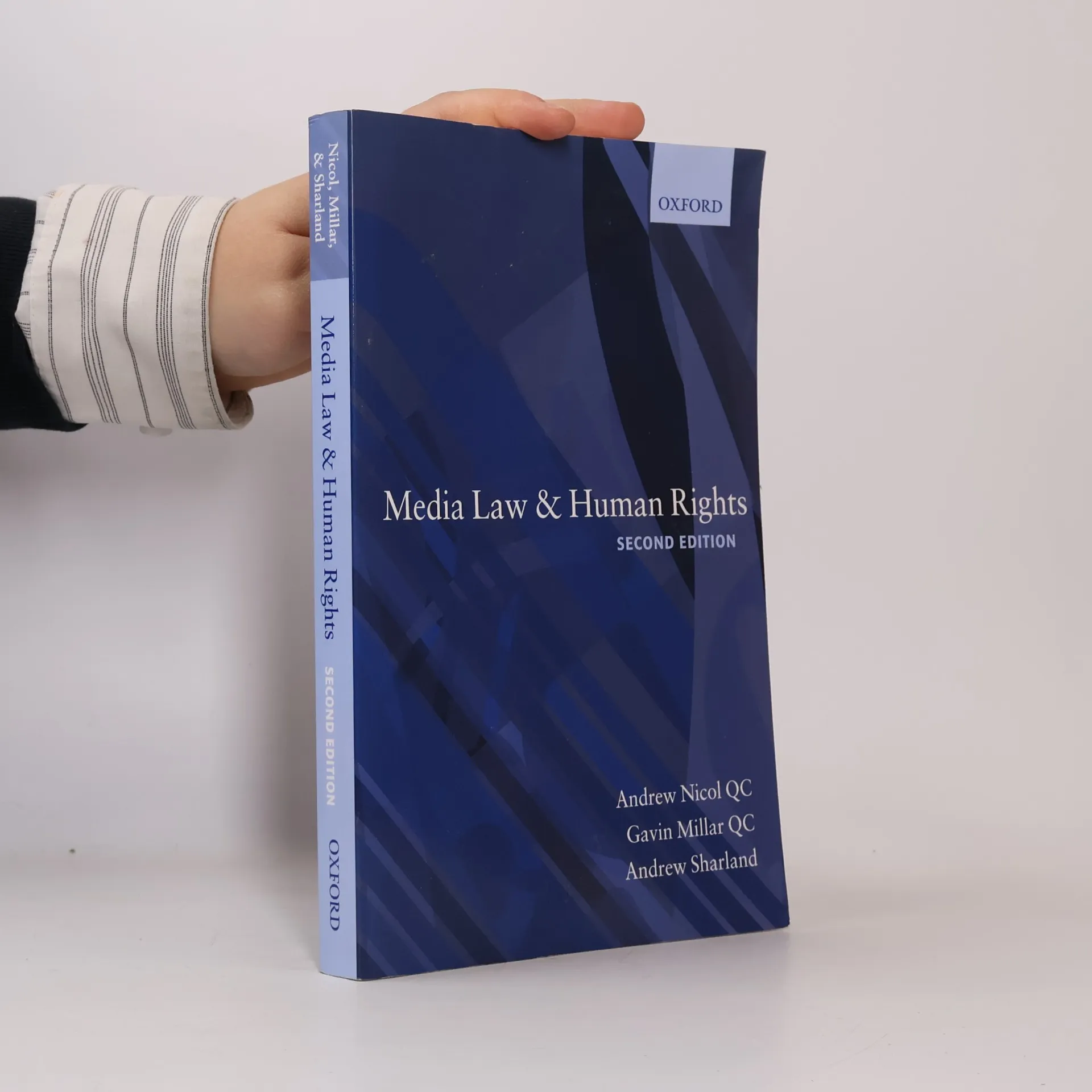
Media Law and Human Rights, Andrew G. L. Nicol QC, Gavin Millar QC, Andrew Sharland
- Idioma

- Publicado en
- 2009
- Encuadernación
- (Tapa blanda),
- Estado del libro
- Bueno
- Precio
- 12,49 €
Métodos de pago
Nadie lo ha calificado todavía.
- Título
- Media Law and Human Rights
- Subtítulo
- Second Edition
- Idioma
- Inglés
- Editorial
- Oxford University Press
- Publicado en
- 2009
- Formato
- Tapa blanda
- Páginas
- 307
- ISBN10
- 0199217505
- ISBN13
- 9780199217502
- Serie
- Categorías
- Etiquetas
- Descripción
- The incorporation of the European Convention of Human Rights in UK Law, has made the principle of free speech a positive right. But what is the law of freedom of expression and privacy and how does it affect the media? This new edition of Media Law and Human Rights provides practical coverage of the impact of human rights principles in media law. Providing a comprehensive guide to the Strasbourg case law as it affects the media, this book also examines how the UK courts have grappled with the concepts of privacy and freedom of expression as developed by the European Court. It considers the potential for further influence and looks at the special provisions in the structure of the Human Rights Act and how, if the UK courts still do not provide a remedy, a case can be taken to Strasbourg. This new edition offers comprehensive and up to date coverage of the all the important English case law and decisions of the European Court of Human Rights that have occurred since the publication of the first edition, including key cases on libel, such as Steel and Morris v UK (McLibel), privacy such as Douglas v Hello, and race hatred such as Norwood v UK. Coverage of major developments outside the UK and Europe including decisions of the US, and Canadian Supreme Courts and the South African Constitutional Court is also included. This title particularly investigates the issues concerning Article 10 as regards its guarantee of freedom of expression. The right is not absolute, but judgments of the European Court of Human Rights have illustrated how valuable the Convention has been in maintaining freedom of expression. The Contempt of Court Act, rights of appeal against reporting restrictions, and the new approach to privilege in libel have all been the product of Article 10. The authors also consider how the courts have responded to the Human Rights Act, in particular the way in which the interrelationship between the right to respect for privacy and freedom of expression. Barristers and solicitors who specialize in media law and who need to understand the implications of the European Convention on Human Rights and the Human Rights Act will find this an essential purchase.