

Más información sobre el libro
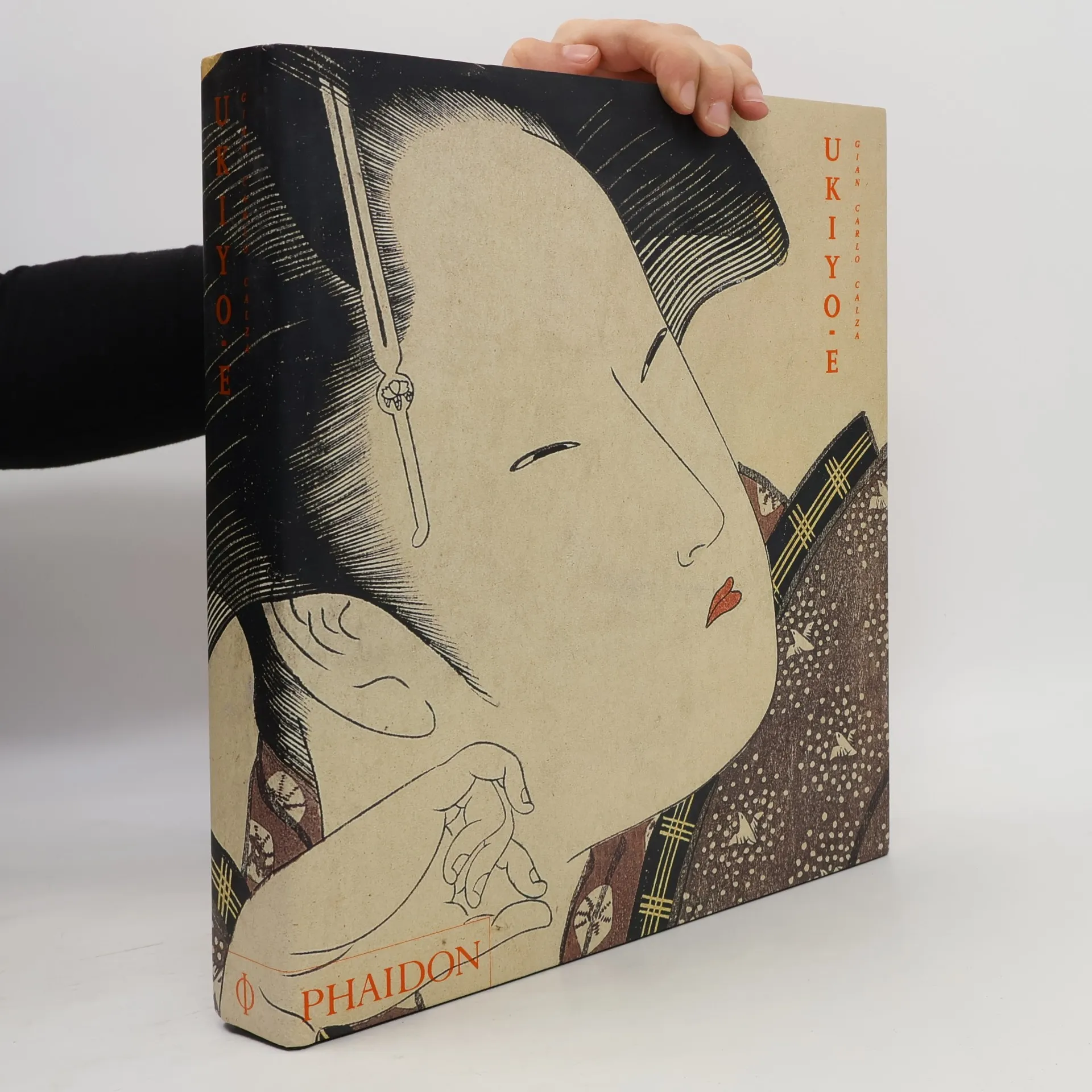
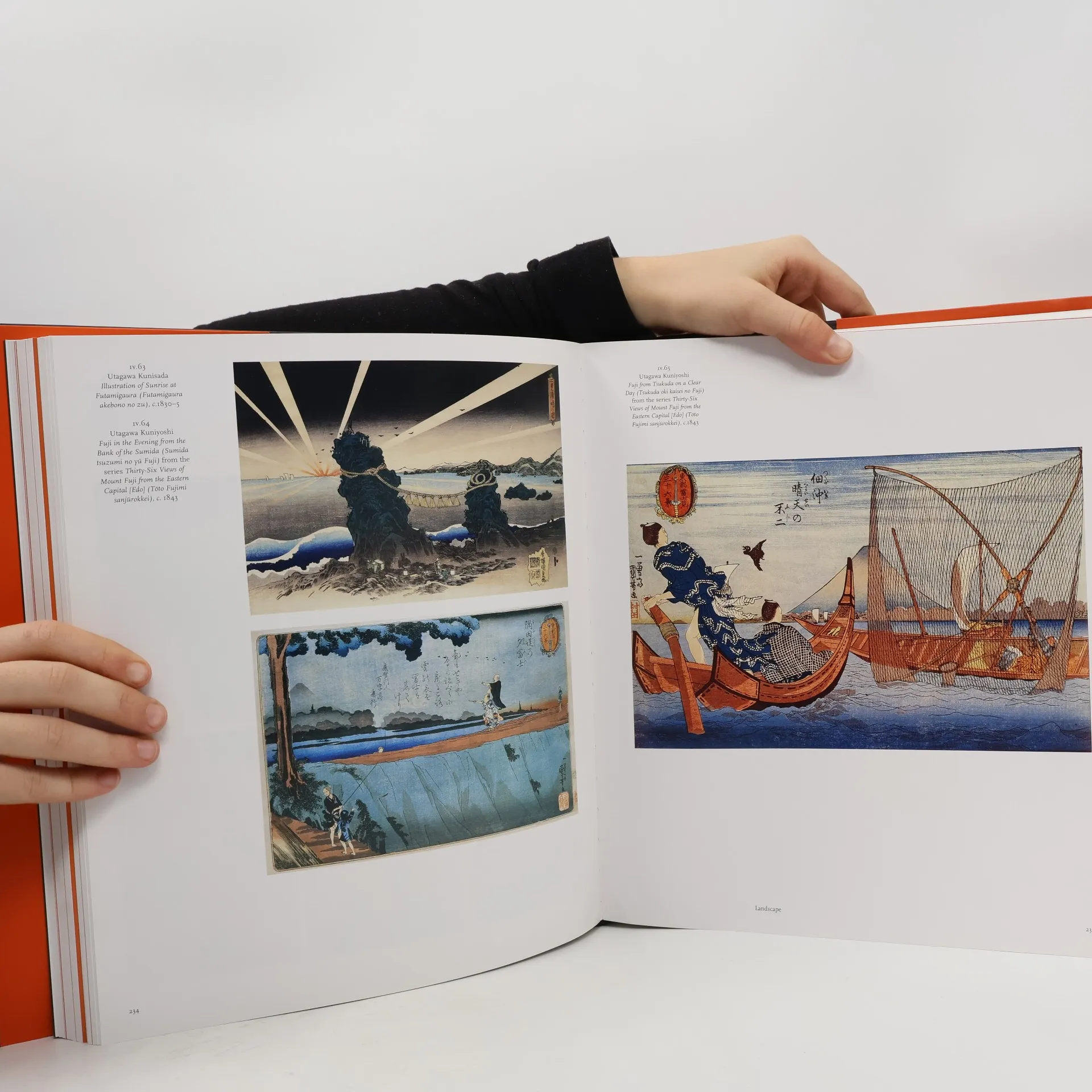
In this impressive study Professor Calza examines images of the floating world (ukiyo-e) found in paintings, screens, illustrated books and, above all, the numerous woodblock prints that nineteenth-century French artists were to find so influential. Through six essays and six catalogue sections this book provides a fascinating and thorough introduction to the very best works of this period. The essays supply detailed background information on the history, techniques and development of ukiyo-e and the plate section has been arranged to reflect the six great themes of the floating world - theatre, tradition, nature, landscape, town life and feminine beauty - developed by the artists to satisfy the demands and tastes of their customers. Within each section works have been arranged in chronological order and according to schools. Many of these remarkable images illustrate the tastes, habits and passions of the people of Edo:
Compra de libros
Ukiyo-E, Gian Carlo Calza, Timon Screech, Mondadori Electa SpA, Junko Muto
- Idioma

- Publicado en
- 2005
- Encuadernación
- (Tapa dura),
- Estado del libro
- Muy Bueno
- Precio
- 39,89 €
Métodos de pago
Nadie lo ha calificado todavía.
- Título
- Ukiyo-E
- Idioma
- Inglés
- Editorial
- Phaidon Press
- Publicado en
- 2005
- Formato
- Tapa dura
- Páginas
- 512
- ISBN10
- 0714845388
- ISBN13
- 9780714845388
- Serie
- Etiquetas
- Arte, Historia del arte, Japón
- Descripción
- In this impressive study Professor Calza examines images of the floating world (ukiyo-e) found in paintings, screens, illustrated books and, above all, the numerous woodblock prints that nineteenth-century French artists were to find so influential. Through six essays and six catalogue sections this book provides a fascinating and thorough introduction to the very best works of this period. The essays supply detailed background information on the history, techniques and development of ukiyo-e and the plate section has been arranged to reflect the six great themes of the floating world - theatre, tradition, nature, landscape, town life and feminine beauty - developed by the artists to satisfy the demands and tastes of their customers. Within each section works have been arranged in chronological order and according to schools. Many of these remarkable images illustrate the tastes, habits and passions of the people of Edo: