


Parámetros
- 300 páginas
- 11 horas de lectura
Más información sobre el libro
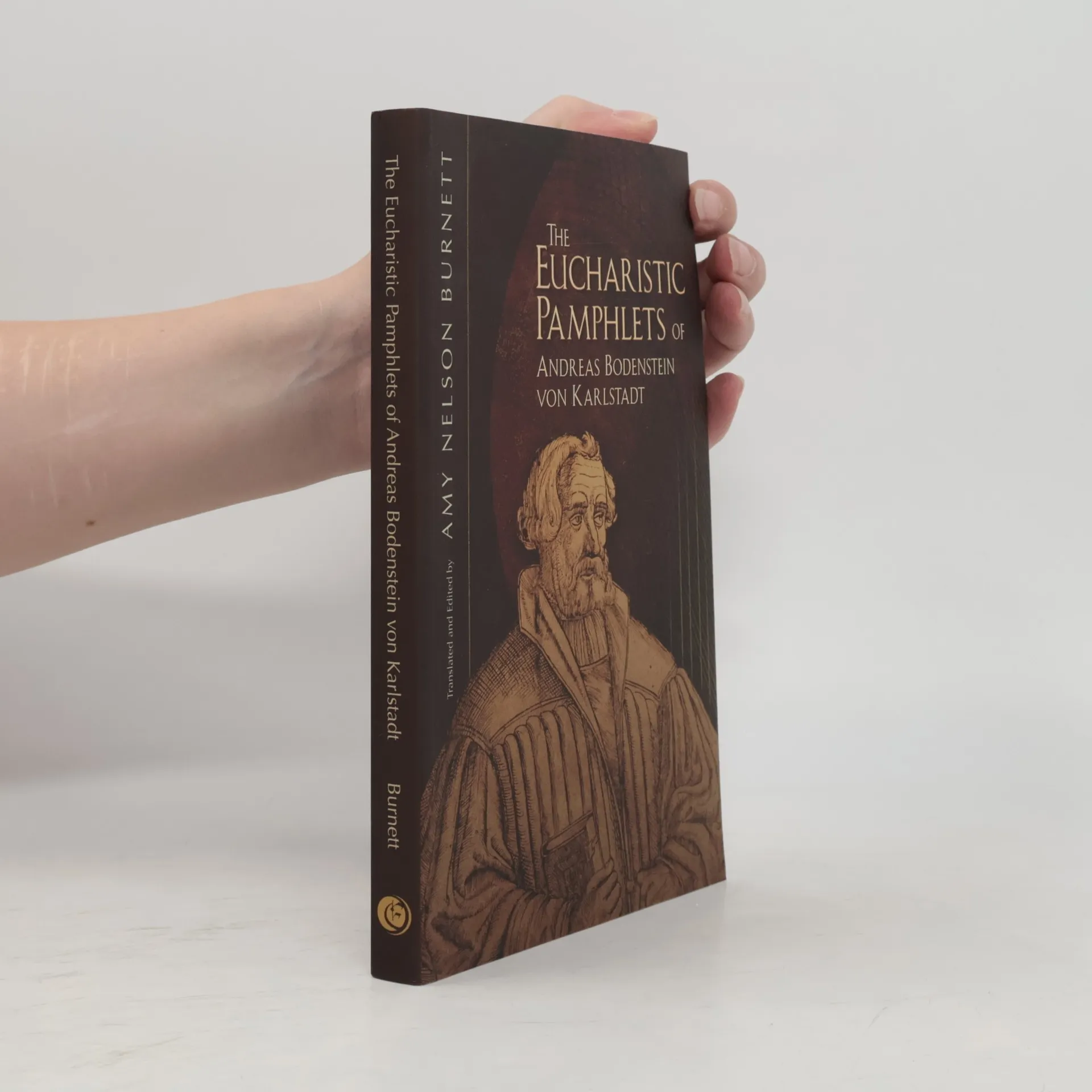
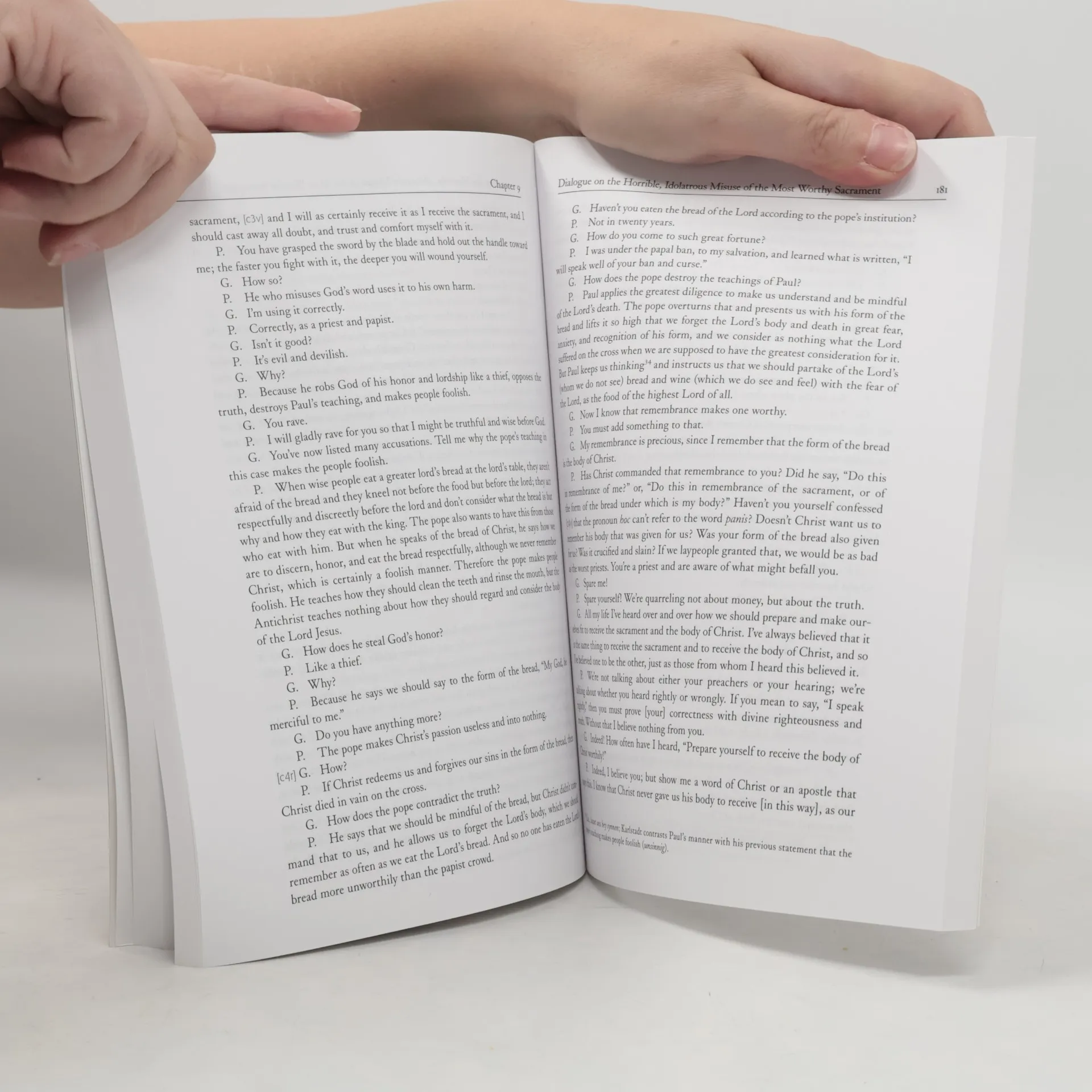
Andreas Bodenstein von Karlstadt played a key role in the development of the evangelical understanding of the Lord's Supper. In 1521 he wrote several pamphlets urging a reform of the Mass. In 1524 he broke with Martin Luther and published a second group of pamphlets rejecting the traditional belief in Christ's corporeal presence in the Eucharist. Despite the importance of Karlstadt's tracts, they are little known today, and his understanding of the Lord's Supper is often reduced to a caricature. For the first time, Amy Nelson Burnett translates his thirteen pamphlets into English, illuminating Karlstadt's importance for the Reformation debate over the Eucharist and his contribution to what would become Reformed sacramental theology.
Compra de libros
The Eucharistic Pamphlets of Andreas Bodenstein Von Karlstadt, Amy Nelson Burnett, Andreas Rudolff-Bodenstein von Karlstadt
- Idioma

- Publicado en
- 2011
- Encuadernación
- (Tapa blanda),
- Estado del libro
- Dañado
- Precio
- 59,99 €
Métodos de pago
Nadie lo ha calificado todavía.
- Título
- The Eucharistic Pamphlets of Andreas Bodenstein Von Karlstadt
- Idioma
- Inglés
- Editorial
- Penn State University Press
- Publicado en
- 2011
- Formato
- Tapa blanda
- Páginas
- 300
- ISBN10
- 1935503162
- ISBN13
- 9781935503163
- Serie
- Categorías
- Etiquetas
- EE.UU., Teología, Literatura especializada, Ética, Historia de las Religiones, Ciencias humanas, Estudios religiosos
- Descripción
- Andreas Bodenstein von Karlstadt played a key role in the development of the evangelical understanding of the Lord's Supper. In 1521 he wrote several pamphlets urging a reform of the Mass. In 1524 he broke with Martin Luther and published a second group of pamphlets rejecting the traditional belief in Christ's corporeal presence in the Eucharist. Despite the importance of Karlstadt's tracts, they are little known today, and his understanding of the Lord's Supper is often reduced to a caricature. For the first time, Amy Nelson Burnett translates his thirteen pamphlets into English, illuminating Karlstadt's importance for the Reformation debate over the Eucharist and his contribution to what would become Reformed sacramental theology.