

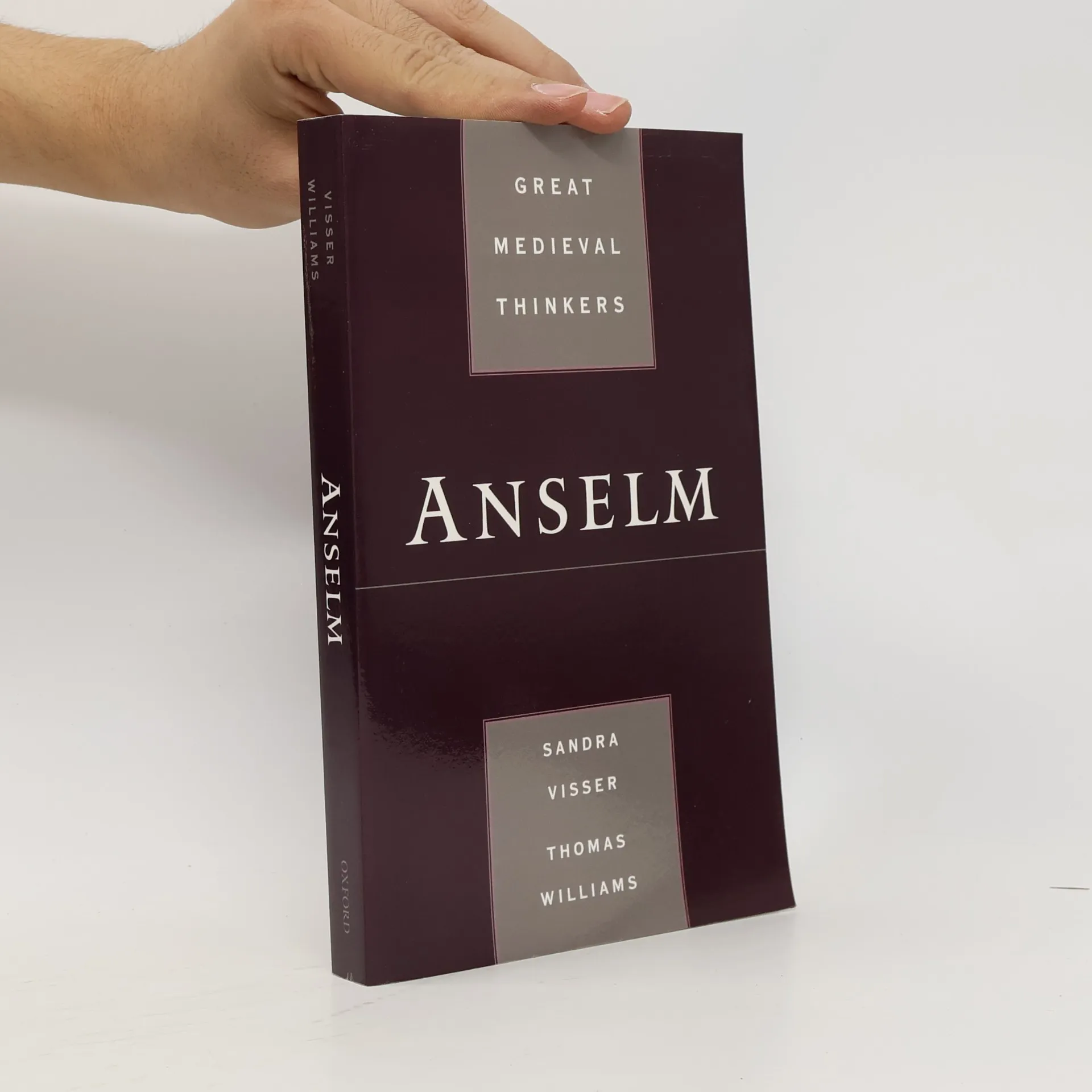
Great Medieval Thinkers: Anselm
Autores
Más información sobre el libro
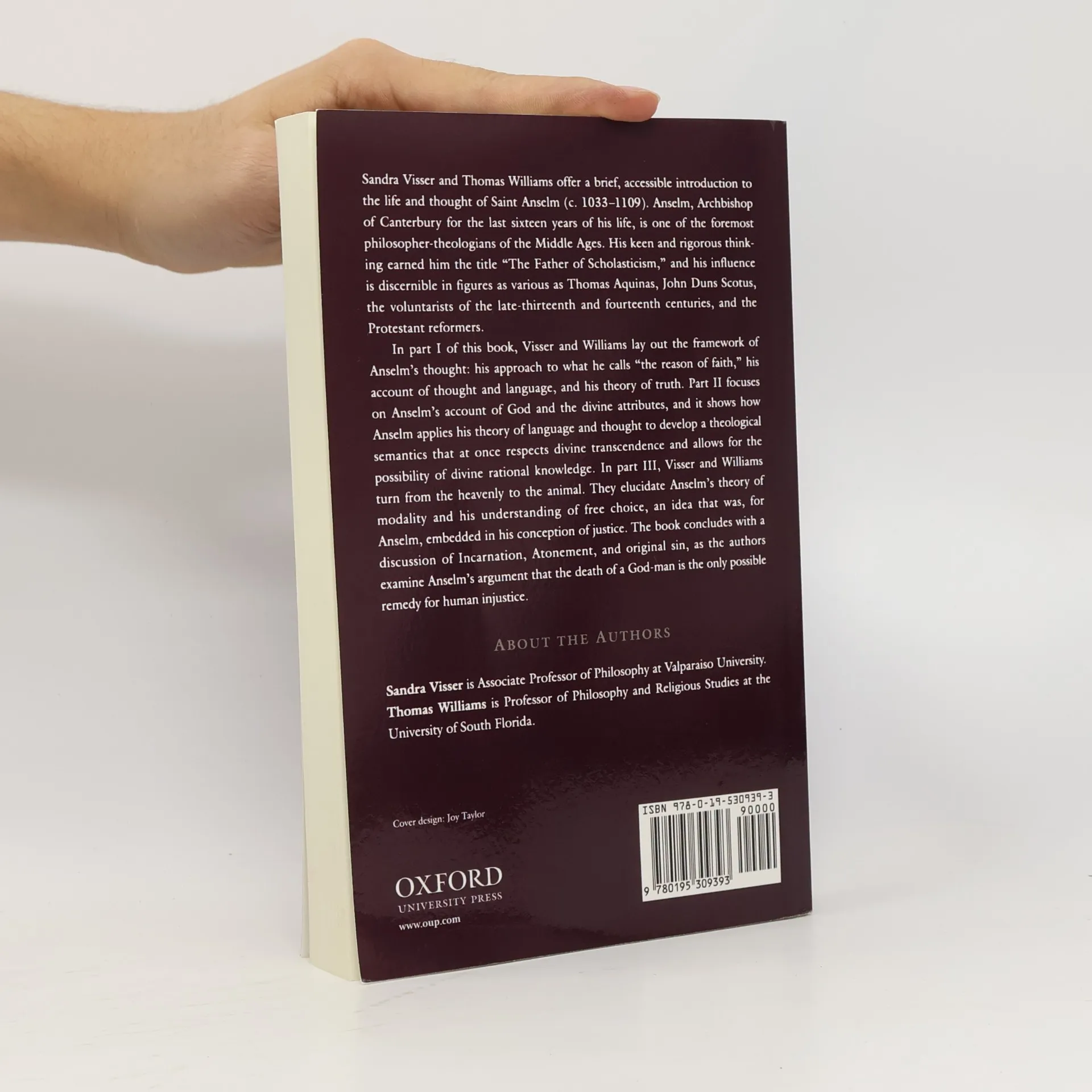
Sandra Visser and Thomas Williams offer a brief, accessible introduction to the life and thought of Saint Anselm (c. 1033-1109). Anselm, Archbishop of Canterbury for the last sixteen years of his life, is one of the foremost philosopher-theologians of the Middle Ages. His keen and rigorous thinking earned him the title "The Father of Scholasticism," and his influence is discernible in figures as various as Thomas Aquinas, John Duns Scotus, the voluntarists of the late-thirteenth and fourteenth centuries, and the Protestant reformers.In part I of this book, Visser and Williams lay out the framework of Anselm's his approach to what he calls "the reason of faith," his account of thought and language, and his theory of truth. Part II focuses on Anselm's account of God and the divine attributes, and it shows how Anselm applies his theory of language and thought to develop a theological semantics that at once respects divine transcendence and allows for the possibility of divine rational knowledge. In Part III, Visser and Williams turn from the heavenly to the animal. They elucidate Anselm's theory of modality and his understanding of free choice, an idea that was, for Anselm, embedded in his conception of justice. The book concludes with a discussion of Incarnation, Atonement, and original sin, as the authors examine Anselm's argument that the death of a God-man is the only possible remedy for human injustice.
Compra de libros
Great Medieval Thinkers: Anselm, Thomas Williams, Sandra Visser
- Idioma

- Publicado en
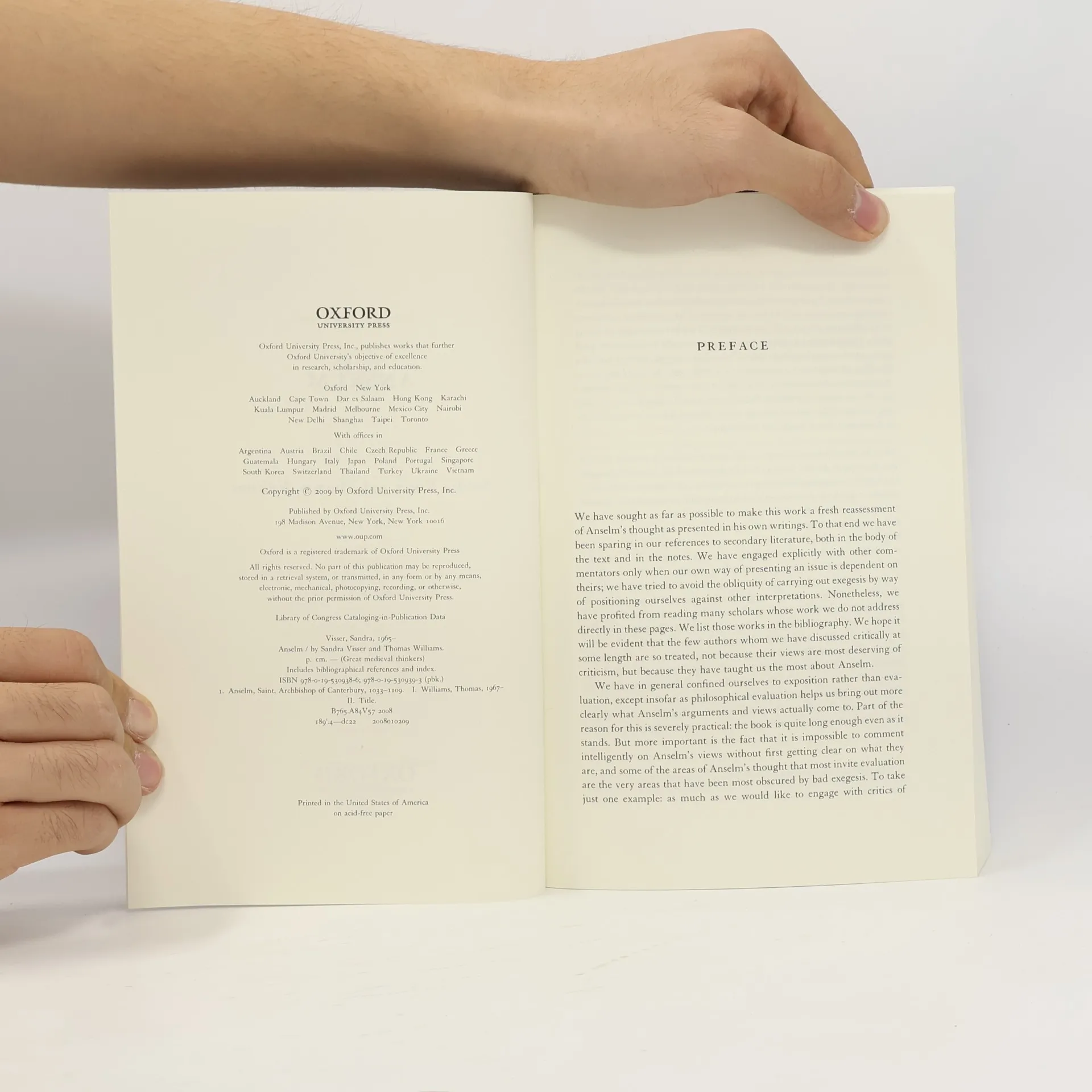
- 2008
- Encuadernación
- (Tapa blanda)
Métodos de pago
Nadie lo ha calificado todavía.
- Título
- Great Medieval Thinkers: Anselm
- Idioma
- Inglés
- Autores
- Thomas Williams, Sandra Visser
- Editorial
- Oxford University Press
- Publicado en
- 2008
- Formato
- Tapa blanda
- Páginas
- 303
- ISBN10
- 0195309391
- ISBN13
- 9780195309393
- Serie
- Categorías
- Etiquetas
- Temas religiosos, Espiritualidad y Religión, EE.UU., Europa, Teología, Medieval, Existencia de Dios
- Descripción
- Sandra Visser and Thomas Williams offer a brief, accessible introduction to the life and thought of Saint Anselm (c. 1033-1109). Anselm, Archbishop of Canterbury for the last sixteen years of his life, is one of the foremost philosopher-theologians of the Middle Ages. His keen and rigorous thinking earned him the title "The Father of Scholasticism," and his influence is discernible in figures as various as Thomas Aquinas, John Duns Scotus, the voluntarists of the late-thirteenth and fourteenth centuries, and the Protestant reformers.In part I of this book, Visser and Williams lay out the framework of Anselm's his approach to what he calls "the reason of faith," his account of thought and language, and his theory of truth. Part II focuses on Anselm's account of God and the divine attributes, and it shows how Anselm applies his theory of language and thought to develop a theological semantics that at once respects divine transcendence and allows for the possibility of divine rational knowledge. In Part III, Visser and Williams turn from the heavenly to the animal. They elucidate Anselm's theory of modality and his understanding of free choice, an idea that was, for Anselm, embedded in his conception of justice. The book concludes with a discussion of Incarnation, Atonement, and original sin, as the authors examine Anselm's argument that the death of a God-man is the only possible remedy for human injustice.