

After the Neocons
Autores
Parámetros
- 240 páginas
- 9 horas de lectura
Más información sobre el libro
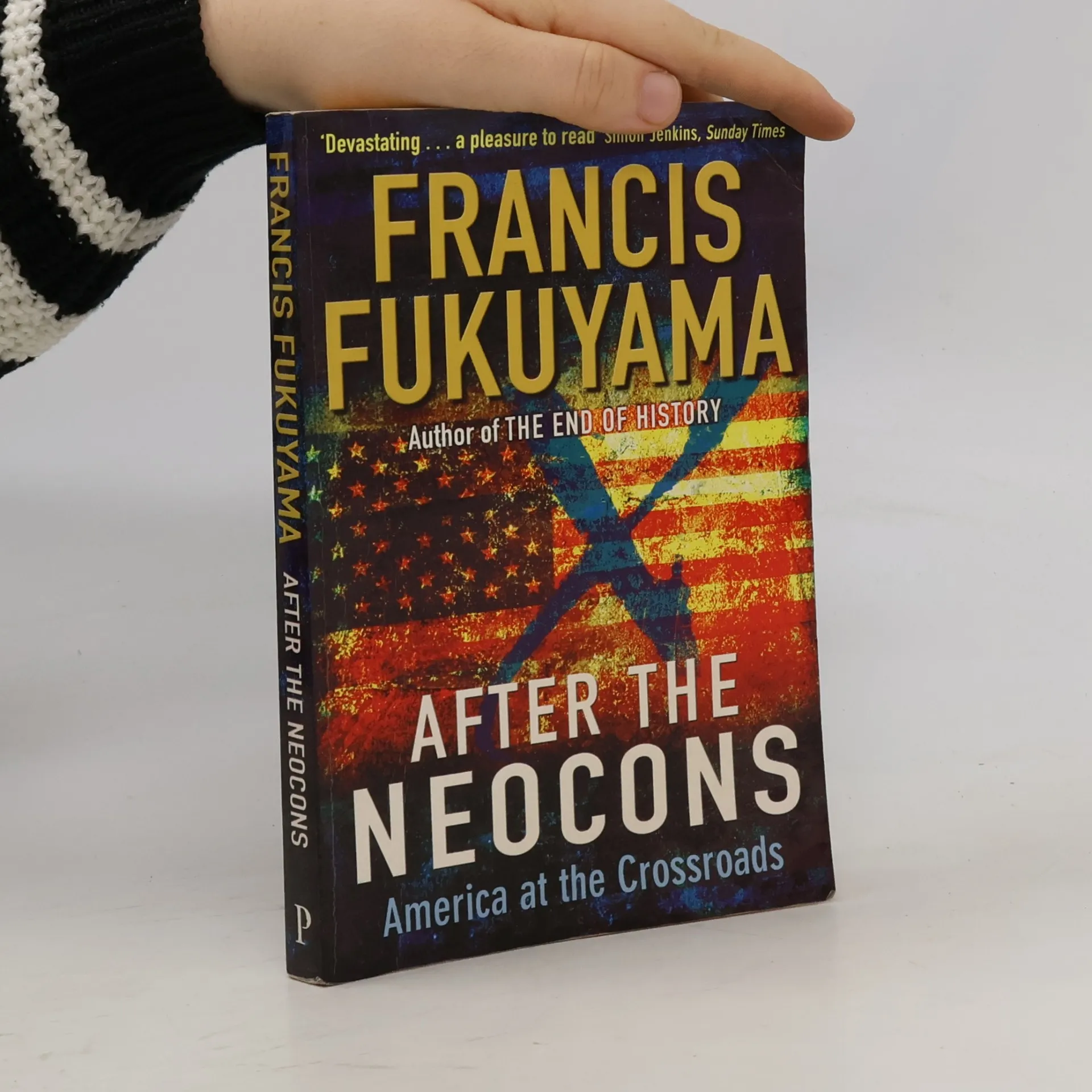
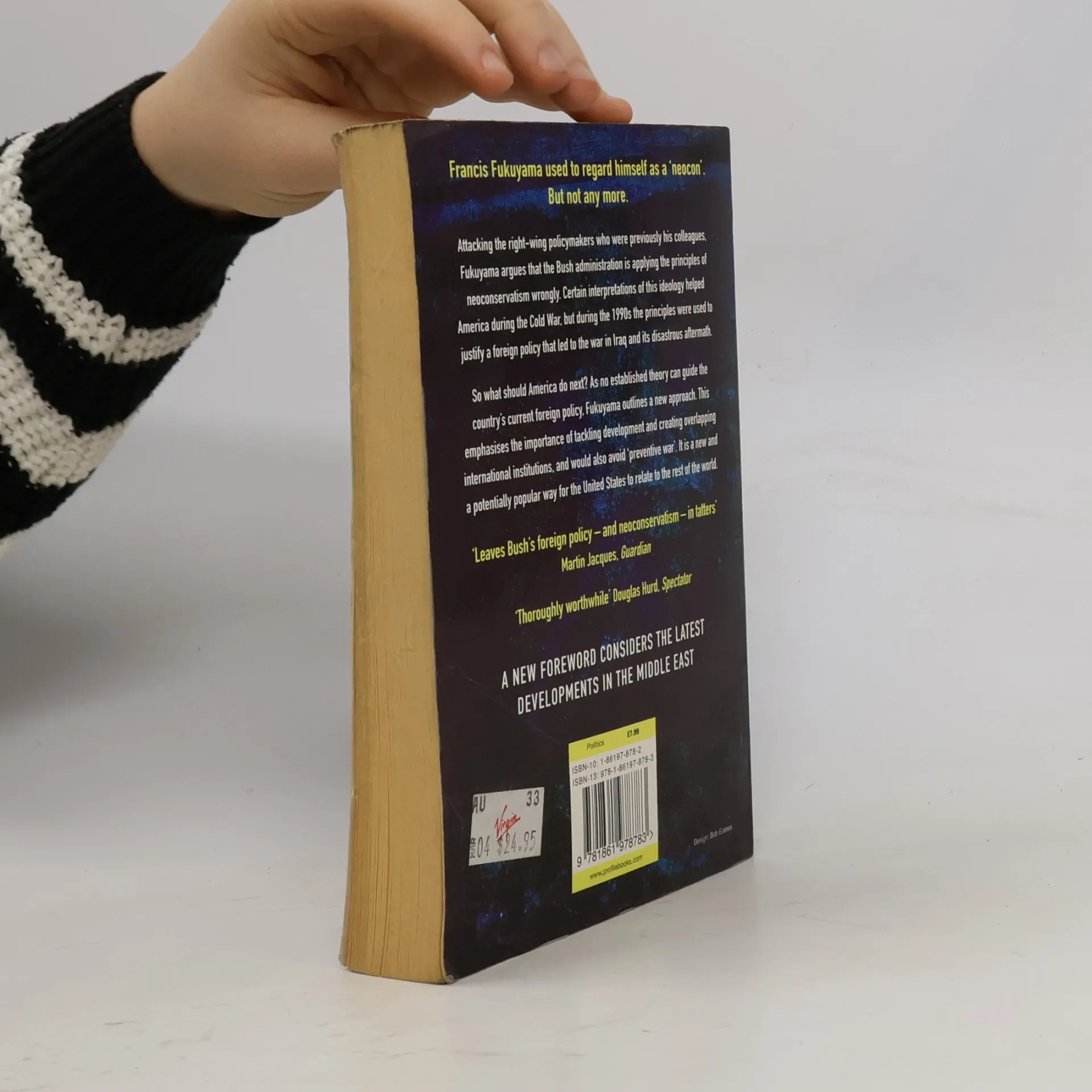
Francis Fukuyama used to regard himself as a 'neocon'. But, attacking the right-wing policymakers he had previously worked with, he argues here that the Bush administration, in the war in Iraq, has wrongly applied the principles of neoconservatism - a philosophy that is vital to the arguments about Iraq, but rarely explored, and whose history he carefully untangles. He explains why the US did not realize how much foreign hostility there would be towards the war, or how difficult reconstruction would be. Showing that there is no established tradition in international relations theory that can help guide American foreign policy today, he then outlines a new approach, in his usual clear and penetrating style.
Compra de libros
After the Neocons, Francis Fukuyama
- Idioma

- Publicado en
- 2007
- Encuadernación
- (Tapa blanda),
- Estado del libro
- Bueno
- Precio
- 6,09 €
Métodos de pago
Nadie lo ha calificado todavía.
- Título
- After the Neocons
- Idioma
- Inglés
- Autores
- Francis Fukuyama
- Editorial
- Profile books LTD
- Publicado en
- 2007
- Formato
- Tapa blanda
- Páginas
- 240
- ISBN10
- 1861978782
- ISBN13
- 9781861978783
- Serie
- Categorías
- Etiquetas
- Tema histórico, Política, EE.UU., Literatura americana, Teorías Políticas, Relaciones Internacionales, Historia del siglo XX, Política exterior, Conservadurismo
- Descripción
- Francis Fukuyama used to regard himself as a 'neocon'. But, attacking the right-wing policymakers he had previously worked with, he argues here that the Bush administration, in the war in Iraq, has wrongly applied the principles of neoconservatism - a philosophy that is vital to the arguments about Iraq, but rarely explored, and whose history he carefully untangles. He explains why the US did not realize how much foreign hostility there would be towards the war, or how difficult reconstruction would be. Showing that there is no established tradition in international relations theory that can help guide American foreign policy today, he then outlines a new approach, in his usual clear and penetrating style.