

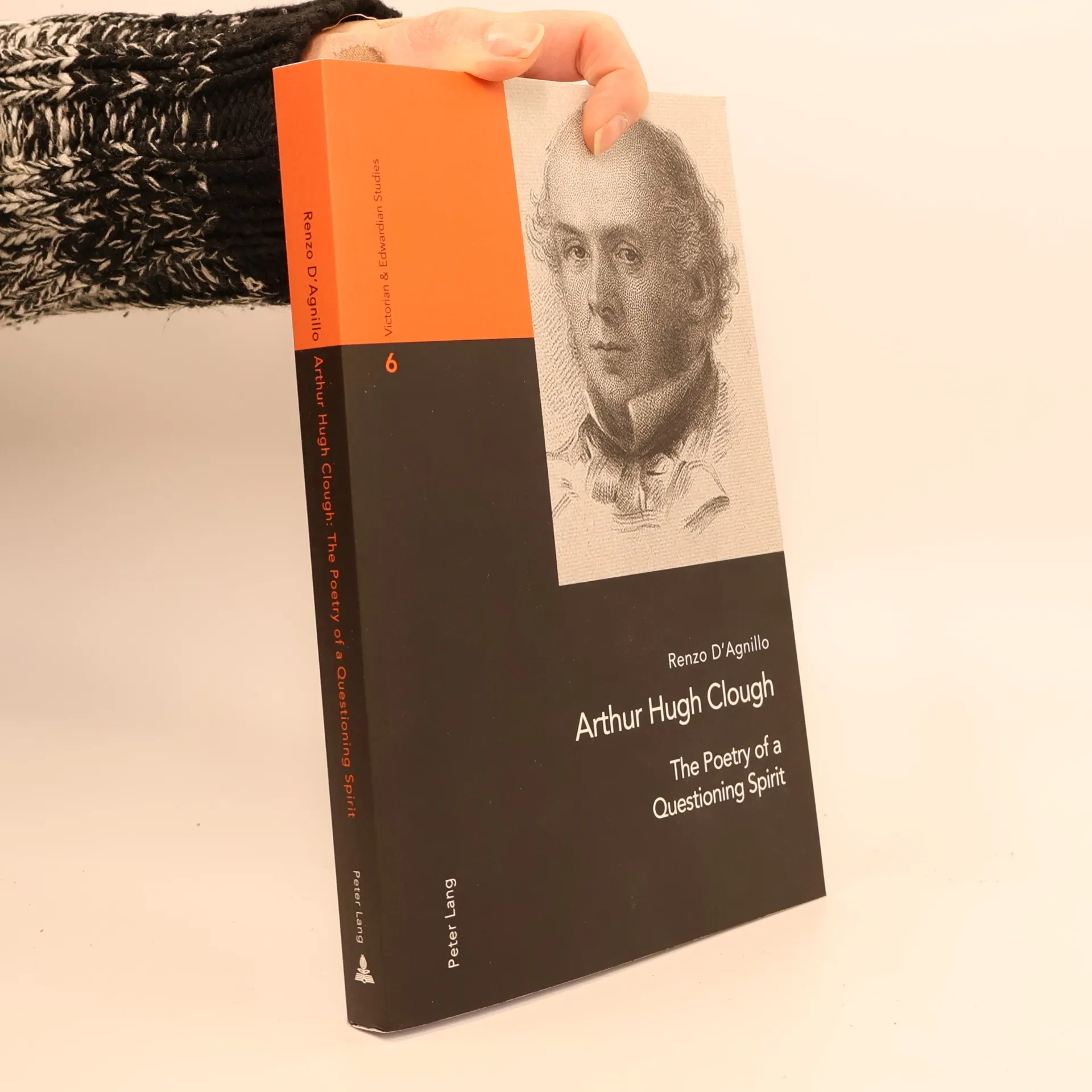
Victorian & Edwardian Studies - 6: Arthur Hugh Clough
The Poetry of a Questioning Spirit
Autores
Parámetros
- 301 páginas
- 11 horas de lectura
Más información sobre el libro
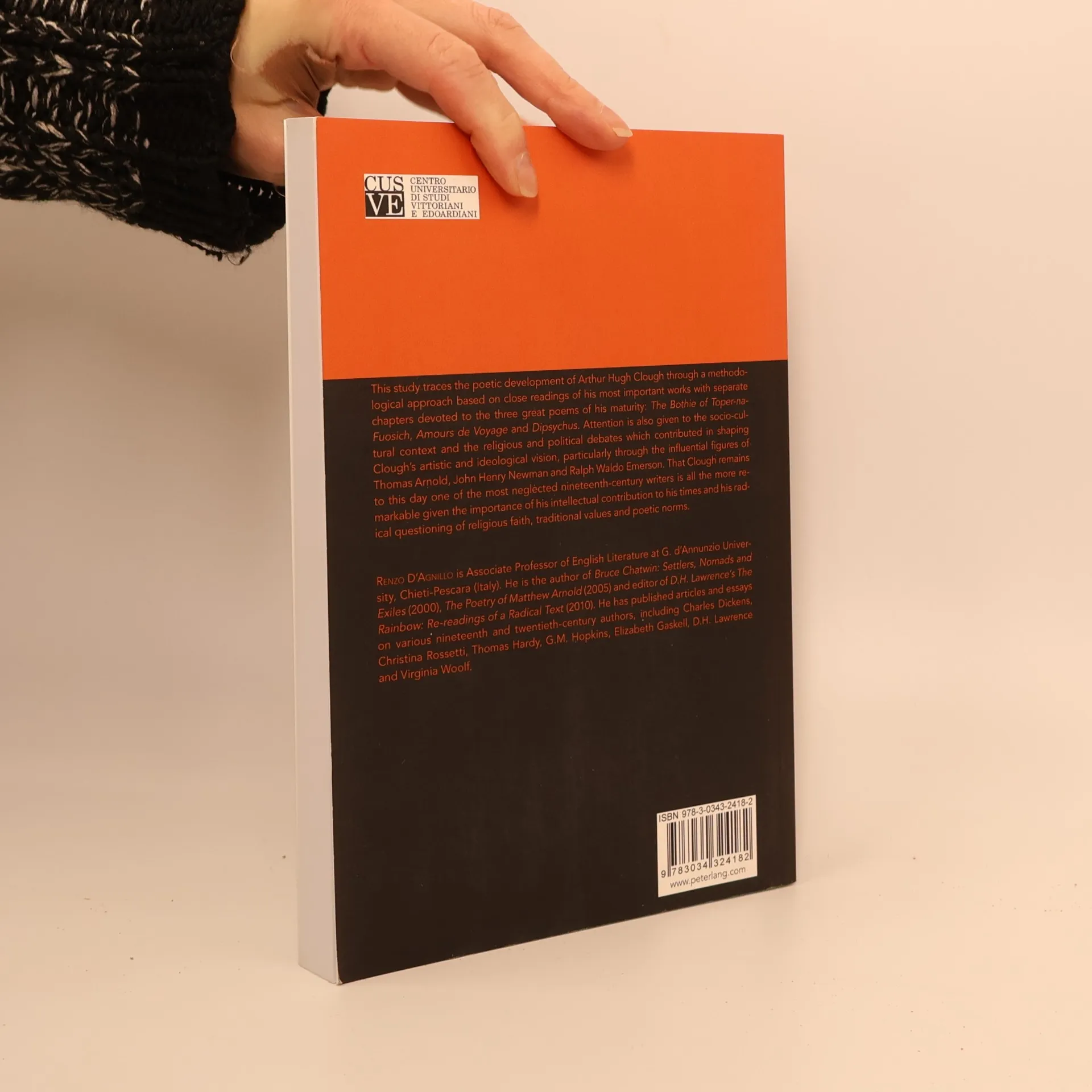
This study traces the poetic development of Arthur Hugh Clough through a methodological approach based on close readings of his most important works with separate chapters devoted to the three great poems of his maturity: The Bothie of Toper-na-Fuosich , Amours de Voyage and Dipsychus . Attention is also given to the socio-cultural context and the religious and political debates which contributed in shaping Clough’s artistic and ideological vision, particularly through the influential figures of Thomas Arnold, John Henry Newman and Ralph Waldo Emerson. That Clough remains to this day one of the most neglected nineteenth-century writers is all the more remarkable given the importance of his intellectual contribution to his times and his radical questioning of religious faith, traditional values and poetic norms.
Compra de libros
Victorian & Edwardian Studies - 6: Arthur Hugh Clough, Renzo D'Agnillo
- Idioma

- Publicado en
- 2017
- Encuadernación
- (Tapa blanda),
- Estado del libro
- Muy Bueno
- Precio
- 16,89 €
Métodos de pago
Nadie lo ha calificado todavía.
- Título
- Victorian & Edwardian Studies - 6: Arthur Hugh Clough
- Subtítulo
- The Poetry of a Questioning Spirit
- Idioma
- Inglés
- Autores
- Renzo D'Agnillo
- Editorial
- Peter Lang
- Publicado en
- 2017
- Formato
- Tapa blanda
- Páginas
- 301
- ISBN10
- 3034324189
- ISBN13
- 9783034324182
- Serie
- Etiquetas
- Siglo XIX, Gran Bretaña, Literatura inglesa, Crítica literaria, Lírica, Fantamas y apariciones, Suiza, Modernismo, Poetas y Poetisas, Rey Arturo
- Descripción
- This study traces the poetic development of Arthur Hugh Clough through a methodological approach based on close readings of his most important works with separate chapters devoted to the three great poems of his maturity: The Bothie of Toper-na-Fuosich , Amours de Voyage and Dipsychus . Attention is also given to the socio-cultural context and the religious and political debates which contributed in shaping Clough’s artistic and ideological vision, particularly through the influential figures of Thomas Arnold, John Henry Newman and Ralph Waldo Emerson. That Clough remains to this day one of the most neglected nineteenth-century writers is all the more remarkable given the importance of his intellectual contribution to his times and his radical questioning of religious faith, traditional values and poetic norms.