

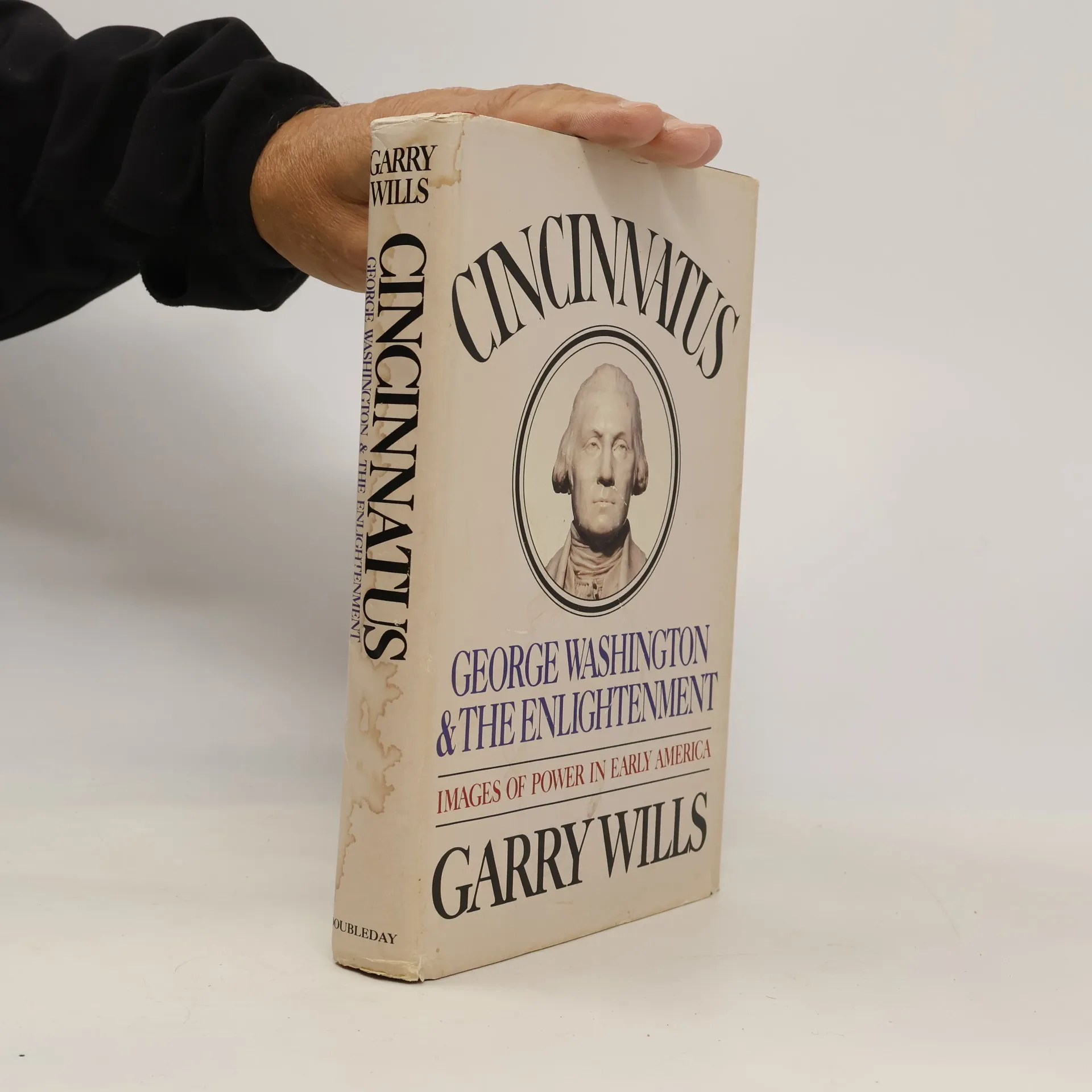


Cincinnatus
George Washington and the Enlightenment
Autores
Más información sobre el libro
"Gary Wills has made George Washington interesting again. By investigating the interest Washington's contemporaries had in him, and by playing that interest off against some of the perennial problems of political morality and the uses of power, Wills gives us a fresh perspective on our first President. [He] shows how Washington solved the problem of charismatic leadership by embodying the eighteenth-century Enlightenment the creation of a revived classical republic. People responded to such leadership in verse, sermons, songs, paintings, and sculpture. This book differs from other historical studies of political power by its use of evidence from a wide range of sources. In Wills's hands art history becomes a new kind of political science. [He] finds forgotten messages in Parson Weems's account of Washington; he traces the use of classical images to such unsuspected places as the carving of American eagles and the disposition of Washington's hands in Greenough's notorious statue of the first President. The great actions of Washington are seen afresh, as in a restored the surrender of his military commission, his Farewell Address, and his indispensable role in the ratification of the Constitution of the United States." From front and back flaps.
Compra de libros
Cincinnatus, Garry Wills
- Idioma

- Publicado en
- 1984
- Encuadernación
- (Tapa dura),
- Estado del libro
- Dañado
- Precio
- 15,49 €
Métodos de pago
Nadie lo ha calificado todavía.
- Título
- Cincinnatus
- Subtítulo
- George Washington and the Enlightenment
- Idioma
- Inglés
- Autores
- Garry Wills
- Editorial
- Doubleday
- Publicado en
- 1984
- Formato
- Tapa dura
- Páginas
- 272
- ISBN10
- 0385175620
- ISBN13
- 9780385175623
- Serie
- Etiquetas
- Tema histórico, Política, EE.UU., Historia de EE. UU., Ilustración, Héroes, Vida Intelectual
- Descripción
- "Gary Wills has made George Washington interesting again. By investigating the interest Washington's contemporaries had in him, and by playing that interest off against some of the perennial problems of political morality and the uses of power, Wills gives us a fresh perspective on our first President. [He] shows how Washington solved the problem of charismatic leadership by embodying the eighteenth-century Enlightenment the creation of a revived classical republic. People responded to such leadership in verse, sermons, songs, paintings, and sculpture. This book differs from other historical studies of political power by its use of evidence from a wide range of sources. In Wills's hands art history becomes a new kind of political science. [He] finds forgotten messages in Parson Weems's account of Washington; he traces the use of classical images to such unsuspected places as the carving of American eagles and the disposition of Washington's hands in Greenough's notorious statue of the first President. The great actions of Washington are seen afresh, as in a restored the surrender of his military commission, his Farewell Address, and his indispensable role in the ratification of the Constitution of the United States." From front and back flaps.