

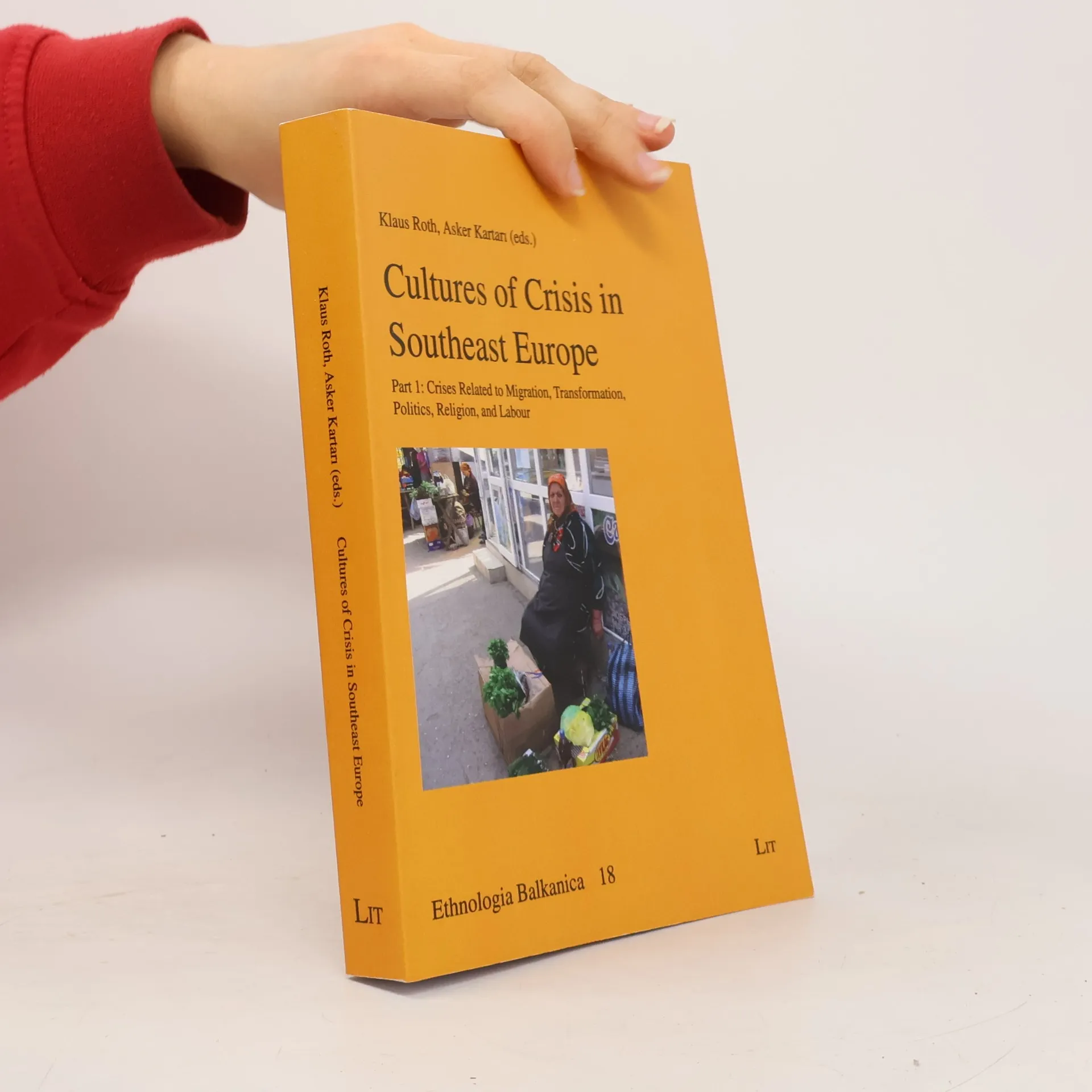


Ethnologia Balkanica - 18: Cultures of Crisis in Southeast Europe
Part 1: Crises Related to Migration, Transformation, Politics, Religion, and Labour
Autores
Parámetros
- 410 páginas
- 15 horas de lectura
Más información sobre el libro
Southeast Europe's history of the last two centuries is marked by deep transformations and the emergence and disappearance of states; ethnic conflicts and wars; changes of political systems; economic crises; migration movements; and natural disasters. Most of these upheavals have been experienced as deep crises forcing people to adapt to often radically new situations. This can cause crisis management to become a permanent way of life. The book focuses on the cultures of crisis. It analyzes the reactions of societies or individuals to them, their impact on everyday life, on peoples' strategies of coping, on the processes of adaptation, and on peoples' attitudes. Focus is placed on crises relating to migration and post-socialist transformation, to politics and religion, and to labour relations. ( Ethnologia Balkanica, Vol. 18) [ Sociology, Southeast European Studies, Politics]Ã?Â?Ã?Â?
Compra de libros
Ethnologia Balkanica - 18: Cultures of Crisis in Southeast Europe, Klaus Roth, Asker Kartari
- Idioma
- Publicado en
- 2016
- Encuadernación
- (Tapa blanda),
- Estado del libro
- Muy Bueno
- Precio
- 13,39 €
Métodos de pago
Nadie lo ha calificado todavía.
- Título
- Ethnologia Balkanica - 18: Cultures of Crisis in Southeast Europe
- Subtítulo
- Part 1: Crises Related to Migration, Transformation, Politics, Religion, and Labour
- Autores
- Klaus Roth, Asker Kartari
- Editorial
- LIT Verlag
- Publicado en
- 2016
- Formato
- Tapa blanda
- Páginas
- 410
- ISBN10
- 364390763X
- ISBN13
- 9783643907639
- Serie
- Categorías
- Etiquetas
- Tema histórico, Política, Teorías Políticas, Europa Occidental, Cultura popular, Cambio Social
- Descripción
- Southeast Europe's history of the last two centuries is marked by deep transformations and the emergence and disappearance of states; ethnic conflicts and wars; changes of political systems; economic crises; migration movements; and natural disasters. Most of these upheavals have been experienced as deep crises forcing people to adapt to often radically new situations. This can cause crisis management to become a permanent way of life. The book focuses on the cultures of crisis. It analyzes the reactions of societies or individuals to them, their impact on everyday life, on peoples' strategies of coping, on the processes of adaptation, and on peoples' attitudes. Focus is placed on crises relating to migration and post-socialist transformation, to politics and religion, and to labour relations. ( Ethnologia Balkanica, Vol. 18) [ Sociology, Southeast European Studies, Politics]Ã?Â?Ã?Â?