

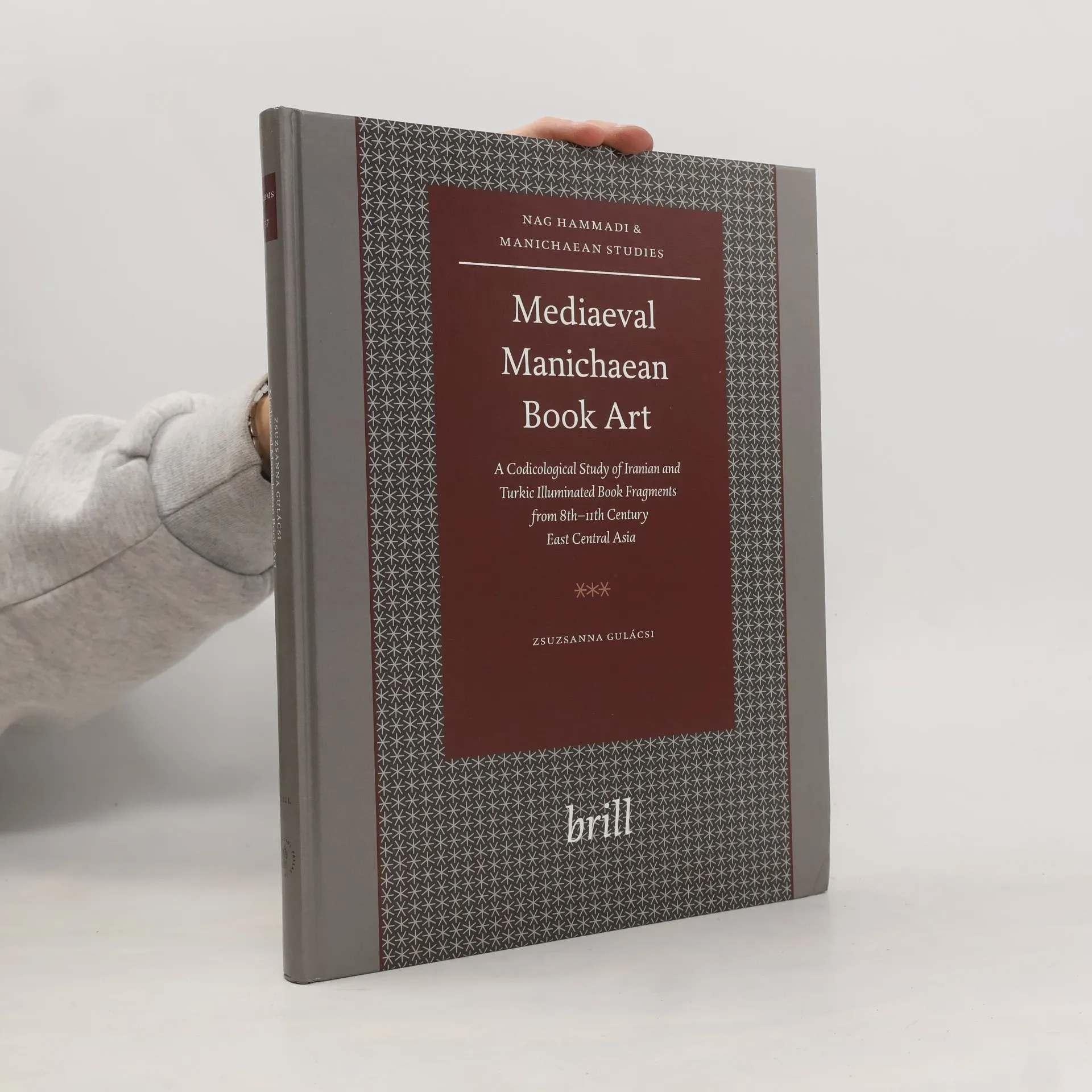
Nag Hammadi & Manichaean Studies: Mediaeval Manichaean Book Art
A Codicological Study of Iranian and Turkic Illuminated Book Fragments from 8th-11th Century East Central Asia
Autores
Más información sobre el libro
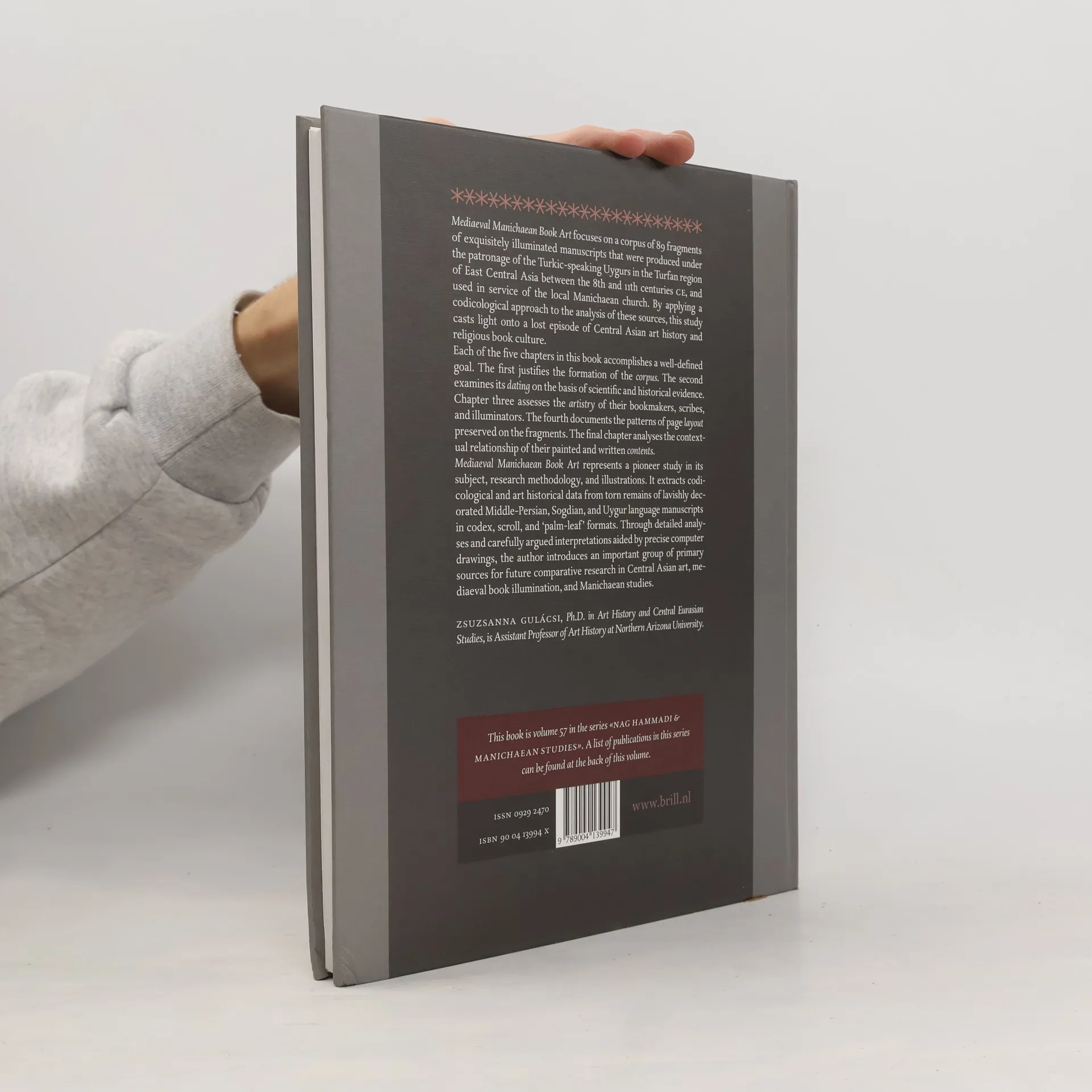
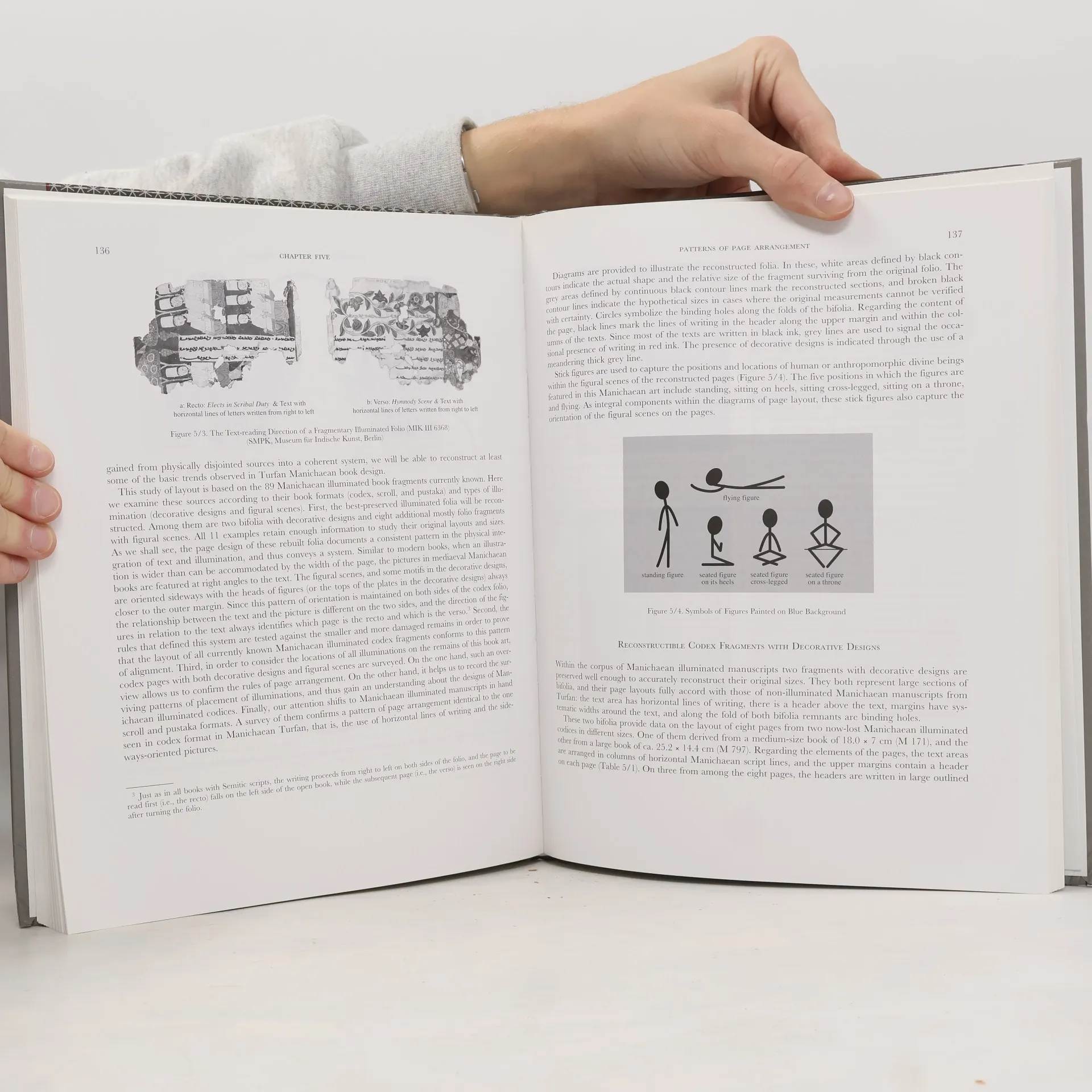
This study focuses on approximately one hundred illuminated manuscript fragments produced by the Turkic-speaking Uygurs in the Turfan region of East Central Asia between the 8th and 11th centuries CE, specifically for the local Manichaean church. By employing a codicological approach, it sheds light on a previously overlooked chapter of Central Asian art history and religious book culture. Each of the five chapters has a distinct purpose: the first establishes the corpus's formation, while the second investigates its dating through scientific and historical evidence. The third chapter evaluates the craftsmanship of the bookmakers, scribes, and illuminators, and the fourth documents the patterns of page layout found on the fragments. The final chapter explores the relationship between the painted and written content. This work is groundbreaking in its subject matter, methodology, and illustrations, extracting valuable codicological and art historical insights from the remnants of lavishly decorated manuscripts in Middle-Persian, Sogdian, and Uygur languages across various formats. Through detailed analyses and well-supported interpretations, the author presents a significant collection of primary sources for future research in Central Asian art, medieval book illumination, and Manichaean studies.
Compra de libros
Nag Hammadi & Manichaean Studies: Mediaeval Manichaean Book Art, Zsuzsanna Gulácsi
- Idioma

- Publicado en
- 2005
- Encuadernación
- (Tapa dura),
- Estado del libro
- Dañado
- Precio
- 116,99 €
Métodos de pago
Nadie lo ha calificado todavía.
- Título
- Nag Hammadi & Manichaean Studies: Mediaeval Manichaean Book Art
- Subtítulo
- A Codicological Study of Iranian and Turkic Illuminated Book Fragments from 8th-11th Century East Central Asia
- Idioma
- Inglés
- Autores
- Zsuzsanna Gulácsi
- Editorial
- Brill
- Publicado en
- 2005
- Formato
- Tapa dura
- Páginas
- 252
- ISBN10
- 900413994X
- ISBN13
- 9789004139947
- Serie
- Categorías
- Descripción
- This study focuses on approximately one hundred illuminated manuscript fragments produced by the Turkic-speaking Uygurs in the Turfan region of East Central Asia between the 8th and 11th centuries CE, specifically for the local Manichaean church. By employing a codicological approach, it sheds light on a previously overlooked chapter of Central Asian art history and religious book culture. Each of the five chapters has a distinct purpose: the first establishes the corpus's formation, while the second investigates its dating through scientific and historical evidence. The third chapter evaluates the craftsmanship of the bookmakers, scribes, and illuminators, and the fourth documents the patterns of page layout found on the fragments. The final chapter explores the relationship between the painted and written content. This work is groundbreaking in its subject matter, methodology, and illustrations, extracting valuable codicological and art historical insights from the remnants of lavishly decorated manuscripts in Middle-Persian, Sogdian, and Uygur languages across various formats. Through detailed analyses and well-supported interpretations, the author presents a significant collection of primary sources for future research in Central Asian art, medieval book illumination, and Manichaean studies.