

The book explores the unexpected outbreak of war in Europe in 1914, contrasting the peaceful summer that preceded it with the ensuing chaos. It delves into the complex causes of World War I, examining various historical interpretations, from the assassination of Archduke Franz Ferdinand to theories suggesting the conflict was inevitable. This analysis invites readers to reconsider the factors that led to one of history's most significant events.
David Fromkin Orden de los libros (cronológico)
David Fromkin fue un distinguido autor e historiador cuya obra profundizó en la intrincada historia del Medio Oriente. En su trabajo más notable, exploró el profundo impacto de las potencias europeas en la configuración del Medio Oriente moderno durante la tumultuosa era posterior a la Primera Guerra Mundial. Su escritura se caracteriza por una profunda perspicacia histórica y un enfoque analítico de las relaciones internacionales y los contextos legales. La erudición de Fromkin iluminó momentos cruciales de la historia que influyeron fundamentalmente en el orden global contemporáneo.


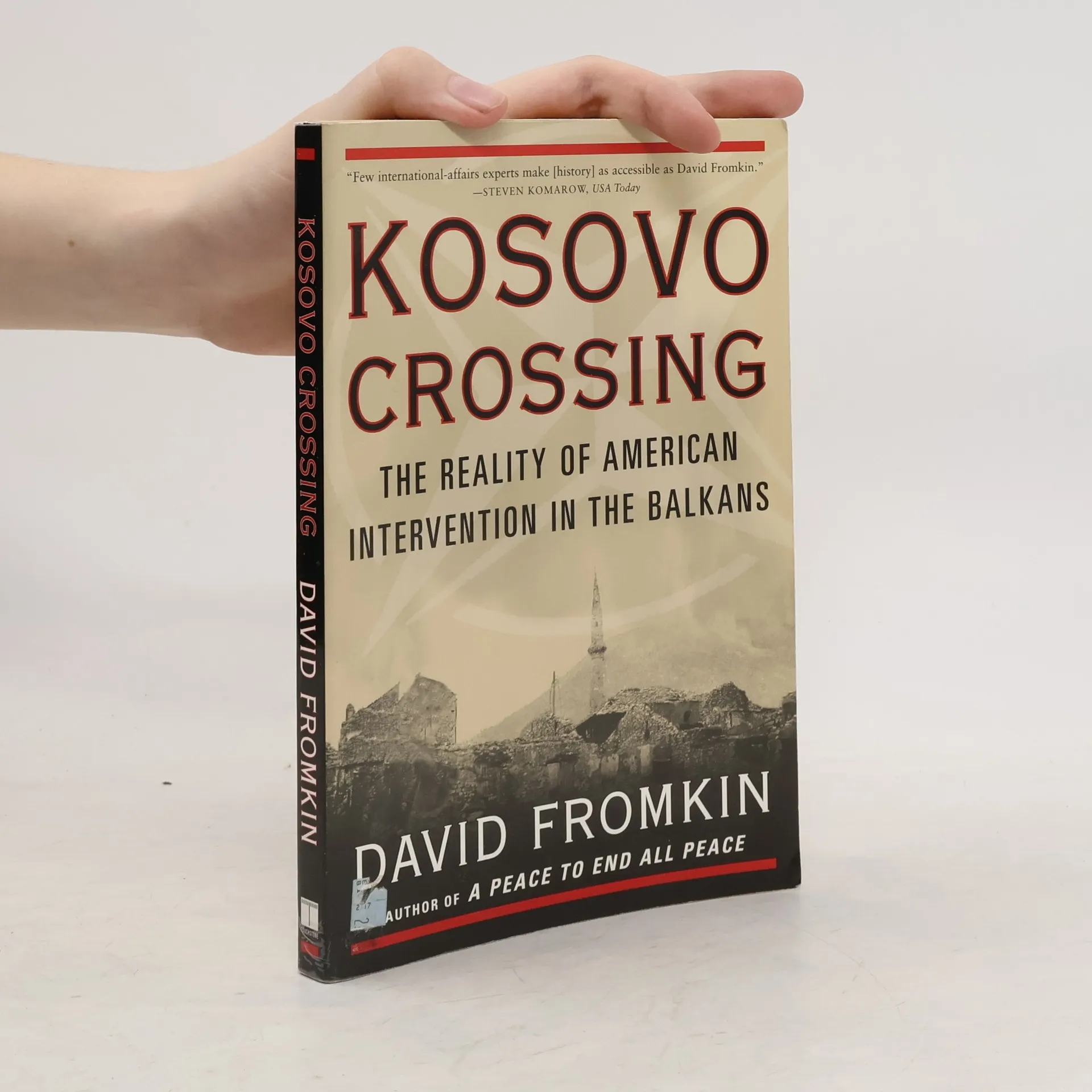
In Kosovo Crossing, bestselling historian David Fromkin examines the clash between American ideals and Balkan realities on the battlefields of Kosovo. Leading NATO into the first war of its fifty-year existence, America sought to carve out a new role both for the alliance and for itself by establishing a world order. Yet like the other crises of the late twentieth century -- in Iraq, Bosnia, Somalia, Haiti, and Rwanda -- this war, in a land long plagued by deadly conflict, revealed the limits of America's power to reshape the world. Brilliantly weaving military, political, and historical analysis, Fromkin forges a new understanding of the paths that American leaders must explore to advance American values abroad.
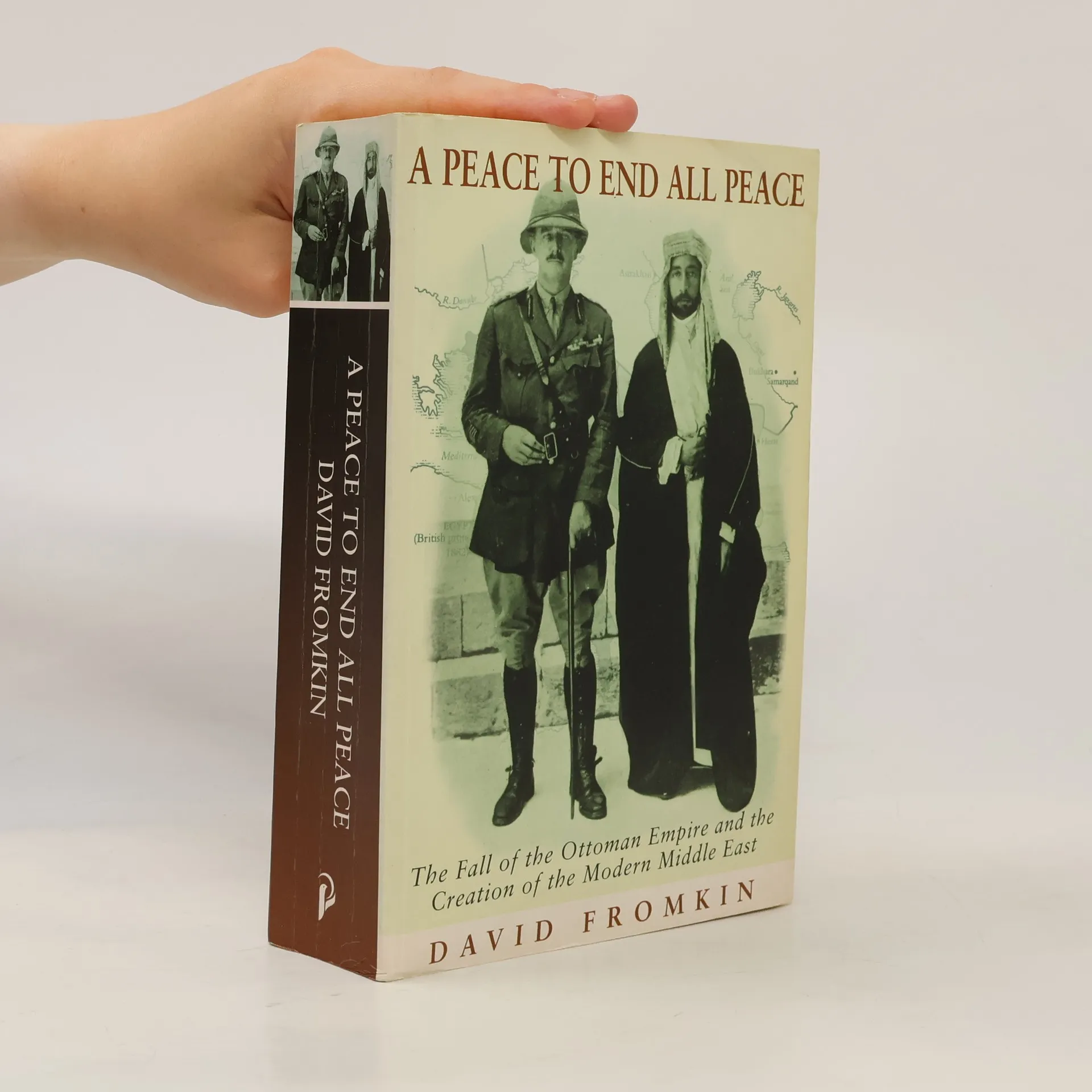
A Peace to End All Peace
The Fall of the Ottoman Empire and the Creation of the Modern Middle East
- 640 páginas
- 23 horas de lectura
Peopled with larger-than-life figures such as Winston Churchill (around whom the story is structured), General Kitchener and T.E. Lawrence, Gertrude Bell, Attaturk, Emir Feisal and Lloyd George the book describes the showdown with the Ottoman Empire which erupted into the devastating Eastern campaign of World War I and led to the formation - by bureaucracy and subterfuge by Americans and Europeans - of the states known collectively as the Middle East. The years 1914-1922 were the creative, formative years when everything seemed possible, but the events of 1922, the pivotal year, set the course for a future of endless wars and acts of terrorism that became the legacy of this period. Issues such as The Allenby Declaration establishing nominal independence for Egypt, the Palestine Mandate and the Churchill White Paper (from which Israel and Jordan sprang), the installing of Hashemite leaders of predominantly Shi'ite teritories, new leaders for Egypt and Iraq, the Russian declaration of a Soviet Union intent on re-establishing her rule over Moslem Central Asia - David Fromkin shows how all these changed the Middle East (and Europe) forever.