Bookbot

Richard Tapper

    Richard Tapper, profesor emérito de la School of Oriental and African Studies, es un antropólogo social cuya investigación etnográfica ha abarcado Irán, Afganistán y Turquía. Su trabajo examina críticamente el nomadismo pastoral, las complejas relaciones entre las minorías étnicas y el estado, y las dimensiones antropológicas del Islam. La erudición de Tapper también profundiza en la antropología de la alimentación, el cine iraní y las complejidades de la política religiosa en Irán, ofreciendo una comprensión multifacética de las regiones que estudia.

    UICN, Droit et politique de l'environnement - 46: Guide explicatif du Protocole de Cartagena sur la prévention des risques biotechnologiques
    A Taste of Thyme
    The Essential Kitchen: Tapas
    • The Essential Kitchen: Tapas

      • 112 páginas
      • 4 horas de lectura

      In taverns from Madrid to Barcelona you'll find Spaniards passing the early evening hours drinking crisp dry sherry and snacking on a variety of snacks—or tapas. Everything from a simple plate of olives and chorizo sausage with a loaf of good bread to feasts that include Spanish omelets, shrimp with garlic and stuffed tomatoes. While this style of eating is wonderful for warm Mediterranean evenings, it is also perfect for entertaining and quick meals. Now, with this practical cookbook, you can make your own tapas at home, using Tapas' step-by-step instructions and photographs to show you how to make a variety of dishes. The recipes are easy to follow and are suitable for both beginners and experienced cooks. Filled with elegant photographs, this beautifully designed volume is a great addition to any cookbook collection. Recipes include: Chorizo and Olive Empanadas Spicy Shrimp Omelet Cheese Marinated in Tarragon and Garlic Lamb Brochettes with Rosemary Mussels Steamed in Spicy Tomato Sauce Stuffed Lobster Tails
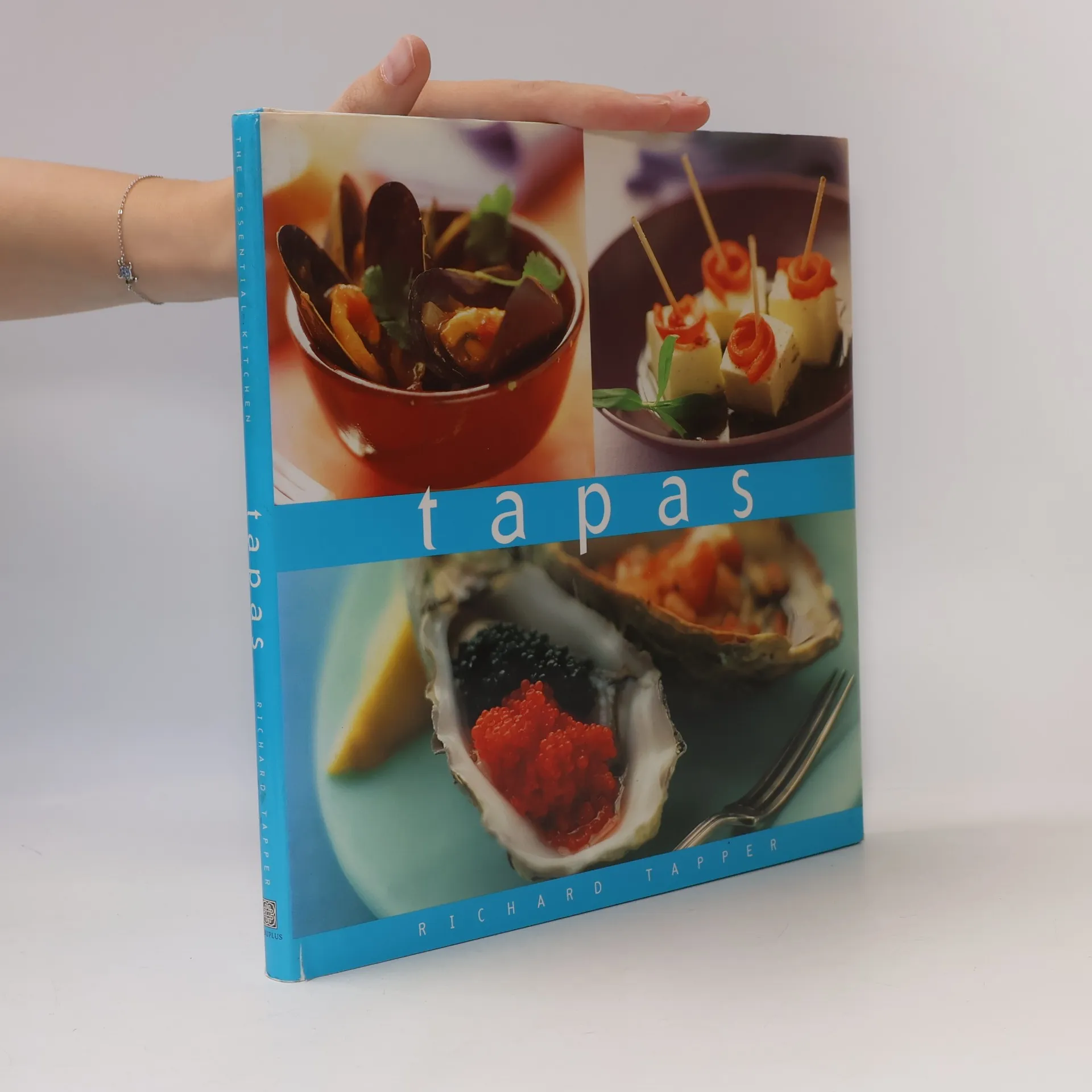
      The Essential Kitchen: Tapas
      3,0
    • A Taste of Thyme

      • 320 páginas
      • 12 horas de lectura

      This pioneering book considers the culinary cultures of the Middle East in a variety of contexts. The contributors discuss various aspects of historical and contemporary processes, including likely origins and diffusions on ingredients and dishes, changes in food production and eating habits, contemporary revivals of traditional cooking, literary representations of food and drink, and the class, gender, and communal dimensions to food. Written by scholars from different disciplines, it covers a wide geographical area, from Central Asia to Morocco.

      A Taste of Thyme
      3,9