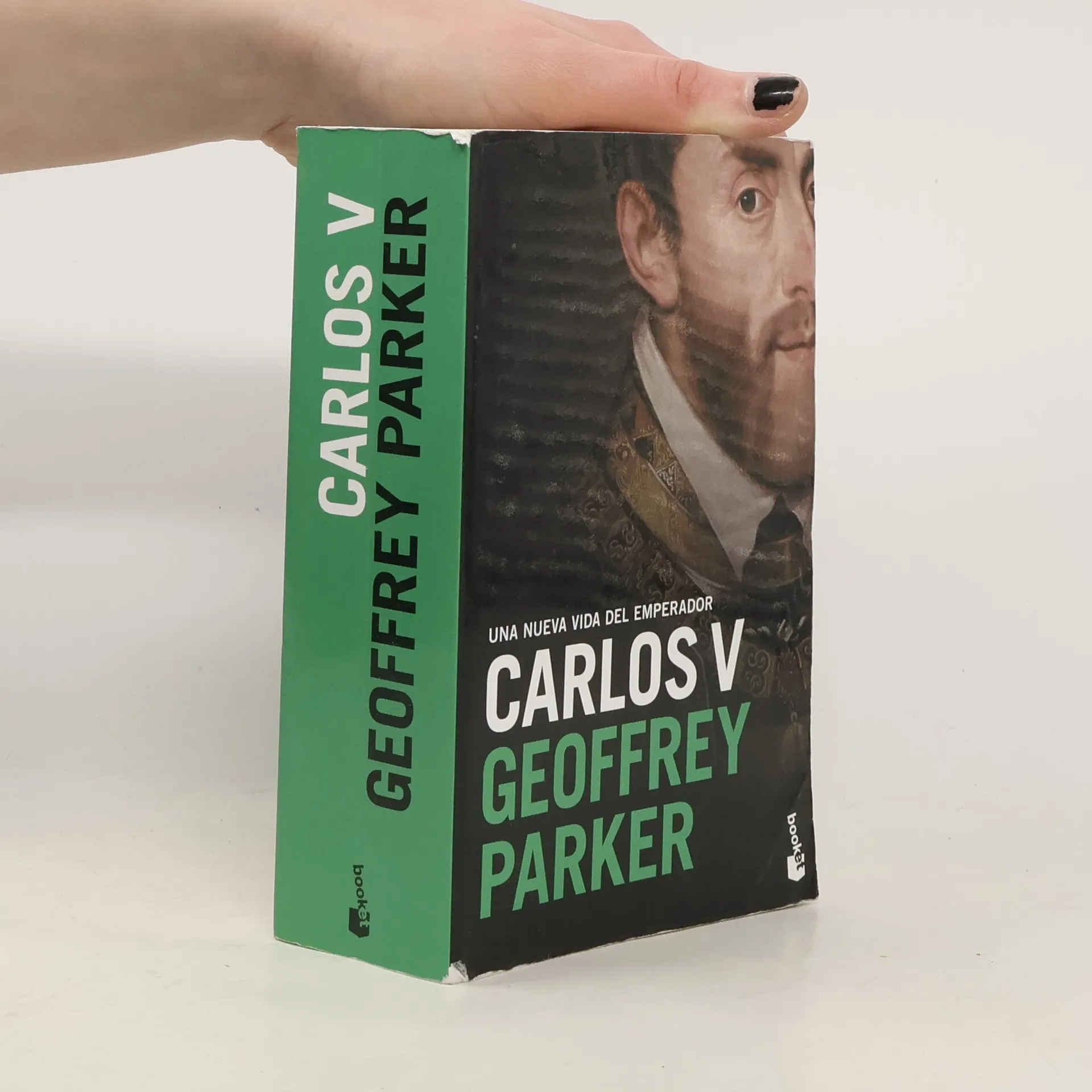
Tras el éxito de Felipe II, la biografía definitiva, publicado por Planeta en 2010, el prestigioso hispanista Geoffrey Parker acomete ahora la tarea de biografiar al rey Carlos I de España y V de Alemania, emperador del Sacro Imperio Romano. Una vez más, Parker pone su particular estilo narrativo al servicio de la historia para hacer que los personajes del pasado vivan en sus páginas y el lector pueda verlos deambular por los palacios, luchar en las batallas, cazar en los bosques y reinar sobre casi un tercio del mundo…
Geoffrey Parker Orden de los libros (cronológico)
25 de diciembre de 1943
Geoffrey Parker es un historiador preeminente cuyo trabajo ilumina los paisajes sociales, políticos y militares de la Europa de la temprana modernidad. Examina meticulosamente los cambios epocales en la guerra y la gobernanza, revelando su profundo impacto en la trayectoria de la civilización occidental y las dinámicas de poder globales. Los perspicaces análisis de Parker exploran la compleja interacción de conflicto, clima y catástrofe, ofreciendo a los lectores una comprensión sofisticada de las transformaciones históricas.


The Geopolitics of Domination
- 194 páginas
- 7 horas de lectura
Focusing on historical empires such as the Ottoman Empire and Spain, the book explores the key geopolitical traits of expansionist states. It introduces a model that outlines the dynamics of expansion over time and space. The analysis extends to the post-1945 era, evaluating whether the Soviet Union qualifies as an expansionist state, which gains renewed significance in light of current events in Ukraine. The discussion provides insights into the patterns and implications of geopolitical expansion.
The Persians
- 224 páginas
- 8 horas de lectura
During the first and second millennia BCE, nomadic peoples migrated from Central Asia into the Eurasian periphery, with one group settling in an arid region south of the Caspian Sea. From these humble beginnings, they established one of history's most powerful empires: the Persian Empire. The authors, Geoffrey and Brenda Parker, narrate the fascinating story of this ancient civilization and its lasting legacy. They explore the unique aspects of Persian life and its influence over the centuries, detailing the environmental challenges faced by early Persians and how they cultivated a distinctive culture that led to the formation of the Achaemenid Empire. This empire extended its reach into the maritime west, engaging in significant geopolitical conflicts with the Greeks for control of the eastern Mediterranean. The authors vividly depict Persian cities and their remarkable achievements, such as extensive road networks, an impressive irrigation system that transformed arid landscapes into fertile paradises, and a rich tapestry of diverse peoples. This insightful history showcases an incomparable culture whose impact is still evident today in modern Iran and the broader Middle East.
Platform Revolution
- 352 páginas
- 13 horas de lectura
An inside look at the transformative potential of the platform business model shares comprehensive explanations of how platforms use technology to match producers and consumers while unlocking hidden resources and creating new forms of value
El rey imprudente
- 800 páginas
- 28 horas de lectura
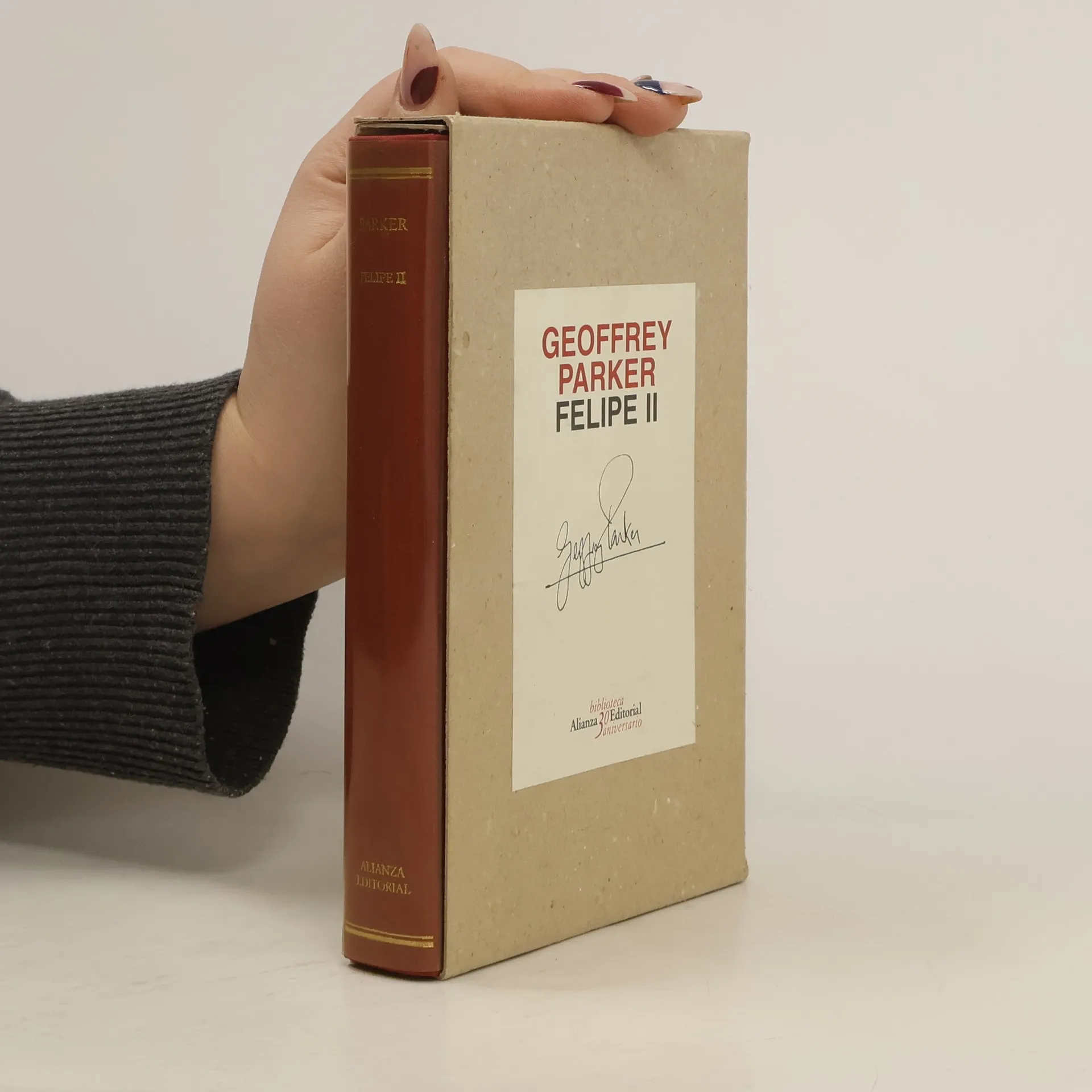
Felipe II fue el creador del Estado más avanzado de su tiempo, que culminó la formación del primer imperio global jamás conocido. Llegó a gobernar sobre la cuarta parte de la población mundial. En esta nueva edición –actualizada y revisada– de la biografía, que ya es, sin dudas, la mejor y más completa jamás escrita sobre el Rey Imprudente, Geoffrey Parker ha sabido aprovechar una vez más, con su habitual agudeza, el inmenso caudal de documentación que ha estado reuniendo desde hace sesenta años. Parker, tan interesado por la alta política como por la vida íntima, logra derribar definitivamente la imagen estereotipada que durante cuatro siglos han transmitido los detractores y apologistas del rey. Gracias a la consulta de los millares de cartas que el monarca escribió de su propia mano a lo largo de su vida, el autor nos introduce en los numerosos sucesos de los que Felipe II fue protagonista durante su largo reinado.
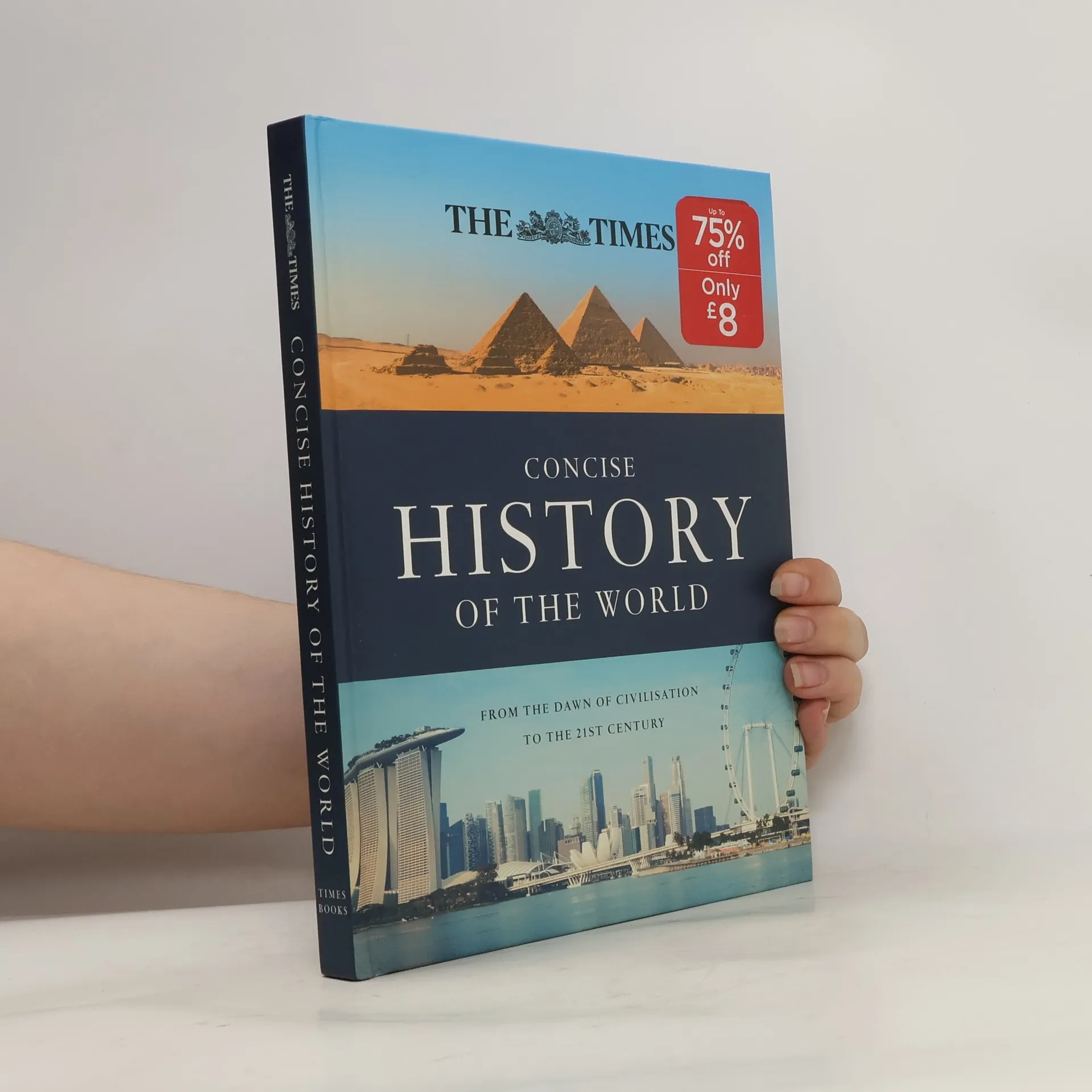
The fifth edition of the Times Concise History of the World is an authoritative overview of world history, presented in a readable compact format. The most accessible, concise and visual account of world history to date. Geoffrey Parker's revised text maintains the book's reputation for excellence, incorporates the latest research and seamlessly integrates expert historical narrative with over 350 maps, charts and photographs.
The publication of The Army of Flanders and the Spanish Road in 1972 marked the birth of the "new military history", which emphasized military organization--mobilization, pay, supply, morale and, above all, logistics--rather than military "events" such as sieges and battles. Constantly cited since its first publication in English (with translations into Spanish and Dutch), this revised updated second edition includes new sources and references but otherwise remains faithful to the original edition. First Edition Hb (1972): 0-521-08462-8 First Edition Pb (1975): 0-521-09907-2
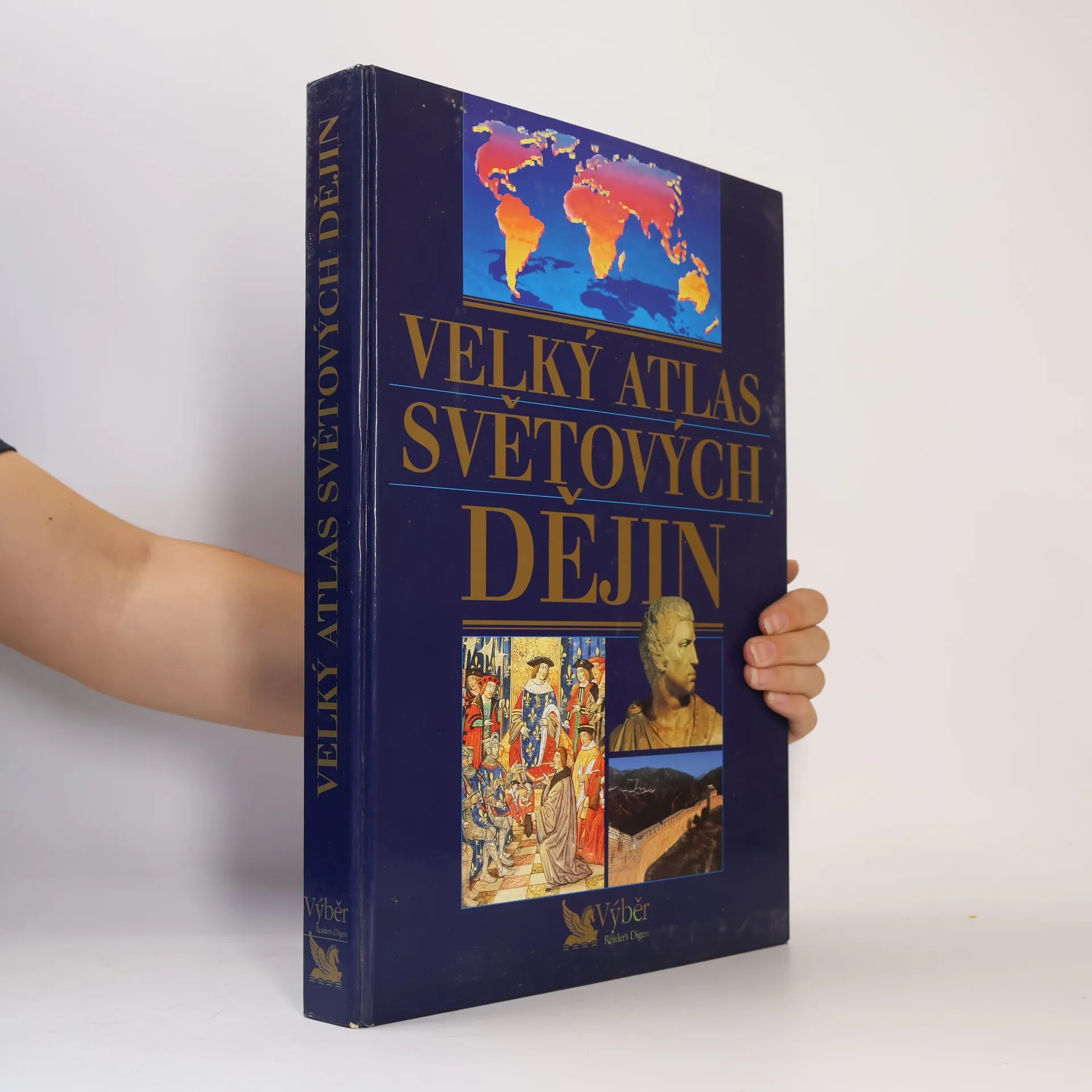
Velký atlas světových dějin
- 376 páginas
- 14 horas de lectura
Tento atlas Vám přiblíží celé dějiny světa. Na 540 obsažných mapách se před Vámi rozvine panoráma minulosti lidstva.
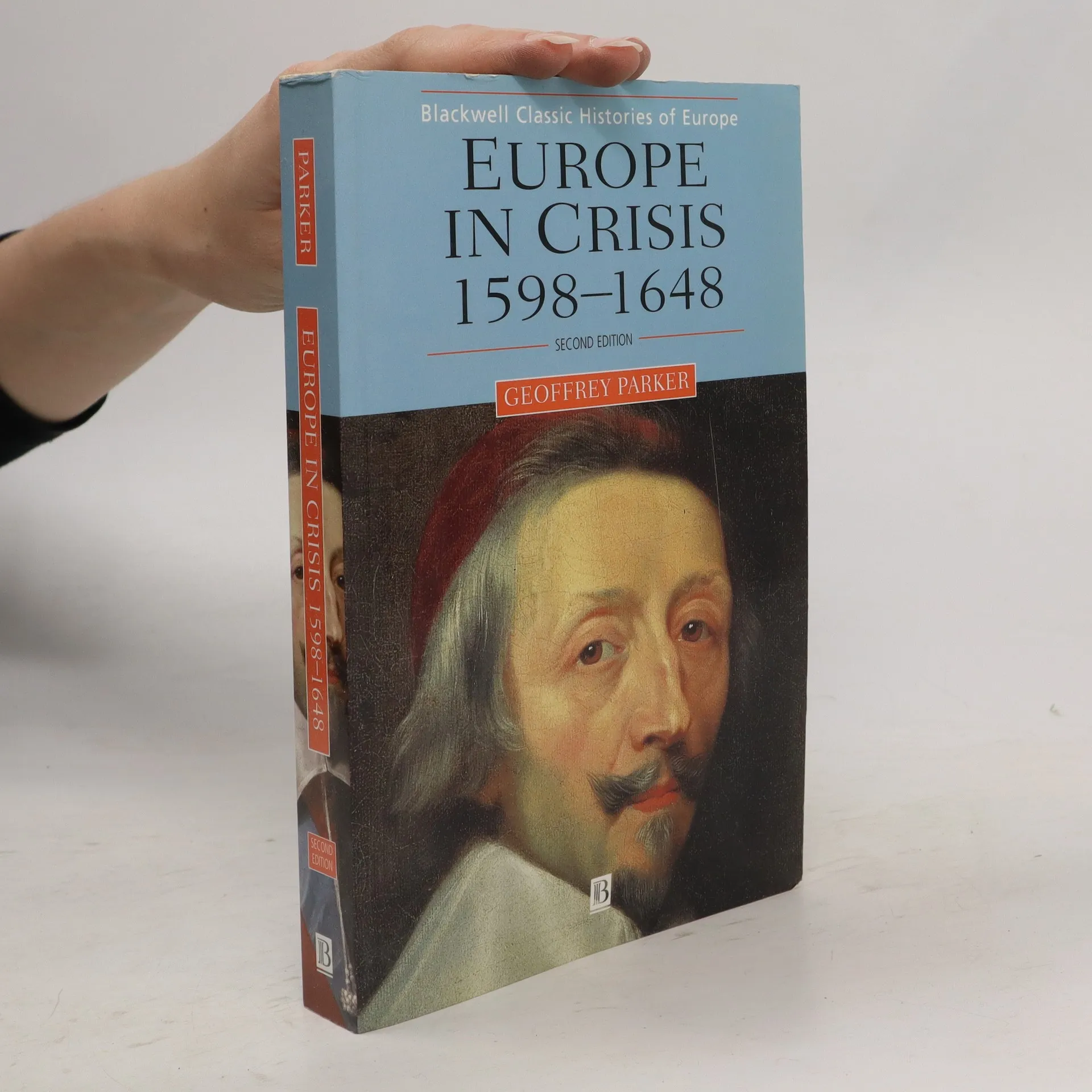
In the new edition of this classic book, Geoffrey Parker draws on material from all over Europe to provide an authoritative and exciting account of the eventful first half of the seventeenth century.
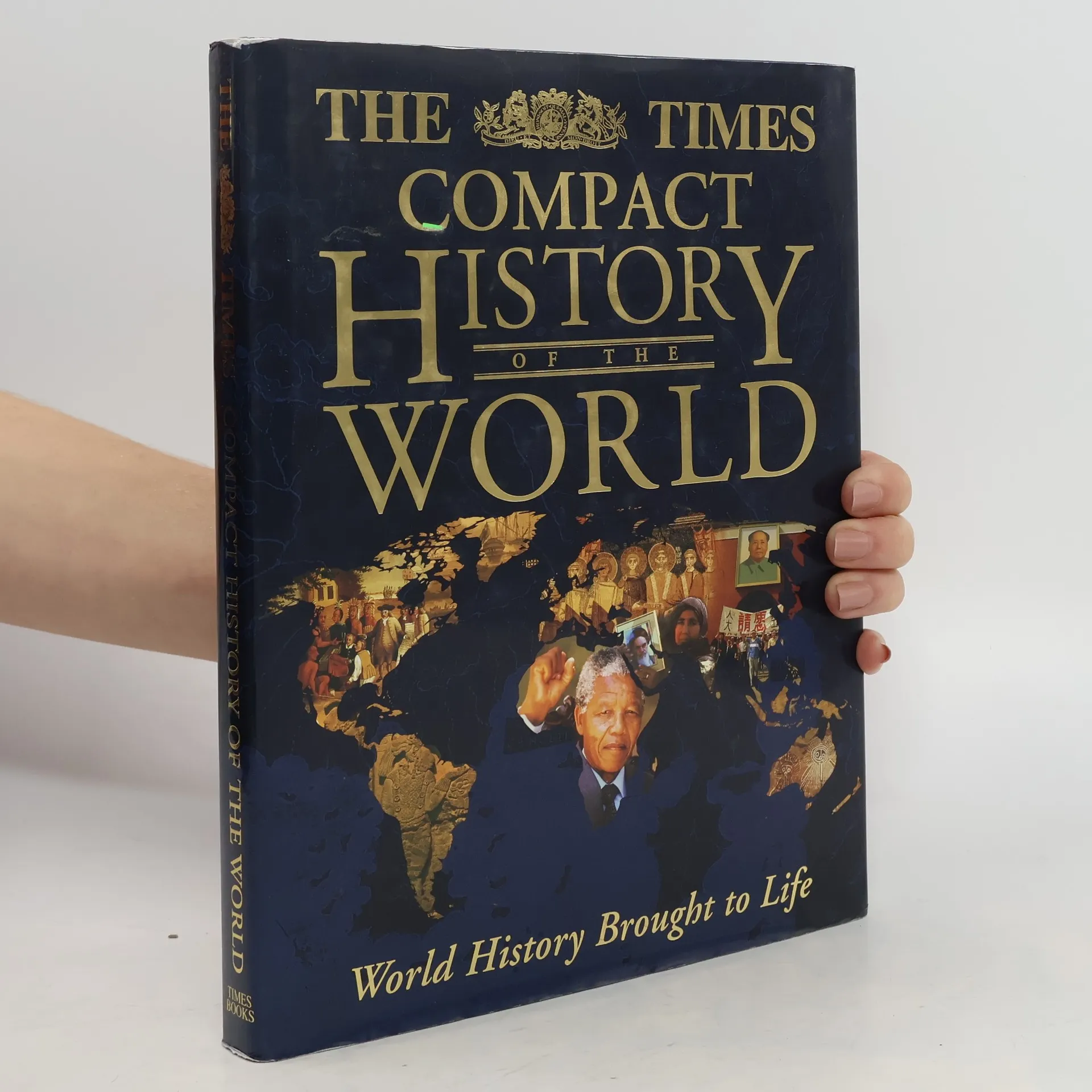
The Times Compact History of the World
- 192 páginas
- 7 horas de lectura
Now in its 3rd edition, this book is a comprehensive small-format single-volume historical atlas. The new edition sees a larger page-format and the inclusion of photographs for the first time to accompany the more than 140 maps. From the emergence of the first modern humans to the Kosovo crisis and the challenges of a new millennium, "The Times Compact History of the World" covers the whole spectrum of human development through an integrated approach of concise yet accessible text, informative mapping, and illustrations.
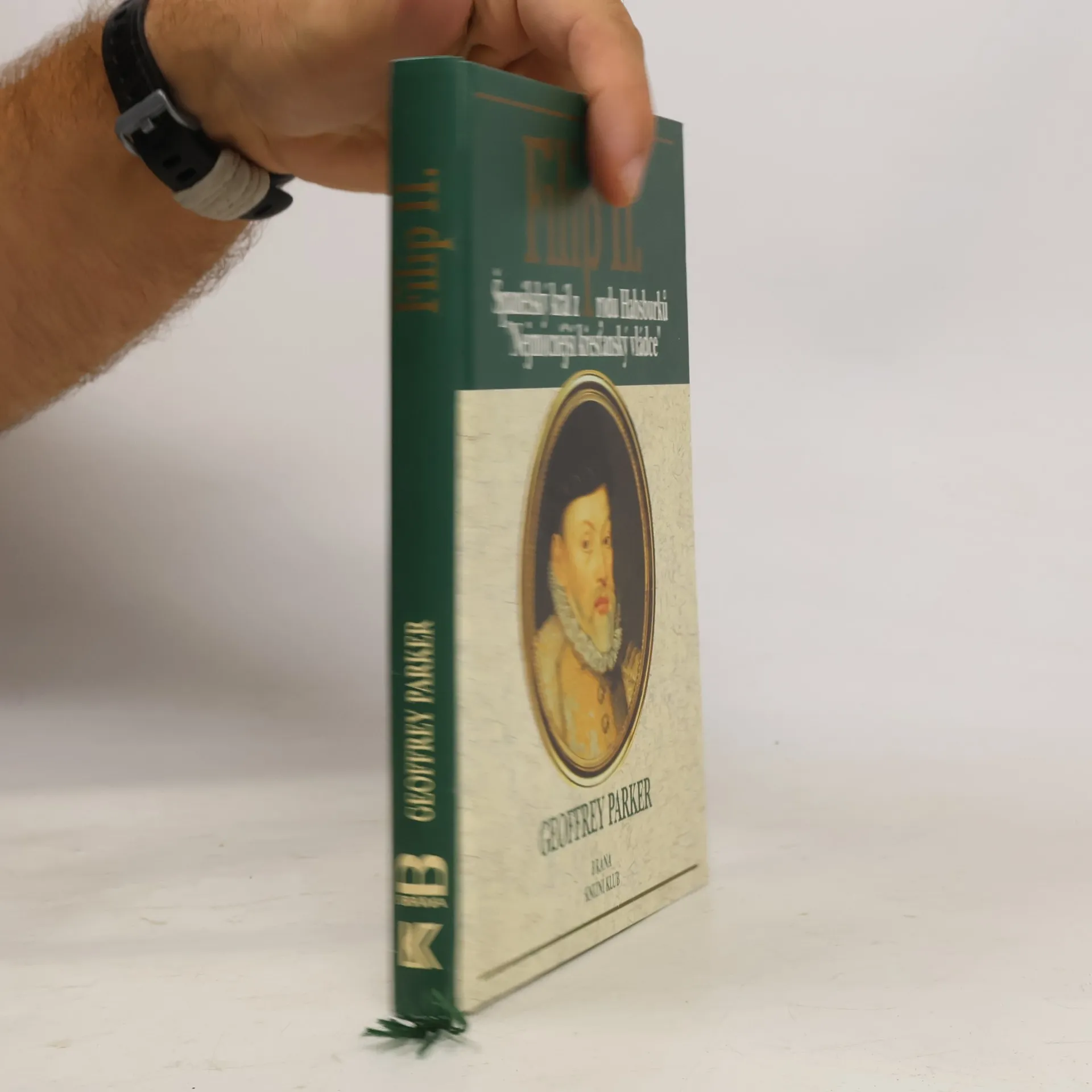
Filip II. Španělský král z rodu Habsburků, nejmocnější křesťanský vládce.
- 227 páginas
- 8 horas de lectura
Životopis španělského panovníka Filipa II. (1527-1598). K pozoruhodnému pohledu na Filipa II. využívá autor dosud nezpracované panovníkovy osobní dokumenty a vykresluje intimní portrét člověka, který sehrál významnou úlohu v utváření moderního světa. Líčí královu posedlost katolickým náboženstvím, jeho nesmiřitelnost k jiným vyznáním, tragédie v soukromém životě, záliby, umělecké a sběratelské zájmy, ale také způsob vládnutí a politická a vojenská rozhodnutí muže, za jehož vlády se Španělsko stalo pánem velké části Nového světa.
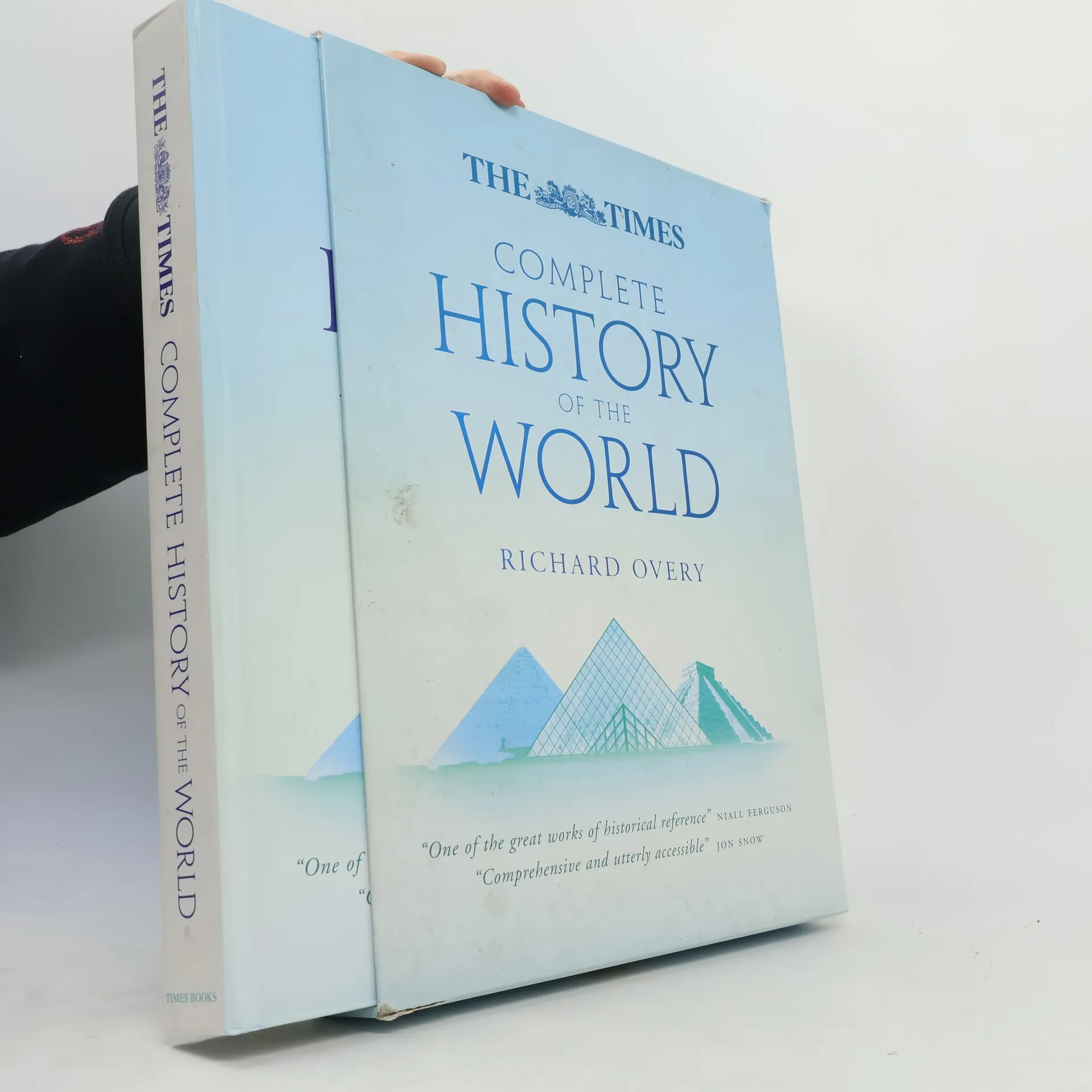
The Times Complete History of the World
- 416 páginas
- 15 horas de lectura
One of the great works of historical reference - Niall Ferguson. Comprehensive and utterly accessible - Jon Snow.
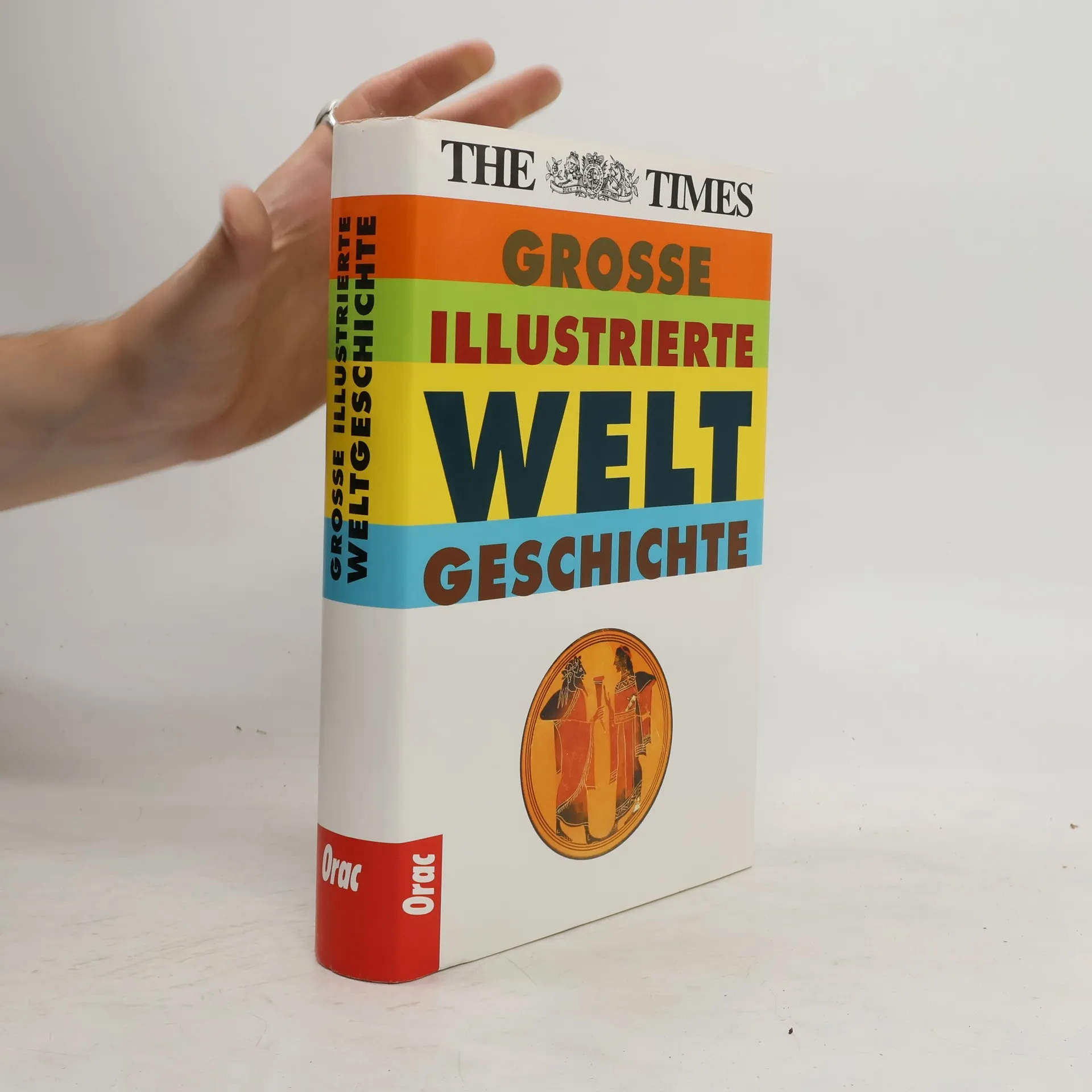
Die TIMES, eine der renomiertesten Zeitungen der Welt, hat sich der Herausforderung gestellt, einevöllig neu gestaltete Weltgeschichte herauszugeben. Zusammenhänge herstellen, Entwicklungennachvollziehen, komplexe Strukturen durchleuchten: Das ist das Konzept von THE TIMES große illustrierte Weltgeschichte. Das aktuelle Tagesgeschehen, gespiegelt und kommentiert in den Zeitungen und im Fernsehen, läßt sich nur verstehen, wenn wir es in den historischen Kontext einordnen und erkennen, wo in der Vergangenheit die Wurzeln zu unserer Gegenwart liegen. Lebendig und klar erzählt, wissenschaftlich fundiert, mit Hunderten von Bildern und karten, macht diese kompakte, präzise Darstellung Geschichte zum Erlebnis.
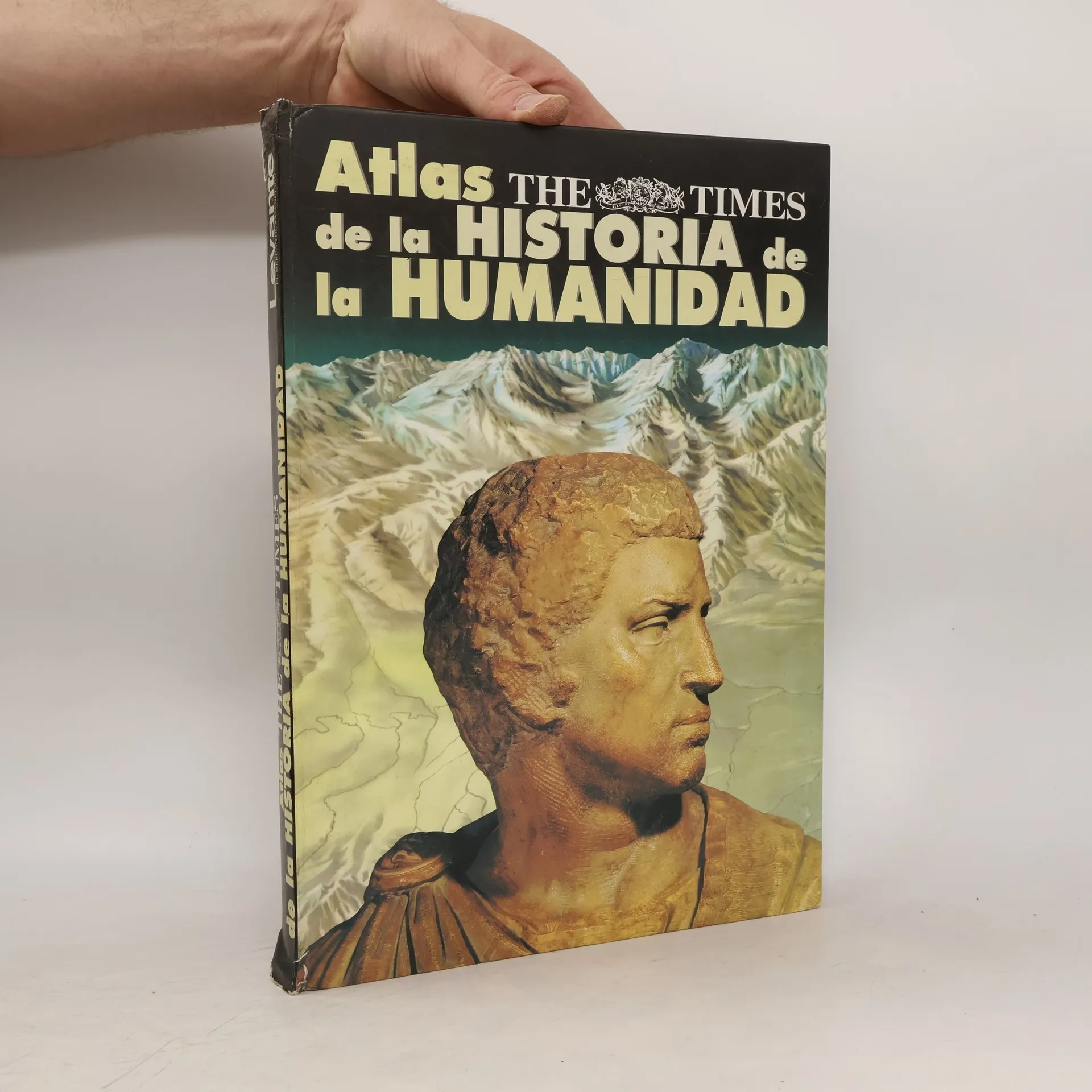
Atlas de la historia de la humanidad
- 374 páginas
- 14 horas de lectura
La claridad y la concentración caracterizan este clásico entre los atlantes, cuyas más de 600 cartas, planos, diagramas y fotos explican la historia de la humanidad. Desde su primera publicación en 1978, se han vendido más de un millón de ejemplares en todo el mundo. Más de cien historiadores han colaborado en esta obra monumental, perfeccionando el atlas en cada edición. Se presentan mapas y representaciones cada vez mejores, así como ampliaciones sobre la historia africana y asiática, representaciones actuales de la historia contemporánea y un escenario futuro para el siglo XXI, lo que respalda su pretensión de ser el mejor atlas histórico disponible.
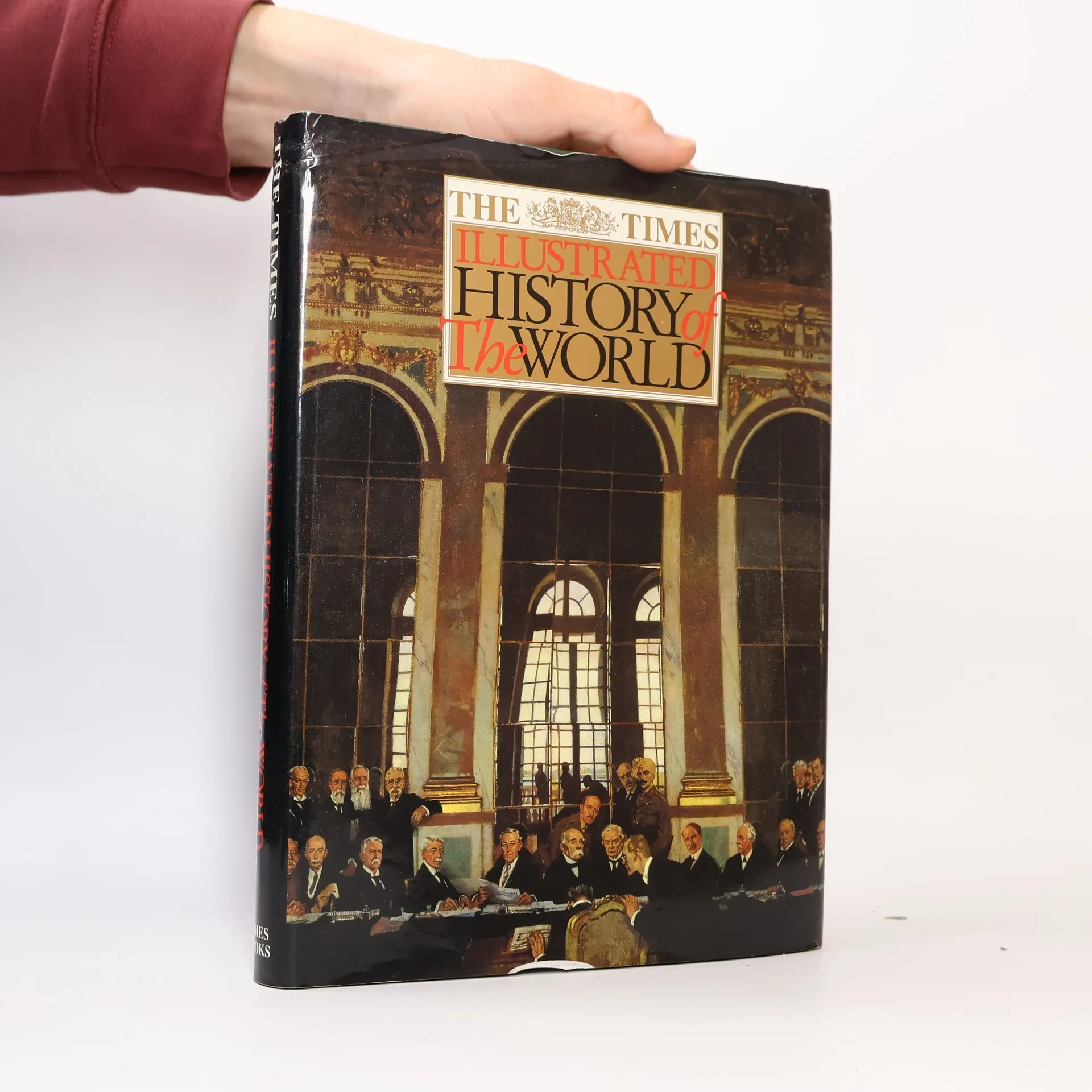
The Times Illustrated History of the World
- 288 páginas
- 11 horas de lectura
A lavishly illus and richly mapped global history. A good introduction to the story of humanity. Illus. Quarto.
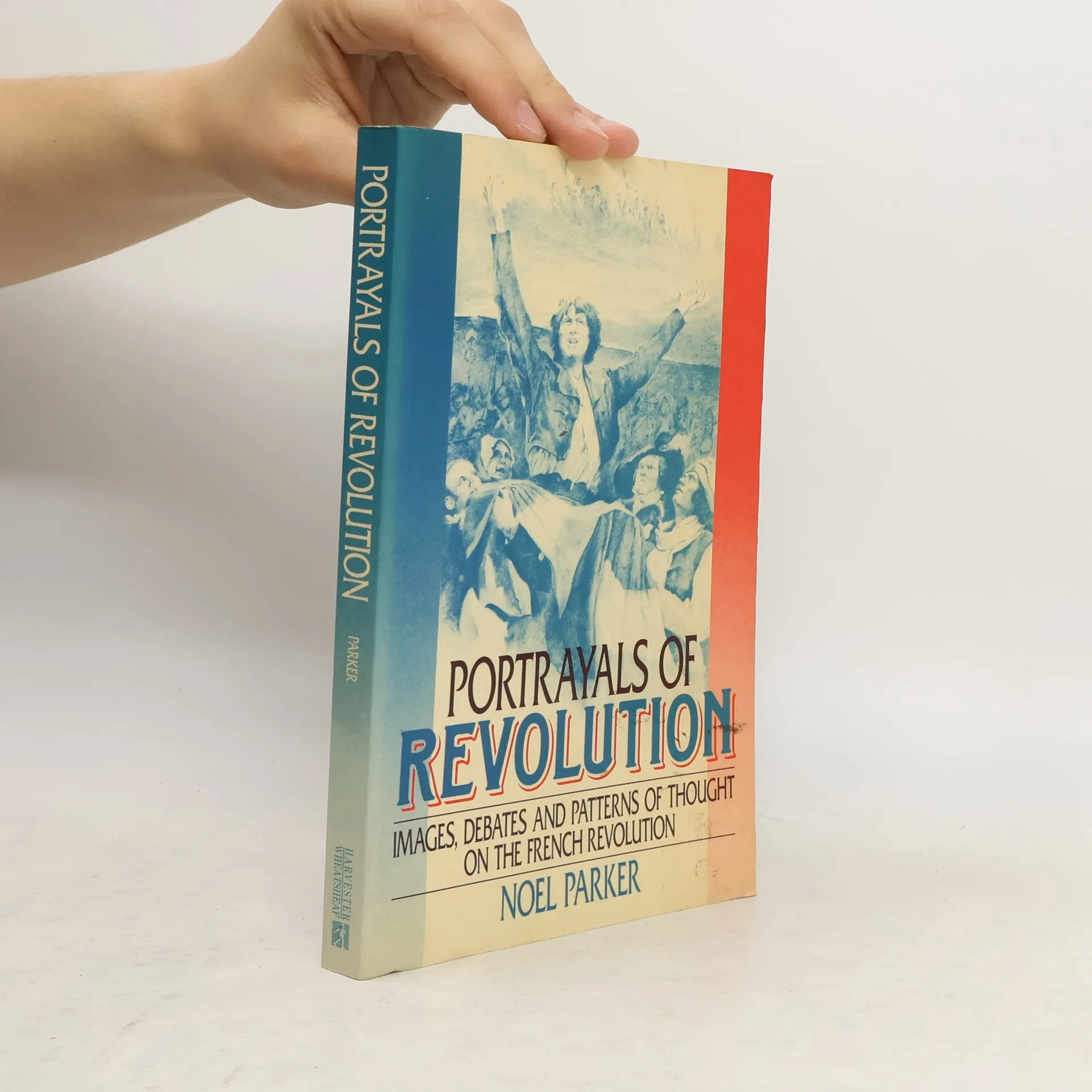
Portrayals of Revolution
- 256 páginas
- 9 horas de lectura
How did the French try to understand their revolution? How have writers of the nineteenth and twentieth centuries portrayed so unprecedented an upheaval? Dr. Parker examines contemporary representations of the Revolution―political rhetoric, journals, theatre, festivals, pictures and prints―concentrating on two special themes. First, the creators of these representations were part of an attempt to found anew the social order. Second, they sought to adapt their forms of culture so as to constitute through them the united community that was to be the agent of this historic new order. The second half of the book considers a representative selection of the many histories and theoretical writings on the Revolution from France, England and from Barnave and de Stael; to the nineteenth-century founders of social science and romantic historians, such as Michelet; to post-war comparative political writers and post-structuralist marxists influenced by Gramsci and Foucault. By bringing together an analysis of contemporary cultural responses to the Revolution and an account of subsequent cultures’ understanding of it, the author reveals the complex interplay between culture and agents of historical change, which modern views have often failed to realize.
A new edition of Geoffrey Parker's illustrated history of the impact of western warfare 1500-1800.
En esta fascinante biografía, la obra definitiva sobre Felipe II, Geoffrey Parker se basó en una vasta colección de la correspondencia privada del rey, en la que expresó sus emociones, pensamientos personales y filosofía social.
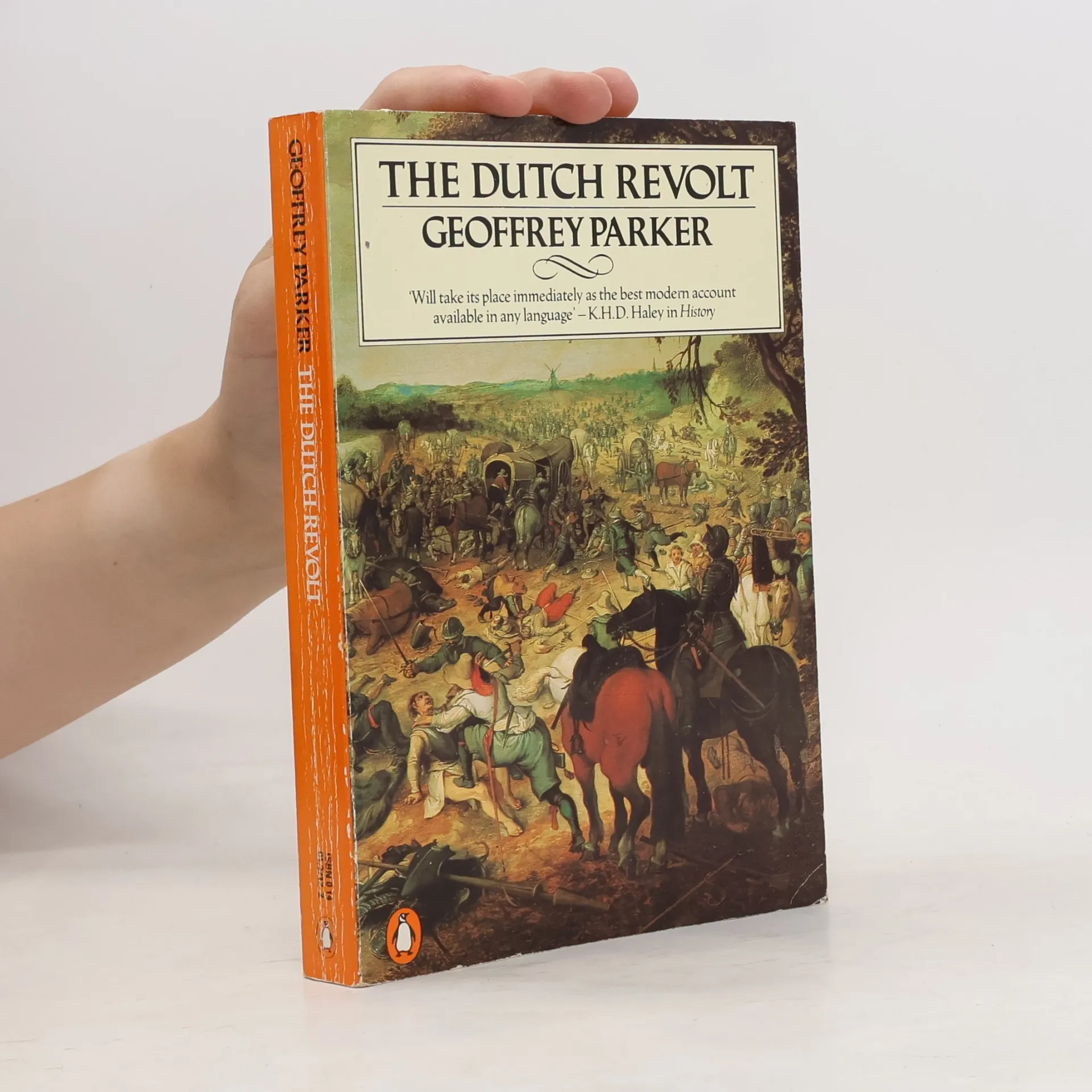
The fruit of twelve years' intensive research and based on Spanish and Dutch documents from archive and private collections from all over Europe. The Dutch Revolt takes into account religious and economic, as well as political, factors, demonstrating the intricate links that tied the fate of the Netherlands to that of Spain, in an age when 'particularism was more potent than patriotism'.
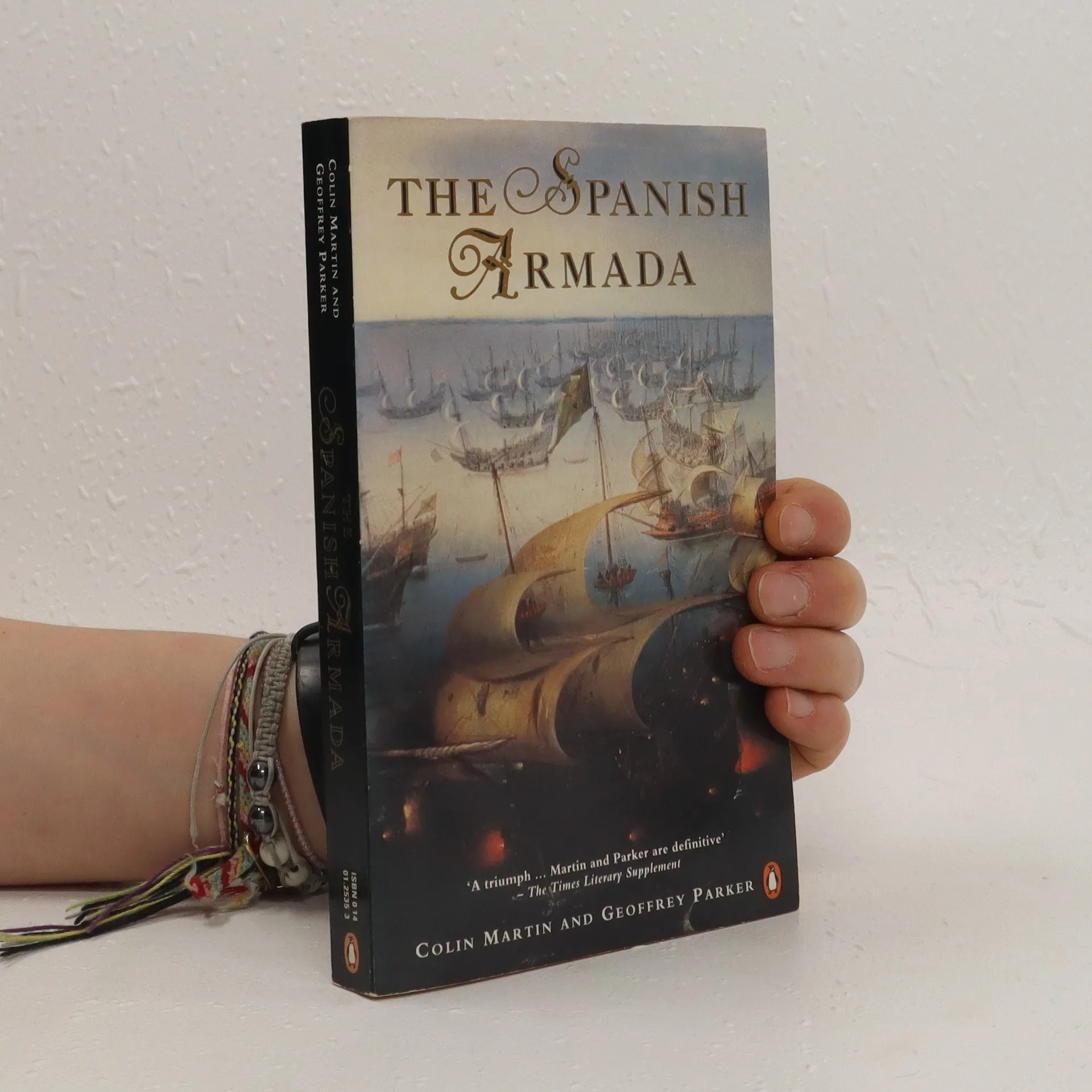
In the late summer of 1588 Philip II's Armada of 130 ships, having failed to invade England, disappeared into the northern seas. But what was the reality of the Spanish threat, and why did it fail? 400 years later, this handsome book answers these questions by drawing on a wealth of new evidence. Geoffrey Parker has found and analysed a huge quantity of previously unstudied material in the great archives of Spain and the Netherlands, and this information has dramatically been complemented and augmented by the discoveries from the Armada wrecks, three of which have been excavated underwater by Colin Martin. Using these unique first-hand sources, on which they have been working together since 1973, the two authors have put together the pieces of the puzzle in a way never before possible. The Spanish Armada is at last fully explained, and some unexpected conclusions reached. In the process several long-established myths are laid to rest. Above all, this book tells a story - a story which brings to life on eof the most colourful, exciting and engrossing events in all history.
Papeles del tiempo - 3: La guerra de los treinta años
- 403 páginas
- 15 horas de lectura
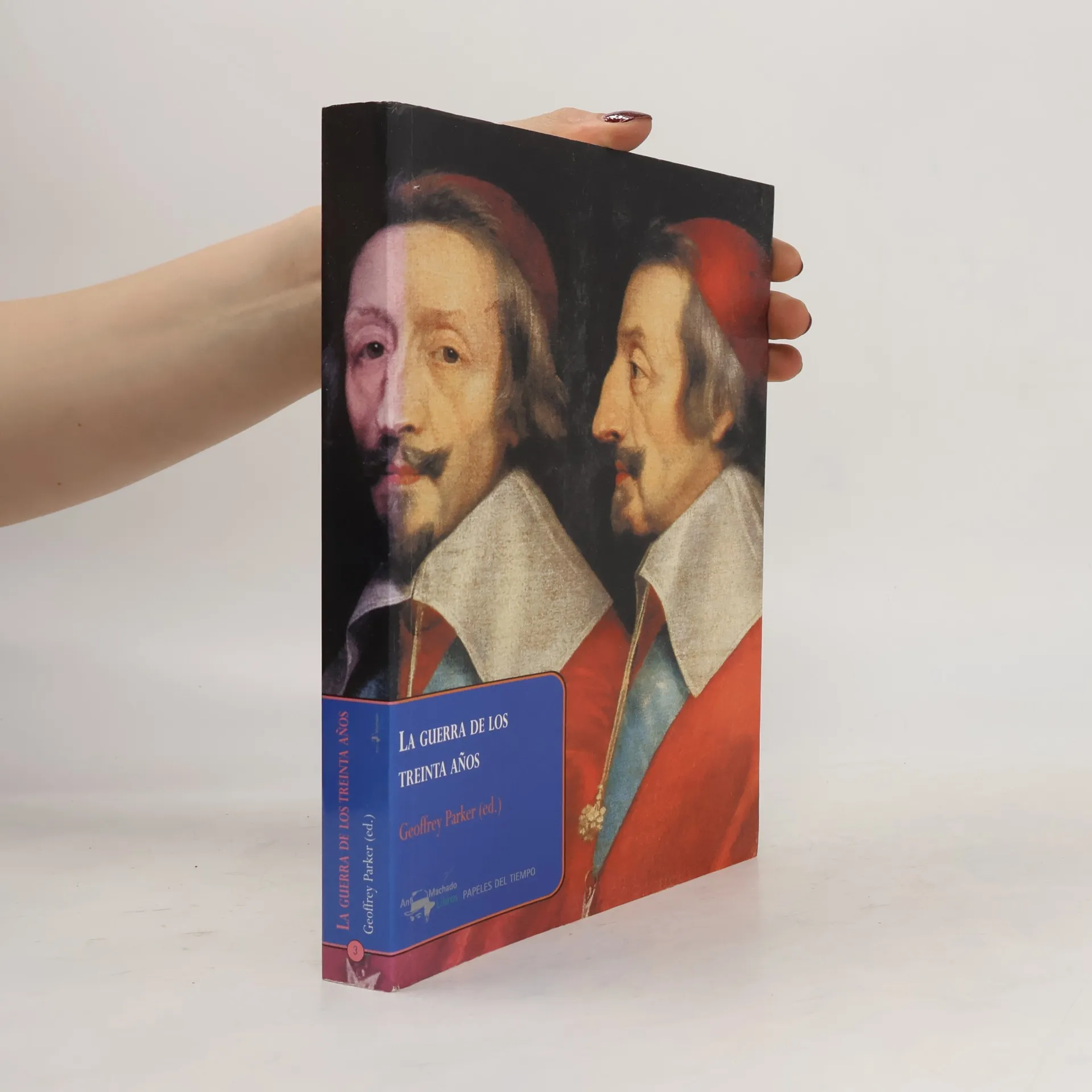
Esta es una obra de vital importancia sobre la «guerra de los treinta años», posiblemente, como se ha descrito en ocasiones, la «guerra civil europea». Trata la misma desde distintos puntos de vista, hecho que podría parecer baladí pero que en realidad encierra lo que le hace imprescindible para comprender la época y el desarrollo de la misma. Describe la guerra desde los puntos de vista español, alemán, inglés, escandinavo, francés, italiano, holandés... Guerra de ambiciones materiales y religiosas, desencuentro final de reforma y contrarreforma, luteranos, calvinistas, hugonotes, católicos, anglicanos..., una masa de poderes representados en varios de los personajes más reconocidos, tales como el conde-duque de Olivares, el cardenal Richelieu, Oxenstierna, Wallenstein, el duque de Buckingham, etc. El libro también trata la guerra de Mantua, las campañas suecas en Polonia, así como los episodios anteriores y posteriores a la guerra por la importancia de los mismos en el devenir histórico de Europa. Con una extensa bibliografía, elaborados mapas, ilustraciones y una exhaustiva cronología, los autores ponen en las manos del lector esta obra, segunda edición inglesa aumentada y revisada, magistralmente estructurada por partes para comprender un todo.
Der Aufstand der Niederlande
- 381 páginas
- 14 horas de lectura
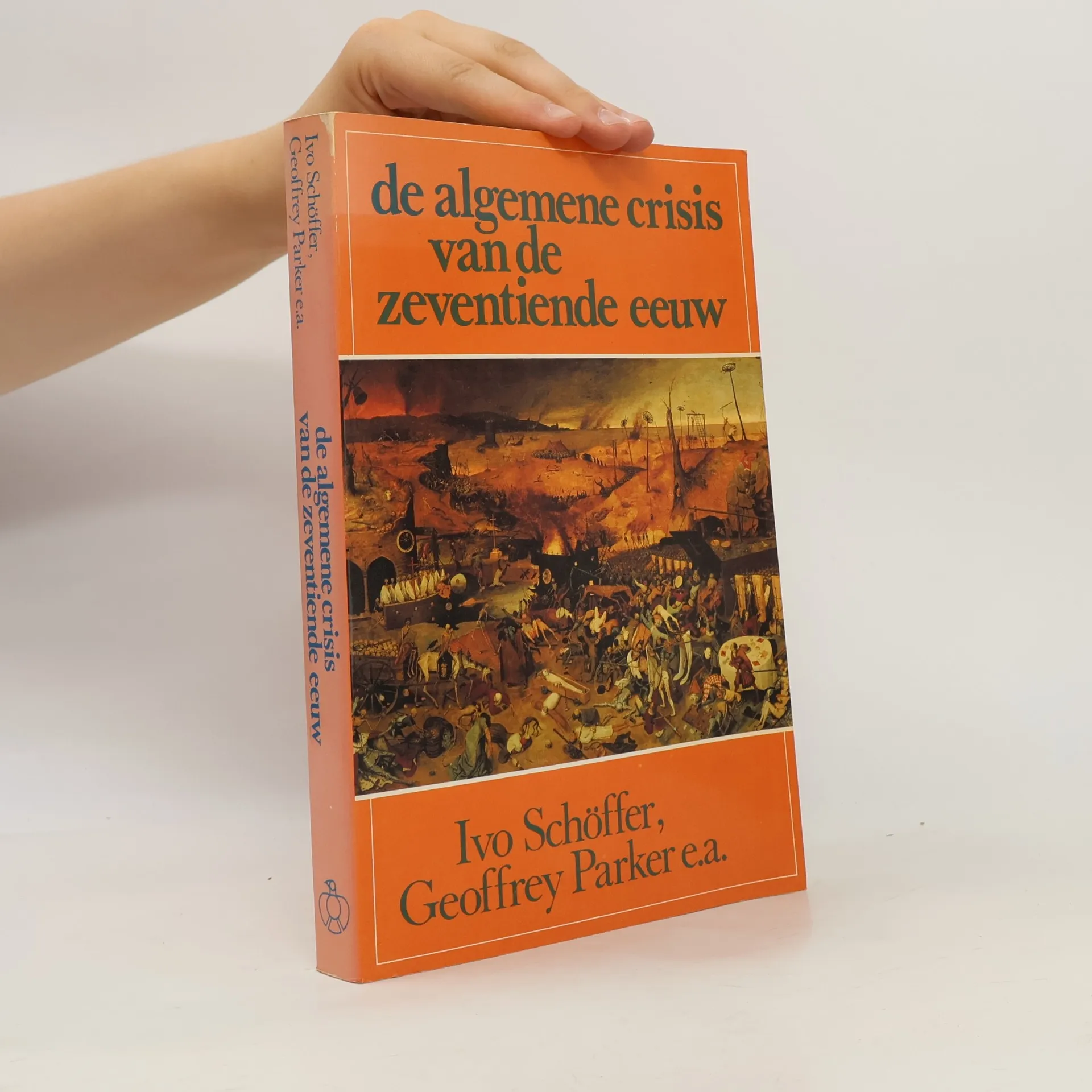
De algemene crisis van de zeventiende eeuw
- 220 páginas
- 8 horas de lectura
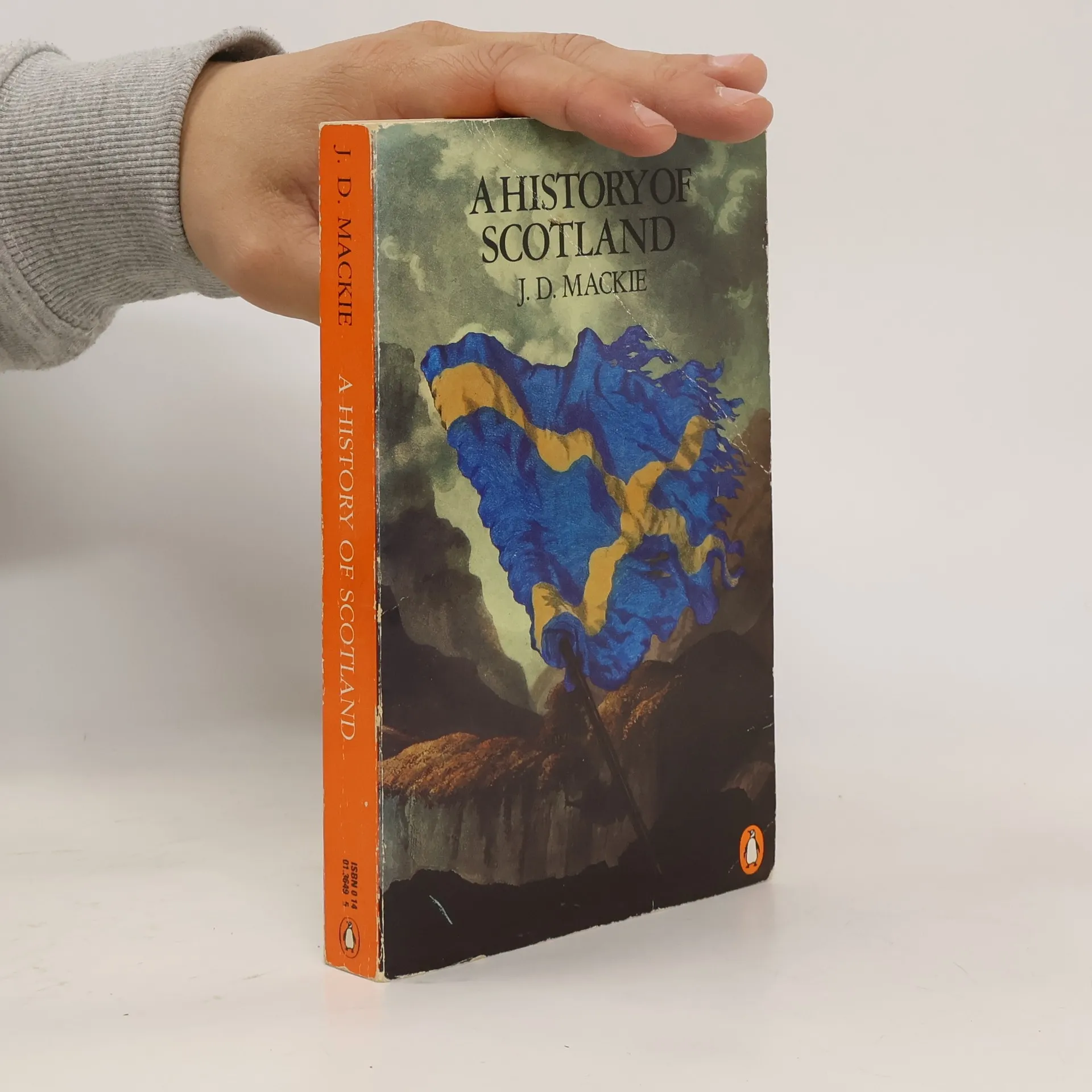
A History of Scotland
- 416 páginas
- 15 horas de lectura
A history that is equally entertaining and enlightening, illustrating all of the changes of power and intricacies that are necessary to understand the interrelation between England and Scotland and the Highland and Lowland populations. It shows how Duncan (1034-40) emerged from 'the union of the four peoples' as the first king of a united Scotland and provides detailed, reign-by-reign accounts from then on. Above all Professor Mackie reveals how the Scots long pursued an independent line - in religion, law, culture and foreign policy - that helped them keep at bay the Romans, the French and the English.