Salman Akhtar es un psicoanalista indio-estadounidense que ejerce en los Estados Unidos. Es autor y profesor de Psiquiatría y Comportamiento Humano en el Jefferson Medical College de Filadelfia. Su obra profundiza en temas psicológicos complejos, ofreciendo una profunda visión de la mente humana. Aborda su tema tanto con experiencia clínica como con una perspectiva profundamente empática.
Initial Assessment, Boundaries, Money, Disruptions and Suicidal Crises
176 páginas
7 horas de lectura
Focusing on key challenges in psychotherapy, the book delves into initial assessment, setting boundaries, financial considerations, managing disruptions, and handling suicidal crises. It provides a thorough exploration of both conceptual frameworks and practical techniques for each area, offering valuable insights for practitioners.
Integrating diverse psychoanalytic traditions with his own theoretical and clinical insights, Salman Akhtar provides answers to these and other important questions in this realm. He weaves the existing conceptual schisms and technical diversity into an integrated theory and technique. In a truly original contribution, he delineates certain ubiquitous human fantasies (e.g., "someday" and "if only" fantasies of optimism and nostalgia, and fantasies of powerful psychic tethers that bind us to others) and shows how their pathological variants underlie the suffering of these patients.
Offering clear and concise explanations, this reference work covers over 1800 terms and concepts in psychoanalysis, from 'abreaction' to 'zoophilia'. It serves as a valuable resource for both professionals and students, providing clinically useful insights into complex ideas. The book's structured approach makes it accessible, facilitating a better understanding of key psychoanalytic concepts and their applications.
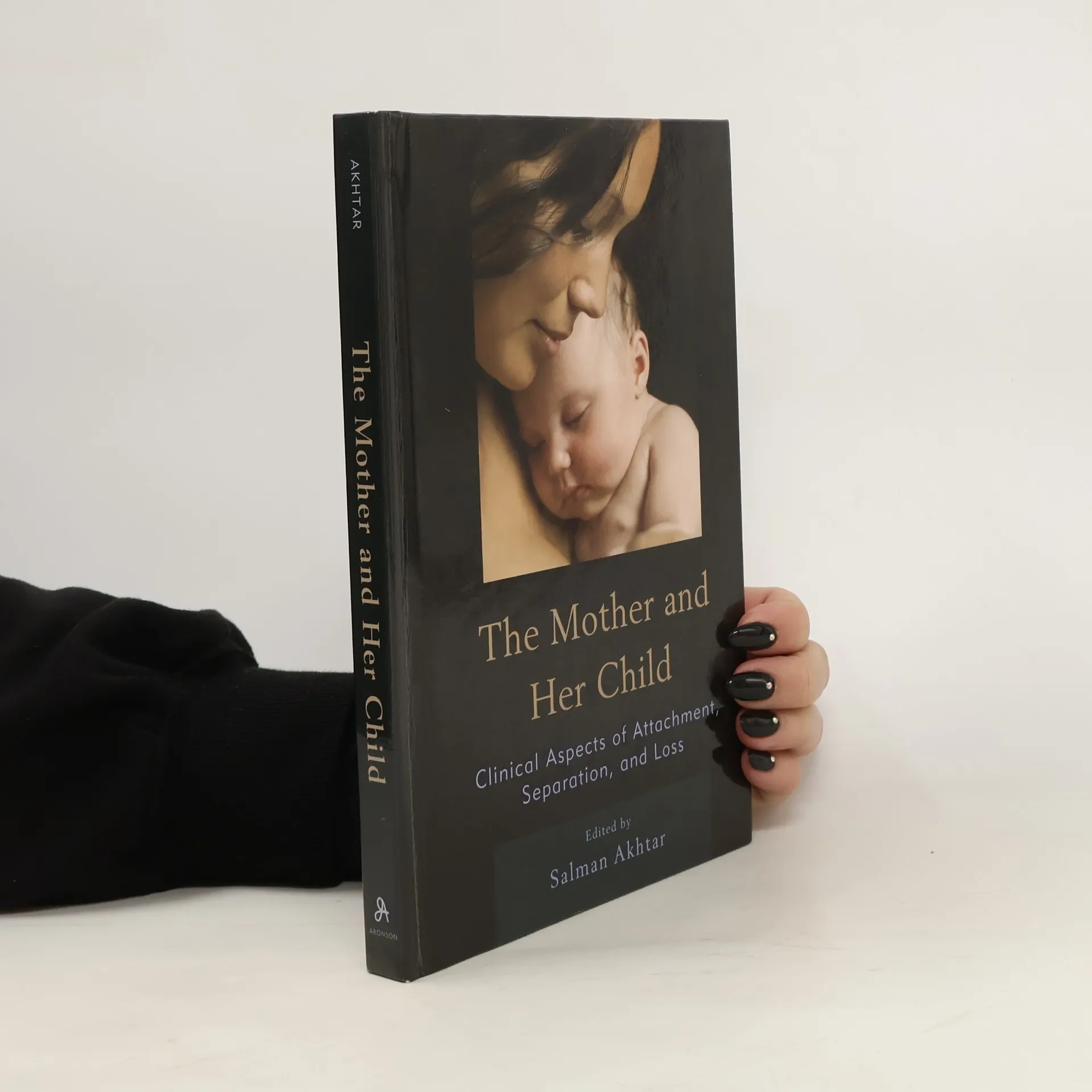
The Mother and Her Child: Clinical Aspects of Attachment, Separation, and Loss, edited by Salman Akhtar, focuses upon the formation of an individual's self in the crucible of the early mother-child relationship. Bringing together contributions from distinguished psychoanalysts and child observational researchers, it elucidates the nuances of mothering, the child's tie to the mother, the mysteries of secure attachment, and the hazards of insecure attachment. These experts also discuss issues of separation, loss, and alternate sources of love when the mother is absent or emotionally unavailable, while highlighting the relevance of such ideas to the treatment of children and adults.
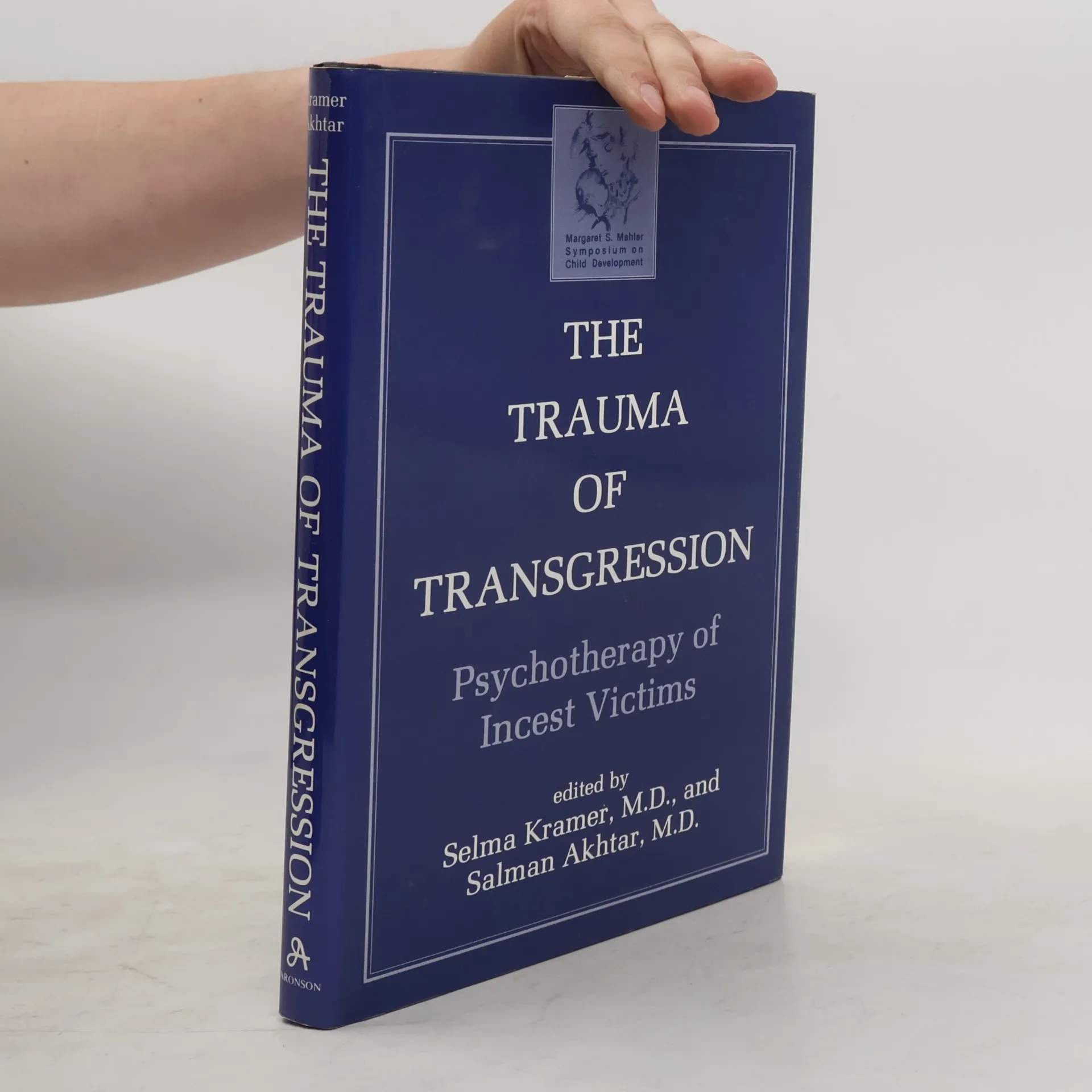
Has there been an actual increase in incest occurrences, or is the perceived rise due to heightened awareness and better listening to patients? The distinguished psychoanalysts in this volume argue for the latter. They explore various aspects of incest, which they agree is always traumatic for victims. Incest typically occurs in dysfunctional families, often amidst multiple traumatic factors such as emotional deprivation, physical abuse, and parental alcoholism. In parent-child incest cases, one parent perpetrates while the other colludes through silence or absence.
Although individuals with early sexual trauma may develop self-reliance and ambition, incest fundamentally disrupts healthy development, leading to lifelong guilt, sadomasochistic tendencies, low self-esteem, sexual dysfunction, and increased vulnerability to psychosomatic issues, accidents, depression, and suicide. Recognizing the phenomenological and psychodynamic signs of past incest is crucial for therapists, as it enhances their ability to detect transference and countertransference nuances, fostering greater empathy and more effective interpretations.
The contributors provide detailed clinical illustrations that highlight cues of incest-related psychopathology and clarify treatment subtleties. By addressing incest, this volume significantly contributes to the prevention and healing of the profound psychic trauma inflicted by the sexual exploitation of a ch
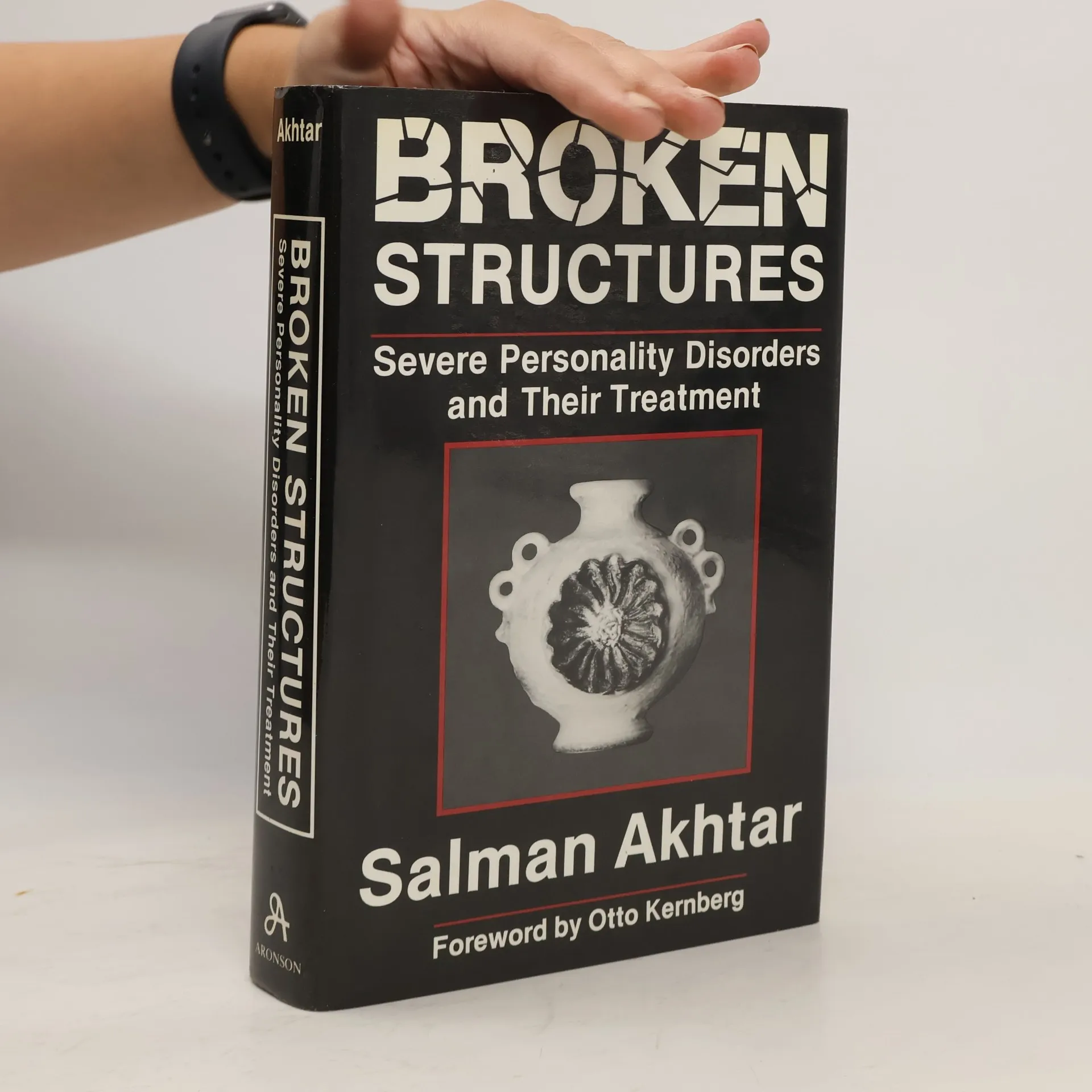
This book integrates psychiatry and psychoanalysis to present deeper and sounder clinical profiles of the personality disorders than have been hitherto available.
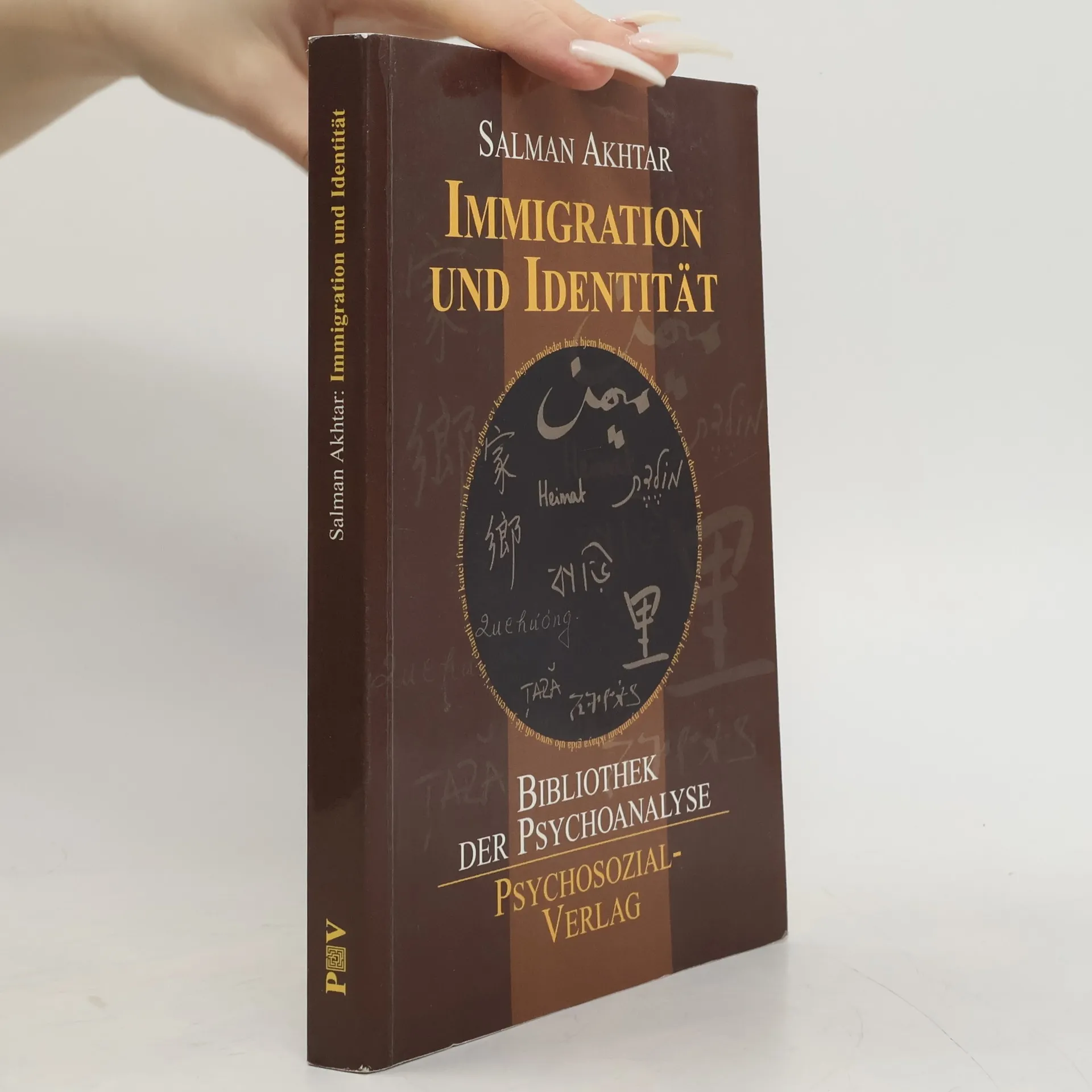
Warum wandern Menschen aus ihrem Heimatland in ein anderes Land aus? Was ist der Unterschied zwischen Immigration und Exil? Wie wirkt sich Immigration psychologisch aus? Kann man jemals den Verlust seines Landes verarbeiten? Was sind die defensiven Funktionen von Nostalgie? Gibt es spezielle Richtlinien für die Psychotherapie und Psychoanalyse für immigrierte Patienten? Wie kann der Therapeut die kulturellen Rationalisierungen von den zugrunde liegenden innerpsychischen Konflikten der Patienten entwirren? Salman Akhtar gibt Antworten auf diese Fragen. Er beobachtet, dass die Immigration von einem Land in ein anderes andauernde Auswirkungen auf die Identität eines Individuums hat. Ein derartiger Identitätswechsel beinhaltet die Dimension von Antrieb und Affekten, psychischem Raum und sozialer Zugehörigkeit. Der Autor spricht folgende Themen an: Idealisierung und Abwertung, Nähe und Distanz, Hoffnung und Nostalgie, vorübergehende Bewusstseinsebene, den Wechsel zum Über-Ich und die linguistische Anpassung der Immigranten. Empfehlungen aus dem Verlagsprogramm: Brigitta Boveland Exil und Identität Österreichisch-jüdische Emigranten in New York und ihre Suche nach der verlorenen Heimat 2006 • 204 Seiten • broschiert € (D) 28,00 • SFr 49,00 ISBN 978-3-89806-353-1