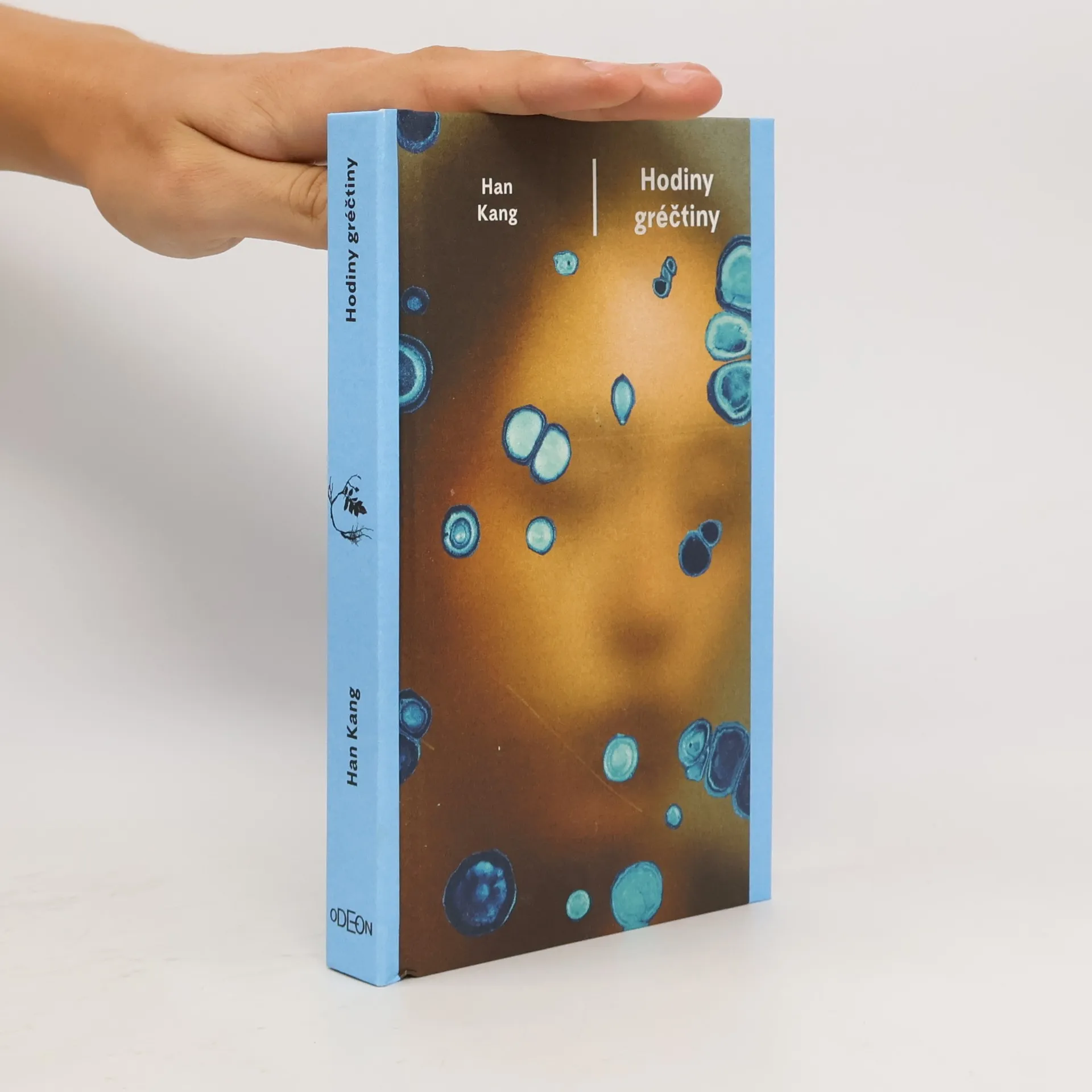
Mladá žena pozoruje lektora gréčtiny pri tabuli. Rada by prehovorila, ale je nemá. Prednášajúci cíti, že ho mĺkva žena priťahuje, kým pomaly, deň za dňom, prichádza o zrak. Čoskoro sa ukáže, že ich spája aj hlbšia bolesť. Ona v priebehu pár mesiacov prišla o matku aj o právo na starostlivosť o dieťa. On vyrastal striedavo v Kórei a Nemecku, cíti sa rozpoltený medzi dvomi jazykmi a kultúrami a bojí sa straty vlastnej nezávislosti. Hodiny gréčtiny sú príbehom dvoch obyčajných ľudí, ktorí sa stretli v ťažkej životnej etape - muža prichádzajúceho o zrak a ženy, ktorá nemôže hovoriť. Napriek tomu sa navzájom priťahujú. Obaja postupne objavujú hlbokú spolupatričnosť - ich hlasy sa prelínajú s prekvapivou krásou, keď prechádzajú z tmy do svetla, z ticha do dychu. Hodiny gréčtiny sú aj nežným ľúbostným listom ľudskej intimite a spojeniu - románom, ktorý prebúdza zmysly, románom, ktorý farbisto vykresľuje podstatu toho, čo znamená byť nažive.
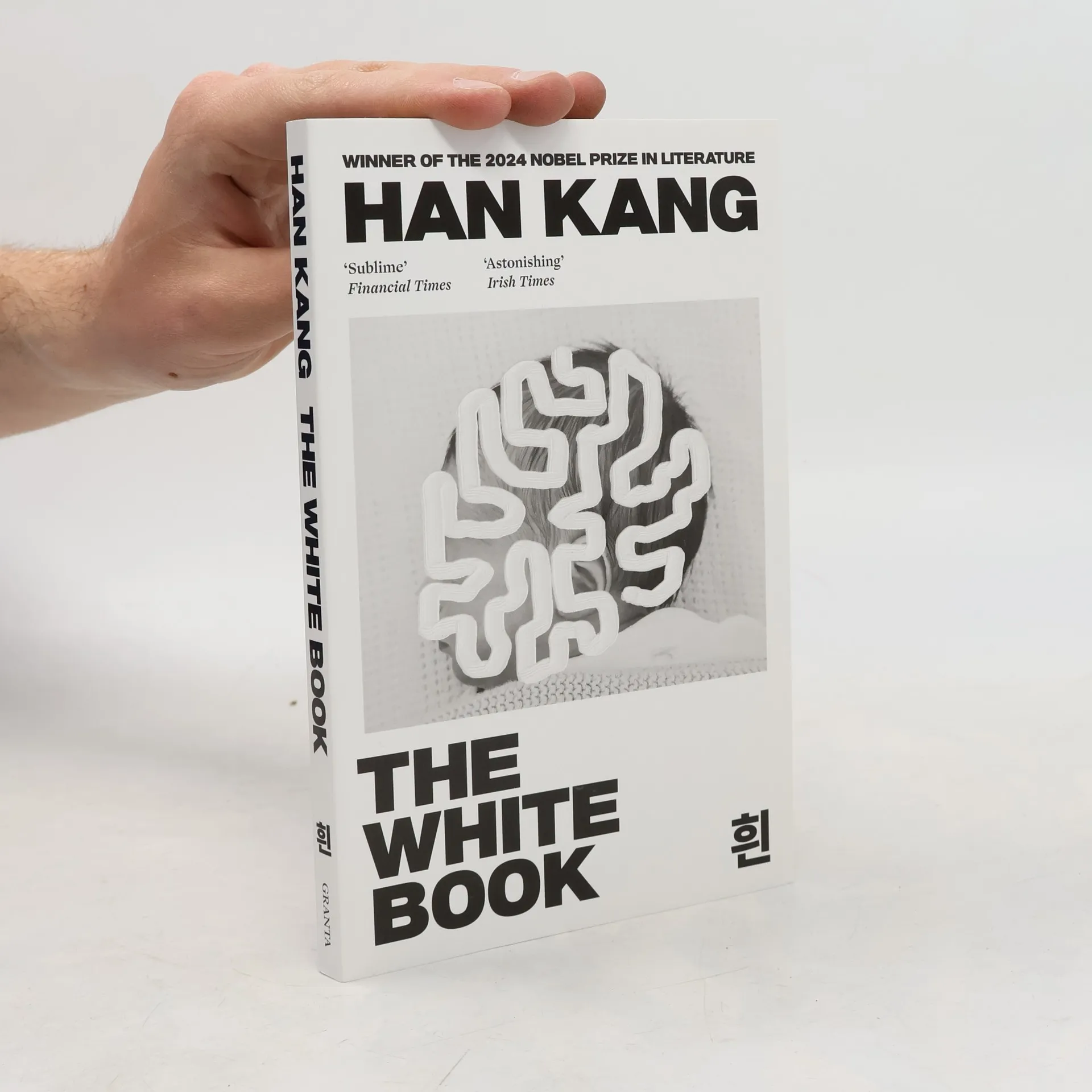
Han Kang Orden de los libros (cronológico)
Han Kang es celebrada por su mirada penetrante a la psique humana y nuestro lugar en el mundo. Sus obras exploran emociones intensas y relaciones complejas con una elegancia estilística única. Han Kang captura magistralmente la fragilidad de la existencia humana y la búsqueda de la belleza en medio de realidades duras. Su escritura es una invitación a contemplar la esencia de la humanidad y el poder del arte.

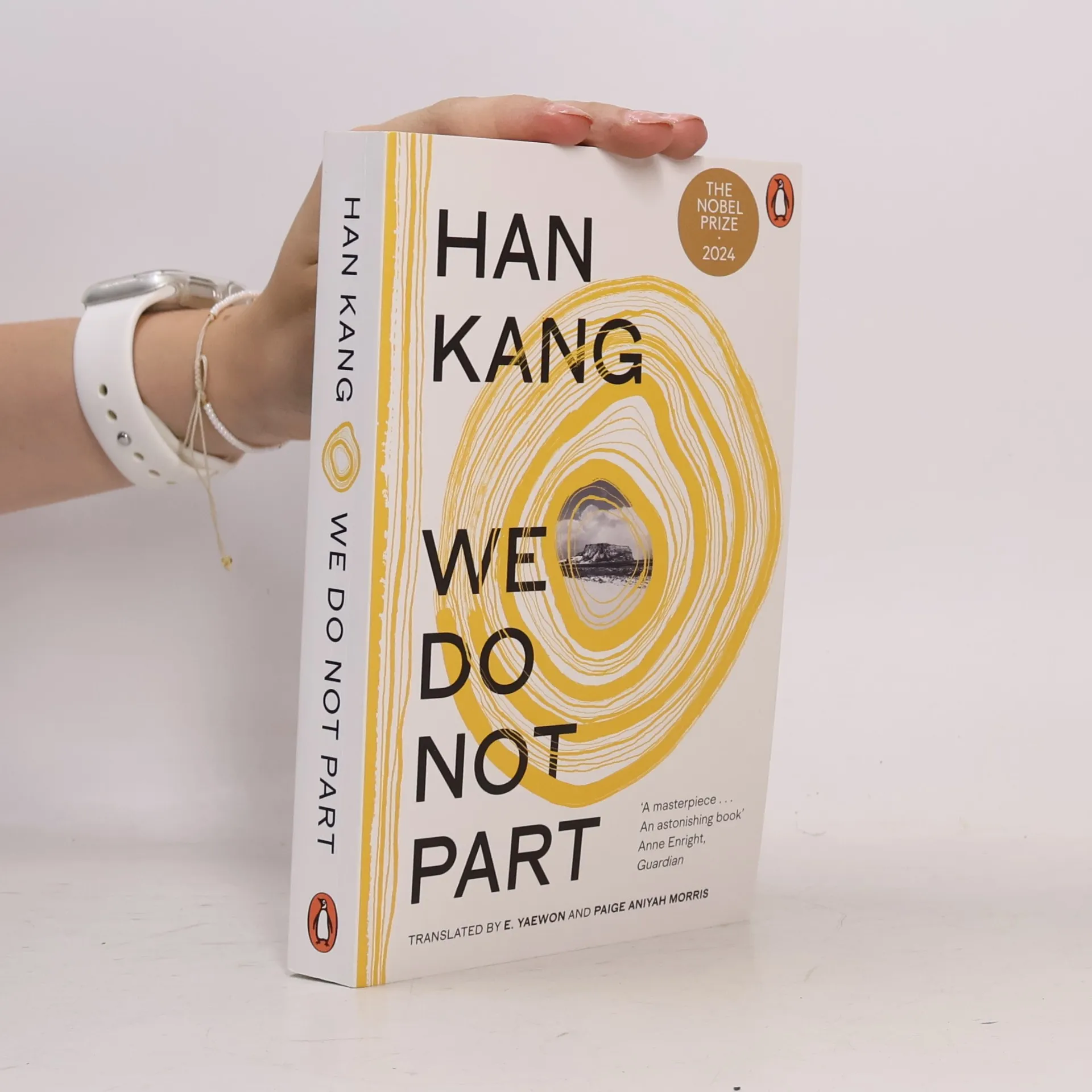


We Do Not Part
The Instant Sunday Times Bestseller and Winner of the 2024 Nobel Prize in Literature
- 384 páginas
- 14 horas de lectura
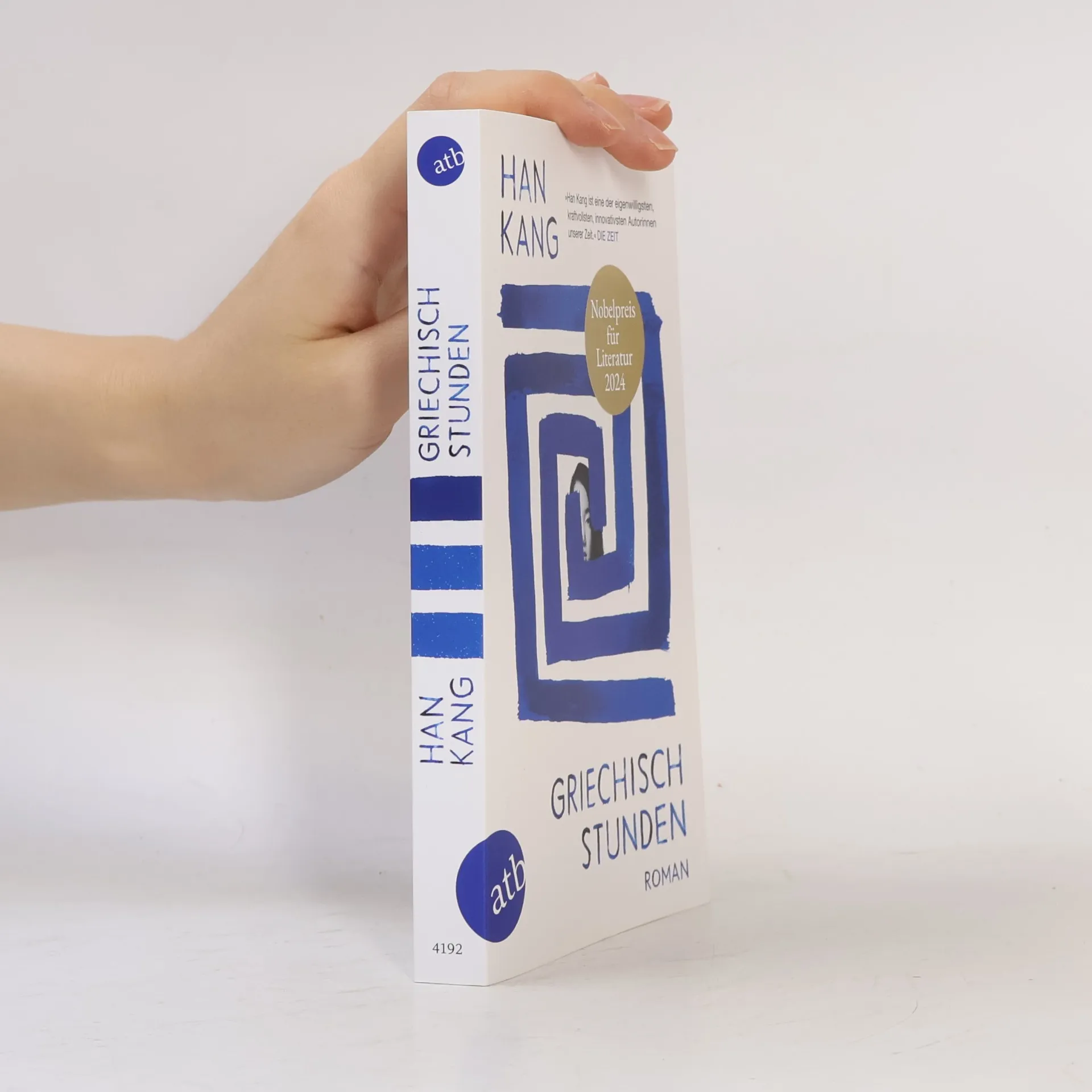
Nobelpreis für Literatur 2024 »Griechischstunden« erzählt von zwei gewöhnlichen Menschen, die in einem Moment privater Angst aufeinandertreffen. Han Kang beschreibt die rettende Kraft der Sprache. In einem Klassenzimmer in Seoul beobachtet eine junge Frau ihren Griechischlehrer, zu dem sie sich hingezogen fühlt, obwohl sie ihre Stimme verloren hat. Der Lehrer, der zunehmend sein Augenlicht verliert, entdeckt, dass ein tiefer Schmerz sie verbindet. Sie hat innerhalb kurzer Zeit sowohl ihre Mutter als auch den Kampf um das Sorgerecht für ihren neunjährigen Sohn verloren, während er zwischen den Kulturen und Sprachen Koreas und Deutschlands hin- und hergerissen ist. Langsam entwickeln sie ein tiefes Gefühl der Einheit, und ihre Stimmen verschmelzen in verblüffender Schönheit. »Die vielleicht leiseste Liebesgeschichte der Welt.« – Die Zeit. »Han Kangs Stimme kann man sich nicht entziehen.« – The Independent. »Ein Fest des unaussprechlichen Vertrauens, das im Austausch von Sprache zu finden ist...« – New York Times. »Han Kang erzählt mit großer Brutalität und Poesie – eine Mischung, die nur wenigen Schriftstellern gelingt.« – stern. »So intensiv, dass man manchmal die Augen schließen möchte.« – HR2 Kultur. Han Kang gilt als eine der eigenwilligsten und kraftvollsten Autorinnen unserer Zeit.
Neloučím se navždy
- 272 páginas
- 10 horas de lectura
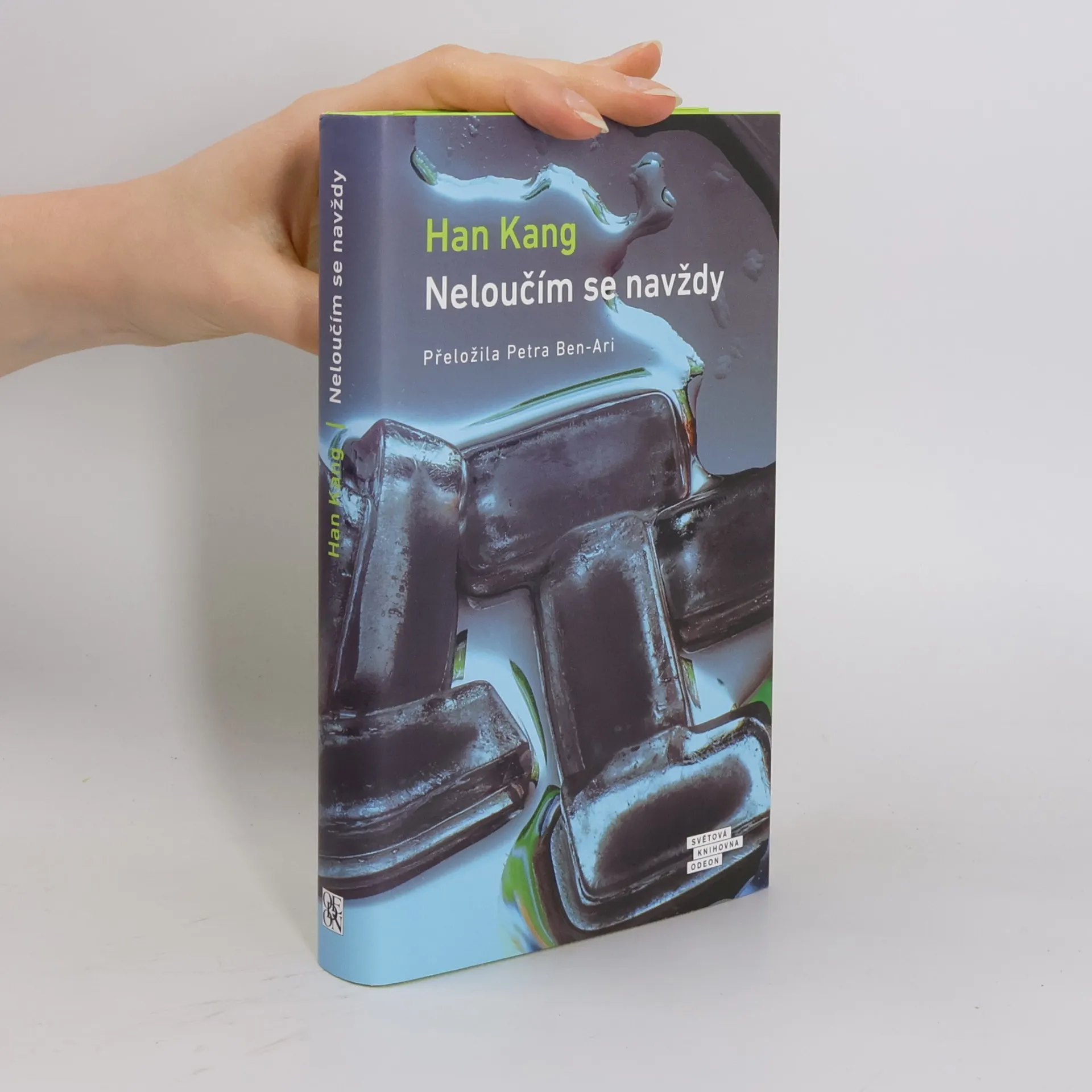
Románová novinka nositelky Nobelovy ceny za literaturu Han Kang se podobně jako její próza Kde kvete tráva zabývá skutečnými historickými událostmi. Tentokrát se vrací až k počátkům Korejské republiky, k masakrům, které se odehrály za vlády prvního prezidenta I Sungmana – ke krvavému potlačení povstání na ostrově Čedžu. Mladémuspisovateli Kjonghaovi jednoho zimního dne zavolá kamarádka Inson, která se ocitla v nemocnici v Soulu. Poprosí ho, aby zajel do jejího rodného domu na ostrov Čedžu a postaral se tam o papouška. Když se Kjongha navzdory silné sněhové bouři dostane do horské vesnice, odhalí tam bolestnou historii Insoniny rodiny poznamenané Čedžuským povstáním. Děj se vrací zpět v čase prostřednictvím vzpomínek, záznamů a dalších materiálů, které po celý život shromažďovala Insonina matka v marném pátrání po svém zmizelém bratrovi.
Pars, le vent se lève - Nouvelle édition
- 356 páginas
- 13 horas de lectura
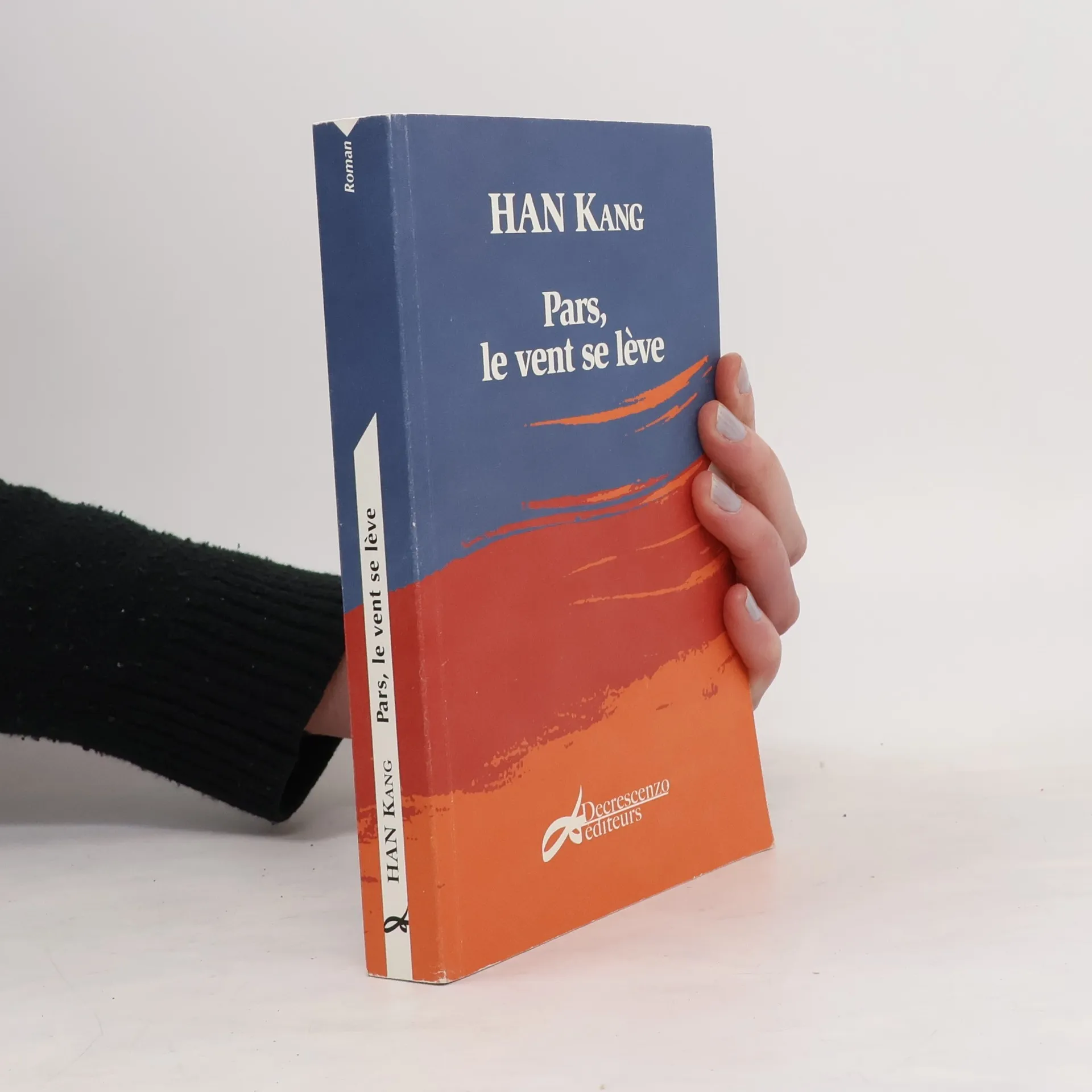
Quelle est la frontière entre la vérité et le mensonge, le présent et les souvenirs qui s’entrechoquent ? Lorsque sa meilleure amie, une jeune femme peintre, meurt dans un accident de voiture, Jeong-hee, la narratrice, est confrontée à un critique d’art qui prétend que la jeune femme, en réalité, s’est suicidée. Jeong-hee ne croit pas à ce suicide et découvre au cours d’une enquête parfois dangereuse et digne d’un détective, la fragilité de son amie et la souffrance dans laquelle elle a vécu. Cette recherche nous emmène à travers Séoul, dans l’hiver coréen, dans l’intimité du milieu artistique et le lecteur pénètre, par petites touches, dans une société à la fois proche et lointaine.
Unmöglicher Abschied
- 315 páginas
- 12 horas de lectura
Nobelpreis für Literatur 2024 Der neue große Roman von Han Kang »Unmöglicher Abschied« erzählt die Geschichte einer Freundschaft zwischen zwei Frauen und beleuchtet zugleich ein jahrzehntelang verschwiegenes Kapitel koreanischer Geschichte Eines Morgens ruft Inseon ihre Freundin Gyeongha zu sich ins Krankenhaus von Seoul. Sie hatte einen Unfall und bittet Gyeongha, ihr Zuhause auf der Insel Jeju aufzusuchen, weil ihr kleiner weißer Vogel sterben wird, wenn ihn niemand füttert. Als Gyeongha auf der Insel ankommt, bricht ein Schneesturm herein. Der Weg zu Inseons Haus wird zu einem Überlebenskampf gegen die Kälte, die mit jedem Schritt mehr in sie eindringt. Noch ahnt sie nicht, was sie dort erwartet: die verschüttete Geschichte von Inseons Familie, die eng verbunden ist mit einem lang verdrängten Kapitel koreanischer Geschichte. Han Kangs neuer Roman ist eine Hymne an die Freundschaft und das Erinnern, die Geschichte einer tiefen Liebe im Angesicht unsäglicher Gewalt – und eine Feier des Lebens, wie zerbrechlich es auch sein mag.
Imposible Decir Adiós
- 256 páginas
- 9 horas de lectura
Ganadora del Premio Man Booker 2016, Han Kang regresa con una nueva novela. "Imposible Decir Adiós" narra el genocidio de 1948 en la isla de Czedżu. La obra no solo describe eventos históricos, sino que también presenta un conmovedor retrato de tres mujeres y el impacto de la violencia y la pérdida en sus vidas. La autora plantea importantes preguntas sobre la memoria colectiva y la responsabilidad histórica. Han Kang teje una historia de lucha desesperada y dignidad de aquellos que, a pesar de las oscuridades que los rodean, buscan un rayo de luz. Esta narrativa, inspirada en la reciente tragedia de Corea, aborda el amor que brota del corazón y que transforma al ser humano. La belleza de su prosa se manifiesta en elegantes y poéticas frases, así como en vívidas imágenes que dejan una profunda impresión.
La Clase de Griego
- 176 páginas
- 7 horas de lectura
Una poderosa novela que explora la gracia salvadora del lenguaje y la conexión humana se desarrolla en un aula de Seúl, donde una joven observa a su profesor de griego en la pizarra. Luchando por hablar, ha perdido su voz, mientras él enfrenta la pérdida gradual de su visión. A medida que se conectan, descubren un dolor compartido más profundo: ella ha perdido recientemente a su madre y la custodia de su hijo de nueve años, mientras que él lidia con los desafíos de crecer entre Corea y Alemania, dividido entre culturas y lenguas. Su historia revela la intersección de sus angustias privadas: la luz que se apaga de un hombre que pierde la vista y el silencio de una mujer que ha perdido su lenguaje. Sin embargo, estas luchas los acercan, llevando a un profundo sentido de unidad. Sus voces se entrelazan en una belleza sorprendente mientras transitan de la oscuridad a la luz, del silencio a la expresión. Esta narrativa es una tierna carta de amor a la intimidad y conexión humanas, despertando los sentidos y capturando vívidamente la esencia de estar vivo. La novela ha sido elogiada por su imaginería sensual y provocativa, destacando su experiencia extraordinaria y su prosa poética y directa, convirtiéndola en una cautivadora exploración de la naturaleza y la condición humana.
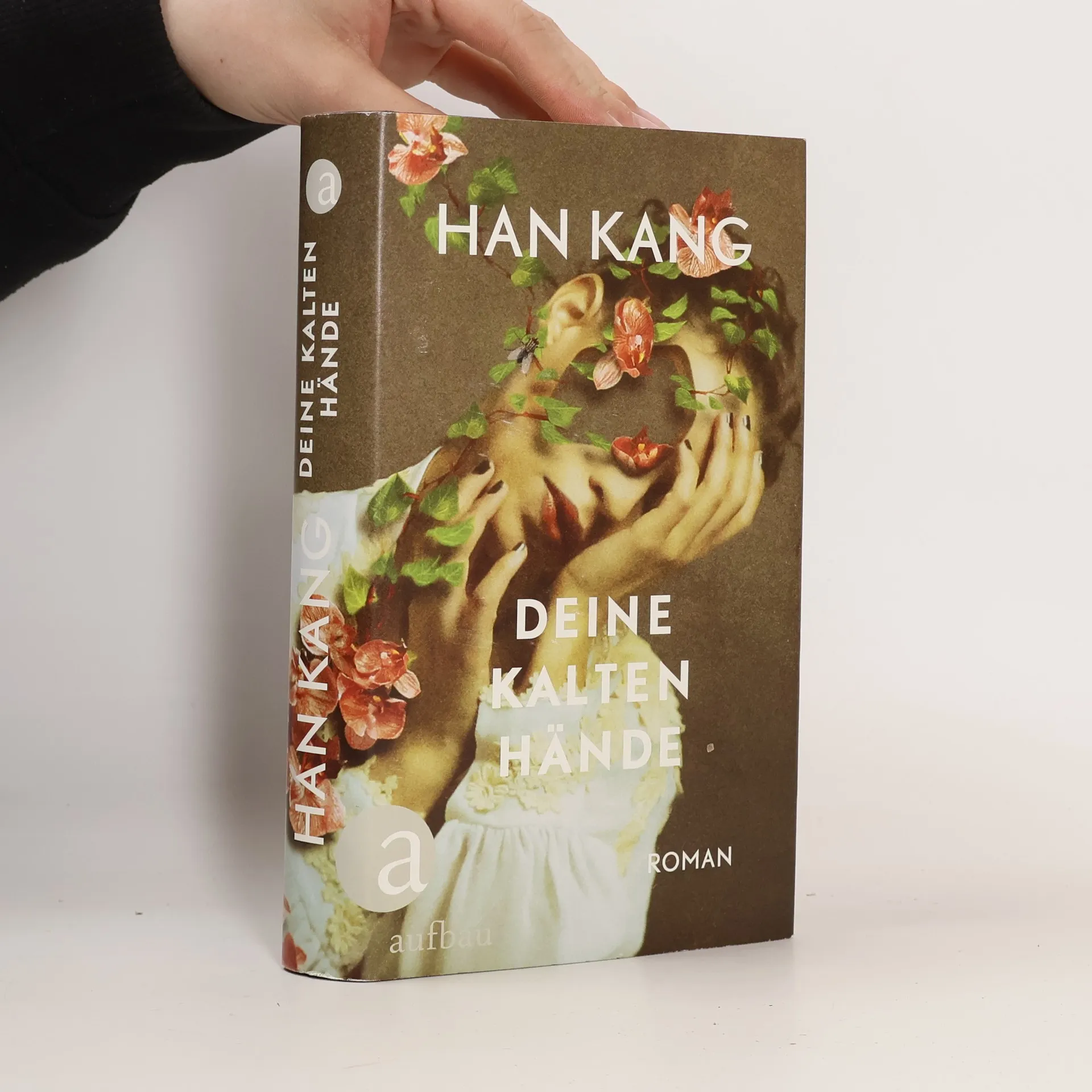
Deine kalten Hände
- 312 páginas
- 11 horas de lectura
Ein großer Roman über die Einsamkeit der menschlichen Existenz. Eines Tages verschwindet der Bildhauer Jang Unhyong beinahe spurlos. Er hinterlässt seine faszinierenden Gipsabdrücke von Händen und Körpern – und ein bewegendes Tagebuch, das seine lebenslange Suche nach Nähe und Wahrhaftigkeit in einer Welt voller Masken schildert. »Han Kang erzählt zugleich mit großer Brutalität und großer Poesie – eine Mischung, die nur wenigen Schriftstellern gelingt.« Stern. »Man kann sich dieser Stimme nicht entziehen.« Independent. Von der Autorin des internationalen Bestsellers »Die Vegetarierin«.
Sixty-five short interconnected chapters portray humanity and all its suffering and resiliency.
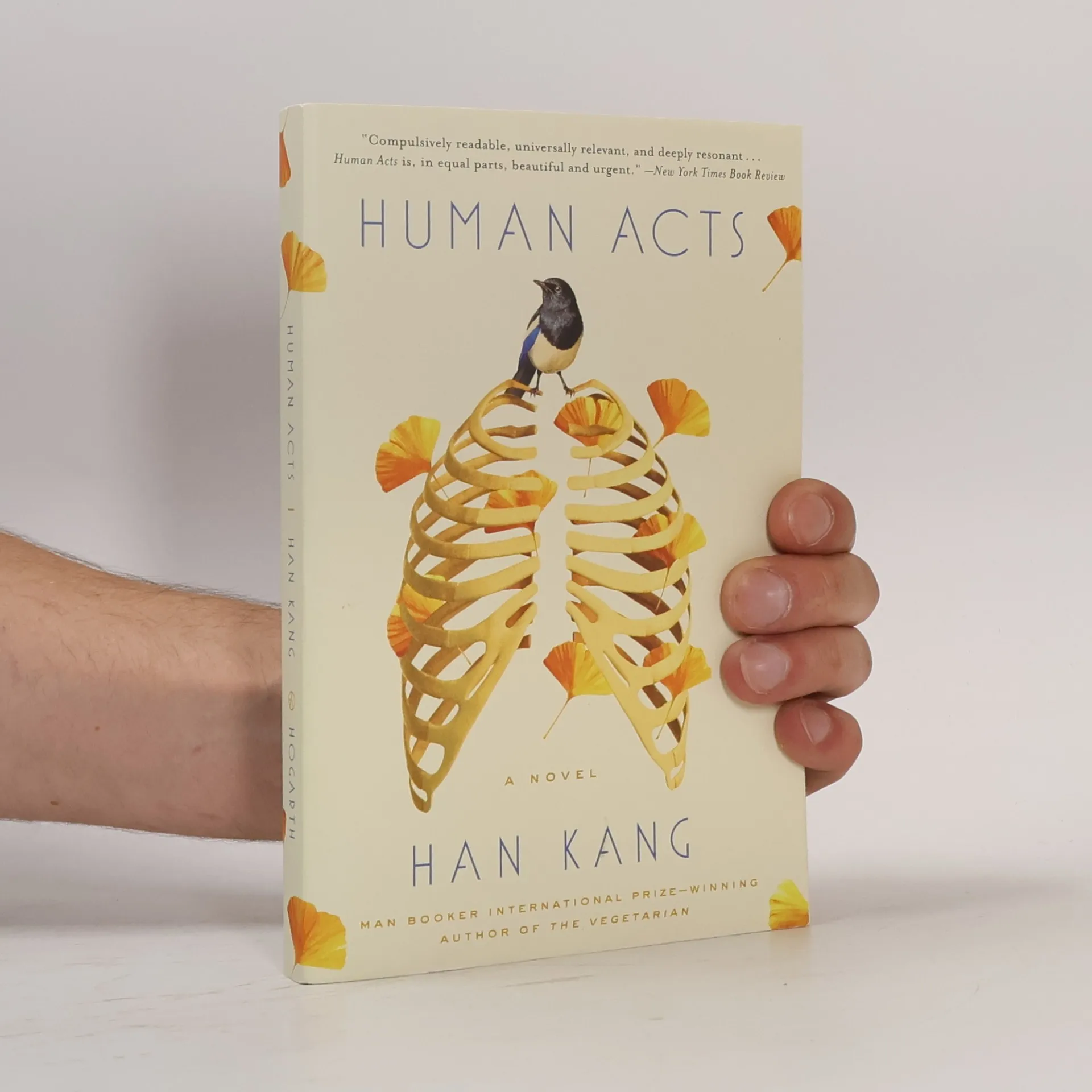
Human Acts
- 240 páginas
- 9 horas de lectura
Compulsively readable and deeply resonant, this novel lacerates, haunts, dreams, and mourns, striking a balance between beauty and urgency. It uniquely captures the intensity of brutality, detailing a bloody history that was deliberately forgotten. The narrative speaks the unspeakable, revealing the long wake of killings through the testimonies of both survivors and the deceased, blending gorily real scenarios with beautifully surreal elements. The prose, translated by Deborah Smith, is spare yet dreamy, filled with haunting imagery that compels readers to confront the horrors of the Gwangju uprising. Han Kang's ambition parallels Milton's struggle, aiming to reconcile humanity with itself through an engrossing, relentless portrait of death and agony. The novel is not just a record of suffering during a contentious period in Korean history but also a testament to the willingness to risk discomfort for a cause. Kang excels in unflinching descriptions of death, creating a vivid portrayal of physical decay that is both admirable and challenging. Her storytelling brings historical struggles into the intimate realm of individual experience, exploring the trauma of political brutality with emotional truth. This jarring depiction of the Gwangju demonstrations raises profound questions about humanity, making it a gripping read. With her previous work awarded the Man Booker International Prize, this follow-up is poised to attract signi
La vegetariana
- 167 páginas
- 6 horas de lectura
Hasta ahora, Yeonghye ha sido la esposa diligente y discreta que su marido siempre ha deseado. Sin ningún atractivo especial ni ningún defecto en particular, cumple los requisitos necesarios para que su matrimonio funcione sin sobresaltos. Todo cambia cuando unas pesadillas brutales y sanguinarias empiezan a despertarla por las noches, y siente la imperiosa necesidad de deshacerse de toda la carne del frigorífico. Yeonghye impondrá en casa una dieta exclusivamente vegetariana que su marido aceptará entre atónito y molesto. Este será un primer acto subversivo seguido de muchos otros que la llevarán a la búsqueda de una existencia más pura y despojada, más cercana a la vida vegetal, un lugar donde el poder erótico y floral de su cuerpo romperá las estrictas costumbres de una sociedad patriarcal y ultracapitalista. Tomado de la contracubierta del libro.