

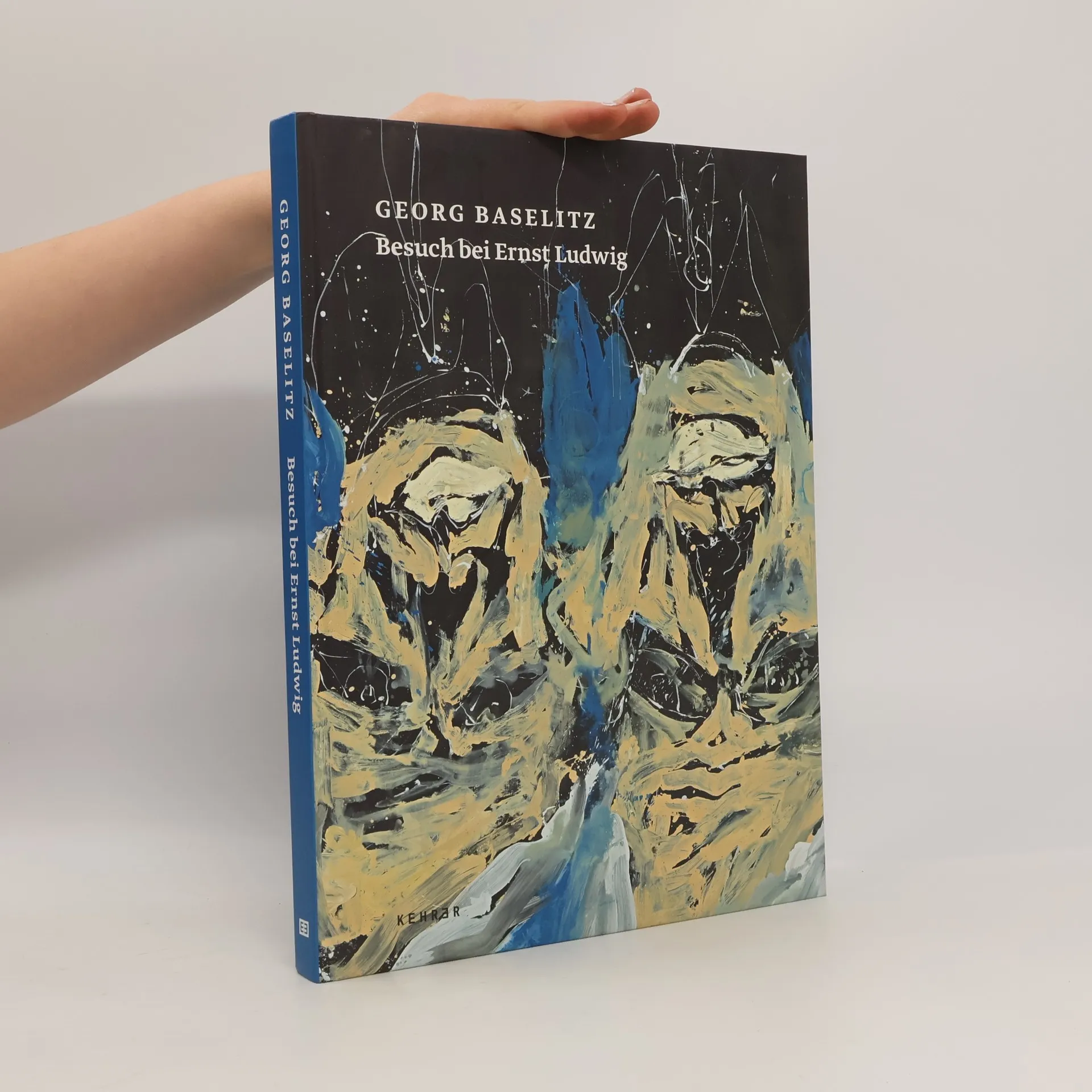
This exhibition catalog compiles paintings, sculptures, and drawings by Georg Baselitz (b. 1938) during the various phases of his career as an artist. The exhibition opens with important works created during the early 1980s. In 2005, Baselitz revisited his earlier works consisting of cycles of painted visual memories based on old family photographs and his own drawings as a child, and began working on new and different versions of the artworks that he produced several decades ago. He created what have been called remix paintings as well as entire series of ink drawings that feature the heads of Edvard Munch, Ernst Ludwig Kirchner, Karl Schmidt-Rottluff, and Erich Heckel. Baselitz returned to the theme of family again for several of his later paintings, including one painting of a couple that represents a direct reference to Ernst Ludwig Kirchner and his life partner Erna Schilling. Later he used negative images to create double portraits of Edvard Munch, Ernst Ludwig Kirchner, Karl Schmidt-Rottluff and Erich Heckel, which in turn serve to refer back to his friends of the artists’ community »Brücke.« This catalog draws on numerous examples to illustrate the multifaceted artistic aspects of the relationship between Baselitz and Kirchner.
Anselm Wagner Libros


Josef Zekoff
- 32 páginas
- 2 horas de lectura
Josef Zekoff erforscht in seinen Arbeiten den menschlichen Ort als verletzliche Figur und als archaische Objekte, die mehr in der Mythologie verankert sind als in der Realität. Seine Gemälde fungieren als Sinnbilder des Aufnehmens und Erinnerns, während abstrakte Wegsysteme die Ungewissheit der Positionsbestimmung thematisieren. Anlässlich seiner Ausstellung im Kunstverein Heppenheim präsentiert Zekoff ein außergewöhnliches Künstlerbuch, das eine Auswahl seiner jüngsten Gemälde und handgebundene Zeichnungen enthält, die das Buch in eine zeitgenössische Dimension öffnen.
Ein Pavillon für die Kunst
im Salzburger Mirabellgarten
Der Ausstellungspavillon im Salzburger Zwergelgarten wurde 1950 anlässlich einer großen Retrospektive des Nazi Bildhauers Josef Thorak errichtet, welche die gesamte Parkanlage westlich des Mirabellgartens einbezog. Erstmals wird das Gebäude nun einer architekturhistorischen Analyse unterzogen: Im Zentrum steht dabei der Architekt des Pavillons, Karl Mayr (1902–1979), der als preisgekrönter Holzmeister-Schüler einen der bedeutendsten modernen Sakralbauten Oberschlesiens schuf, sich dann in den Dienst Hitlers stellte und nach dem Krieg als Stadtplaner und VdU Politiker im Salzburger Landtag wirkte. In Wort und Bild macht dieses Buch die wechselvolle Geschichte des Pavillons und seines Planers erlebbar. In ihr bündeln sich wie in einem Brennglas die postfaschistische Restauration nach 1945, die Kulturpolitik der Besatzungsmacht USA und die Architektur der „alten Sachlichkeit“, welche das Baugeschehen der Mozartstadt bis weit in die 1960er Jahre prägte. Heute dient der „Zwergelgartenpavillon“ der Galerie der Stadt Salzburg als Sommerquartier. Künstler: innen schätzen sein schlichtes, atmosphärisches Interieur und die zentrale Lage.
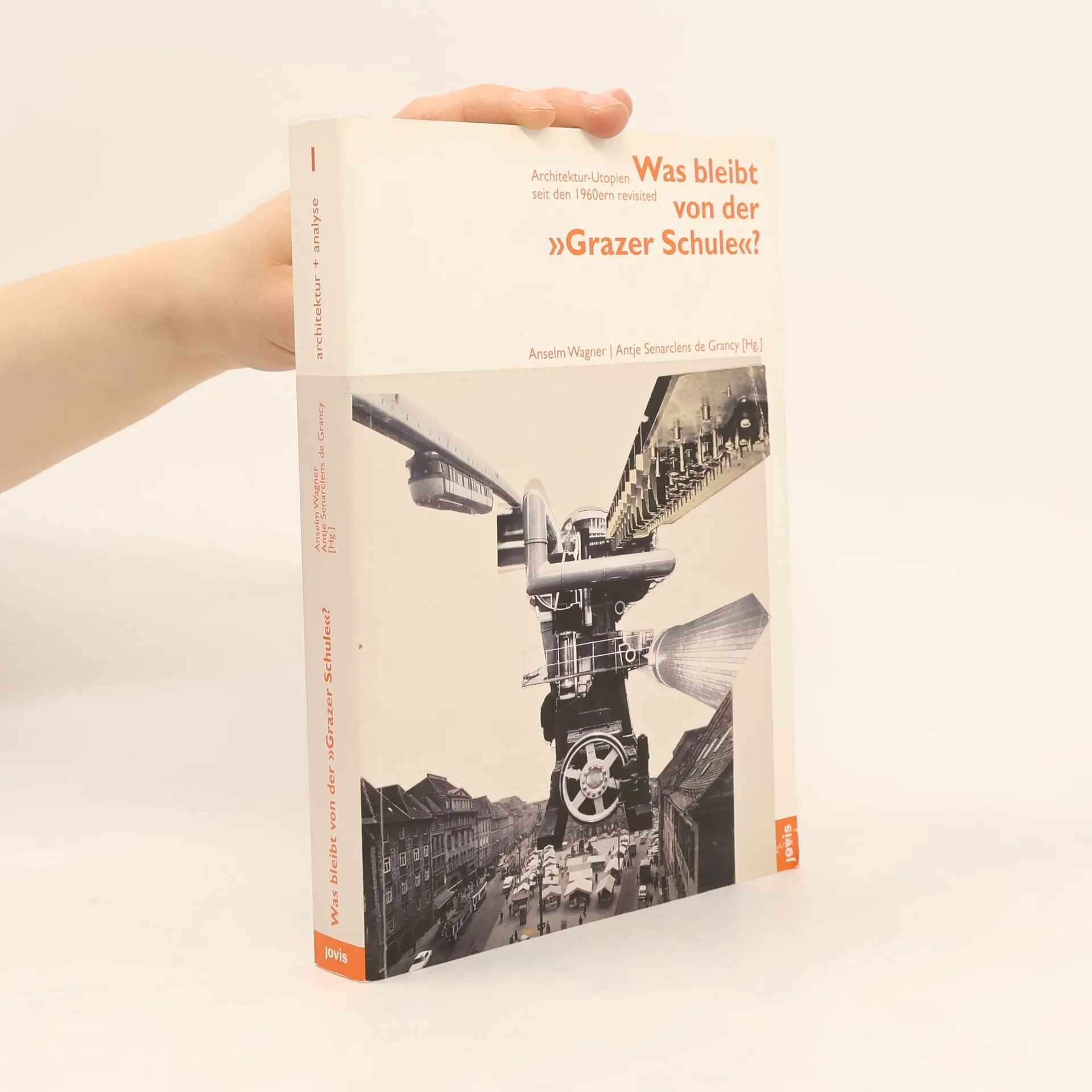
Architektur + Analyse - 1: Was bleibt von der „Grazer Schule“?
Architektur-Utopien seit den 1960ern revisited
- 304 páginas
- 11 horas de lectura
Bis heute zählt die „Grazer Schule“ zu den bekanntesten Phänomenen der österreichischen Architektur des 20. Jahrhunderts. Anders als bisherige Publikationen, die sich mehr auf die expressive, dekonstruktivistische Formensprache der „Grazer Schule“ konzentrierten, wird in der vorliegenden Publikation der Schwerpunkt auf die weniger bekannten utopischen Entwürfe und strukturalistischen Konzepte der 1960er gelegt, die von den Architekturstudenten der Technischen Hochschule Graz entwickelt worden sind. Neben analytischen Aufsätzen enthält der Band zahlreiche persönliche Essays der damaligen Protagonisten.
Abfallmoderne
Zu den Schmutzrändern der Kultur: Tagungsband (Grazer Edition)
- 319 páginas
- 12 horas de lectura