Bookbot

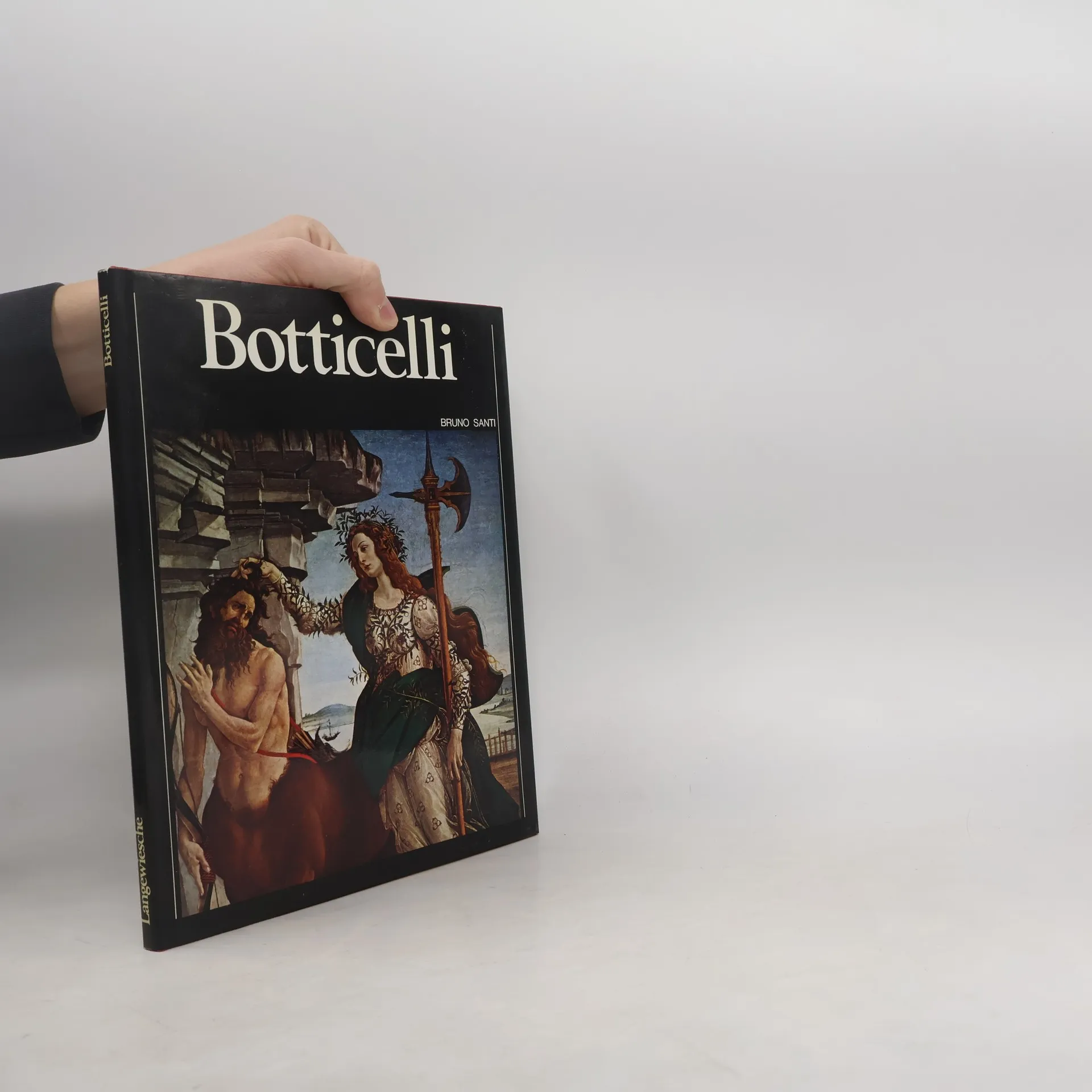
Bruno Santi

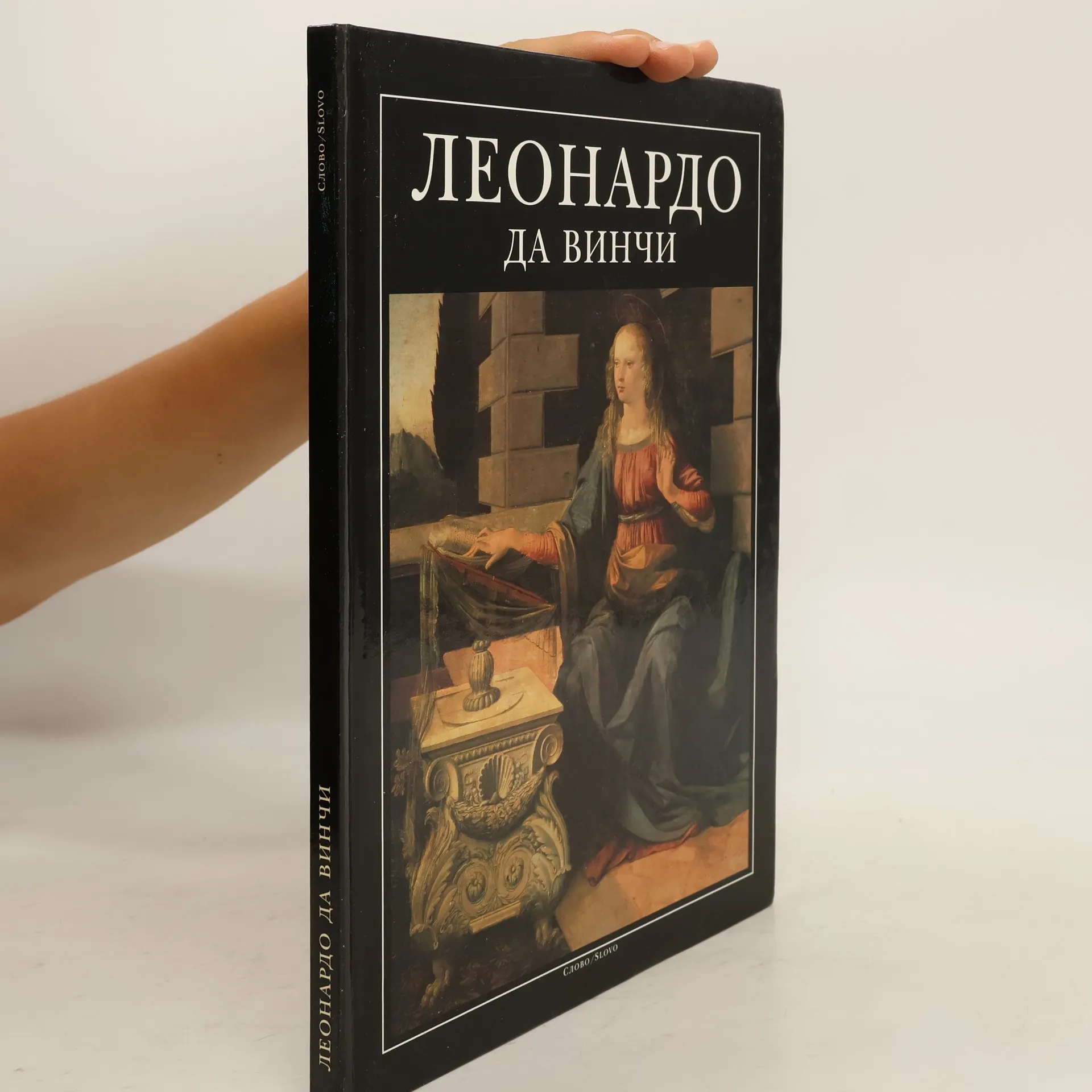
    Леонардо Да Винчи. Leonardo Da Vinchi
    Botticelli
    San Lorenzo
    Leonardo
    San Miniato
    Cuaderno de notas
    • Cuaderno de notas

      • 344 páginas
      • 13 horas de lectura

      For lovers of timeless classics, this series of beautifully packaged and affordably priced editions of world literature encompasses a variety of literary genres, including theater, novels, poems, and essays. Los lectores tomar�n un gran placer en descubrir los cl�sicos con estas bellas y econ�micas ediciones de literatura famosa y universal. Esta selecci�n editorial cuenta con t�tulos que abarcan todos los g�neros literarios, desde teatro, narrativa, poes�a y el ensayo.
      Cuaderno de notas
      4,4
    • Leonardo

      • 120 páginas
      • 5 horas de lectura
      Leonardo
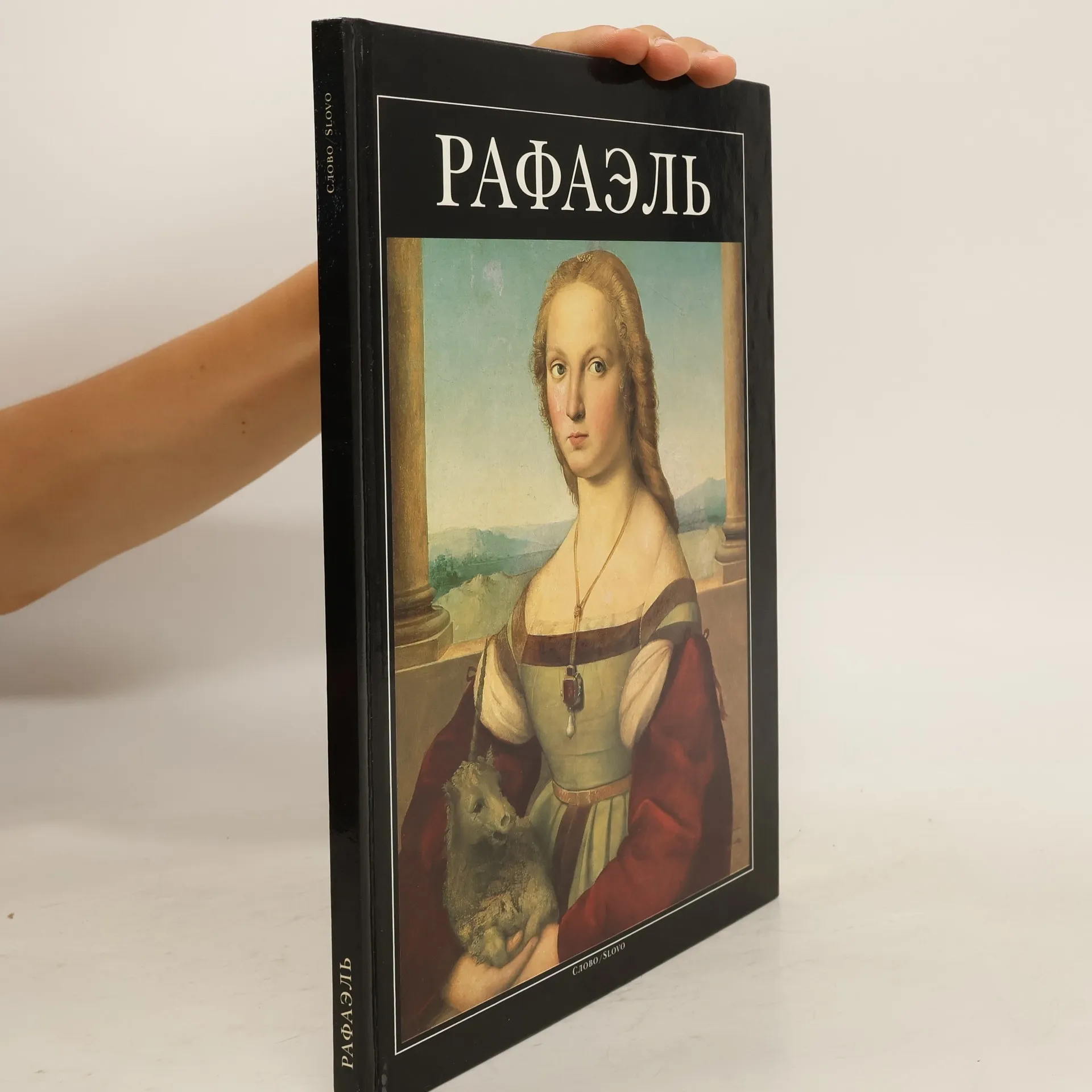
    • Рафаэль Санти родился в Урбино 6 апреля 1483 года. В начале XVI века Рафаэль встретил Пьетро Перуджино, который оказал на его живопись, возможно, большее влияние, чем любой другой художник: перуджинские мотивы можно выявить в одном из ранних произведений Рафаэля, алтарной картине для церкви Санта-Агостино в Читта-ди-Кастелло, над которой он работал вместе с Эвангелистой да Пьян ди Мелето. С 1509 года он находился в Риме, где его первым крупным проектом стало оформление Станцы делла Сегнатура, заказанное папой Юлием II. Рафаэль исследует произведения, созданные этим художником на протяжении всей его жизни, от его начала в Урбино до периода во Флоренции и времени в Риме. Работа Рафаэля над Станцей делла Сегнатура рассматривается в некоторых деталях.

      Рафаэль. Rafael.
    • Raffael is a true universal genius of the High Renaissance, renowned as a painter and architect in Florence and Rome, working under the patronage of popes and princes. His masterful drawings illustrate his thought and working processes from initial design to final composition. This volume gathers around 150 drawings and paintings, encompassing all significant projects of the artist. Raffael (1483-1520) ranks among the most important masters in art history, alongside Leonardo da Vinci and Michelangelo. The most significant and beautiful drawings and paintings presented here provide an overview of all his creative phases, from the early Umbrian period through his years in Florence to his time in Rome. This wealth of material allows for an examination of Raffael's design methods and his preparatory processes for panel and canvas paintings as well as frescoes. Another focus is on the materials he used, such as silverpoint, pen, ink, charcoal, and red chalk, to achieve specific artistic objectives.

      Raffael