Imagined Life
- 288 páginas
- 11 horas de lectura


La ficción de Andrew Porter profundiza en las complejidades de la conexión humana y la búsqueda de significado en la vida cotidiana. Su prosa se caracteriza por un lenguaje preciso y agudas percepciones de la psique humana. Porter explora frecuentemente temas de identidad y alienación, navegando el delicado equilibrio entre la esperanza y la desilusión. Enfatiza la profundidad de la experiencia y la representación emocional matizada, ofreciendo a los lectores un viaje literario introspectivo y resonante.

At a pivotal moment in his life, Steven Mills embarks on a journey to uncover the mystery surrounding his father's disappearance in 1984. As he travels along the California coast, he reconnects with his father's past through conversations with friends and family, revealing layers of his father's character and secrets from his own childhood. This exploration leads Steven to confront uncomfortable truths about his life and relationships. The novel delves into themes of nostalgia, the complexities of parental bonds, and the challenges of understanding one's roots.
A collection of stories that trace the threads of loss and displacement running through all our lives, by the acclaimed, award-winning author of The Theory of Light and MatterA husband and wife hear a mysterious bump in the night. A father mourns the closeness he has lost with his son. A friendship with a married couple turns into a dangerous codependency. With gorgeous sensitivity, assurance, and a propulsive sense of menace, these stories center on disappearances both literal and figurative--lives and loves that are cut short, the vanishing of one's youthful self. From San Antonio to Austin, from the clamor of a crowded restaurant to the cigarette at a lonely kitchen table, Andrew Porter captures each of these relationships mid-flight, every individual life punctuated by loss and beauty and need. The Disappeared reaffirms the undeniable artistry of a contemporary master of the form.
Dit is na de verhalenbundel 'De theorie van licht en materie' uit 2010 de eerste roman van deze Amerikaanse auteur (1972), docent Engelse letterkunde in Texas. De in Houston wonende familie Harding staat op het punt uiteen te vallen. Vader Elson, ooit een veelbelovende architect, en zijn vrouw Cadence, gaan na dertig jaar huwelijk scheiden. Hun zoon Richard, een homoseksuele dichter, kan maar niet besluiten welke studie hij moet kiezen. Alles wordt versneld als dochter Chloe van de Universiteit van Stratham blijkt te zijn gestuurd en maar niet wil vertellen waarom. Het blijkt te maken te hebben met een wraakactie van haar Indiase vriend Raja op racistische acties van een blanke studiegenoot. De ware toedracht blijft lang onzeker en de spanning stijgt als Chloe en Raja verdacht worden van poging tot doodslag en onder druk op de vlucht slaan. De auteur staat via verschillende perspectieven van de familieleden uitgebreid stil bij hun psychologische overwegingen, die als doel hebben om het in het reine te komen met hun keuzes in het verleden. Het levert door zijn vloeiende en prikkelende stijl een even boeiend als intens werk op, dat zich makkelijk kan meten dat van Jonathan Franzen, maar optimistischer blijft dan dat van bijvoorbeeld Richard Yates.
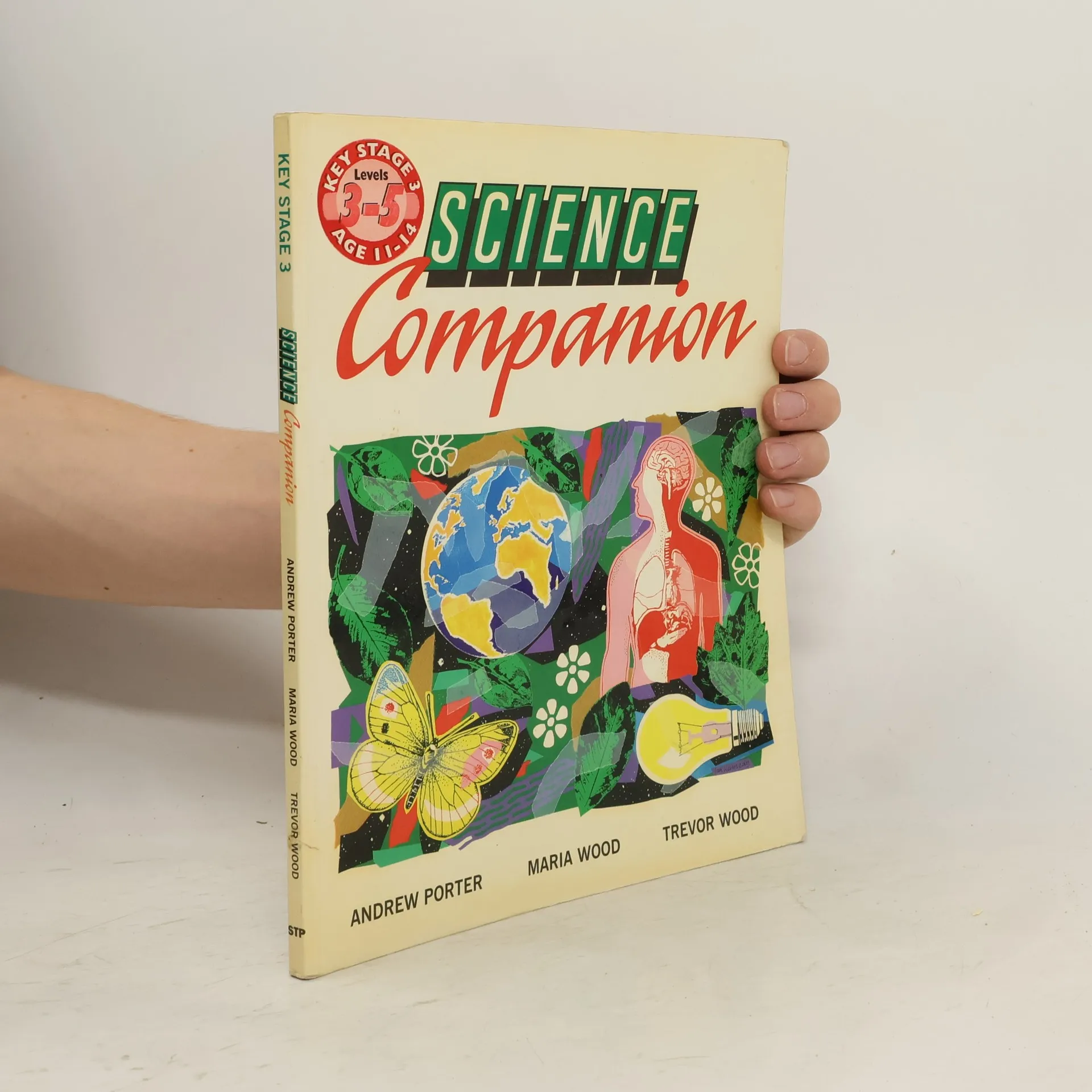
The relevant pages from the 3-7 book and have been re-written with a low reading age.The 3-5 and 3-7 books can be used together in a mixed ability class or separately. Pupils can move easily between both books; giving flexible, cost effective differentiation.
Short tears to edges of shelf worn dust jacket. . Shipped from the U.K. All orders received before 3pm sent that weekday.
El oro del Rhin, prólogo de la Tetralogía (El anillo del Nibelungo) de Wagner, fue compuesta a partir de 1853, con texto y música del compositor, y acabada en 1854. Aunque Wagner no deseaba representar El oro del Rhin separada de las demás partes del ciclo (La Walkiria y El ocaso de los dioses) y prefería esperar a la construcción del teatro de Bayreuth (proyectado ex profeso para la Tetralogía), la presión de las subvenciones reales lo obligó a estrenarla antes en Múnich, en 1869. Inicialmente, Wagner quiso que su ciclo se centrara en la figura mitológica de Siegfried, un héroe llamado a combatir la corrupción del oro y la violencia y a anunciar una nueva sociedad basada en el amor, pero, tras el fracaso de la Revolución de 1848, de signo liberal, el compositor renunció al carácter utópico de su proyecto, así como a su héroe del futuro, dándole el protagonismo al único responsable del desastre, Wotan, el padre de los dioses. El optimista drama heroico se convirtió en elegía pesimista y resignada, y en una de las obras cumbres de la ópera. Esta edición es una de las pocas que incluye los leitmotiv (o temas conductores) junto al texto original y traducido.