The Republic of False Truths
- 464 páginas
- 17 horas de lectura
'Al Aswany is a voice worth hearing from a country of which we know far too little.' - Sunday Times





'Al Aswany is a voice worth hearing from a country of which we know far too little.' - Sunday Times
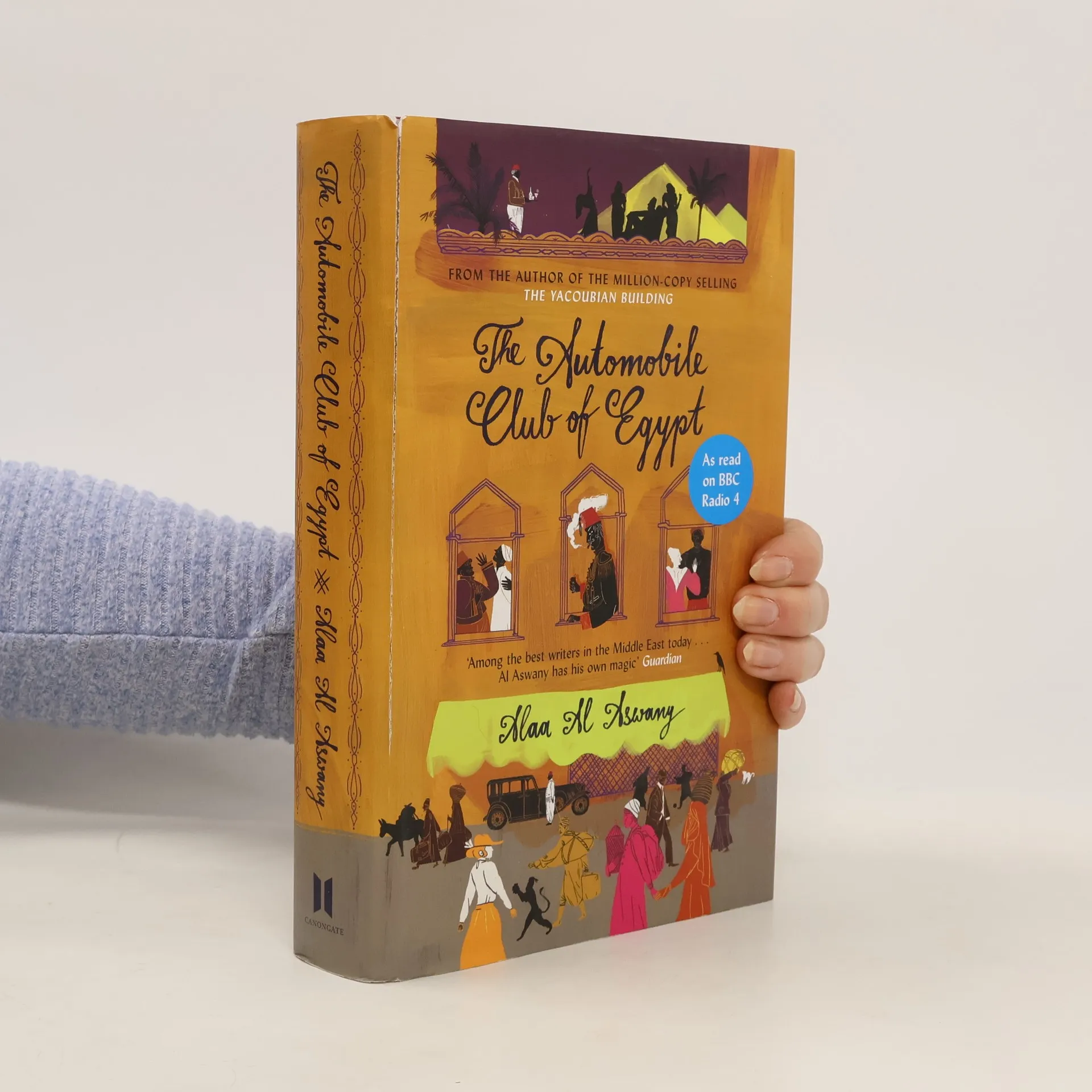
From the bestselling author of The Yacoubian Building comes a novel bursting at the seams with Egyptian life'Among the best writers in the Middle East today . . . Al Aswany has his own magic' Guardian
Sex, money, and politics are the driving forces of society in this novel from best-selling author Alaa Al Aswany.
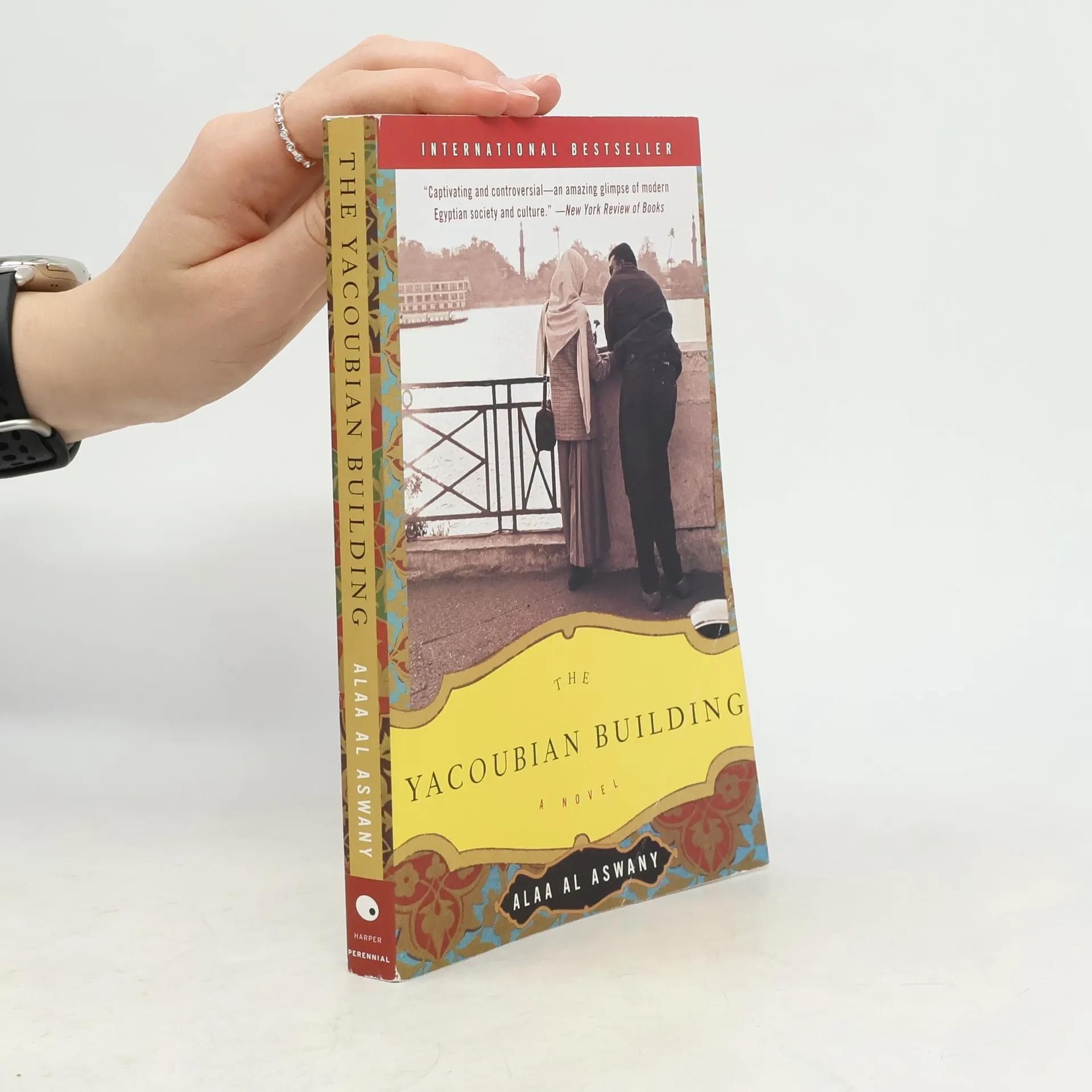
This controversial bestselling novel in the Arab world reveals the political corruption, sexual repression, religious extremism, and modern hopes of Egypt today. All manner of flawed and fragile humanity reside in the Yacoubian Building, a once-elegant temple of Art Deco splendor now slowly decaying in the smog and bustle of downtown Cairo: a fading aristocrat and self-proclaimed "scientist of women"; a sultry, voluptuous siren; a devout young student, feeling the irresistible pull toward fundamentalism; a newspaper editor helplessly in love with a policeman; a corrupt and corpulent politician, twisting the Koran to justify his desires. These disparate lives careen toward an explosive conclusion in Alaa Al Aswany's remarkable international bestseller. Teeming with frank sexuality and heartfelt compassion, this book is an important window on to the experience of loss and love in the Arab world.
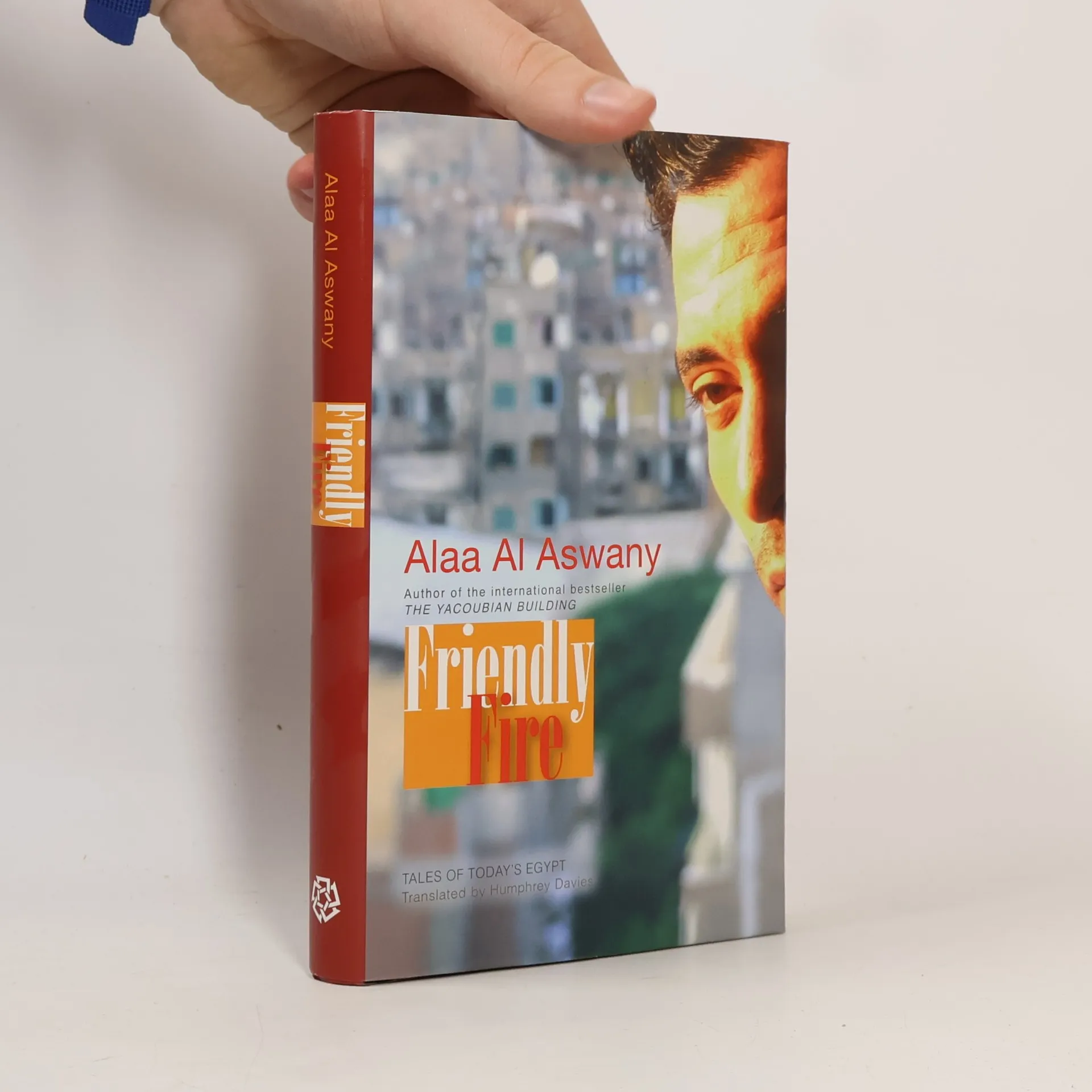
Nine short stories and a novella make up this latest offering by Alaa Al Aswany, author of The Yacoubian Building. As in that novel, Al Aswany dissects modern Egyptian society and reveals with skill and detachment the hypocrisy, violence, and abuse of power characteristic of a world in moral crisis. Here, though, the focus has shifted from the broad historical canvas to the minute stitches of pain that hold together an individual, a family, a school classroom, or the relationship between a man and a woman. Can a man so alienated from his society that he regards all its members as no better than microbes wriggling under a microscope survive within it? Can cynical religiosity triumph over human decency? Can a man put the thought of a delicious dish of beans behind him long enough to mourn his father's death? Alongside these wry questions, other, less mordant perspectives also have their place: an aging cabaret dancer bestows the blessing of a vanished world on her lover's son; a crippled boy wins subjective victory from objective disaster. In Friendly Fire, readers will find again the vivid, passionate characters of today's Cairo, clamoring to be heard.
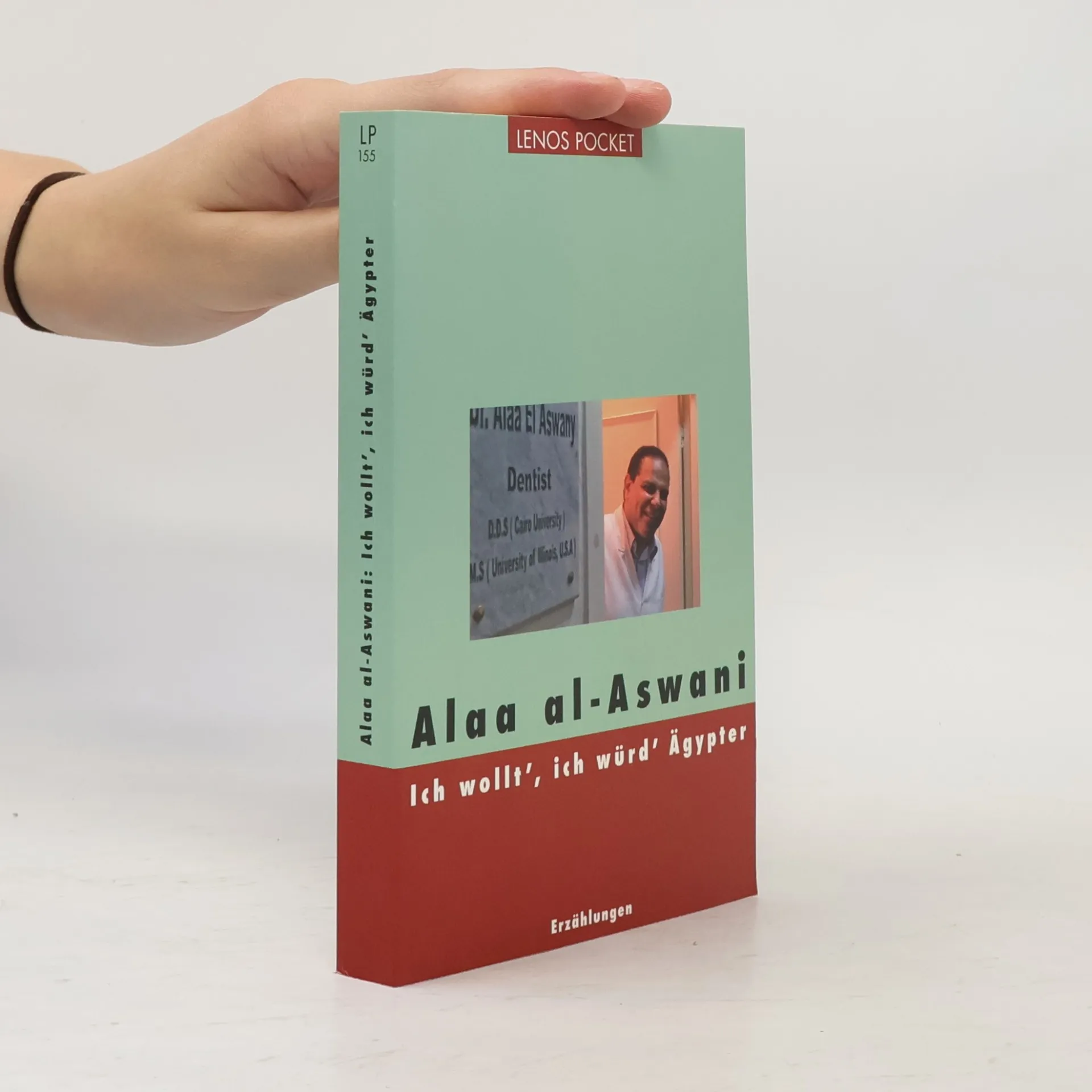
Ich wollt, ich würd Ägypter, wenn ichs nicht schon wär.
In al-Aswanis Roman über ein Kairoer Wohnhaus leben die Armen beengt auf dem Dach, während in den unteren Etagen ein Grundbesitzer, ein Chefredakteur und kriminelle Neureiche neben enteigneten Adligen wohnen. Die Schicksale der Bewohner verweben sich und bilden einen Mikrokosmos für Ägypten.
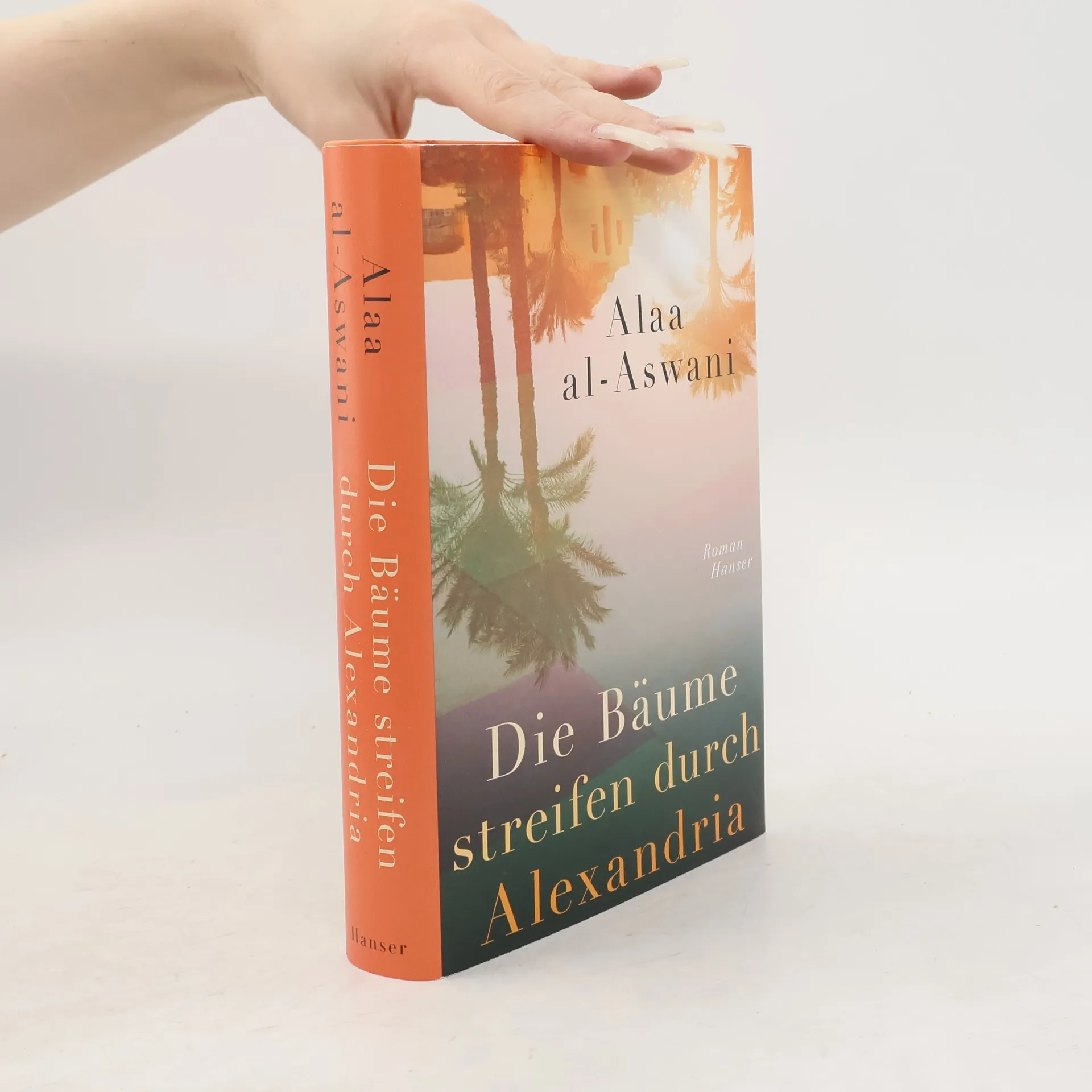
Der große Alexandria-Roman des bedeutendsten arabischsprachigen Autors der Gegenwart: In den sechziger Jahren trifft sich eine Gruppe von Freunden – ein Grieche, ein Italiener, eine Französin sowie ein Jude und ein Araber – in einem Café in Alexandria, um Widerstand zu leisten gegen die ausländerfeindliche Politik der Regierung Nassers. Die bunte Gesellschaft spricht Arabisch miteinander, sie alle verstehen sich als Teil des kosmopolitischen Alexandria. Doch der Nationalismus der verblendeten Herrscher treibt sie auseinander und zerstört nicht nur ihre kleine Gemeinschaft, sondern die multikulturelle Essenz der legendären Hafenstadt. Spannend und mit schwarzem Humor erzählt Alaa al-Aswani von der vergebenen Chance einer offenen Gesellschaft in Nahost.