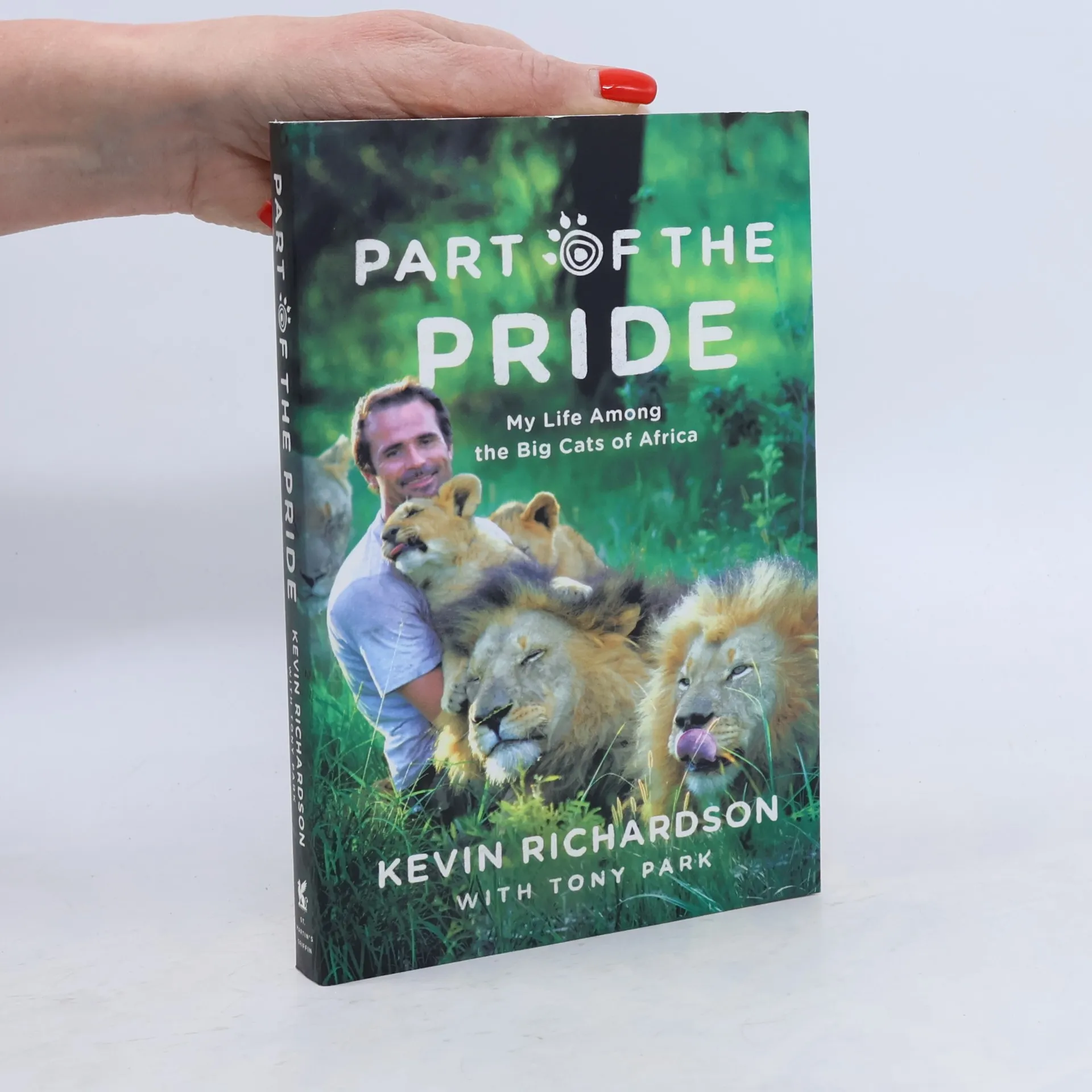
In "Part of the Pride", Kevin Richardson, recently dubbed "The Lion Man" on 60 Minutes , tells the story of how he grew from a young boy who loved animals to become a man able to cross the divide between humans and predators, looking some of the world's most dangerous animals directly in the eye, playing with them and even kissing them on the nose-all without ever being attacked or injured. As a self-taught animal behaviorist, Richardson has broken every safety rule known to humans when working with these wild animals. Flouting common misconceptions that breaking an animal's spirit with sticks and chains is the best way to subdue them, he uses love, understanding and trust to develop personal bonds with them. His unique method of getting to know their individual personalities, what makes each of them angry, happy, upset, or irritated has caused them to accept him like one of their own into their fold. Richardson allows the animals' own stories to share center stage as he tells readers about Napoleon and Tau, the two he calls his "brothers"; the amazing Meg, a lioness Richardson taught to swim; the fierce Tsavo who savagely attacked him; and the heartbreaking little hyena called Homer who didn't live to see his first birthday. In "Part of the Pride", Richardson, with novelist Tony Park, delves into the mind of the big cats and their world to show readers a different way of understanding the dangerous big cats of Africa.