Charles Alexander Eastman (1858-1939) was a mixed-blood Sioux, born to a lineage that included Chief Cloudman's daughter and the renowned artist Captain Seth Eastman. His mother passed away shortly after his birth, and during the Sioux Uprising of 1862, he was separated from his father. Fleeing to Canada with his grandmother and uncle, he learned traditional Indian ways until reuniting with his father at age fifteen in South Dakota. Eastman became a prominent figure, earning a Bachelor of Science from Dartmouth in 1887 and a medical degree from Boston University in 1890. His medical career began at the Pine Ridge Agency, where he witnessed the events leading to the Wounded Knee massacre. Throughout his life, he aimed to foster understanding between Native and non-Native Americans. He authored two autobiographical works, Indian Boyhood (1902) and From the Deep Woods to Civilization (1916), along with nine other books, some co-written with his wife, Elaine Goodale Eastman. In The Soul of the Indian, first published in 1911, Eastman sought to depict the religious life of the typical American Indian before European contact.
Charles Alexander Eastman Libros
Charles Alexander Eastman se destaca entre los autores nativos americanos, uniendo los mundos de la narración tradicional y la erudición formal. Criado en las costumbres tradicionales de los Sioux del Bosque por su abuela, adquirió una comprensión íntima y de primera mano de la forma de vida, el idioma y la historia oral de su pueblo. Más tarde, cursó una educación formal y se convirtió en médico, atendiendo a las víctimas de la masacre de Wounded Knee. Esta perspectiva dual única le permitió documentar su herencia cultural con autenticidad, sin la mediación de traductores u observadores externos.

Hozho--Walking in Beauty
Native American Stories of Inspiration, Humor, and Life
- 256 páginas
- 9 horas de lectura
Leading writers and poets, such as LeAnne Howe, Julian Lang, Caren Wallace, and Sulieman Allen, contribute to this collection of stories that captures the Native American spirit, humor, and reality. "Hozho," the Navajo word meaning walking in beauty, explores such themes as invisibility, transcendence, the oral tradition, and the role of humor and irony in Indian culture.
Duše Indiána a jiné spisy
- 86 páginas
- 4 horas de lectura
Krátký, ale naléhavý spisek, přibližující původní, evropskou kulturou dosud nedotčenou filosofii a způsob myšlení Indiánů a podíl křesťanství na rozvrácení jejich tradičního způsobu života. Autorem je příslušník kmene Santí, patřící k národu Dakotů, který vystudoval americké školy, aby pochopil jednání bílých, ale v srdci i v duši zůstal hrdým Indiánem. Kniha, která s přímočarostí Indiánům vlastní přibližuje podstatu indiánské filosofie a přístupu ke světu a zároveň se snaží nalézt styčné body mezi duchovními světy Indiána a bělocha.
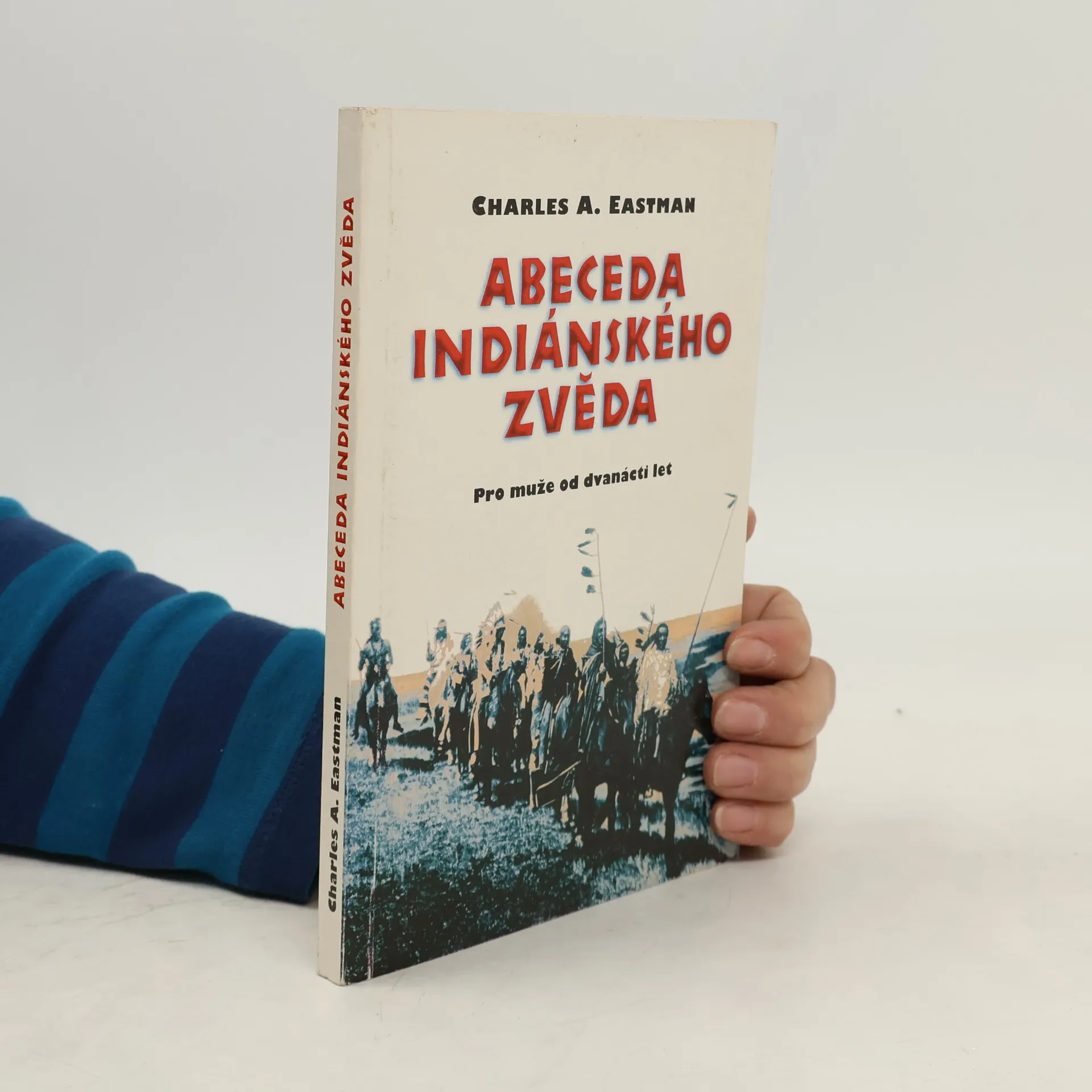
Abeceda indiánského zvěda
- 139 páginas
- 5 horas de lectura
Pro muže od dvanácti let. Výchova indiánského chlapce - život v těsném kontaktu s přírodou, důvěrná znalost zvířat a rostlin, hry a naslouchání příběhům posilující tělo i ducha - již mnohokrát osvědčila udivující schopnost rozvíjet kladné charakterové vlastnosti. V této knize popisuje Ch. Eastman, čistokrevný siouxský indián, své mládí, spadající do sedmdesátých a osmdesátých let minulého století - vědění, hry i pocity chlapce, který se připravuje na svůj budoucí život bojovníka a zvěda.
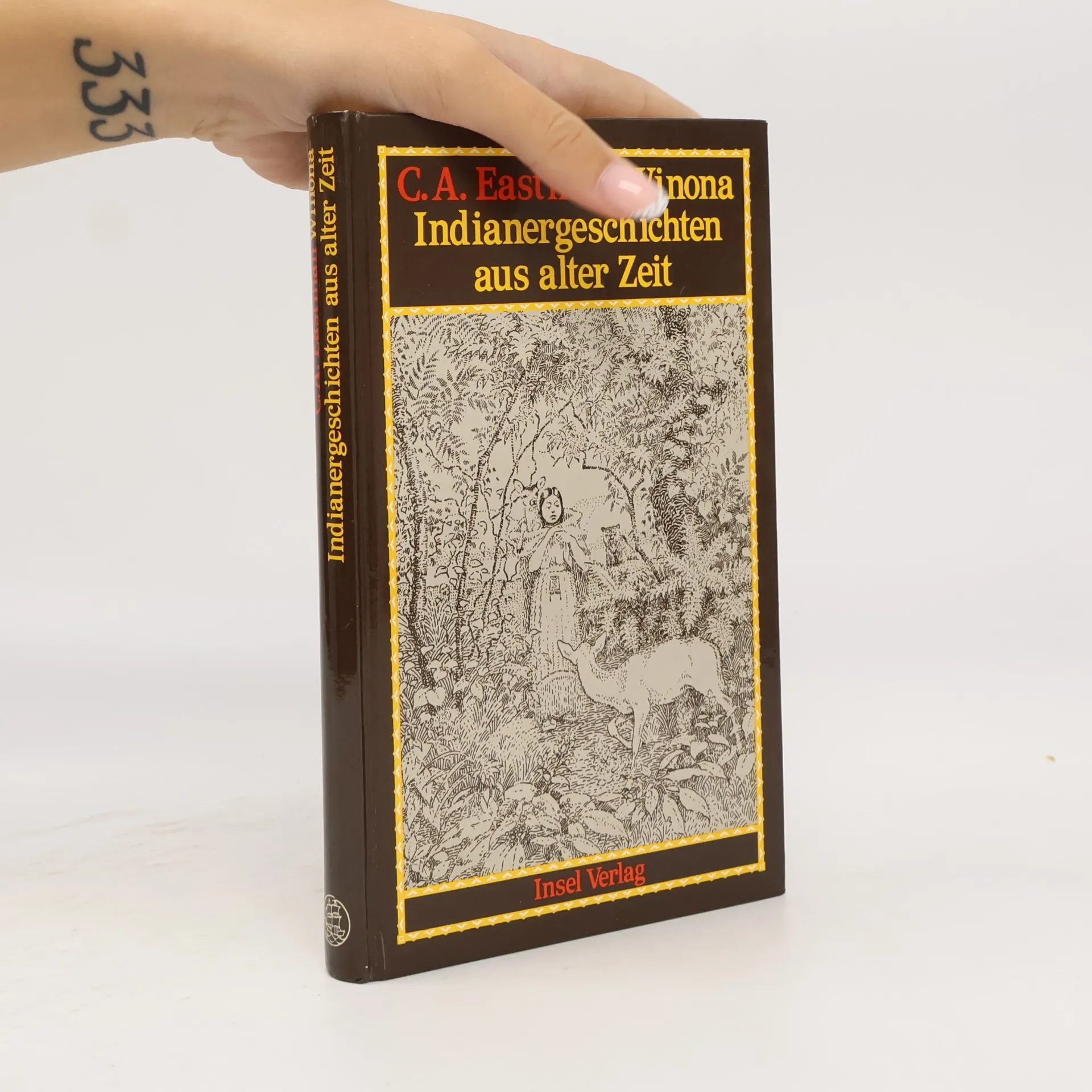
"Diese Geschichten aus altindianischem Leben, vor allem die Erzählungen von den tapferen und doch echt weiblichen Frauen unseres Volkes, widme ich meinen Töchtern." (Charles A. Eastman)
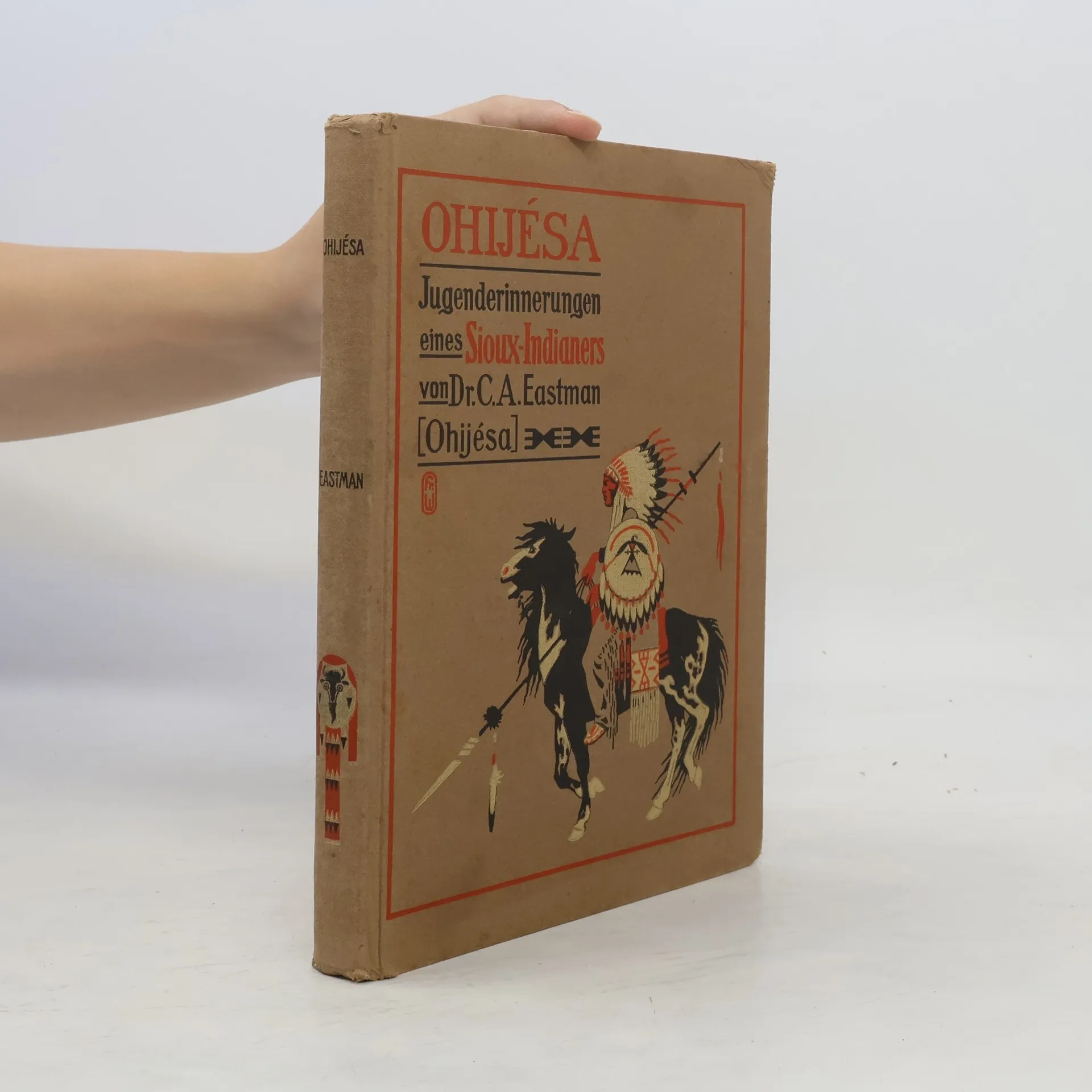
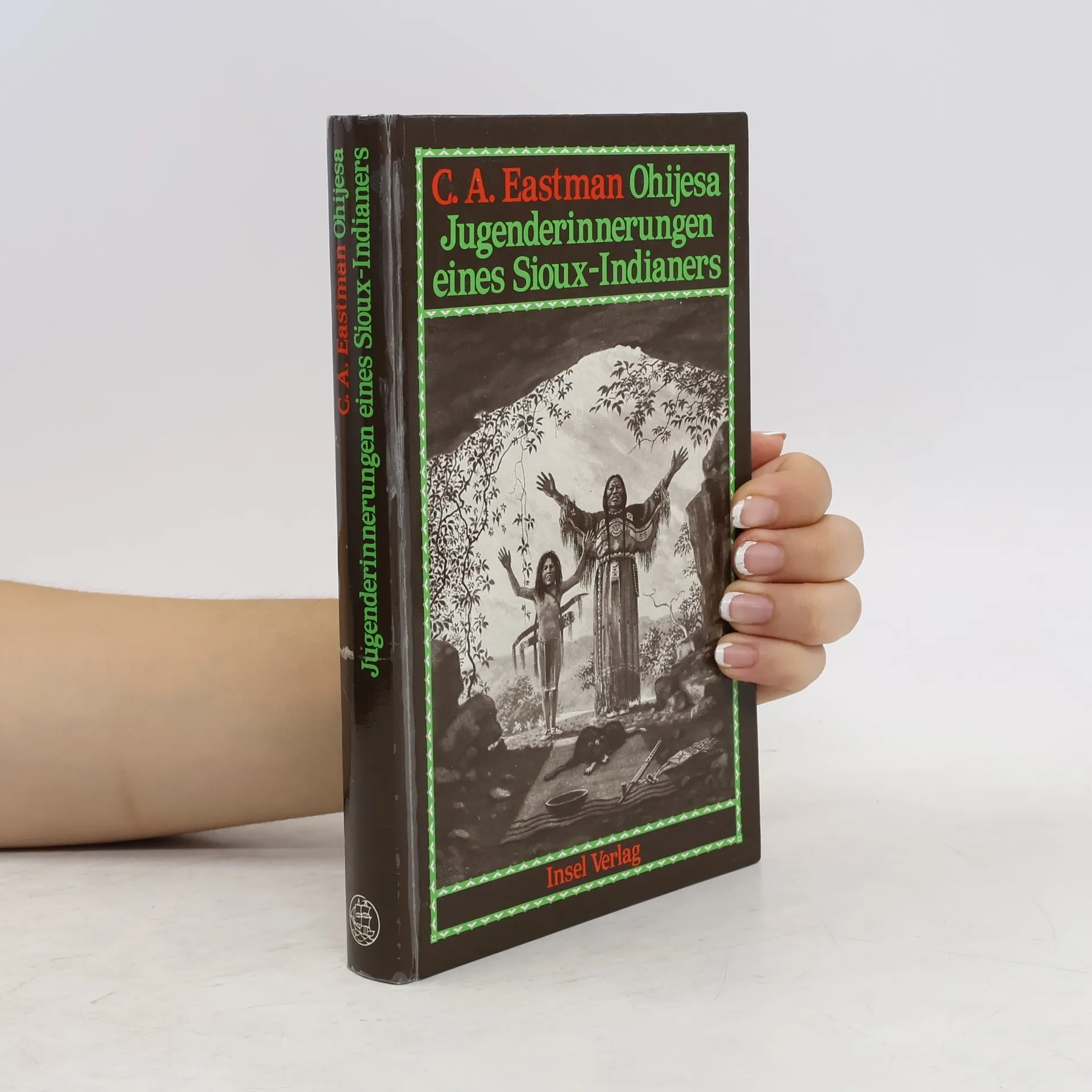
Ohijesa
- 223 páginas
- 8 horas de lectura
Ohijésa
Jugenderinnerungen eines Sioux-Indianers