„Teraz wolne przed nami światy i wolne kraje. Żeglarz polski będzie mógł dzisiaj wszędzie dotrzeć pod znakiem Białego Orła, cały świat stoi mu otworem”. Te słowa generała Józefa Hallera z 10 lutego 1920 roku, kiedy to symbolicznie połączył Polskę z morzem, wprowadzają nas w temat książki o polskiej flocie handlowej okresu II RP. Po odzyskaniu niepodległości Polska zaczęła tworzyć swoją flotę handlową, mimo trudności związanych z ograniczonym dostępem do Morza Bałtyckiego. Gdynia, niewielka osada, stała się kluczowym portem, a książka Witolda Koszeli szczegółowo opisuje historię statków, które budowały polską gospodarkę morską. W publikacji znajdziemy losy takich jednostek jak Batory, Sobieski czy Dar Pomorza, wzbogacone licznymi fotografiami i rysunkami. Koszela, znany marynista z Rzeszowa, koncentruje się na historii tych statków, ich budowie oraz ludziach związanych z morzem. Jego prace, w tym „Polskie statki pasażerskie” i „Niszczyciele Polskiej Marynarki Wojennej”, zdobywają uznanie także za granicą. Koszela jest autorem wielu monografii i artykułów, które wzbogacają wiedzę o polskiej flocie i jej dziedzictwie.
Witold Koszela Orden de los libros


- 2023
- 2023
Mathy mógł w końcu wydać rozkaz zrzucenia bomb na śpiące miasto. Jego znajomość Londynu sprzed wojny dawała mu przewagę nad innymi niemieckimi dowódcami. Z sterowca zaczęły spadać bomby, niszcząc obszar od Queen Square do Liverpool Station. W wyniku ataku zginęło 109 osób, w tym 22 śmiertelnie, a zniszczenia były ogromne. Książka opisuje sterowce, niezwykłe obiekty latające z początku XX wieku, które mierzyły blisko 200 metrów długości. Te aerostaty, napełnione gazem lżejszym od powietrza, były dziełem hrabiego Ferdinanda von Zeppelina, a ich charakterystyczne kształty sprawiły, że stały się znane jako zeppelines. Wprowadziły nowy rodzaj działań bojowych podczas I wojny światowej, wywołując strach w brytyjskich miastach. Witold Koszela przedstawia historię ich powstania i wykorzystania oraz ludzi, którzy poświęcili dla nich życie. Książka wzbogacona jest licznymi fotografiami i rysunkami, ukazującymi sylwetki jednostek oraz detale ich budowy. Koszela, znany marynista, koncentruje się na historii jednostek, ich budowie oraz związanych z nimi wydarzeniach. Jego publikacje, w tym monografie rysunkowe i artykuły, zdobywają coraz większe uznanie, zarówno w kraju, jak i za granicą.
- 2022
The HMS Furious stands out as a unique British airship carrier during World War II, showcasing innovative naval technology. The book delves into its operational history, highlighting the strategic significance and challenges faced by this unconventional vessel. Readers will explore the intricacies of airship warfare and the role of the Furious in the broader context of naval operations during the war, providing insights into its legacy and impact on military strategy.
- 2022
The French Battleship Jean Bart
- 24 páginas
- 1 hora de lectura
The French battleship "Jean Bart" together with the twin "Richelieu" was among the largest and most modern ships of this class that served in the Marine Nationale. Their construction was based on the experience gained during the construction of Dunkerque battleships, smaller and less armed units, but quite modern for their times. A characteristic feature of the aforementioned ships, including the "Jean Bart", was the unusual layout of the main artillery concentrated in two four-barrel turrets located in the fore part, while medium caliber artillery was located in the stern part. This, in combination with the massive body of the command tower and the chimney "hidden" in the rest of the superstructures, created an amazingly presented silhouette of a beautiful and very dangerous ship. "Jean Bart" was built at the Ateliers et Chantiers de Saint-Nazarie (Penhoët) shipyard in Saint-Nazarie. The keel was laid on December 12, 1936. The ship was launched on March 6, 1940.
- 2022
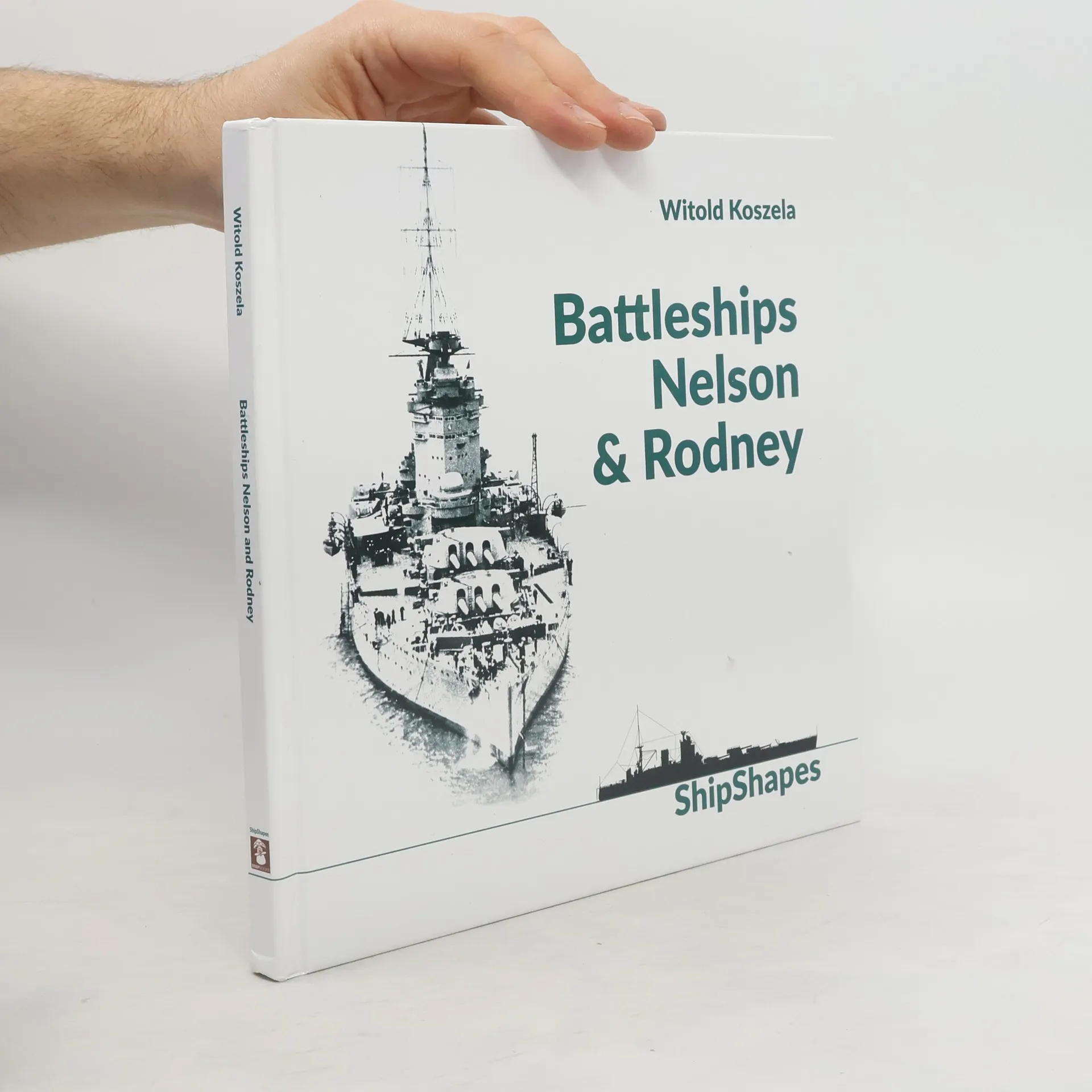
Witold Koszela, znany pisarz historyczny z Rzeszowa, specjalizuje się w marynistyce, badając historię okrętów, ich budowę oraz służbę. Jest autorem wielu publikacji, w tym "Polskie statki pasażerskie", "Niszczyciele Polskiej Marynarki Wojennej" oraz "Krążowniki Polskiej Marynarki Wojennej". Jego książki wyróżniają się szczegółowymi ilustracjami przedstawiającymi opisywane okręty oraz ich ewolucję. Koszela zdobył uznanie także za granicą, publikując tytuły takie jak "Battleships of the III Reich" i "Battleships Rodney & Nelson". W jego najnowszym opracowaniu, autor zbiera historie sowieckich pancerników, które służyły pod rządami jednego z najokrutniejszych dyktatorów XX wieku. Choć było ich niewiele, odegrały istotną rolę w II wojnie światowej, broniąc kluczowych miast przed niemieckimi atakami. Koszela opisuje ich dzieje chronologicznie, koncentrując się na budowie, różnicach między jednostkami oraz historii służby, nie pomijając politycznych kontekstów i postaci wpływających na losy okrętów. Publikacja wzbogacona jest o liczne fotografie z prywatnych zbiorów oraz rysunki ukazujące sylwetki wszystkich omawianych pancerników, w tym projektowanych, ale nigdy nie zbudowanych.
- 2022
This book is a compilation in which we will find in one place (two volumes) the stories of all the German cruisers that were in Kriegsmarine service.
- 2022
The British battleship HMS "Vanguard" was built in the years 1941-1946 at the John Brown & Company shipyard in Clydebank. It was quite an unusual ship due to the fact that it was built as the largest and also the last of the British battleships, and armed with artillery towers stored since 1925, taken from the cruisers HMS "Courageous" and HMS "Glorious". It is widely regarded as Britain's best designed battleship, well-armed but also least needed. Design work began before World War II and was completed a year after its end, making it one of the longest-built ships in history. Her service, however, was quite short and lacking of interesting events. The unit was launched in 1944, and it entered service only two years later, so it did not have the opportunity to take part in World War II. The first major event in the history of the ship was the three-month journey to the British dominion of the Union of South Africa with George VI, Queen Mary and both daughters, Princess Elizabeth and Anne, on board between February and May 1947.
- 2022
"Moskva" gained its "fame" thanks to the spectacular sinking which took place during the hostilities during the Russian invasion of Ukraine in 2022.
- 2021
HMS Invincible was the lead ship of a class of British light aircraft carriers built between 1973 and 1985, originally designed as "through-deck cruisers" (TDC). This set them apart from conventional helicopter-carrying ships of the time, which typically featured a flight deck in the aft section of the vessel. Invincible-class carriers were the world's largest warships powered by gas turbines and featured a modular design which allowed replacement and upgrades of various elements of the propulsion system and equipment without the need for any structural modifications of the hull. A characteristic feature of the Invincible class was a "ski-jump" ramp at the end of the flight deck designed for VSTOL Sea Harriers, which at that time were state-of-the-art combat platforms. As designed, the ship was to carry five Sea Harriers and nine Sea King helicopters (six ASW variants and three transports).
- 2021
Cruisers of the III Reich: Volume 1
- 200 páginas
- 7 horas de lectura
The book offers a comprehensive collection of narratives detailing the history of all German cruisers that served in the Kriegsmarine. Presented in two volumes, it provides an in-depth look at these naval vessels, their operations, and significance during their service. This compilation is a valuable resource for enthusiasts of naval history and military studies, showcasing the intricacies of Germany's maritime forces.