Alyson Richman crea cautivadoras novelas históricas que profundizan en las complejidades del corazón humano en medio de momentos históricos cruciales. Sus narrativas son celebradas por su profundidad emocional y su narración inmersiva, transportando a los lectores a diferentes épocas y culturas. Richman explora magistralmente temas como el amor, la pérdida y el poder perdurable del espíritu humano. Su obra se caracteriza por un delicado equilibrio entre el detalle histórico y la resonancia emocional universal, lo que hace que sus historias sean inolvidables.
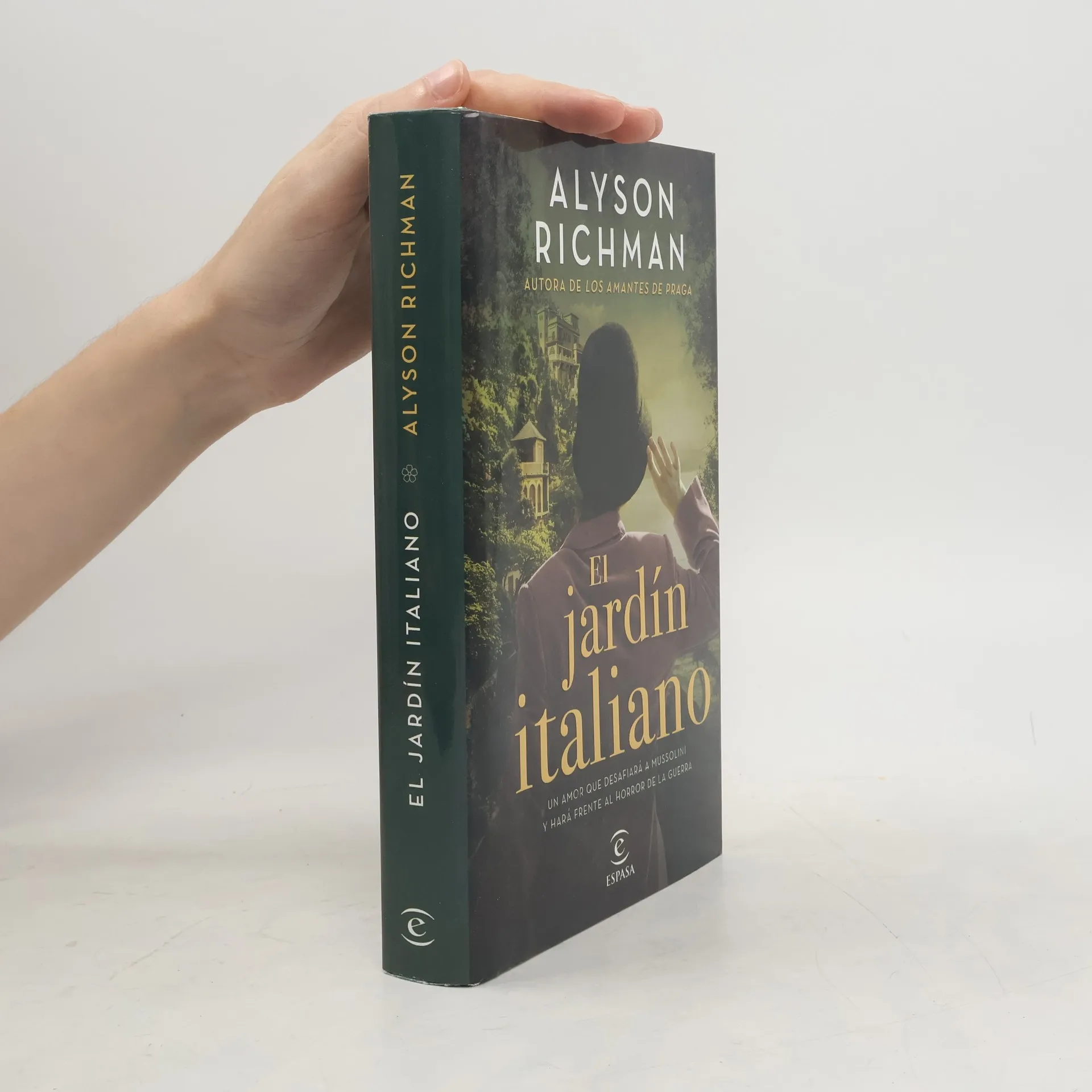
Es el año 1943 y en Italia están en el poder los fascistas. Elodie, quien hasta ahora se había dedicado únicamente a la música y había demostrado su extraordinario talento como prometedora violonchelista, se une al movimiento de resistencia italiano tras la muerte de su padre. Allí conoce su primer gran amor, pero cuando los alemanes ocupan el norte de Italia, debe huir de su natal Verona. Se embarca en un viaje que no solo le ayudará a encontrar seguridad, sino también un nuevo sentido a su vida.
Cuando los nazis amenazan con tomar París, una joven cierra para siempre el departamento de su abuela, dejando tras sus puertas tesoros inimaginables. Marthe de Florian, una famosa cortesana, buscó llenar su vida con arte y lujo, evadiendo recuerdos de una infancia marcada por la pobreza en Montmartre. Con la guerra a punto de estallar en Europa, utiliza sus preciadas posesiones para compartir su historia y secretos con su nieta Solange, quien aspira a ser escritora. Entre los tesoros, destacan un deslumbrante collar de perlas y un magnífico retrato de Marthe pintado por Giovanni Boldini. A medida que se desarrolla la historia de Marthe, Solange busca su propio camino para enfrentar los secretos familiares. La autora, Alyson Richman, se inspira en la verdadera historia de un departamento oculto en París durante más de medio siglo, dando vida a Solange, quien, obligada por la guerra, debe abandonar el legado de su abuela para salvar lo que ama.
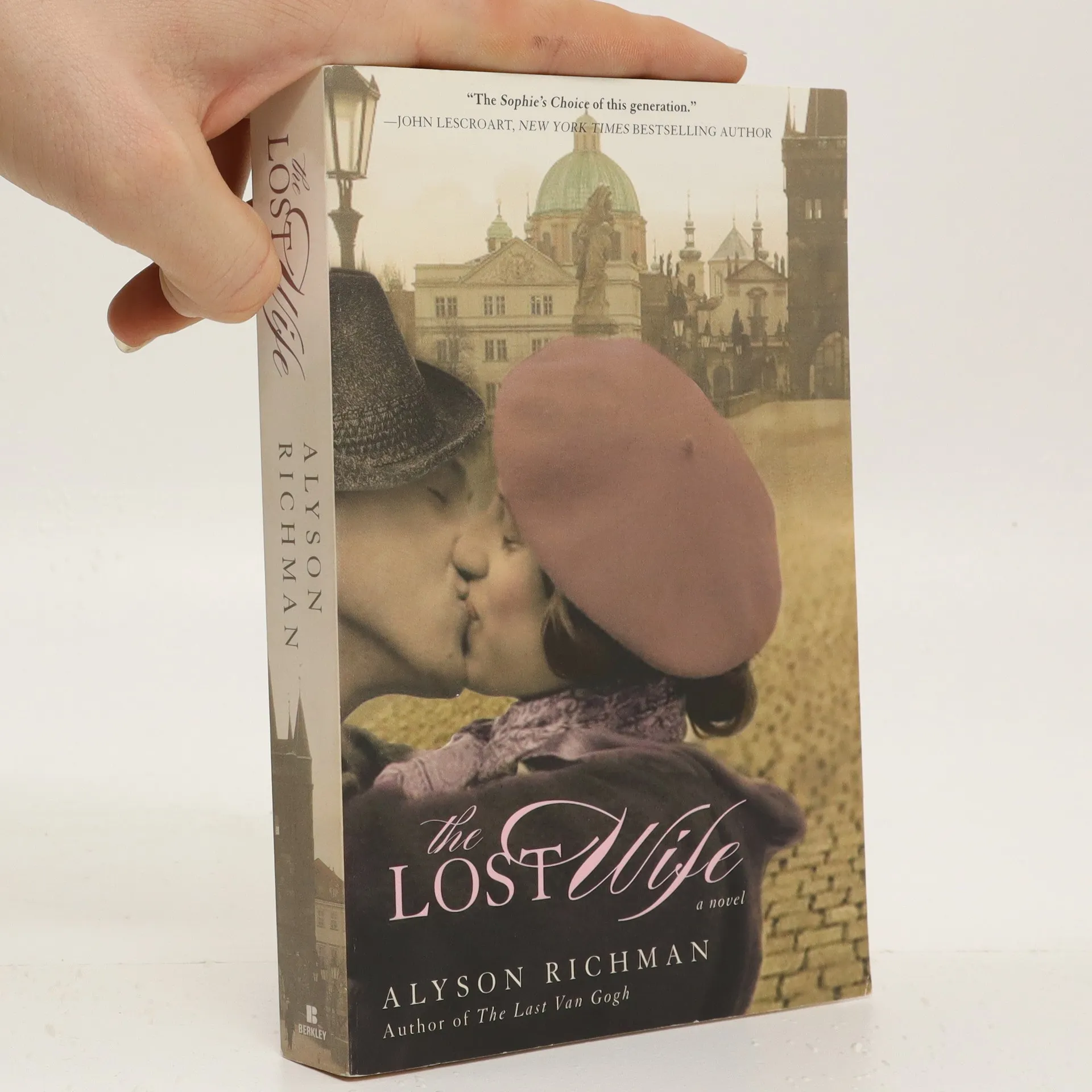
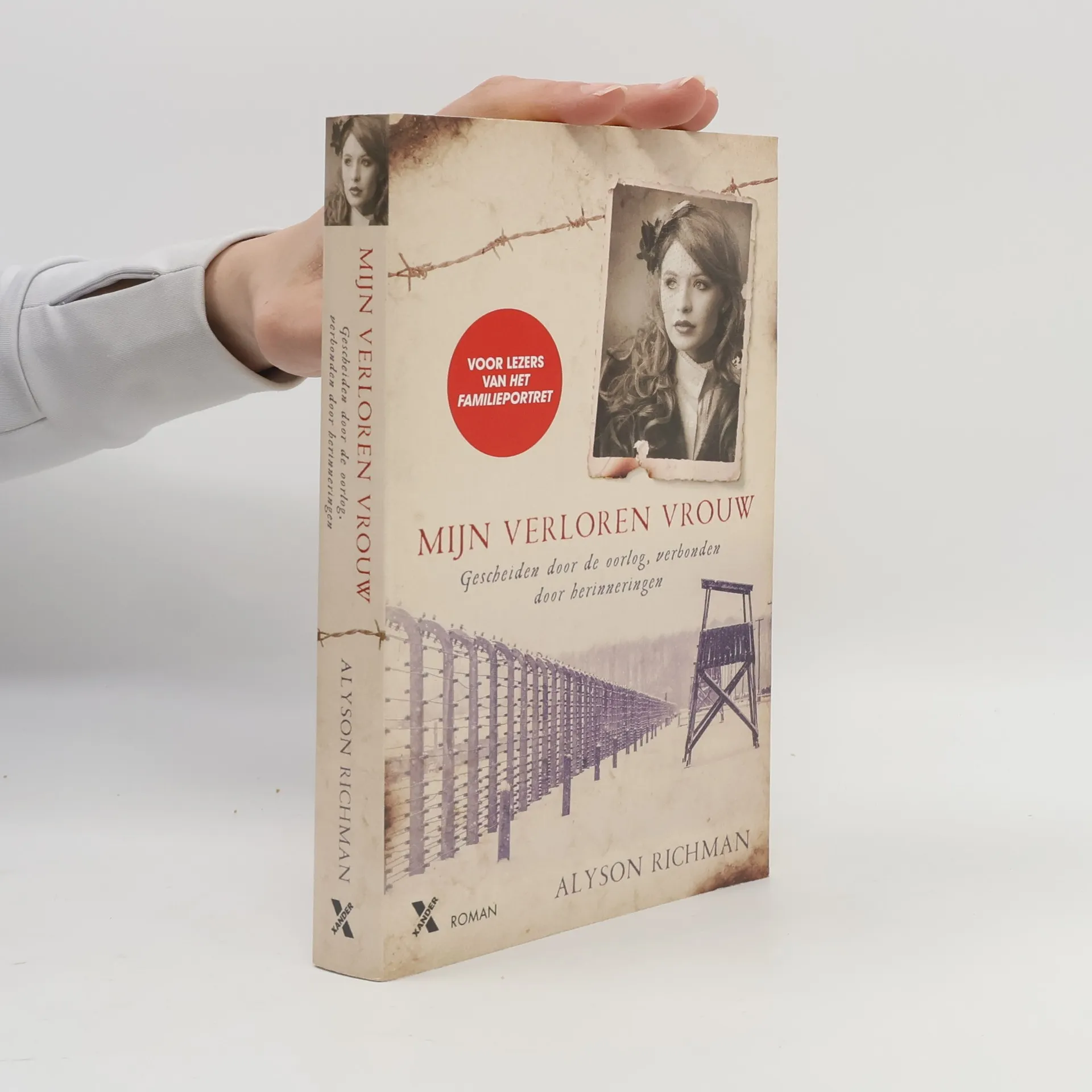
A rapturous novel of star-crossed love in a time of war—from the international bestselling author of The Secret of Clouds. During the last moments of calm in prewar Prague, Lenka, a young art student, and Josef, who is studying medicine, fall in love. With the promise of a better future, they marry—only to have their dreams shattered by the imminent Nazi invasion. Like so many others, they are torn apart by the currents of war. Now a successful obstetrician in America, Josef has never forgotten the wife he believes died in the war. But in the Nazi ghetto of Terezín, Lenka survived, relying on her skills as an artist and the memories of a husband she would never see again. Then, decades later and thousands of miles away, an unexpected encounter in New York leads to an inescapable glance of recognition, and the realization that providence has given Lenka and Josef one more chance. From the glamorous ease of life in Prague before the occupation to the horrors of Nazi Europe, The Lost Wife explores the power of first love, the resilience of the human spirit, and our capacity to remember.
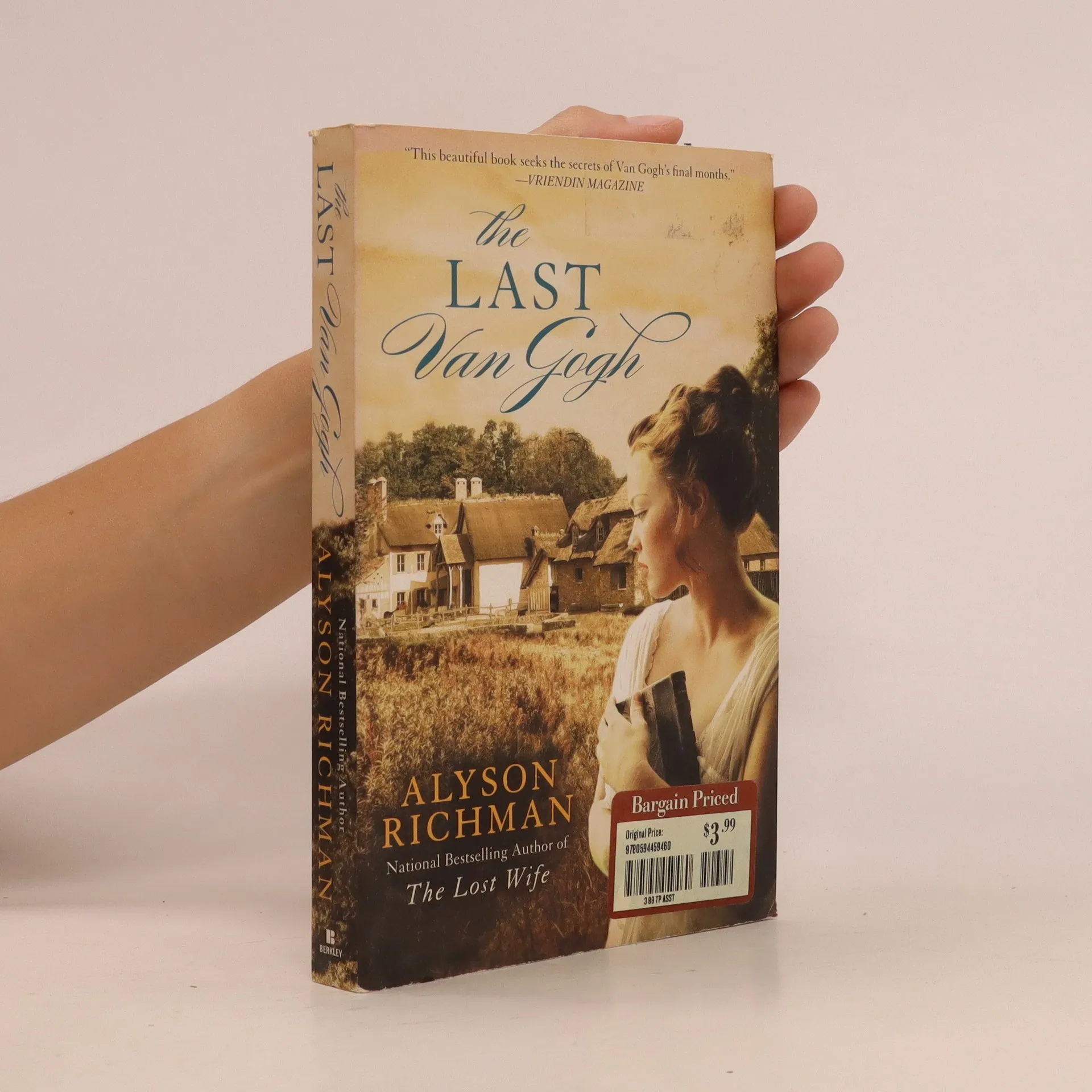
Summer, 1890. Van Gogh arrives at Auvers-sur-Oise, a bucolic French village that lures city artists to the country. It is here that twenty-year-old Maurguerite Gachet has grown up, attending to her father and brother ever since her mother's death. And it is here that Vincent Van Gogh will spend his last summer, under the care of Doctor Gachet - homeopathic doctor, dilettante painter, and collector. In these last days of his life, Van Gogh will create over 70 paintings, two of them portraits of Marguerite Gachet. But little does he know that, while capturing Marguerite and her garden on canvas, he will also capture her heart. Both a love story and historical novel, The Last Van Gogh recreates the final months of Vincent's life - and the tragic relationship between a young girl brimming with hope and an artist teetering on despair.
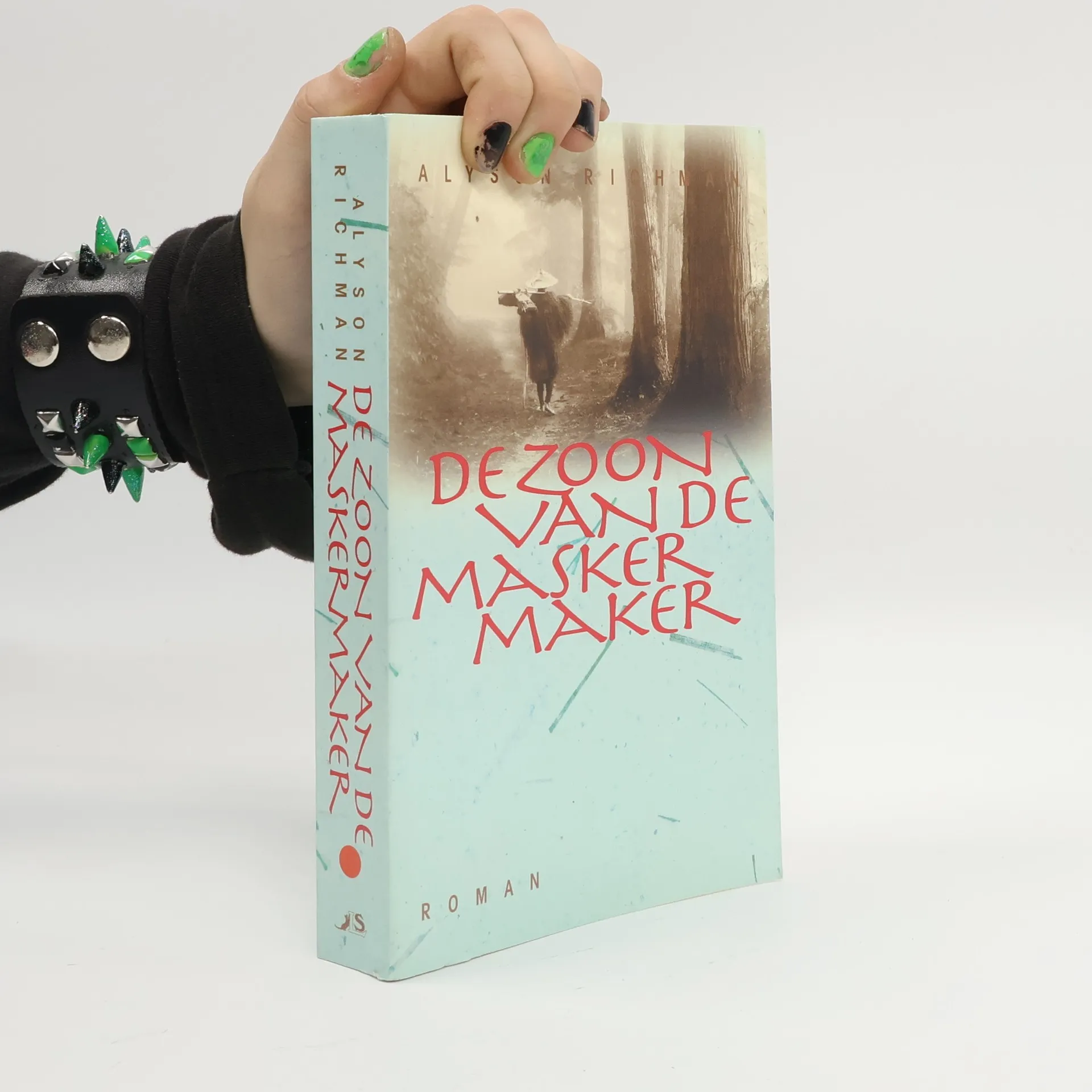
Een jonge Japanner probeert zich aan het eind van de 19e eeuw te ontworstelen aan de traditie die verwacht dat hij zijn vader zal opvolgen als maker van maskers voor het No-theater.
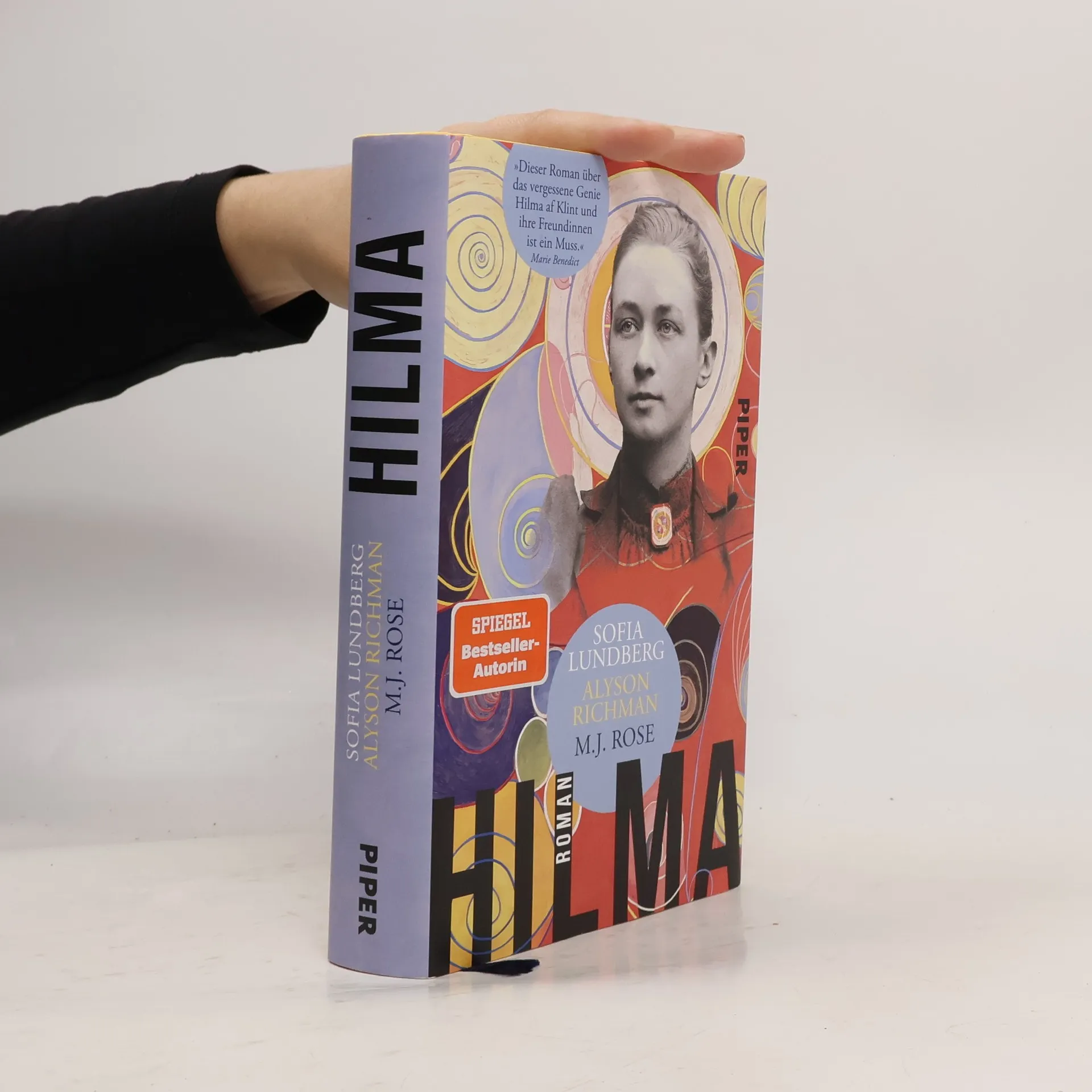
Roman | Romanbiografie über die geniale schwedische Malerin Hilma af Klint
352 páginas
13 horas de lectura
Eine bewegende Romanbiografie über die schwedische Malerin Hilma af Klint, die um 1900 lebt, und einen Kurator in der Gegenwart New Yorks. Dieser fesselnde Roman verbindet die Schicksale von fünf mutigen Frauen in Stockholm. Im Jahr 1896 hat Hilma genug von künstlerischen und gesellschaftlichen Konventionen. Sie strebt danach, anders zu leben und in der Kunst radikal neue Wege zu gehen. Jeden Freitagabend trifft sie sich mit ihren vier engsten Freundinnen, um die Grenzen der Kunst zu sprengen und in Séancen den Austausch mit der unsichtbaren Welt zu suchen. Ihre Zeitgenossen halten sie für verrückt, doch Hilma erfindet die abstrakte Kunst lange vor Kandinsky oder Mondrian. Ein Jahrhundert später plant ein einsamer Kurator eine Ausstellung ihrer Werke im Guggenheim-Museum und trifft dabei seine frühere große Liebe wieder, die ihm den Schlüssel zum Erfolg der Ausstellung und vielleicht auch zu seinem Glück liefert. Der Roman thematisiert bahnbrechende Kunst und die komplexen Beziehungen zwischen fünf faszinierenden Künstlerinnen. Die Autorinnen erzählen die Geschichte einer lange vergessenen Künstlerin und ihrer talentierten Freundinnen, die zusammenarbeiten und die Herausforderungen der Kreativität und des künstlerischen Schaffens meistern.