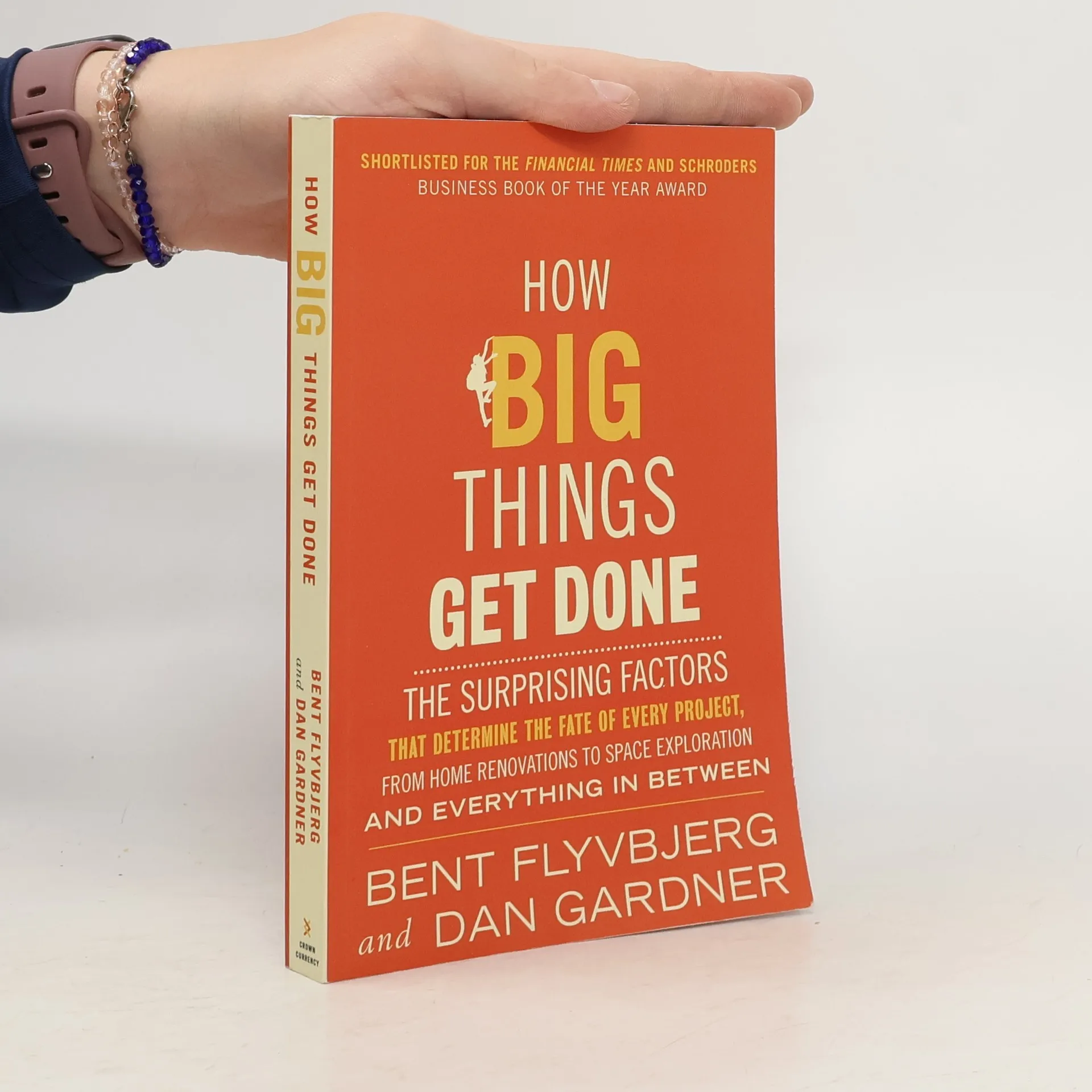
Nothing is more inspiring than a big vision that becomes a triumphant, new reality. Think of how the Empire State Building went from a sketch to the jewel of New York's skyline in twenty-one months, or how Apple's iPod went from a project with a single employee to a product launch in eleven months. These are wonderful stories. But most of the time big visions turn into nightmares. Remember Boston's "Big Dig"? Almost every sizeable city in the world has such a fiasco in its backyard. In fact, no less than 92% of megaprojects come in over budget or over schedule, or both. The cost of California's high-speed rail project soared from $33 billion to $100 billon-and won't even go where promised. More modest endeavors, whether launching a small business, organizing a conference, or just finishing a work project on time, also commonly fail. Why? Understanding what distinguishes the triumphs from the failures has been the life's work of Oxford professor Bent Flyvbjerg, dubbed "the world's leading megaproject expert." In How Big Things Get Done, he identifies the errors in judgment and decision-making that lead projects, both big and small, to fail, and the research-based principles that will make you succeed with yours.[Bokinfo].
Dan Gardner Libros
Dan Gardner es un periodista, autor y conferenciante que profundiza en la psicología y los mecanismos de la toma de decisiones humanas. Su obra examina por qué tememos a las cosas equivocadas y sobrevaloramos las predicciones de expertos, revelando cómo los procesos psicológicos y sociales influyen en nuestra percepción del riesgo. El estilo cautivador y el agudo análisis de Gardner lo convierten en una voz importante para comprender el comportamiento y las elecciones humanas.



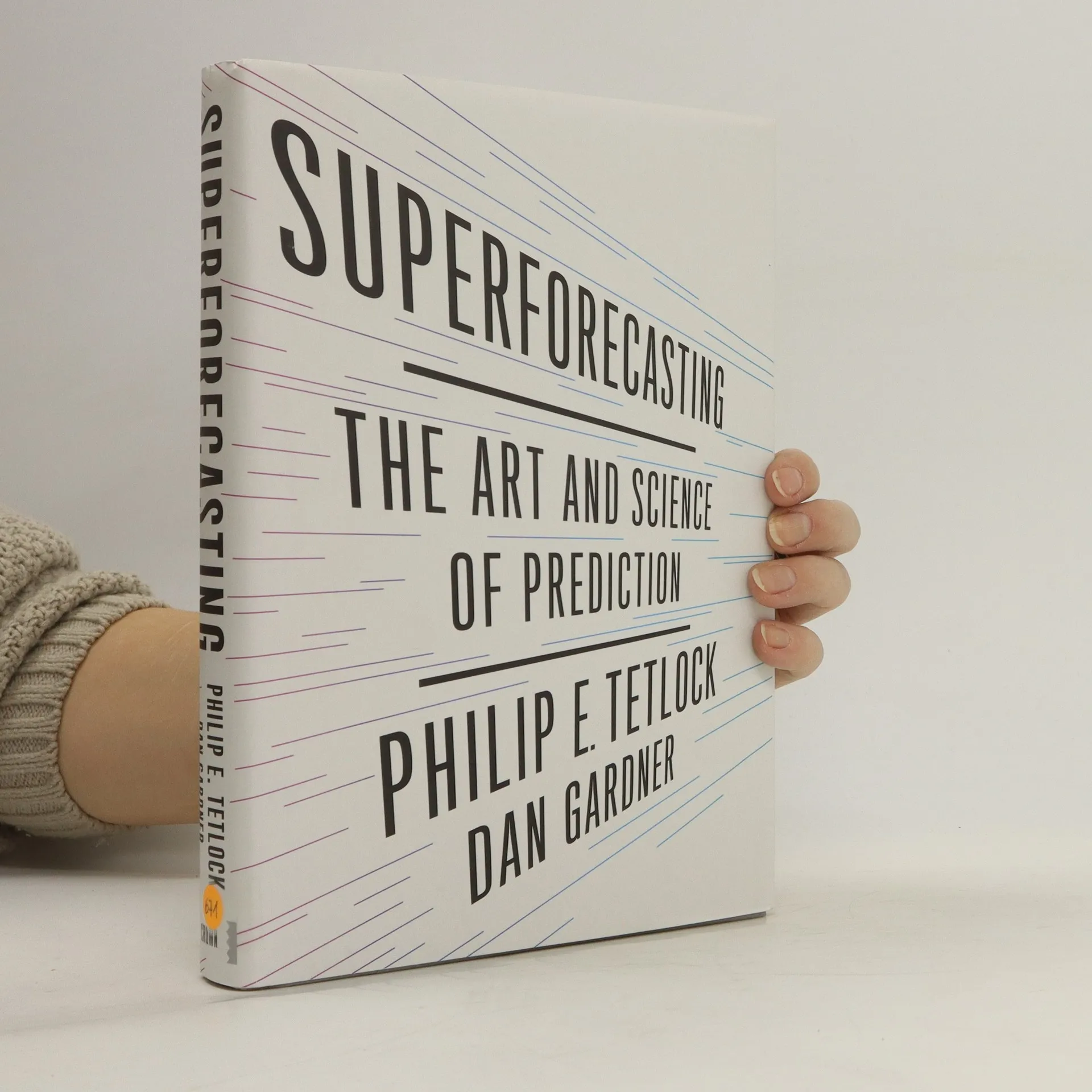
The Good Judgment Project involves tens of thousands of ordinary people--including a Brooklyn filmmaker, a retired pipe installer, and a former ballroom dancer--who set out to forecast global events. Some of the volunteers have turned out to be astonishingly good. They've beaten other benchmarks, competitors, and prediction markets. They've even beaten the collective judgment of intelligence analysts with access to classified information. They are "superforecasters." In this groundbreaking and accessible book, Tetlock and Gardner show us how we can learn from this elite group. Weaving together stories of forecasting successes (the raid on Osama bin Laden's compound) and failures (the Bay of Pigs) and interviews with a range of high-level decision makers, from David Petraeus to Robert Rubin, they show that good forecasting doesn't require powerful computers or arcane methods.
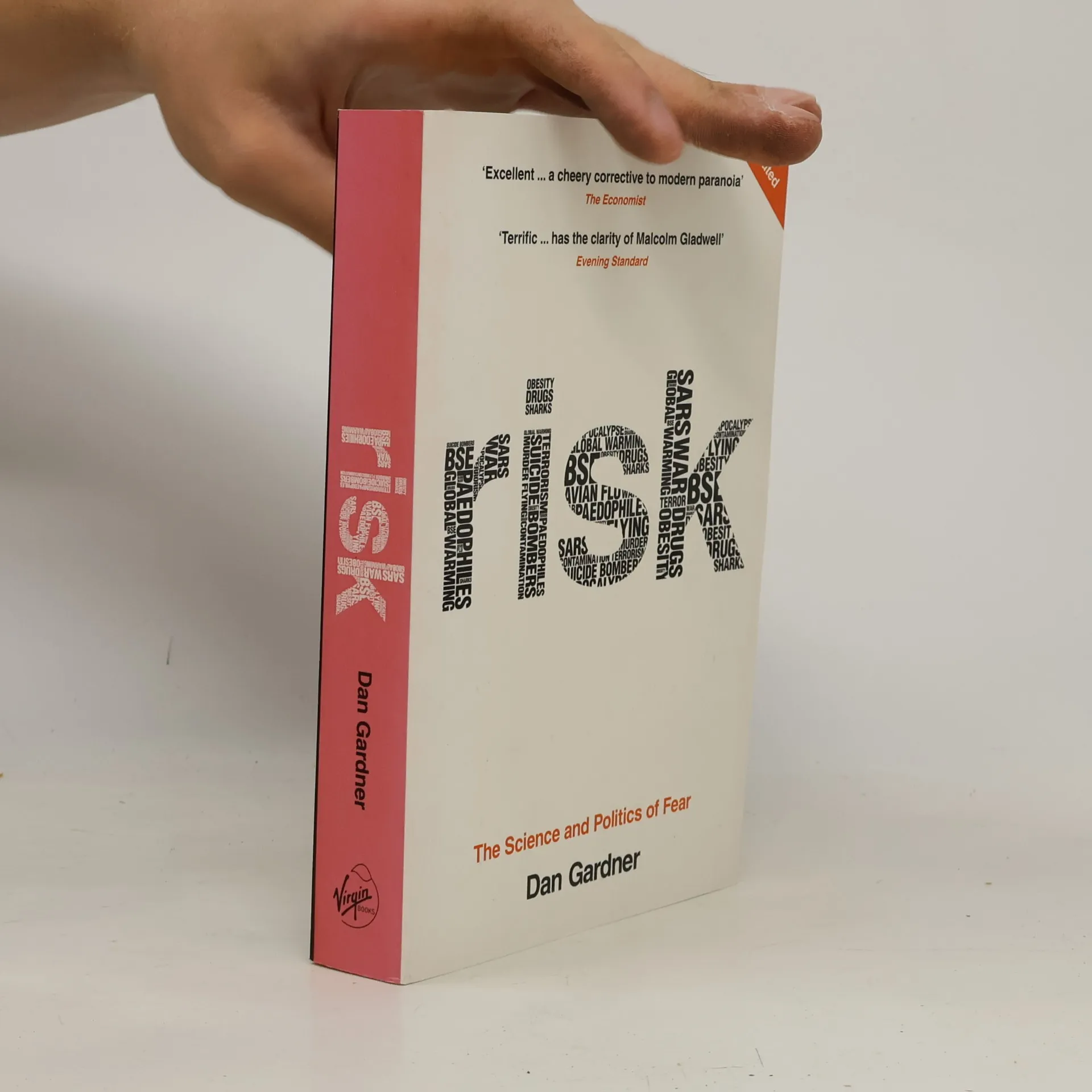
Risk : The Science and Politics of Fear
- 432 páginas
- 16 horas de lectura
Every day we hear about terrorism, war and apocalypse. But the real risk of these events happening to us is about as likely as winning the lottery. Dan Gardner explains our risk perception through our brain's two simultaneous responses to risk - the ancient 'fight or flight' instinct and the rational, considered response.
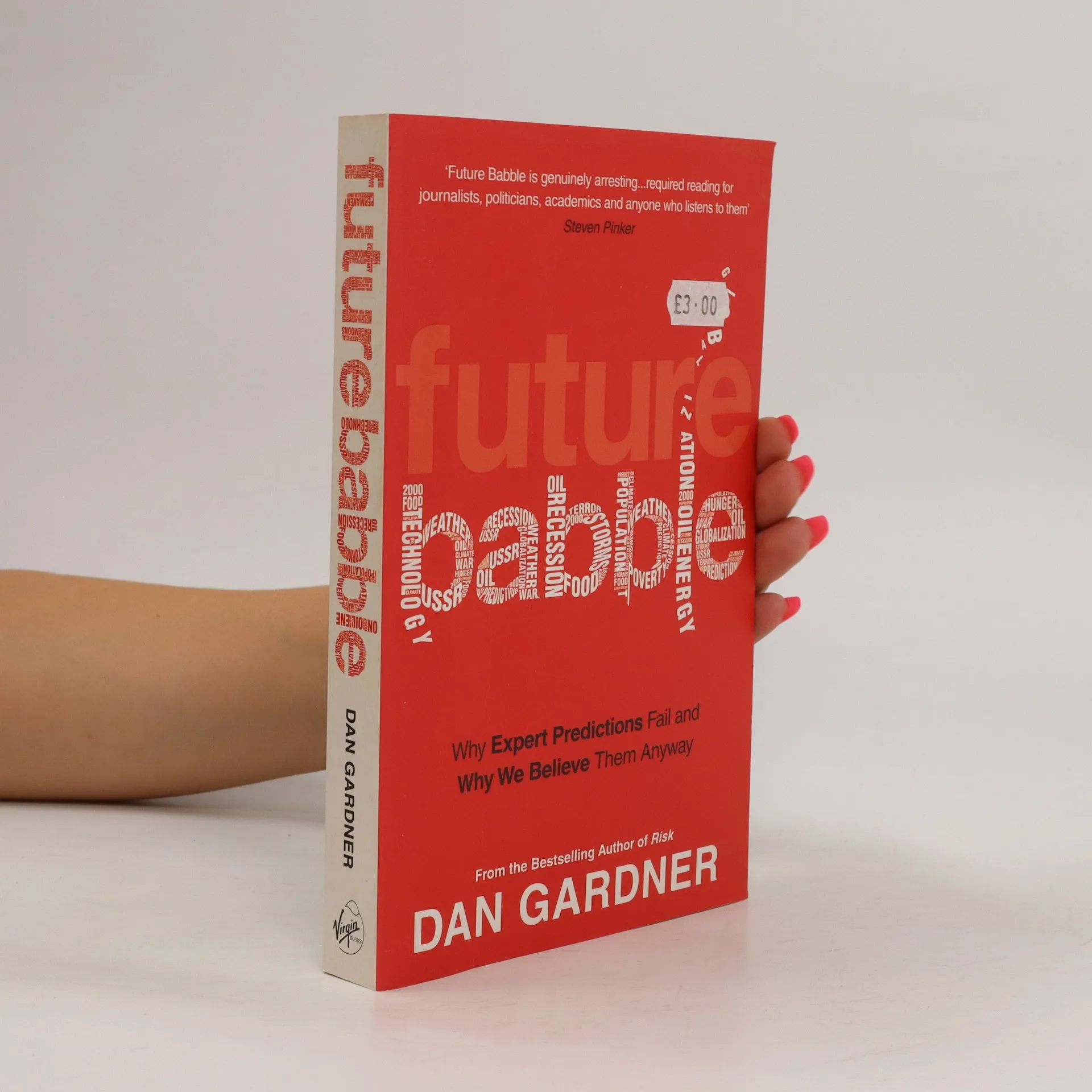
Future babble : why expert predictions fail and why we believe them anyway
- 305 páginas
- 11 horas de lectura
In 2008, as the price of oil surged above $140 a barrel, experts said it would soon hit $200; a few months later it plunged to $30. In 1967, they said the USSR would be the world's fastest-growing economy by 2000, the USSR no longer existed. In 1908, it was pronounced that there would be no more wars in Europe; we all know how that turned out. Face it, experts are about as accurate as dart-throwing monkeys. And yet every day we ask them to predict the future - everything from the weather to the likelihood of a terrorist attack. Future Babble is the first book to examine this phenomenon, showing why our brains yearn for certainty about the future, why we are attracted to those who predict the future confidently, and why it's so easy for us to ignore the trail of outrageously wrong forecasts. In this fast-paced, example- packed, sometimes darkly funny book, Dan Gardner shows how seminal research by professor Philip Tetlock proved that the more famous a pundit is, the more likely they are to be right about as often as a stopped watch. Gardner also draws on current research in cognitive psychology, political science, and behavioral economics to discover something quite reassuring: The future is always uncertain, but the end is not always near.
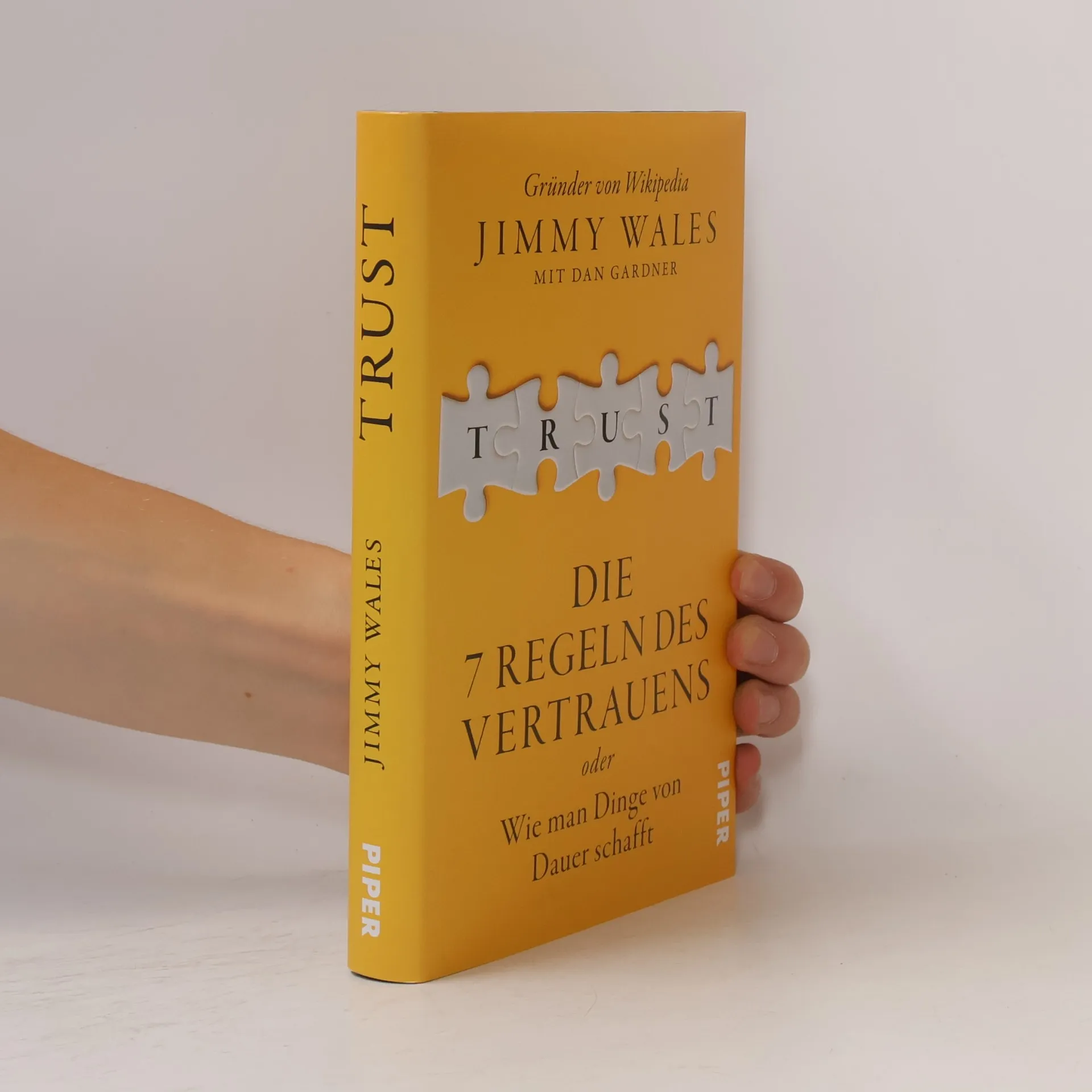
TRUST
Die 7 Regeln des Vertrauens oder wie man Dinge von Dauer schafft | Der Wikipedia-Gründer über die Prinzipien seines Erfolgs
- 224 páginas
- 8 horas de lectura
Das erste Buch des Wikipedia-Gründers In einer Zeit, die von Desinformation und einem Vertrauensverlust in Institutionen geprägt ist, steht das Fundament des Vertrauens, das für den Erwerb neuen Wissens unerlässlich ist, auf dem Spiel. Vertrauen ist der Schlüssel zu fairen Wahlen, einer zukunftssicheren Bildung und dem Schutz unseres Klimas. Der renommierte Tech-Visionär Jimmy Wales nimmt uns mit auf eine faszinierende Reise zu den Anfängen von Wikipedia im Jahr 2001. Wales zeigt, wie er mithilfe von sieben Vertrauensregeln eine einzigartige Website geschaffen hat, die auf den Prinzipien von Freiheit, Transparenz und Zugänglichkeit basiert. Diese Website ist inzwischen ein integraler Bestandteil unseres täglichen Lebens und hat den Zugang zu Wissen auf radikale Weise demokratisiert. Anhand der inspirierenden Geschichte von Wikipedia verdeutlicht Jimmy Wales' erstes Buch die entscheidende Bedeutung von Vertrauen und erläutert die Prinzipien, auf denen diese weltweit einzigartige Website basiert . Gleichzeitig zeigt er auf, wie man selbst ein verantwortungsvoller Entscheidungsträger werden kann.