A French courtier, secret agent, libertine and adventurer, Beaumarchais (1732-99) was also author of two sparkling plays about the scoundrelly valet Figaro triumphant successes that were used as the basis of operas by Mozart and Rossini. A highly engaging comedy of intrigue, The Barber of Seville portrays the resourceful Figaro foiling a jealous old man's attempts to keep his beautiful ward from her lover. And The Marriage of Figaro condemned by Louis XVI for its daring satire of nobility and privilege depicts a master and servant set in opposition by their desire for the same woman. With characteristic lightness of touch, Beaumarchais created an audacious farce of disguise and mistaken identity that balances wit, frivolity and seriousness in equal measure
Pierre Augustin Caron de Beaumarchais Libros
Pierre-Augustin Caron de Beaumarchais fue un dramaturgo francés cuya influencia abarcó desde la relojería hasta la revolución. Sus obras teatrales, en particular las obras de Figaro, obtuvieron el mayor reconocimiento y siguen siendo celebradas por su ingenio y comentario social. La carrera de Beaumarchais fue notablemente multifacética, involucrando roles como diplomático, espía y traficante de armas, lo que refleja la época turbulenta en la que vivió. Su participación en el apoyo a la independencia estadounidense y su intervención en las primeras etapas de la Revolución Francesa subrayan su papel activo en las corrientes políticas de su tiempo.



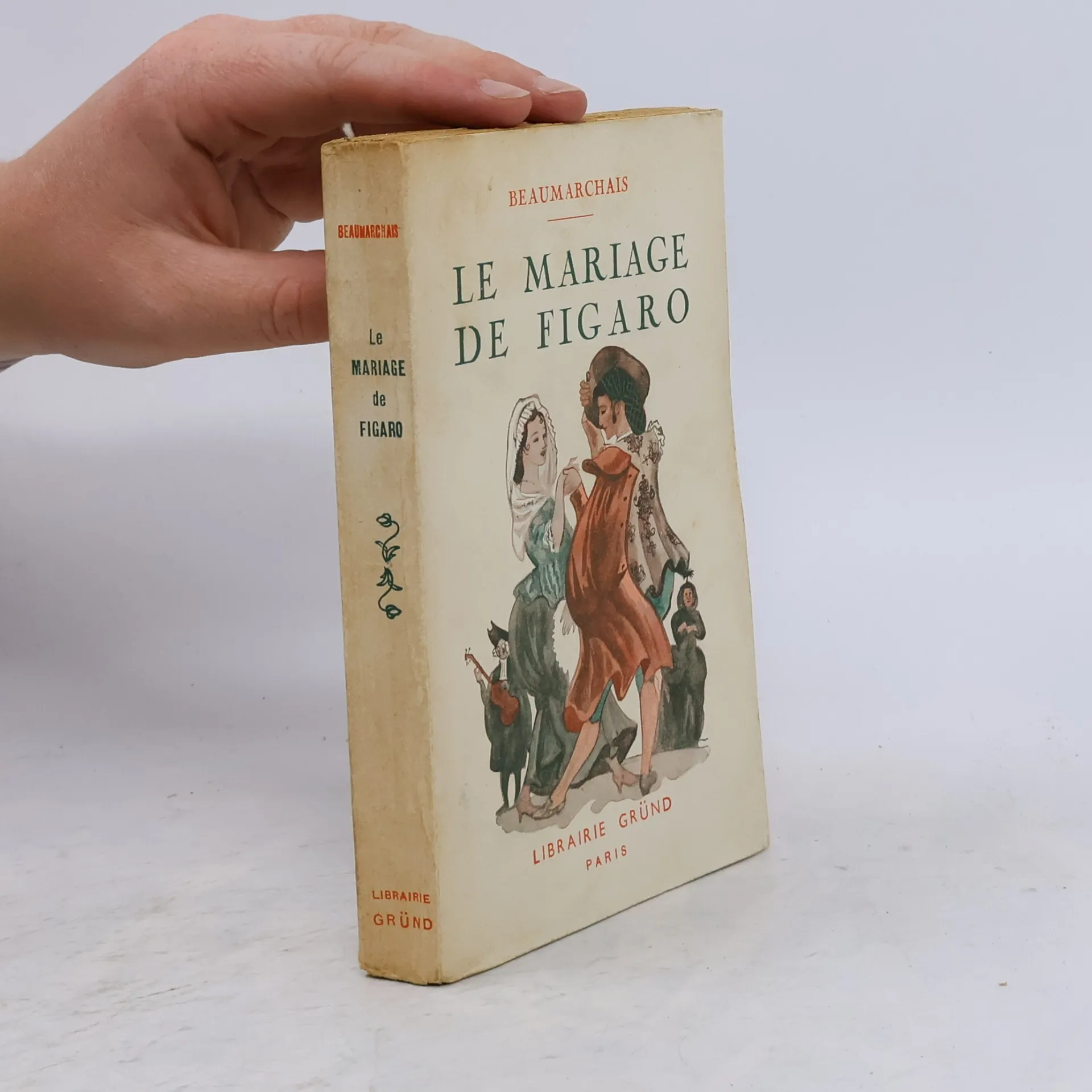
L'ingénieux et spirituel Figaro se marie ! Ce grand jour est cependant assombri par le libertinage du comte Almaviva, qui désire acheter les faveurs de sa fiancée avant la cérémonie. Goût de l'intrigue et mots d'esprit ne seront pas de trop pour faire triompher la justice et l'amour.
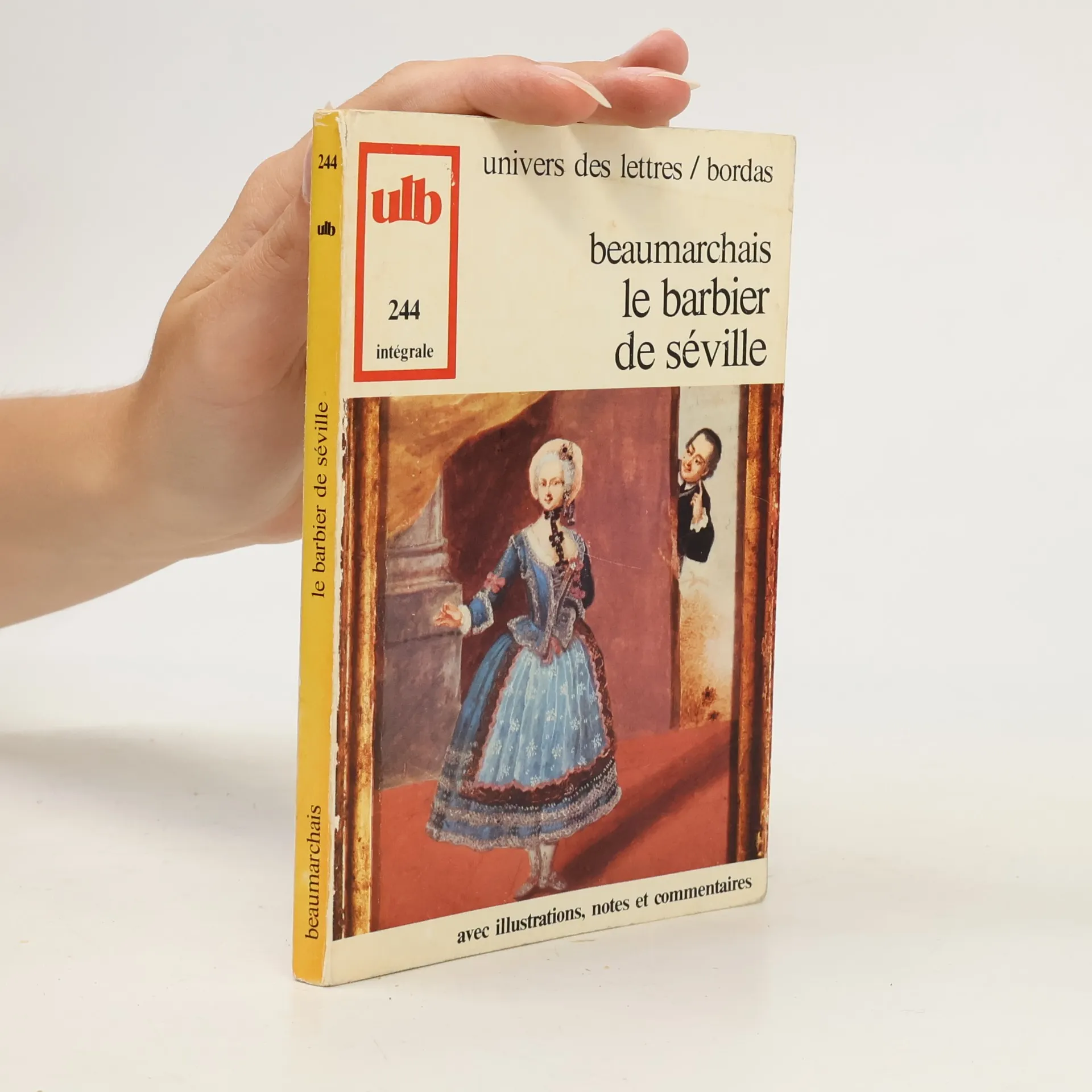
Le Barbier De Seville
- 232 páginas
- 9 horas de lectura
Ah ! le triste sire ! Gros, court, gris, pommelé, rusé, blasé qui guette et furète, gronde et geint tout à la fois. Il est encore avare, brutal, amoureux et jaloux... Et la belle Rosine, sa jeune pupille, est l'infortunée victime de cette odieuse flamme... Mais le ciel protège, dit-on, ceux qui s'aiment. Et Figaro, le gai, l'impertinent, l'irremplaçable Figaro a tôt fait de voler au secours de son maître le comte Almaviva. La belle est cloîtrée ? Le vieillard méfiant ? Qu'à cela ne tienne ! Et le voilà qui court, trompe et invente l'habile stratagème pour sauver les amants. Un enlèvement ? À la bonne heure ! La difficulté de réussir ne fait qu'ajouter à la nécessité d'entreprendre, s'exclame le rusé.
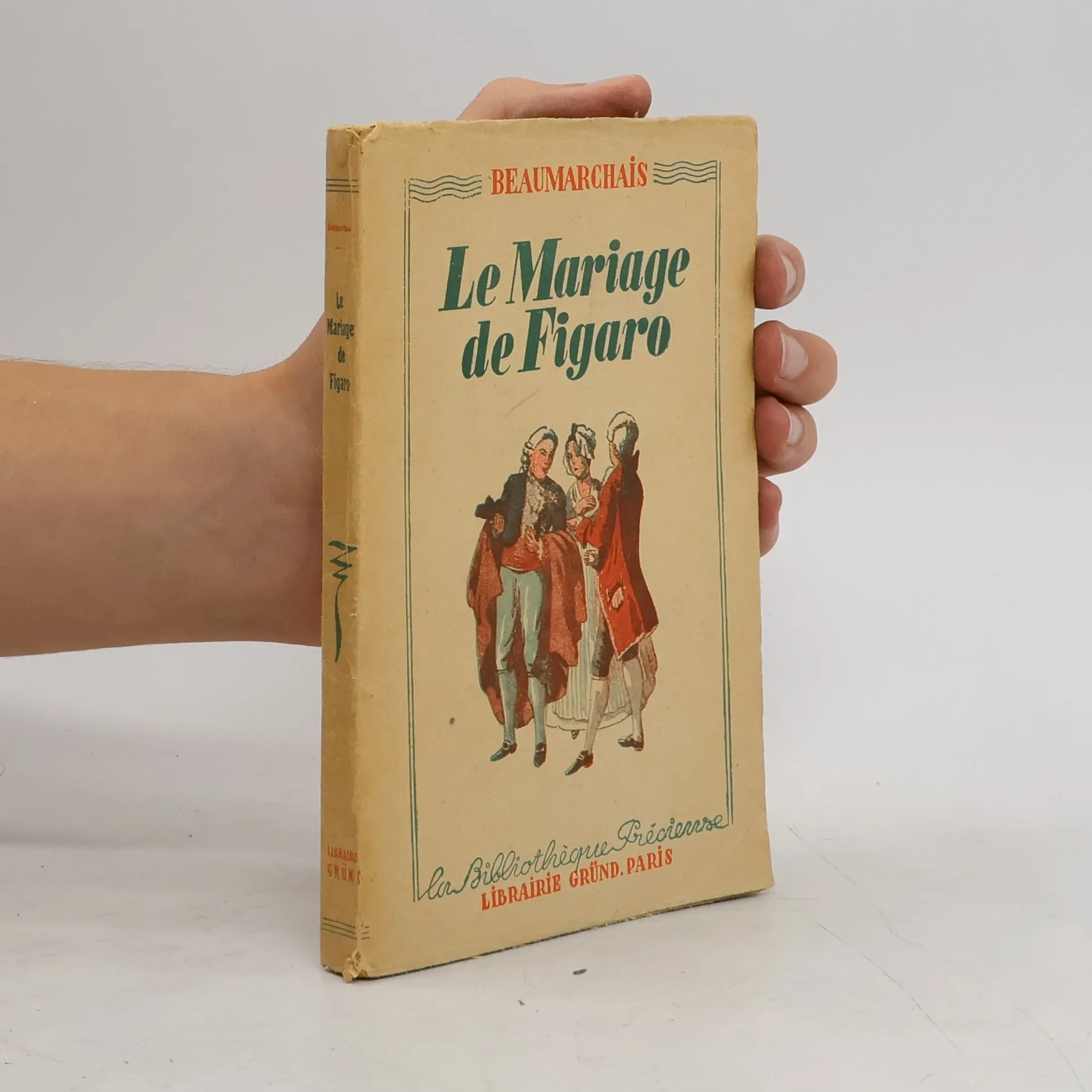
Classiques Bordas: Le Mariage de Figaro - Texte intégral
- 303 páginas
- 11 horas de lectura
L'ingénieux et spirituel Figaro se marie ! Ce grand jour est cependant assombri par le libertinage du comte Almaviva, qui désire acheter les faveurs de sa fiancée avant la cérémonie. Goût de l'intrigue et mots d'esprit ne seront pas de trop pour faire triompher la justice et l'amour.
La Trilogie de Figaro
Le Barbier de Séville. Le Mariage de Figaro. L'Autre Tartuffe ou la Mère Coupable
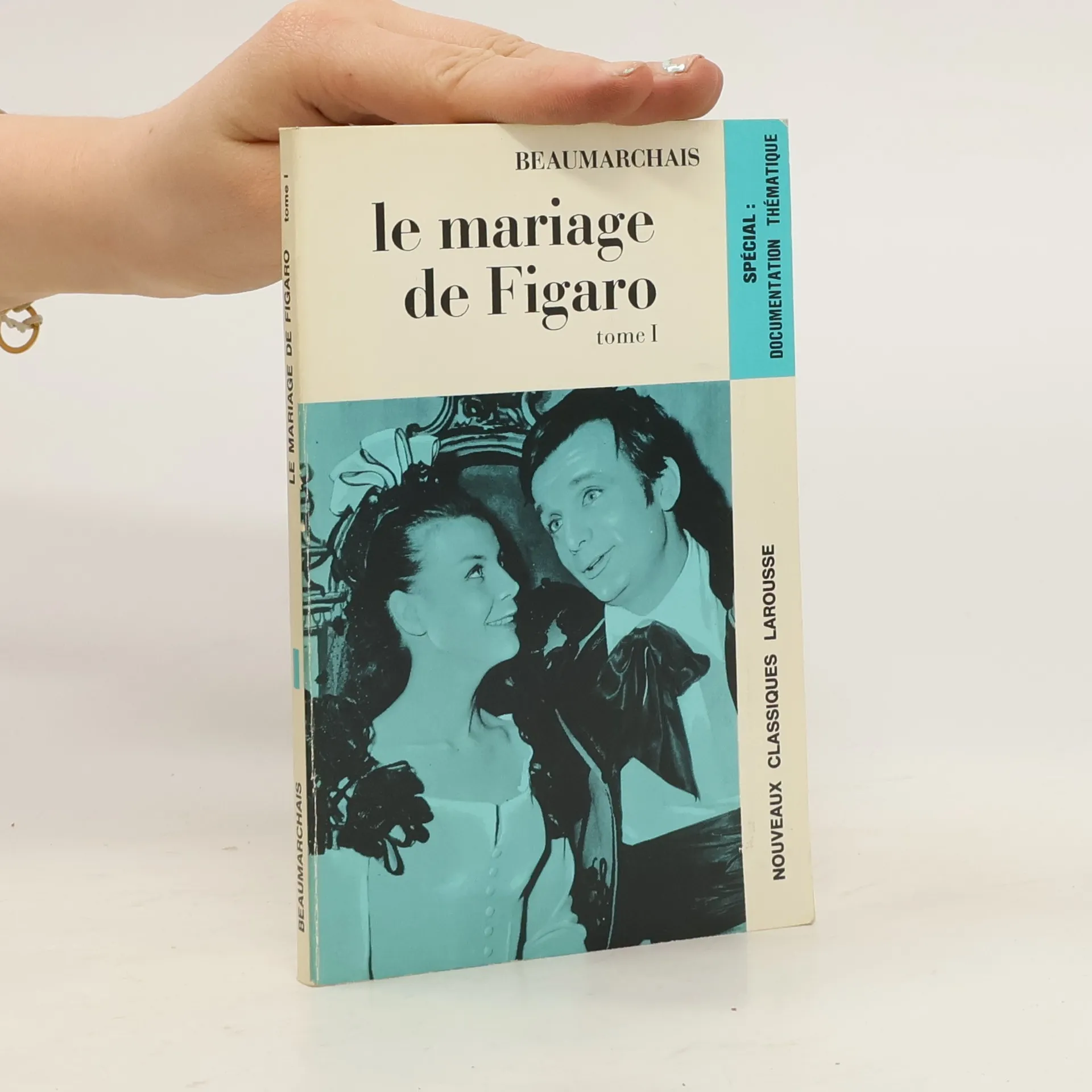
Le mariage de Figaro I
- 160 páginas
- 6 horas de lectura
Avec une Notice biographique, une Notice historique et littéraire, des Notes explicatives, une Documentation thématique, des Jugements, un Questionnarie et des Sujets de devoirs, par Louis Forestier.
Těmito komediemi vrcholí Beaumarchaisovo dramatické dílo. Vytvořil v nich postavu slavného Figara, chlapíka, kterého nadal nejvýraznějšími vlastnostmi: břitkosti kurážného vtipu, vynálézavostí, jak vybřednout z nejnemožnějších situací a schopností roztočit svět kolem sebe podle vlastnívůle. Zdaleka to však nejsou jen zábavné komedie o lásce s překážkami. Figaro mluví ostrým jazykem pařížského lidu, stojí proti šlechtici i měšťáku, odlišen od nich třídním postavením a mentalitou. Stojí v jedné řadě s Quijotem, Tartuffem, Švejkem a jinými, kteří vešli ze života do literatury a stali se majetkem všech. Lazebník Figaro vystupuje od svého stvoření v mnoha podobách: v Rossiniho opeře a ve verších Puškinových, u nás na příklad v díle Dykově i E.F. Buriana. Beaumarchais je jednou z ústředních postav Feuchtwangerova románu "Lišky na vinici". - V tomto vydání jsou po prvé do češtiny přeložené Beaumarchaisovy předmluvy k oběma hrám.
Le mariage de Figaro
Le mariage de Figaro ou La folle journée
Univers des lettres - 224: Le Barbier de Séville
Comédie [par] Beaumarchais - Intégrale - Avec illustrations, notes et commentaires
- 191 páginas
- 7 horas de lectura
French
Figaros Hochzeit
Lustspiel