Der Code agiler Organisationen
Das Playbook für den Wandel zur agilen Organisationskultur
- 252 páginas
- 9 horas de lectura


Impulsado por una pasión desde la universidad para aplicar el conocimiento psicológico en el lugar de trabajo, este autor se esfuerza por fomentar entornos centrados en las personas donde los individuos puedan rendir al máximo. Su amplia experiencia profesional como consultor, coach ejecutivo y autor se dedica a temas como la transformación ágil. Basándose en roles de gestión y consultoría global, ha dirigido numerosos proyectos y talleres, perfeccionando sus ideas a través de diversas experiencias. Un compromiso con el aprendizaje continuo impulsa su prolífica escritura de artículos profesionales y libros.

Das Playbook für den Wandel zur agilen Organisationskultur
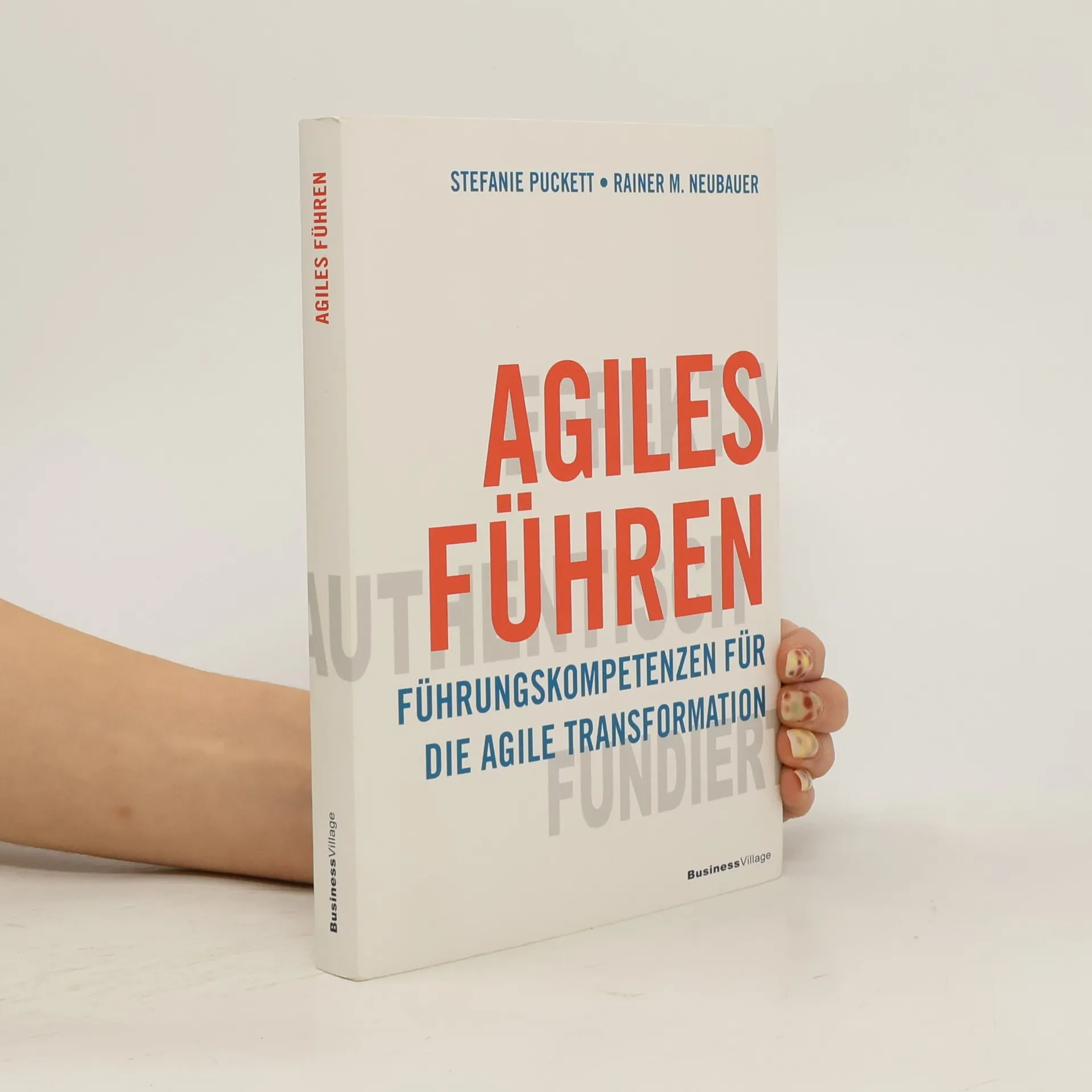
Führungskompetenzen für die agile Transformation
Agiles Führen gilt als das Wundermittel schlechthin. Kaum eine Führungskraft kommt an dem Thema vorbei. Dennoch ist dieses Thema vielerorts nicht mehr als ein Schlagwort. Leider – denn agiles Führen kann sich jede Führungskraft aneignen und anwenden. Was bedeutet agiles Führen im Kontext der digitalen Transformation? Wie verändert sie die Führungsaufgabe? Wie entwickelt man eigentlich agile Führungskompetenz im Alltag? Und wie wird man zum agilen Change Manager? Neubauers und Pucketts Buch gibt Antworten auf diese Fragen. Es wirft einen Blick unter die Oberfläche und zeigt, welche Kompetenzen und Persönlichkeitseigenschaften agile Führungskräfte auszeichnen. Dabei hat es beide Seiten im Blick. Denn agile Führung muss authentisch sein und scheitert allzu oft am Widerstand der Mitarbeiter. Pragmatisch zeigt das Buch, wie sich diese Widerstände auflösen lassen und die Transformation der Organisation gelingt. Auf Basis jahrzehntelanger Arbeit mit Führungskräften und eines wissenschaftlich untermauerten verhaltensorientierten Kompetenzmodells ist dieses Buch entstanden. Es lenkt den Blick darauf, wie wir mit agiler Führung unsere vorhandenen Stärken, Kompetenzen und Erfahrungen zukunftsfähig machen.
Mit psychologischem Wissen Zukunftskompetenzen entwickeln
Zukunftskompetenzen entwickeln: Moderne Selbst- & TeamführungDie Entwicklung einer neuen Arbeitswelt erfordert ein Umdenken in der Führungsebene. Sich selbst zu führen und dadurch auch seine Mitarbeiterinnen und Mitarbeiter zu mehr Kompetenzentwicklung zu bewegen, ist ein Schlüsselfaktor für die Zukunft. Die Autorin zeigt aufgrund ihres psychologischen Wissens anhand konkreter Praxisbeispiele, wie Persönlichkeitsagilität entwickelt und über Selbstreflexion ein besseres Führungsverhalten für die Zukunft gebildet werden kann - für sich selbst und für die Führung von Mitarbeiterinnen und Mitarbeitern.Inhalte:Persönlichkeit entfalten, Entwicklung ermöglichenDie eigenen Stärken bestimmen und stärkenIndividuelle Risikofaktoren in der neuen ArbeitsweltKarrierekiller - Entgleisungsrisiken aus der FührungsforschungWas die Anderen uns nicht sagen. Signale wahrnehmen, Reaktionen verstehenBananenschalen in der neuen ArbeitsweltSelbstreflektion als SchlüsselkompetenzWie wir aufhören, uns zu unterschätzenDie eigene Leistung und Fähigkeiten (an)erkennenDas Impostor-SyndromPrioritäten setzen und fokussierenFokus für Wirksamkeit und ZufriedenheitMindfulness: Mehr Achtsamkeit für mehr FokusIn der Organisation / im Umfeld wirkenDie eigene Rolle im Team finden