
Bookbot

Oscar Benl

    Flüchtiges leben
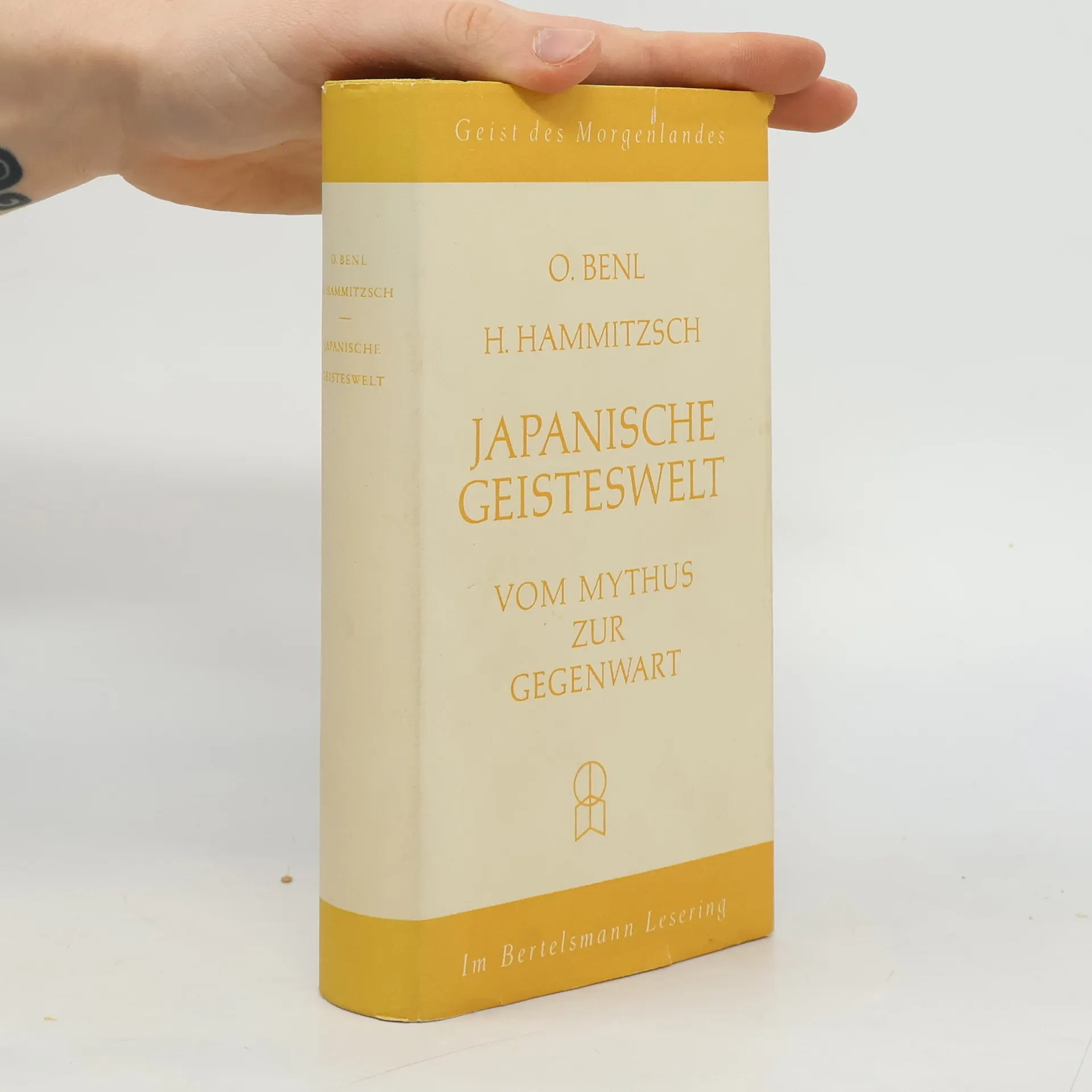
    Japanische Geisteswelt
    Der Kirschblütenzweig
    The Tale of Genji
    Essays in Idleness
    Kokoro
    • Ninguna biblioteca de literatura japonesa estaría completa sin Kokoro, la novela más lograda de Natsume Sōseki, la más profunda y la última que completó antes de su muerte. Coincidiendo con el centenario de su aparición, Impedimenta publica una nueva traducción de la obra maestra de Sōseki, que prefiguraría la de autores de la importancia de Akutagawa, Kawabata o Murakami. Kokoro ("corazón", en japonés) narra la historia de una amistad sutil y conmovedora entre dos personajes sin nombre, un joven y un enigmático anciano al que conocemos como "Sensei". Atormentado por trágicos secretos que han proyectado una larga sombra sobre su vida, Sensei se abre lentamente a su joven discípulo, confesando indiscreciones de sus días de estudiante que han dejado en él un rastro de culpa, y que revelan, en el abismo aparentemente insalvable de su angustia moral y su lucha por entender los misterios del amor y el destino, el profundo cambio cultural de una generación a la siguiente que caracterizó el Japón de principios del siglo XX.


      Kokoro1994
      4,1
    • Essays in Idleness

      • 224 páginas
      • 8 horas de lectura

      Offers two works on life's fleeting pleasures by Buddhist monks from medieval Japan, but each shows a different world-view. This book includes ribald stories of drunken monks to aching nostalgia for the fading traditions of the Japanese court.

      Essays in Idleness1978
      4,0
    • The Tale of Genji

      • 256 páginas
      • 9 horas de lectura

      Completed in the early 11th century, The Tale of Genji is considered the supreme masterpiece of Japanese prose literature, and one of the world's earliest novels. A work of great length, it comprises six parts, the first part of which (also called The Tale of Genji) is reprinted here. The exact origins of this remarkable saga of the nobility of Heian Japan remain somewhat obscured by time, although its author, Lady Shikibu Murasaki, presumably derived many of her insights into court life from her years of service with the royal family. The novel centers on the life and loves of the prince known as "the shining Genji." Far more than an exotic romance, however, the tale presents finely drawn characters in realistic situations, set against a richly embroidered tapestry of court life. Moreover, a wistful sense of nostalgia pervades the accounts of courtly intrigues and rivalries, resulting in an exquisitely detailed portrayal of a decaying aristocracy. Vibrant in its poetry and wordplay, subtle in its social and psychological observations, this work ranks in stature and significance with such Western classics as Cervantes' Don Quixote and Proust's Remembrance of Things Past. This inexpensive edition, featuring Arthur Waley's splendid translation of the first of the six-part series, offers readers a memorable taste of one of the world's first and greatest novels.

      The Tale of Genji1966
      3,7