

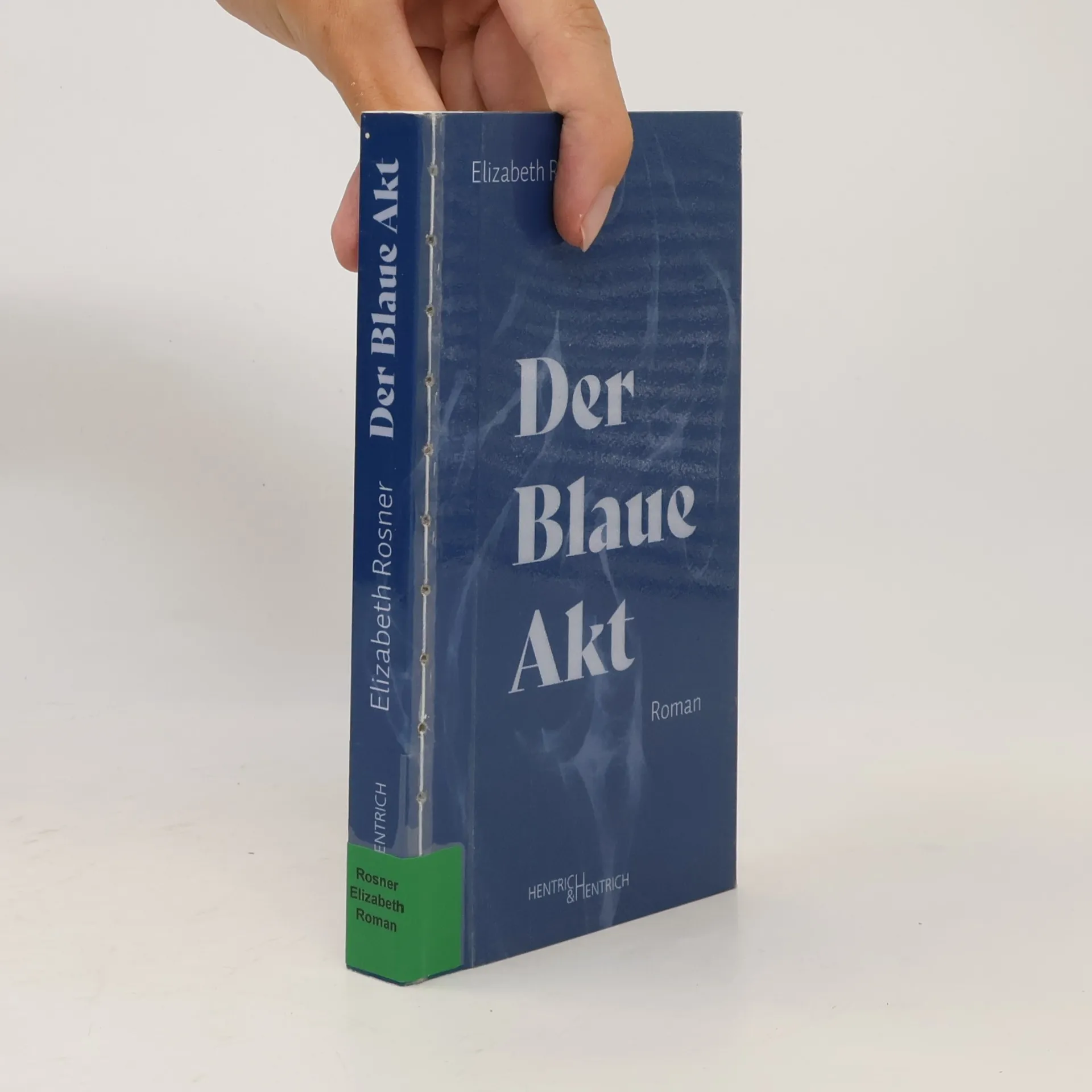
Every family has a story that must eventually be told. Julian Perel and his sister, Paula, grew up in a home filled with silence, burdened by a father who carried a painful secret to his grave. As adults, they struggle to express themselves. Julian, a scientist, leads a life of order and isolation, haunted by his father's unspoken sadness. In contrast, Paula, an aspiring opera singer, embraces life with enthusiasm, filling their home with music in an attempt to bring joy to their father. Their lives begin to shift on a fateful Wednesday, when Paula asks her housekeeper, Sola, to care for Julian while she embarks on a European tour. Sola also harbors her own story, seeking clarity and purpose. As Paula uncovers her father's past in Budapest, Julian learns from Sola's revelations, which help them all confront the shadows of their histories. This powerful debut explores themes of love and redemption, illustrating how the pain of untold stories can be more profound than even the hardest truths. Through the interconnected journeys of these three unforgettable characters, the narrative reveals the transformative power of sharing one's story and the healing that can emerge from facing the past.
Elisabeth Rosner Libros
Elizabeth Rosner crea narrativas cautivadoras que profundizan en las profundas consecuencias intergeneracionales de la violencia, la guerra y el genocidio. Su obra combina magistralmente la reflexión personal, la investigación exhaustiva y las entrevistas conmovedoras para explorar el impacto duradero del trauma. A través de su prosa distintiva, anima a los lectores a enfrentar las consecuencias del pasado como medio para transformar el futuro. La escritura de Rosner es celebrada por su perspicaz examen de la memoria y su poder para dar forma a nuestro destino colectivo.

Survivor Café
- 288 páginas
- 11 horas de lectura
Rosner's memoir blends personal narrative with research on the impact of mass trauma, exploring its effects on both individual and cultural levels. Praised as a Best Book of 2017 by the San Francisco Chronicle, it delves into historical atrocities like the Holocaust, the Vietnam War, and Japanese American internment, presenting these themes with clarity and intimacy. The work serves as an exploration of shared experiences among the children of survivors, urging readers to reflect on their own connections to the past. Rosner's writing is noted for its poetic quality, seamlessly intertwining her story with those of others affected by trauma, and revealing hope amid darkness. Her examination of multigenerational trauma addresses complex issues such as anti-Semitism, racism, and loss, while also emphasizing the importance of storytelling in processing suffering. Critics highlight her ability to merge scholarly insight with personal revelation, offering a thoughtful meditation on memory and the inheritance of pain. Ultimately, Rosner's work opens a dialogue about the need for acknowledgment and understanding of past atrocities as a pathway to healing and peace. This profound contribution to discussions about legacy and responsibility resonates deeply with readers, making it an essential read for those interested in the intricate connections between trauma and memory.