William Harris Libros
Este perfil sirve como marcador de posición para autores llamados William Harris. Dado que varias personas comparten este nombre, esta entrada se utiliza para la desambiguación. No se dispone de más detalles específicos sobre las contribuciones literarias del autor.

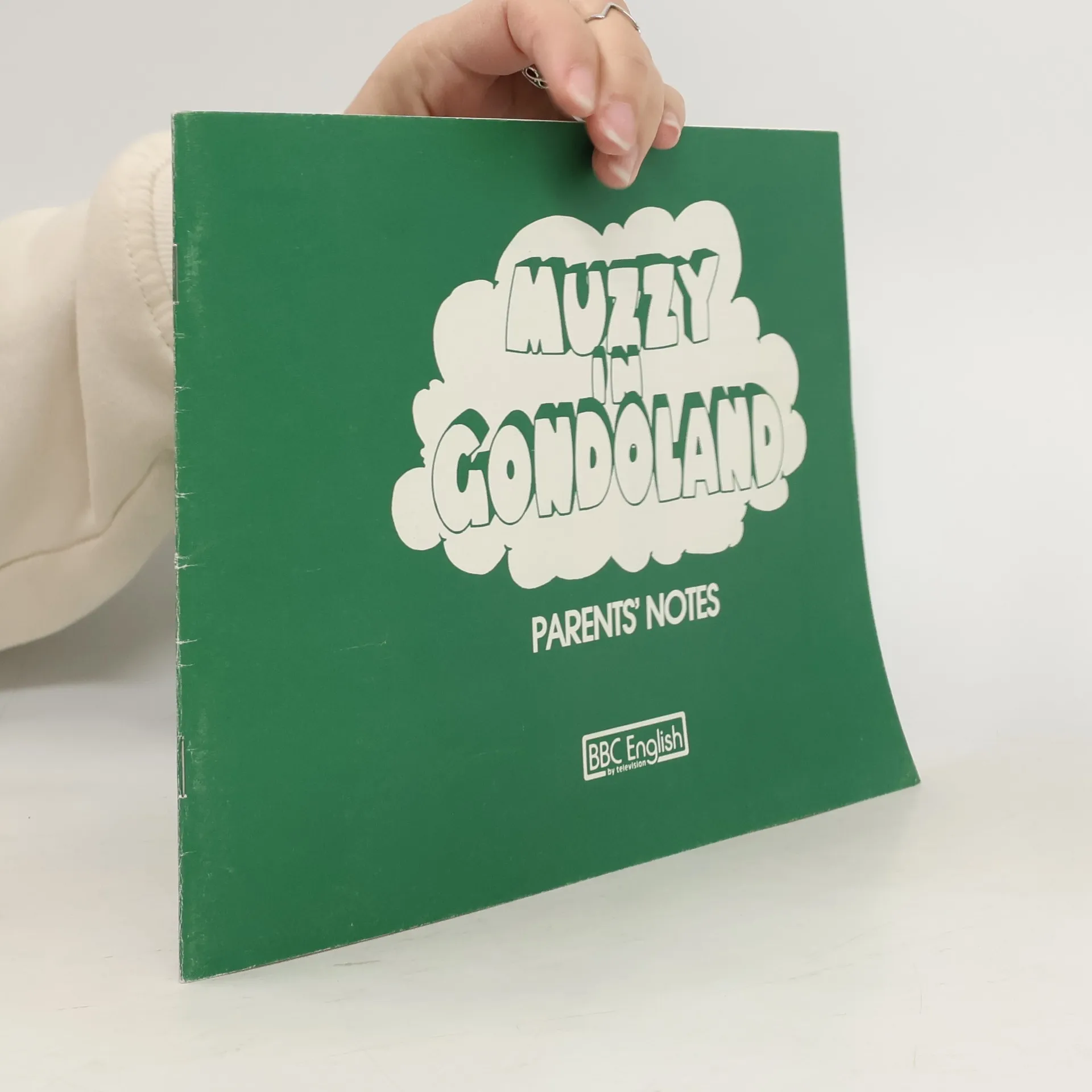


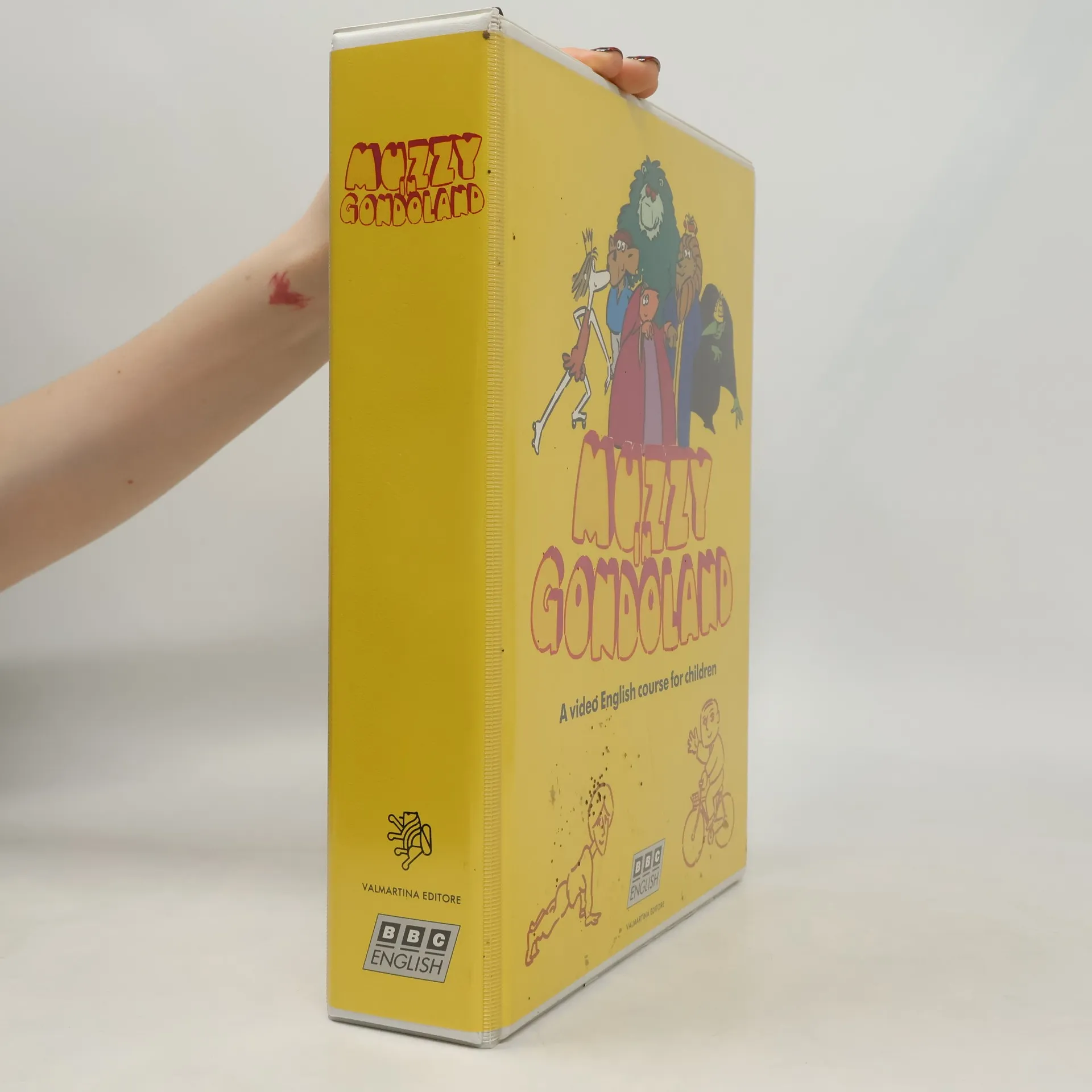
Muzzy in Gondoland 5
- 20 páginas
- 1 hora de lectura
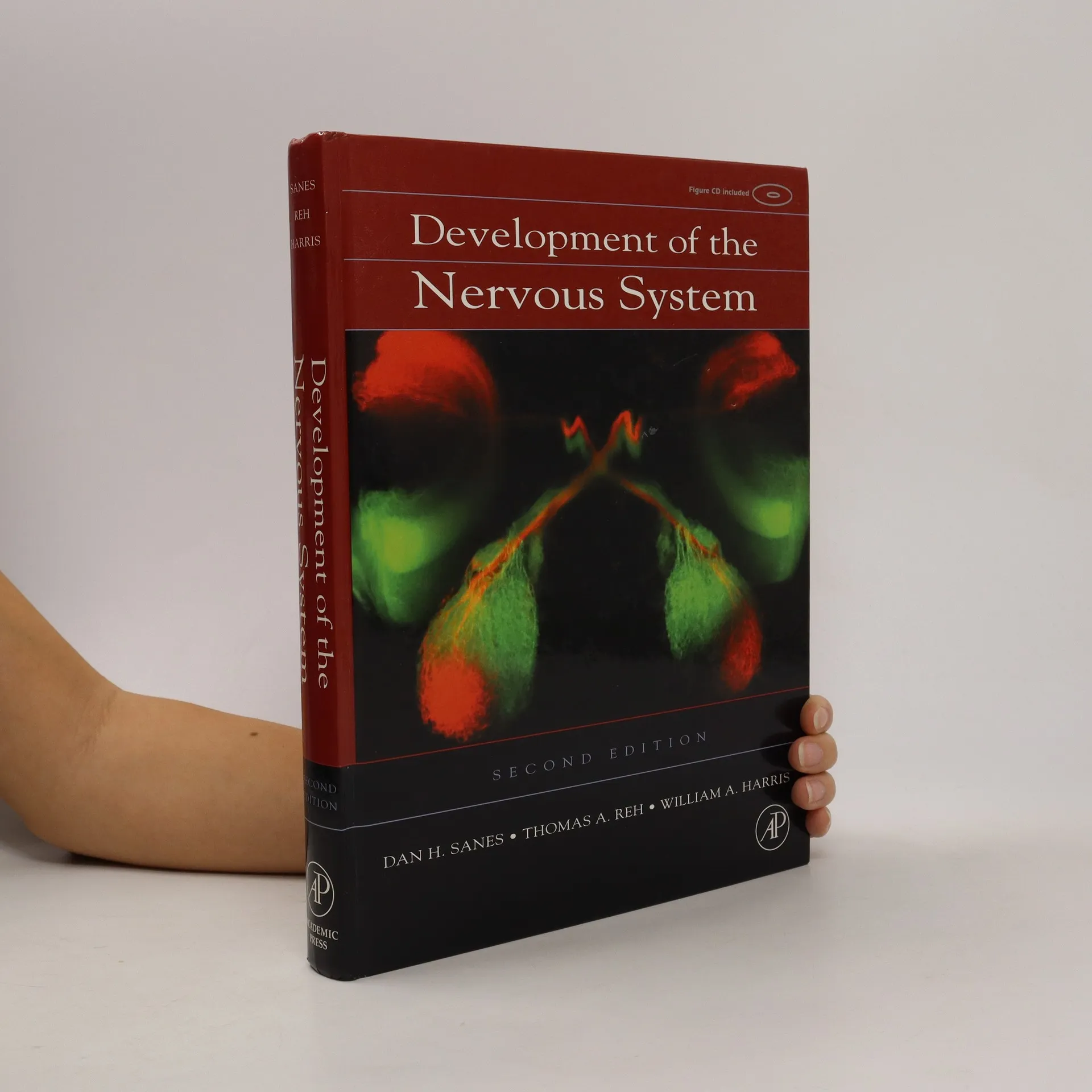
Development of the Nervous System
- 392 páginas
- 14 horas de lectura
"Development of the Nervous System presents a broad treatment of the basic principles of neural development as exemplified by key experiments and observations from past and recent times." "The text is organized ontogenically, beginning from the induction of the neural primordium and leading to the emergence of behavior. It covers all the major topics that would form the basis of a comprehensive undergraduate curriculum along the way including the patterning and growth of the nervous system, neuronal determination, axonal navigation and targeting, neuron survival and death, synapse formation and plasticity." "The new text reflects the complete modernization of the field that has been achieved through the use of model organisms, the intensive application of molecular and genetic approaches, and the introduction of new imaging technologies." "Development of the Nervous System is illustrated with color photographs and original drawings. These illustrations, combined with clear, concise writing make this a book that is well suited to students approaching this intriguing field for the first time."--BOOK JACKET
Lebanon
- 400 páginas
- 14 horas de lectura
The book explores the affairs of Mount Lebanon and its surrounds through fourteen centuries, beginning with the emergence of its Christian, Muslim and Islamic-derived communities between the sixth and eleventh centuries. Against this backdrop, it interprets the modern republic of Lebanon from... číst celé
Zero to Birth
- 272 páginas
- 10 horas de lectura
By the time a baby is born, its brain contains nearly 100 billion intricately shaped neurons, forming a small, soft-matter supercomputer. This book serves as a step-by-step guide to understanding human brain development, from its earliest embryonic stages to birth and beyond. Written from an experimental neuroscientist's viewpoint, it offers a conceptual framework for developmental neurobiology, detailing the biological mechanisms—genetic, environmental, and stochastic—that significantly influence neural development. It explores the major questions that have driven the field forward, highlighting pioneering discoveries made by scientists worldwide and how the structures and mechanisms of the developing brain were uncovered. Chapters progress chronologically, tracking the growth of the human brain from conception to shortly after birth, while also recounting the history of these discoveries. The narrative integrates findings from studies of model organisms—such as nematodes, flies, frogs, fish, birds, mice, and non-human primates—demonstrating that similar processes and genes are involved across species. The book concludes by discussing the uniqueness of individual brains and how research on early neural development aids in understanding the genetic and embryonic origins of various neurological and cognitive traits that emerge later in life.
Dangerous Game
- 80 páginas
- 3 horas de lectura
Original / British English For a number of years, William plays a game with a ghost before he goes to sleep. The ghost is a poltergeist that William calls 'Poldy'. At the beginning William and Poldy play a friendly game every night, but then the game begins to change. It becomes a dangerous game. Who will win?
Od počatia po narodenie
ako vzniká ľudský mozok