
Bookbot

Peter Forbes

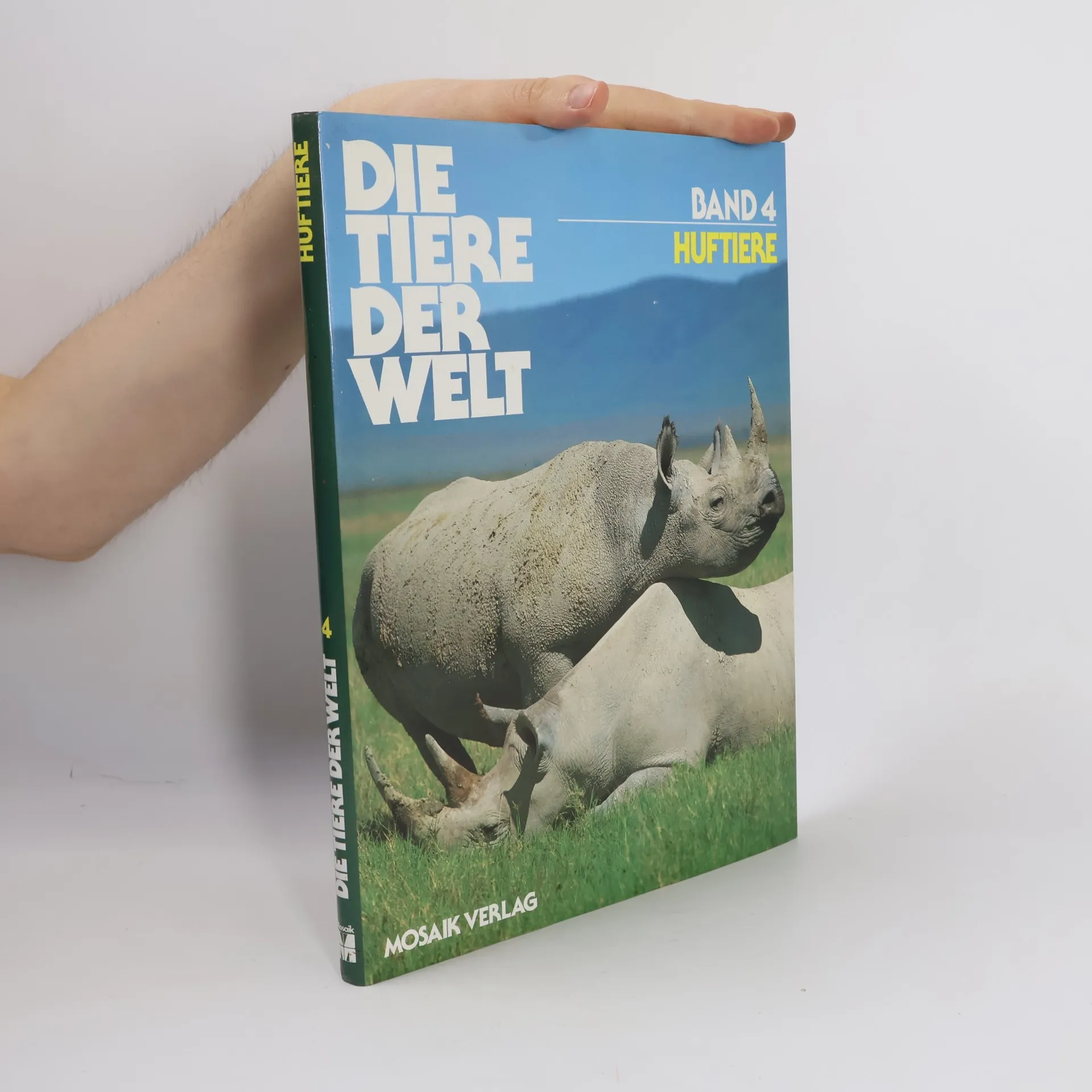
    Die Tiere der Welt 4
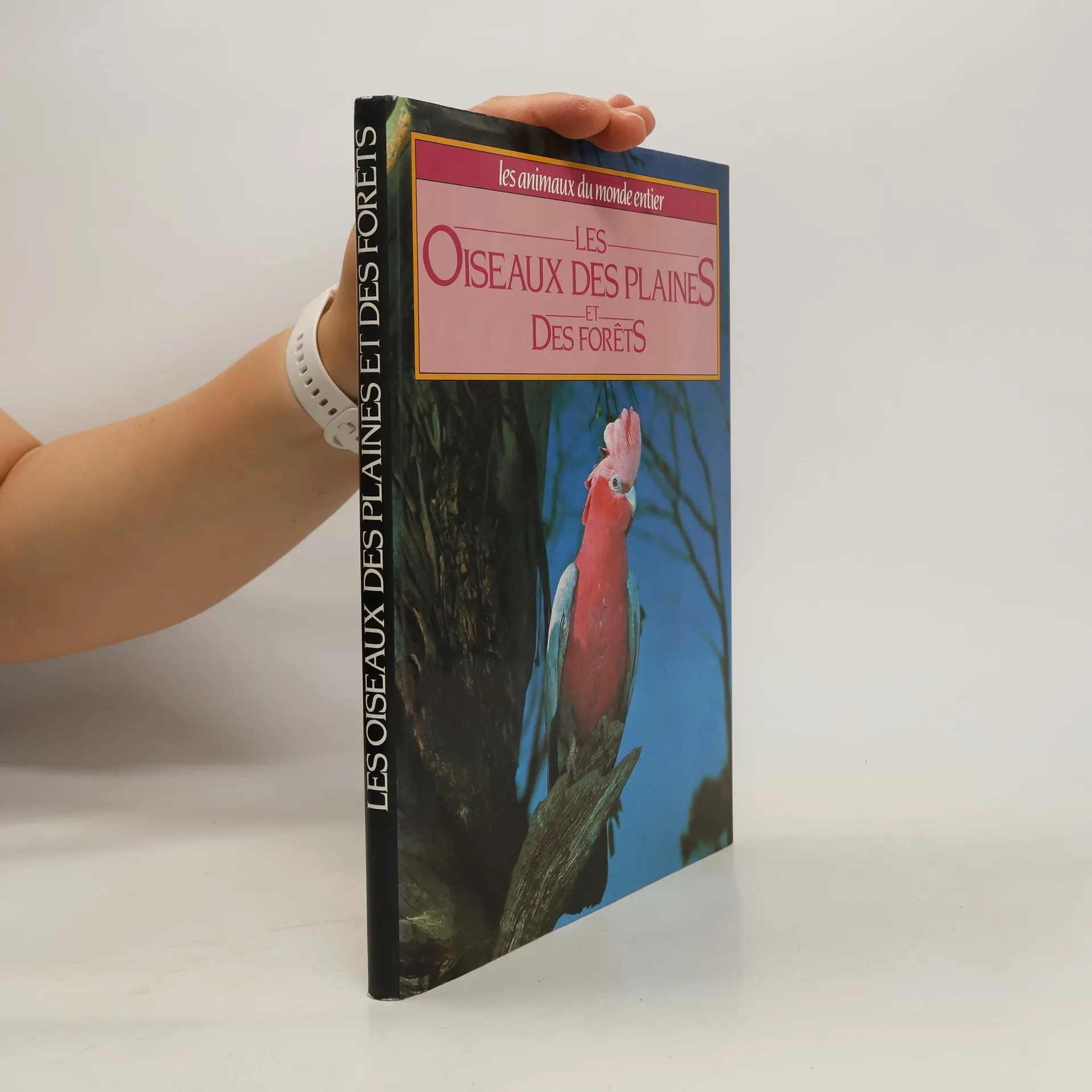
    Les Oiseaux des plaines et des forêts
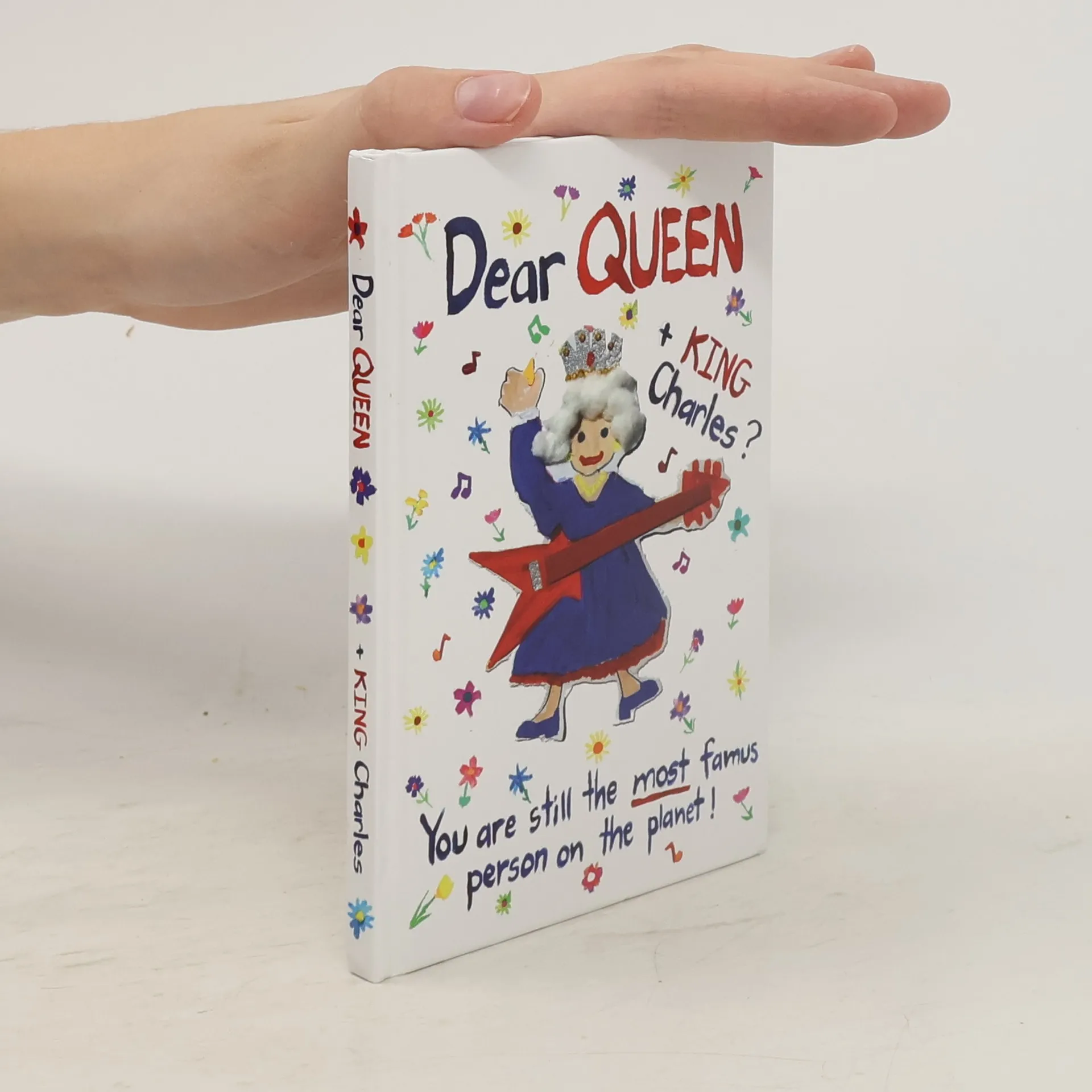
    Dear Queen: You are Still the Most Famous Person on the Planet
    Dazzled and Deceived
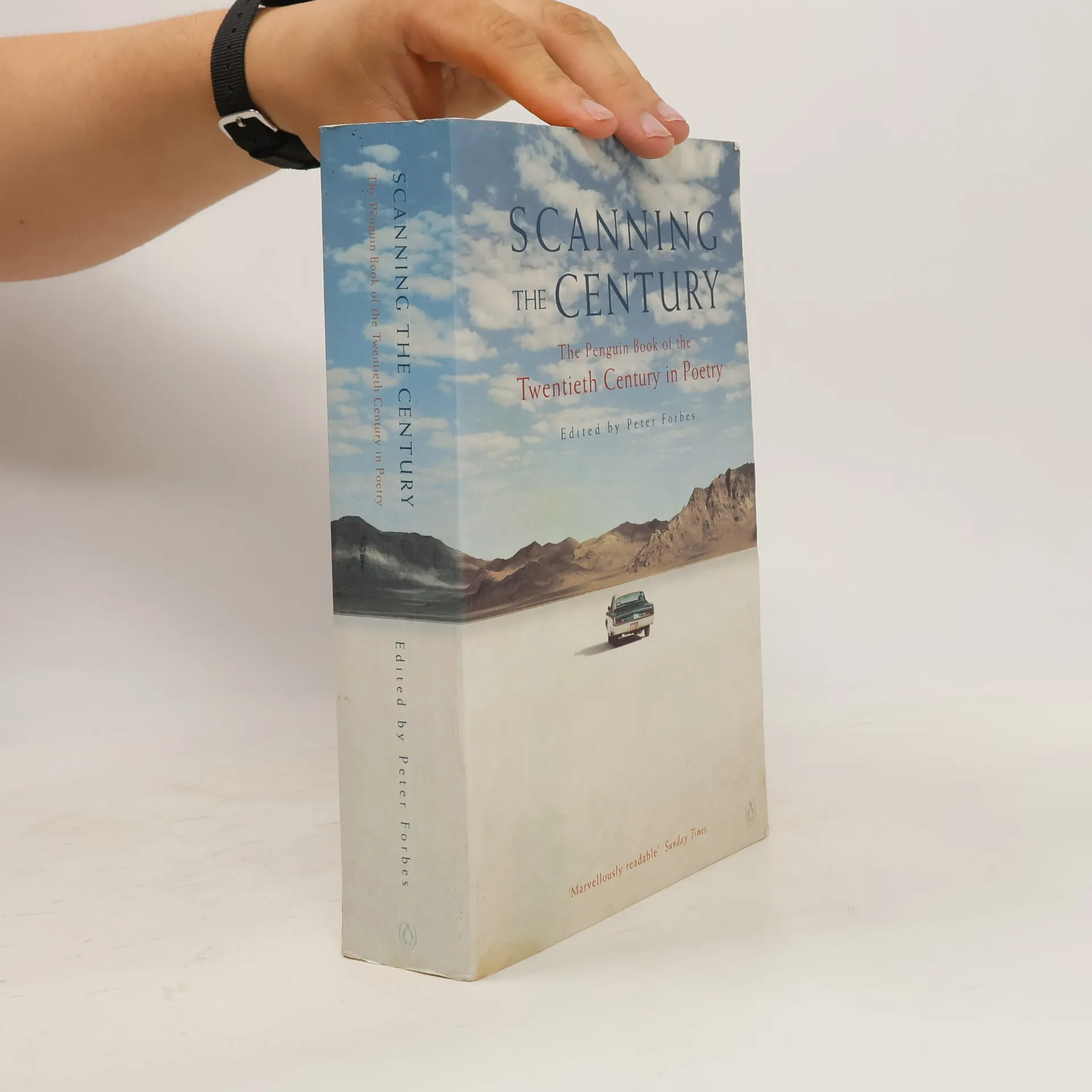
    Scanning the century
    • Scanning the century

      • 596 páginas
      • 21 horas de lectura

      The 20th century has been one of great turbulence, profound shifts in sensibility, and enormous changes in lifestyle. As this anthology brilliantly demonstrates, the poetry of the last hundred years has been both a mirror and a gloss to the age. Drawing on poetry written in English and in translation, Peter Forbes' aim has been to capture this century's flavor "with something like the tang of newsreel and the zest of popular song." There are 39 sections, which run the gamut of from Omens (Brodsky, Hardy, Kipling) to The Jazz Age (Mayakovsky, Eliot, Hughes), from The Holocaust (Auden, Rumens, Levi) to The Sixties (Dylan, Lennon, McCartney), from The Arts (Stevens, Prvert, Yevtushenko) to Love and Sex (Larkin, Adcock, Gunn). As ambitious, various, and energetic as its subject, Scanning the Century offers both history and poetry in one artful and illuminating volume. Peter Forbes is the editor of Poetry Review.

      Scanning the century
      4,0
    • Dazzled and Deceived

      • 283 páginas
      • 10 horas de lectura

      Nature has perfected deception, with countless creatures worldwide—such as butterflies, moths, fish, birds, insects, and snakes—mastering camouflage over millions of years. These adept mimics use mimicry to protect themselves, attract or repel, bluff, warn, forage, and hide. While the advantages of mimicry are clear, the question remains: how does 'blind' nature achieve this? Additionally, how has humanity capitalized on these natural strategies? The narrative explores the captivating story of mimicry and camouflage across science, art, warfare, and the natural realm. Initially discovered in the 1850s by English naturalists Henry Walter Bates and Alfred Russel Wallace in the Amazon, mimicry provided early validation of Darwin's theory of natural selection. Beyond scientific inquiry, mimicry and camouflage have influenced art, literature, military tactics, and medical advancements throughout the twentieth century, intertwining with the evolution versus creationism debate. The exploration of mimicry introduces a vibrant array of characters, including Roosevelt, Picasso, Nabokov, Churchill, and Darwin, all of whom were captivated by its mysteries. This illuminating work sheds new light on the profound quest to understand life's fundamental processes.

      Dazzled and Deceived
      3,6
    • Les Oiseaux des plaines et des forêts

      • 151 páginas
      • 6 horas de lectura

      Rapace, gallinacé, perroquet, loris, cacatoes, coucou, touracos, oiseaux-mouche, guêpier, calaos, hirondelle, alouette, bergeronnette, pipit, mésange, pinson, corbeau.

      Les Oiseaux des plaines et des forêts
    • Die gesamte Welt der Tiere umfaßt diese neuartige zwölfbändige Tierenzyklopädie. Die Texte sind von namhaften Zoologen aus aller Welt für jeden verständlich verfaßt, Sonderartikel und systematische Übersichten machen diese Reihe auch für den Fachmann zum wertvollen Nachschlagewerk. Etwa 200 Farbfotos, zahlreiche Verbreitungskarten und künstlerische Zeichnungen lassen das Werk zu einem einmaligen Erlebnis werden. Inhalt des vierten Bandes: Huftiere: Elefanten, Nashörner, Pferde, Hirsche, Rinder, Antilopen, Ziegenartige. Hasentiere. Keine Säugetiergruppe ist so mannigfaltig wie die Huftiere, die alle größeren vierfüßigen Pflanzenfresser umfaßt. Einfaches Gehen und Laufen auf hufähnlich umgebildeten Gliedmaßen liegt ihrem Bauplan zugrunde, doch wie vielfältig ist dieses Prinzip abgewandelt. Die großen, wuchtigen Elefanten und Nashörner, die schnellen Pferde und Antilopen der Steppen, die Hirsche des Waldes und die felsbewohnenden, kleinen Klippschliefer gehören genauso dazu wie die Wildrinder, Steinböcke und Schafe, von denen unsere wichtigsten Nutztiere abstammen. Ziemlich für sich im Reich der Säuger stehen die Hasentiere, die nur oberflächlich an Nagetiere erinnern.

      Die Tiere der Welt 4