
Bookbot

Douglas Gifford Orden de los libros (cronológico)

    Douglas Gifford fue una voz destacada en la literatura escocesa, investigando y escribiendo extensamente sobre sus ricas tradiciones. Su trabajo académico profundizó en el núcleo de la ficción escocesa, explorando sus temas únicos y estilos narrativos. Las perspicaces críticas de Gifford ofrecieron a los lectores una comprensión más profunda de los autores y obras que dieron forma a este paisaje literario distintivo. Su dedicación al campo iluminó el poder perdurable y la importancia cultural de la narración escocesa.

    Krigare, gudar & andar från de central- och sydamerikanska indianernas mytologi
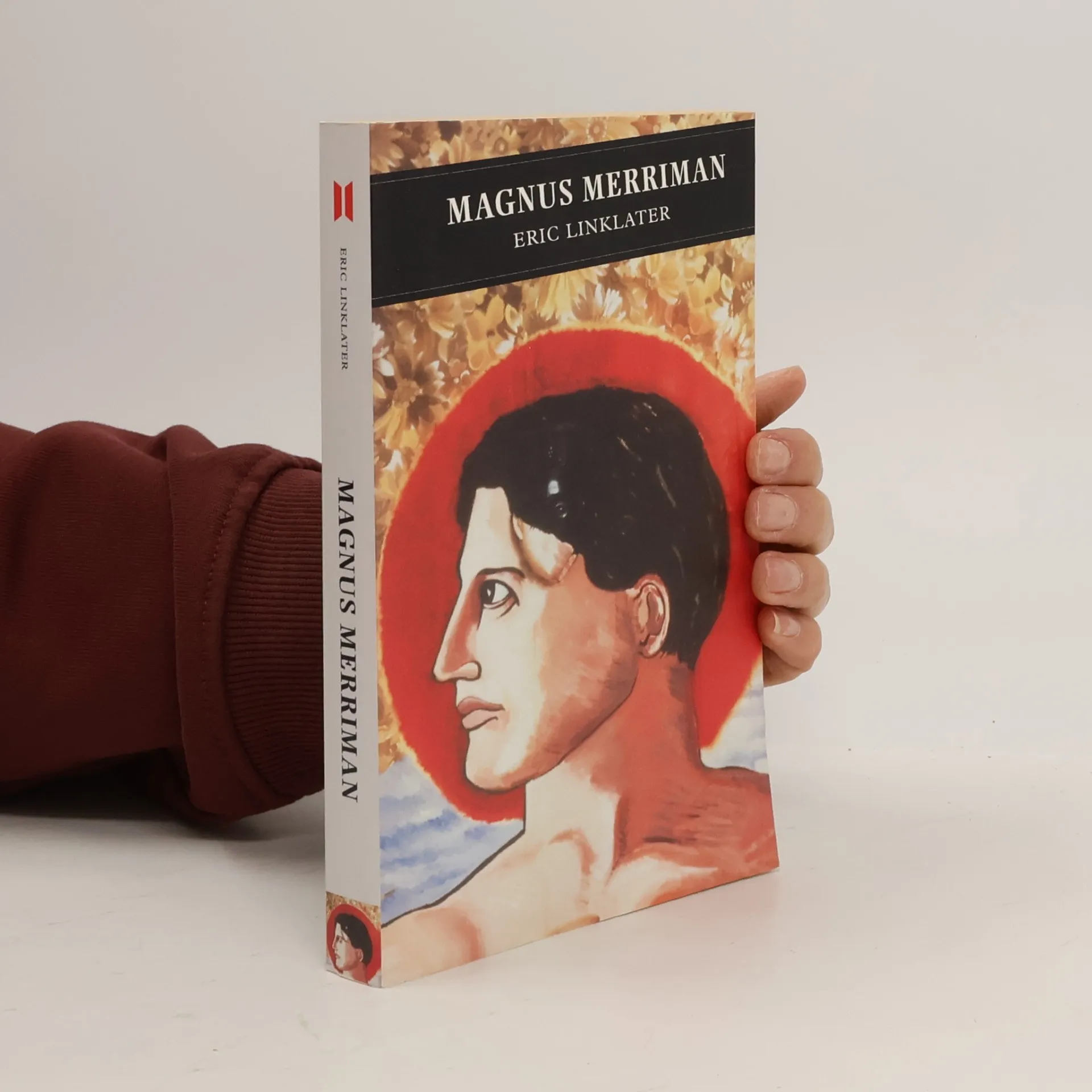
    Magnus Merriman
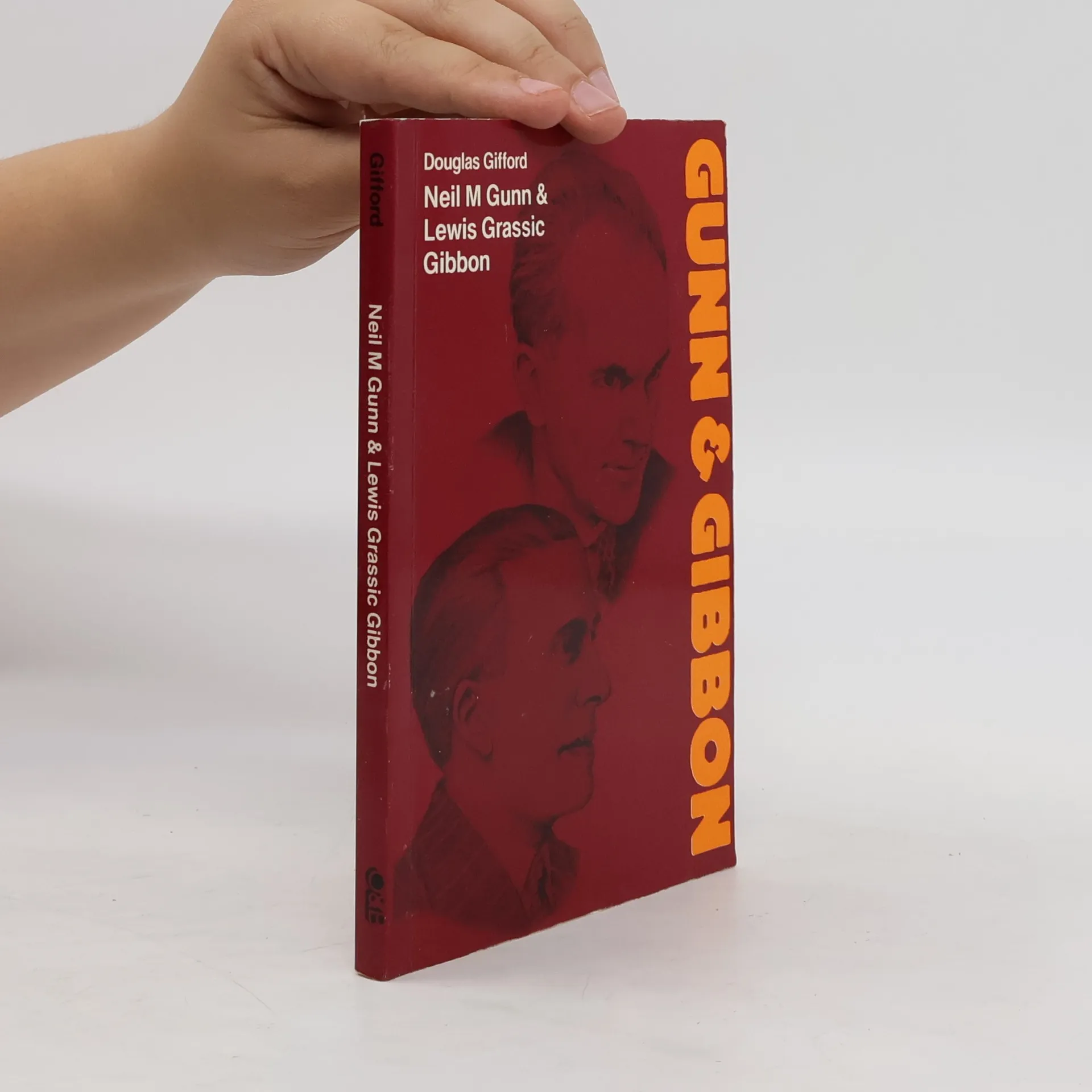
    Neil M. Gunn and Lewis Grassic Gibbon
    • Magnus Merriman

      • 320 páginas
      • 12 horas de lectura

      This hilarious novel charts the rise and fall (and perhaps the rise again) of Magnus Merriman-would-be lover, writer, politician, idealist and crofter-moved by dreams of greatness and a talent for farcical defeat. Convinced that 'small nations are safer to live in than big ones', Magnus becomes a Nationalist candidate for the parliamentary seat of 'Kinluce'. With details based on Linklater's own experiences in an East Fife by-election in 1933, the way is set for a satirical and irreverent portrait of Scottish life, literature and politics in the 1930s. Nothing is sacred and no-one is spared.
      Magnus Merriman1990
    • Neil M. Gunn and Lewis Grassic Gibbon

      • 154 páginas
      • 6 horas de lectura

      This full-length introductory study, first published in 1983, compares and contrasts these two writers. After setting Gunn and Gibbon in the context of the Scottish Renaissance - arguably, says Douglas Gifford, one of the richest periods of all Scottish Literature - it goes on to give an overview of each writer's work as a whole. This leads to detailed examination of their two most widely known works, Gunn's The Silver Darlings and Gibbon's A Scots Quair. The author shows how these two outstanding examples of the novelists' art, while providing plentiful examples of the qualities and similarities, yet epitomise their essential differences - Gunn's positive hope and Gibbon's negative despair.

      Neil M. Gunn and Lewis Grassic Gibbon1983