Ein fesselnder Roman über das Erbe historischer Verbrechen in Chile während der Pinochet-Diktatur. Die Erzählerin, geprägt von einem Folterer, reflektiert über Schuld und Mut. Fernández erkundet die dunkle Geschichte und die Herausforderungen des Erinnerns und Schreibens in einer repressiven Gesellschaft.
"La memoria de las estrellas. La memoria de una madre. Y la de su hija. La memoria de un pueblo. Cómo recordamos. Por qué. Para qué. Un ensayo emocionante. Acompañando a su madre en sus exámenes neurológicos, la narradora de este libro advierte que la actividad cerebral proyectada en el monitor tiene muchas similitudes con las imágenes astronómicas que conoce. A partir de esa constatación, Nona Fernández comienza en este, su primer ensayo, a escudriñar en los mecanismos de la memoria estelar y la humana. Tomando nota de todo lo que lee, observa y piensa, al modo de las Voyager, esas sondas exploratorias del espacio, Fernández va vinculando ese registro a su propia historia y a la del país, planteando con inteligencia cuestiones que son de ahora y de siempre. Cómo recuerdan las estrellas y las personas son interrogantes que inevitablemente llevan a preguntarse cómo recuerdan los pueblos, y cómo olvidan, y Nona Fernández las aborda con la sagacidad y el ímpetu que caracterizan su obra."--Publisher's description
Preoccupied by uneasy memories and visions, a group of friends look back on their childhood. Their dreams circle their old classmate Estrella Gonzlez Jepsen. They catch glimpses of her braids, hear echoes of her voice, read old letters. They recall regimented school assemblies, nationalistic class performances and a trip to the beach. It soon transpires that Estrella's father was a ranking government officer implicated in the Pinochet regime and after she simply disappeared, question of what became of her haunts her former friends. Growing up, they were old enough to sense the danger and tension that surrounded them but powerless to resist or confront it. They could control only the stories they told one another and the 'ghostly green bullets' they fired in their favourite video game. One of the leading Latin American writers of her generation, Nona Fernndez effortlessly builds a choral and constantly shifting image of young life in the waning years of the dictatorship. Prose of astonishing beauty is intricately layered to hypnotic, mesmerising effect, as Fernndez summons the collective memory of a generation, rescuing felt truth from the oblivion of official history
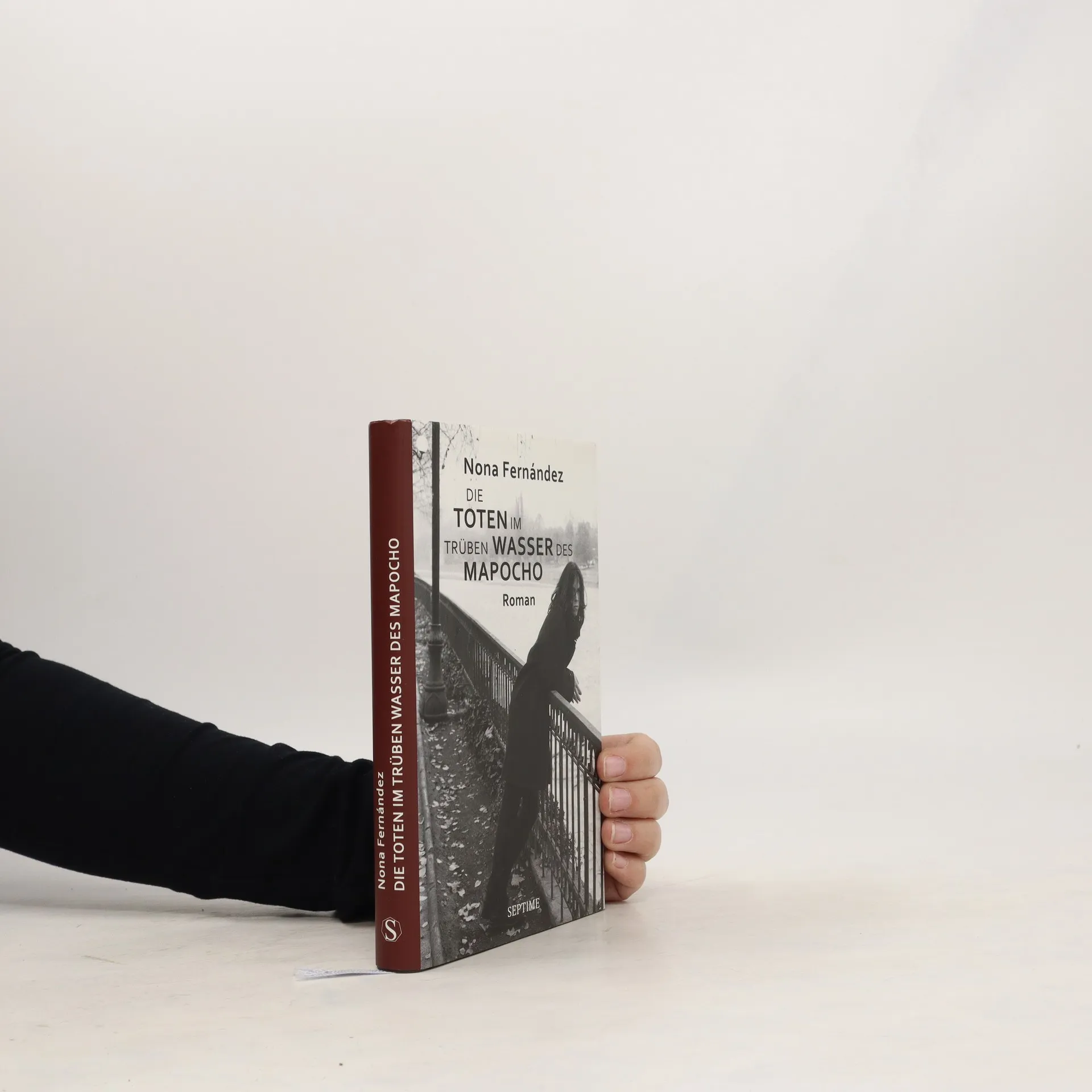
Mapocho ist der Name des Flusses, an dessen Ufern Santiago de Chile erbaut wurde. In Nona Fernández’ Roman wird er nicht nur von den Abwasserkanälen der Stadt, sondern auch vom Dunkel der Vergangenheit gespeist. Leichen, Mythen und persönliche Schicksale treiben darin. Der Roman verwebt Geschichten von unter General Ibáñez verschleppten Transvestiten, von einem inzestuösen Geschwisterpaar, versklavten Gefangenen, einem selbstmordgefährdeten Historiker und einem auf der Suche nach seinem Kopf umherstreifenden, enthaupteten Häuptling der Mapocho-Indianer zu einem bunten Mosaik, das einem Gemälde gleicht – mal grotesk und provokativ, mal sanft und fast zärtlich. Nona Fernández packt, beim Umblättern der ersten Seite, den Leser an der Hand, zieht ihn tief in ihre Geschichte und lässt ihn bis zum Ende nicht mehr los.
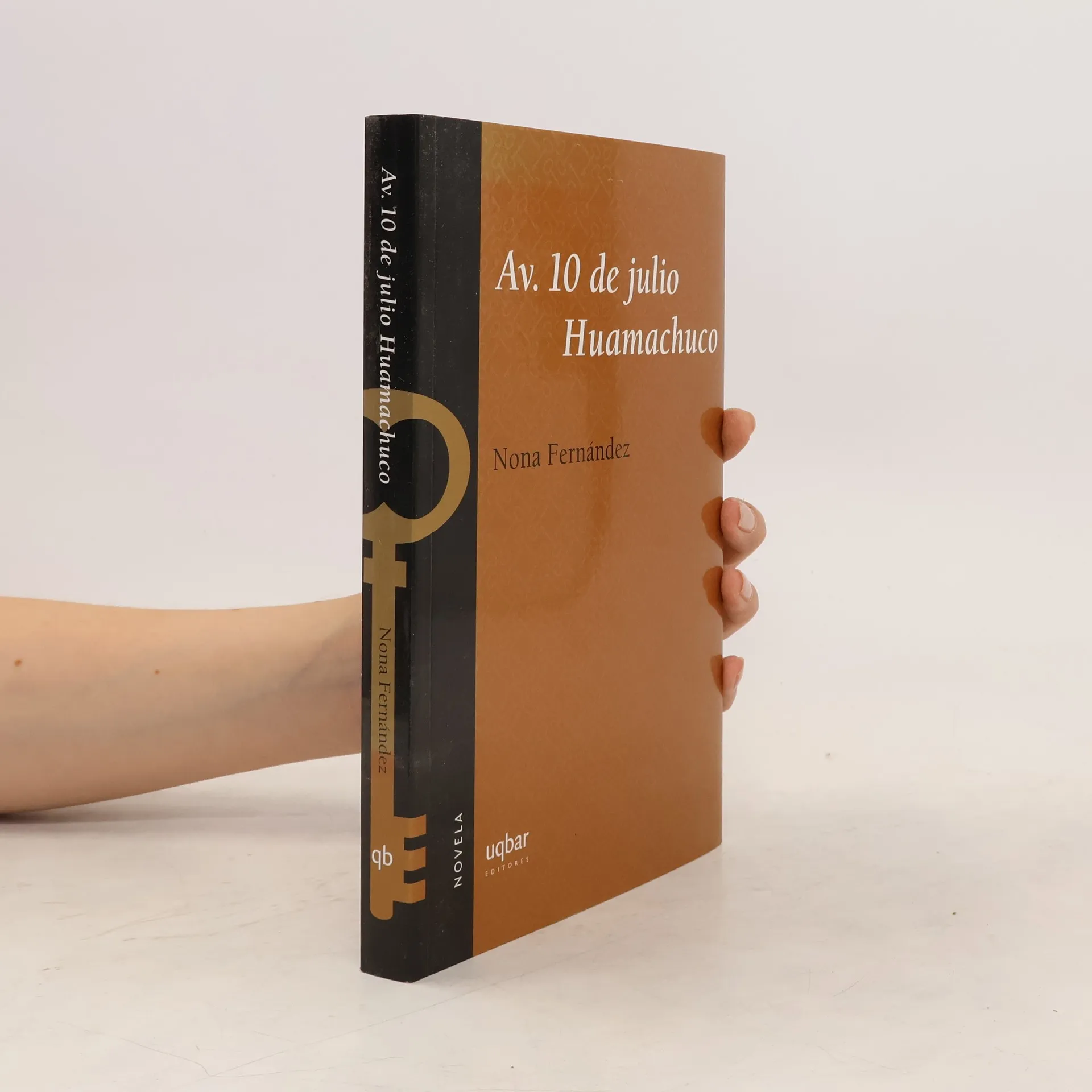
La autora de "Mapocho" vuelve a la novela con "Av. 10 de Julio Huamachuco", un libro extraño, sin concesiones, realista y fantástico a la vez, que sigue hasta el presente las huellas de quienes participaron en la rebelión de los estudiantes secundarios de los años 80. Una especie de "Actores secundarios" (la película de Jorge Leiva), pero en clave apocalíptica, donde el mundo de los muertos se conecta con el de los vivos a través de la memoria y de Internet, en un marco desolador de vidas frustradas, tiendas de repuestos automotrices y barrios en demolición. Con "Mapocho", Nona Fernández vuelve a situarnos en lugares claves de Santiago, sus arterias principales, si antes fue el río Mapocho, ahora es la más popular calle en dónde se venden repuestos para automóviles. Lo reconocible, lo popular y lo urbano, parecen ser los motivos que consolidan a esta autora chilena.