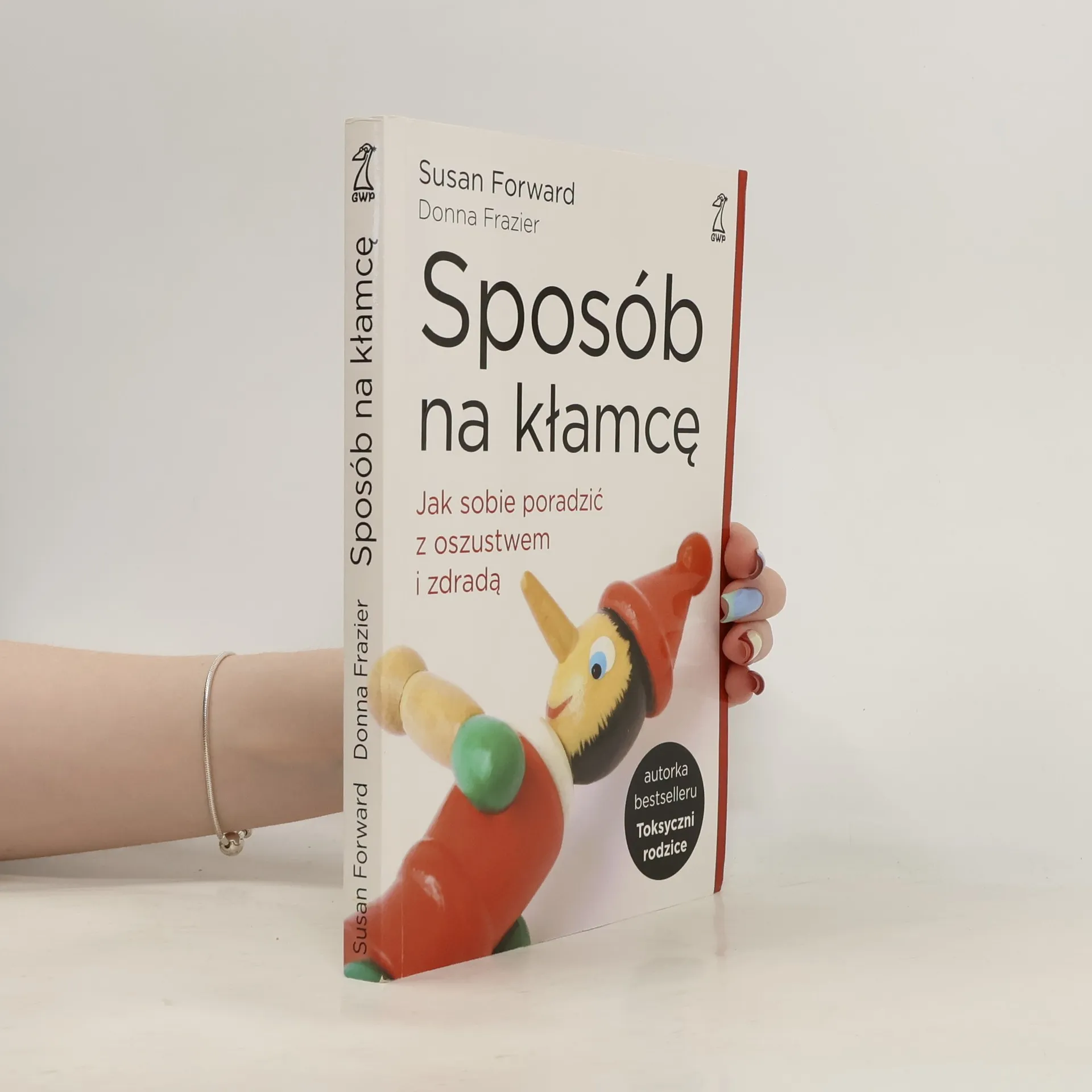
Chantaje Emocional
- 270 páginas
- 10 horas de lectura
Que hacer cuando personas allegadas a usted tratan de manipularle por medio de sentimientos de temor, obligacion y culpa.





Que hacer cuando personas allegadas a usted tratan de manipularle por medio de sentimientos de temor, obligacion y culpa.
With innovative techniques and enjoyable exercises that have worked wonders with his professional clients, the internationally acclaimed vocal coach demonstrates how to carry a tune, expand vocal range, and speak with ease, confidence, and effectiveness. Illustrations.
Dlaczego niektórzy ludzie potrafią przytłoczyć nas emocjonalnie, sprawiając, że czujemy się jak ofiary? Dlaczego nie potrafimy się przed tym obronić? Dlaczego nigdy nie przedstawiamy swojego punktu widzenia? Dlaczego czujemy się zdezorientowani i bezsilni? Dlatego że stoi za tym sprytny szantaż emocjonalny, któremu ulegamy częściej, niż nam się wydaje. Autorki książki, Susan Forward i Donna Frazier, przedstawiają typowe zachowania szantażystów emocjonalnych, a także stosowane przez nich metody wywierania wpływu i skutki ulegania tej manipulacji. Proponują skuteczne strategie obrony przed uwikłaniem w emocjonalną zależność. Taka zależność to pułapka, w którą łatwo wpaść, ale z której dużo trudniej się uwolnić. Szantażysta doskonale wie, czego chce. Zręcznie manipuluje tak, aby zawsze postawić na swoim. Akceptuje nas wyłącznie wtedy, gdy na wszystko się zgadzamy, a kiedy nie chcemy ulec – odrzuca, grozi, karze, odwołuje się do poczucia obowiązku i wzbudza poczucie winy. Człowiek ulegający szantażowi zapomina o swoich potrzebach, uczuciach i pragnieniach, czuje się przegrany i sfrustrowany. Zrobi wszystko, by zadowolić bliską mu osobę.
Sehr hilfreich für alle, die mit ihren Schwiegereltern überfordert sind. Einerseits soll man herausfinden ob Schwiegereltern wirklich bösartig sind und sich in die Beziehung einmischen oder ob es nur kleinere Meinungsverschiedenheiten sind. Andererseits werden Strategien vorgeschlagen wie man sich verteidigt, bzw wie man dem eigenen Partner eigene Sicht auf die Situation vermittelt.
With Mothers Who Can't Love: A Healing Guide for Daughters, Susan Forward, Ph.D., author of the smash #1 bestseller Toxic Parents, offers a powerful look at the devastating impact unloving mothers have on their daughters—and provides clear, effective techniques for overcoming that painful legacy. In more than 35 years as a therapist, Forward has worked with large numbers of women struggling to escape the emotional damage inflicted by the women who raised them. Subjected to years of criticism, competition, role-reversal, smothering control, emotional neglect and abuse, these women are plagued by anxiety and depression, relationship problems, lack of confidence and difficulties with trust. They doubt their worth, and even their ability to love. Forward examines the Narcissistic Mother, the Competitive Mother, the Overly Enmeshed mother, the Control Freak, Mothers who need Mothering, and mothers who abuse or fail to protect their daughters from abuse. Filled with compelling case histories, Mothers Who Can’t Love outlines the self-help techniques Forward has developed to transform the lives of her clients, showing women how to overcome the pain of childhood and how to act in their own best interests. Warm and compassionate, Mothers Who Can’t Love offers daughters the emotional support and tools they need to heal themselves and rebuild their confidence and self-respect.
Wie kann eine Frau lernen, mit dem Schock und dem Verlust ihres Selbstwertgefühls umzugehen, wenn der Partner, dem sie vertraut hat, sie belügt und betrügt? Anhand exemplarischer Lebensgeschichten zeigt Susan Forward, welche Lügner- und Betrüger-Typen es gibt und welche Strategien Frauen entwickeln können, sie zu erkennen und rechzeitig zu handeln.