Schiller
- 568 páginas
- 20 horas de lectura


Rüdiger Safranski es un erudito literario y autor alemán. Desde 2012, es Profesor de Filosofía y Humanidades en la Universidad Libre de Berlín.


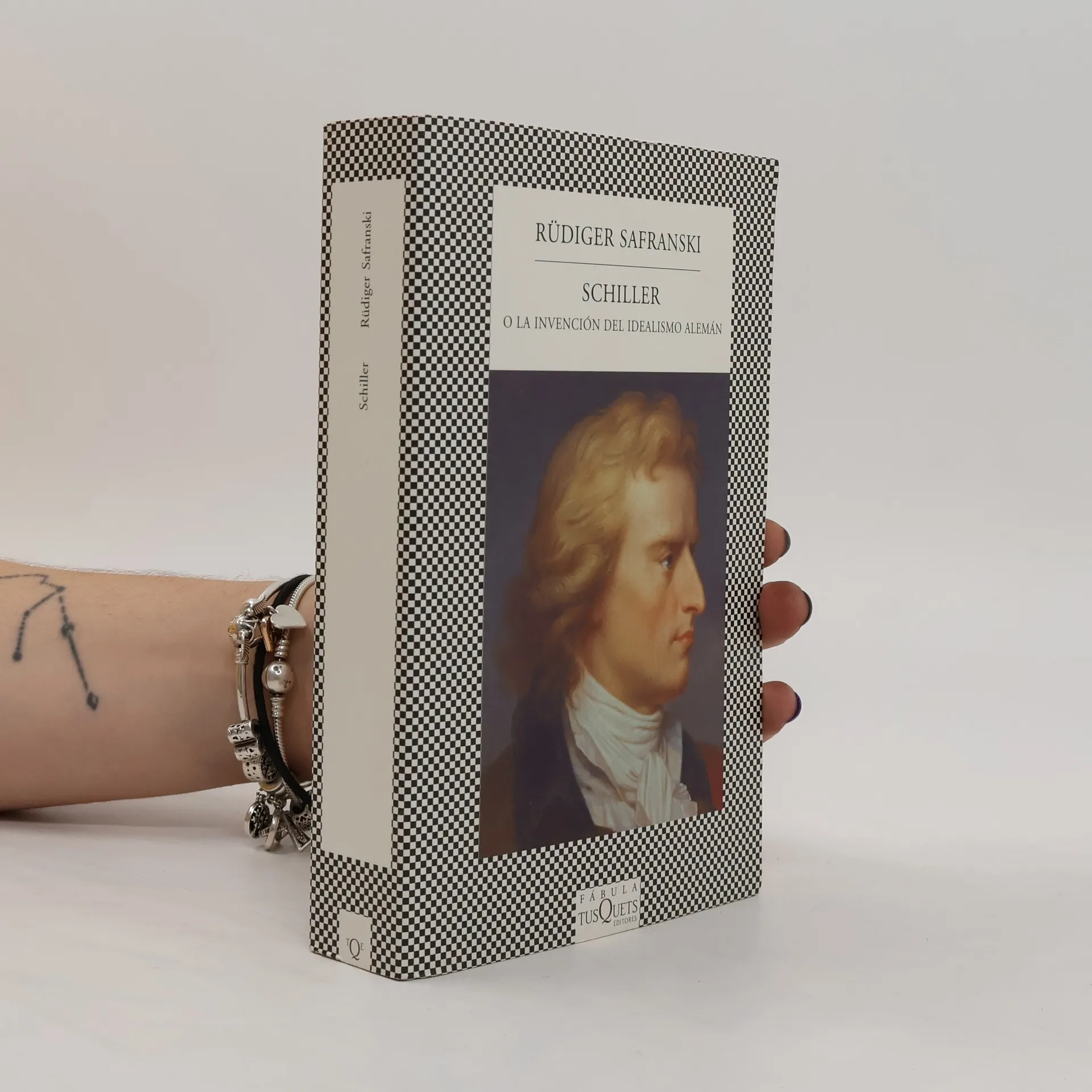
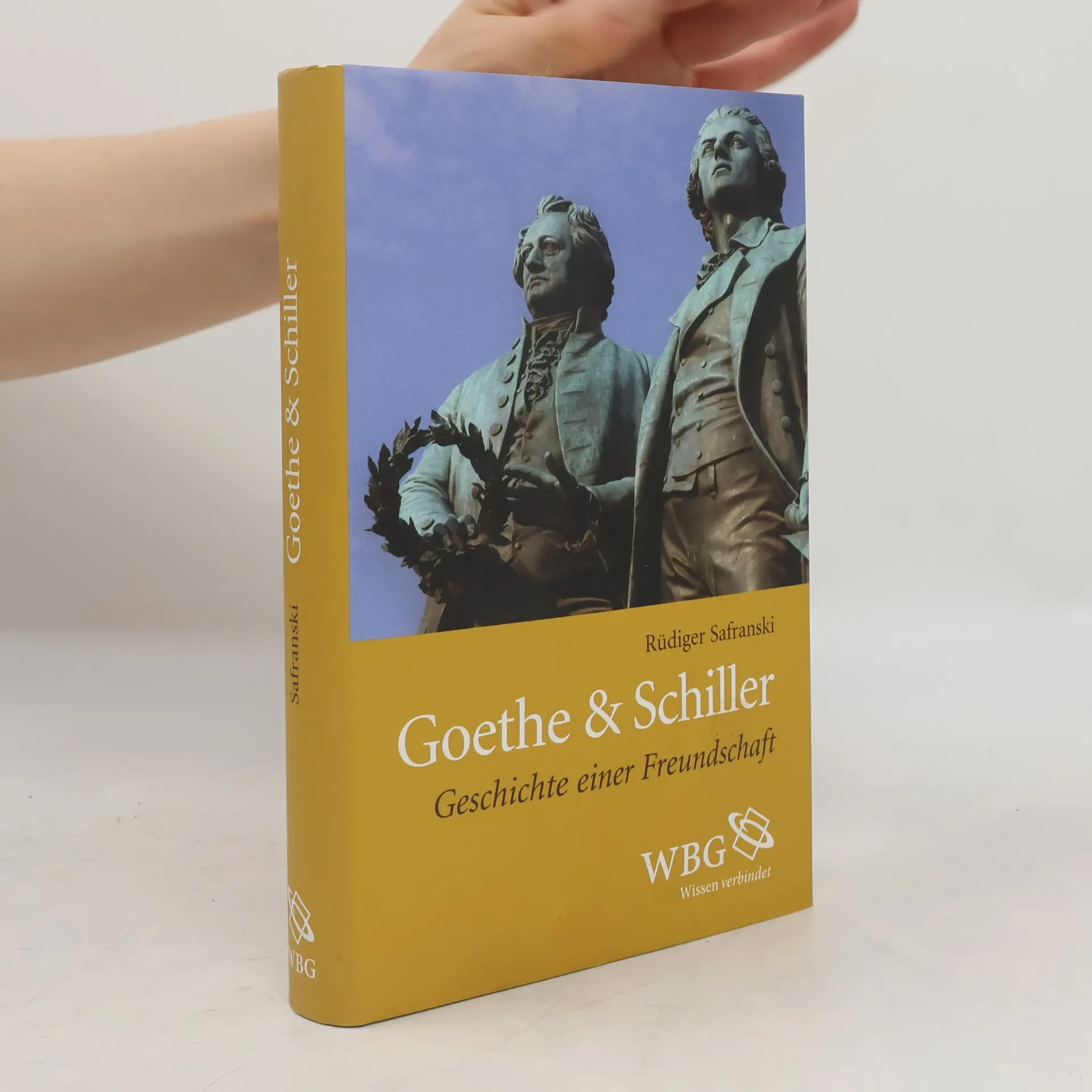
Entre finales del siglo xviii y comienzos del xix, Alemania, sometida a un despotismo político casi insoportable, vivió no obstante uno de los periodos culminantes de la historia de las letras y el pensamiento: la eclosión del clasicismo y del romanticismo, el momento en que autores como Friedrich Schiller y Johann Wolfgang Goethe llevaron a la cultura europea a su más lograda expresión. Este libro narra, precisamente, la apasionante historia de la amistad que unió a estos dos gigantes entre 1794 y 1805, año en que Schiller murió prematuramente. Aunque mantuvieron puntos de vista divergentes sobre la función del arte y la literatura o sobre las relaciones entre la naturaleza y la libertad, ambos crearon o recrearon grandes mitos literarios y elevaron el arte a una categoría humana esencial
Las ideas de Friedrich Nietzsche (1844-1900) el eterno retorno de lo mismo, la voluntad de poder, el superhombre o la concepción dionisiaca de la existencia transformaron definitivamente la filosofía de su tiempo y continúan ayudando a entender el nuestro. A su vez, la atormentada existencia de este pensador, marcada por la enfermedad y el hundimiento final en la locura, ilustra la soledad del genio romántico. Para esta biografía, Safranski recorre los principales episodios vitales del autor de Así habló Zaratustra, dando así la clave de los enigmas e intuiciones de un autor que, más de cien años después de su muerte, mantiene todo su poder de provocación
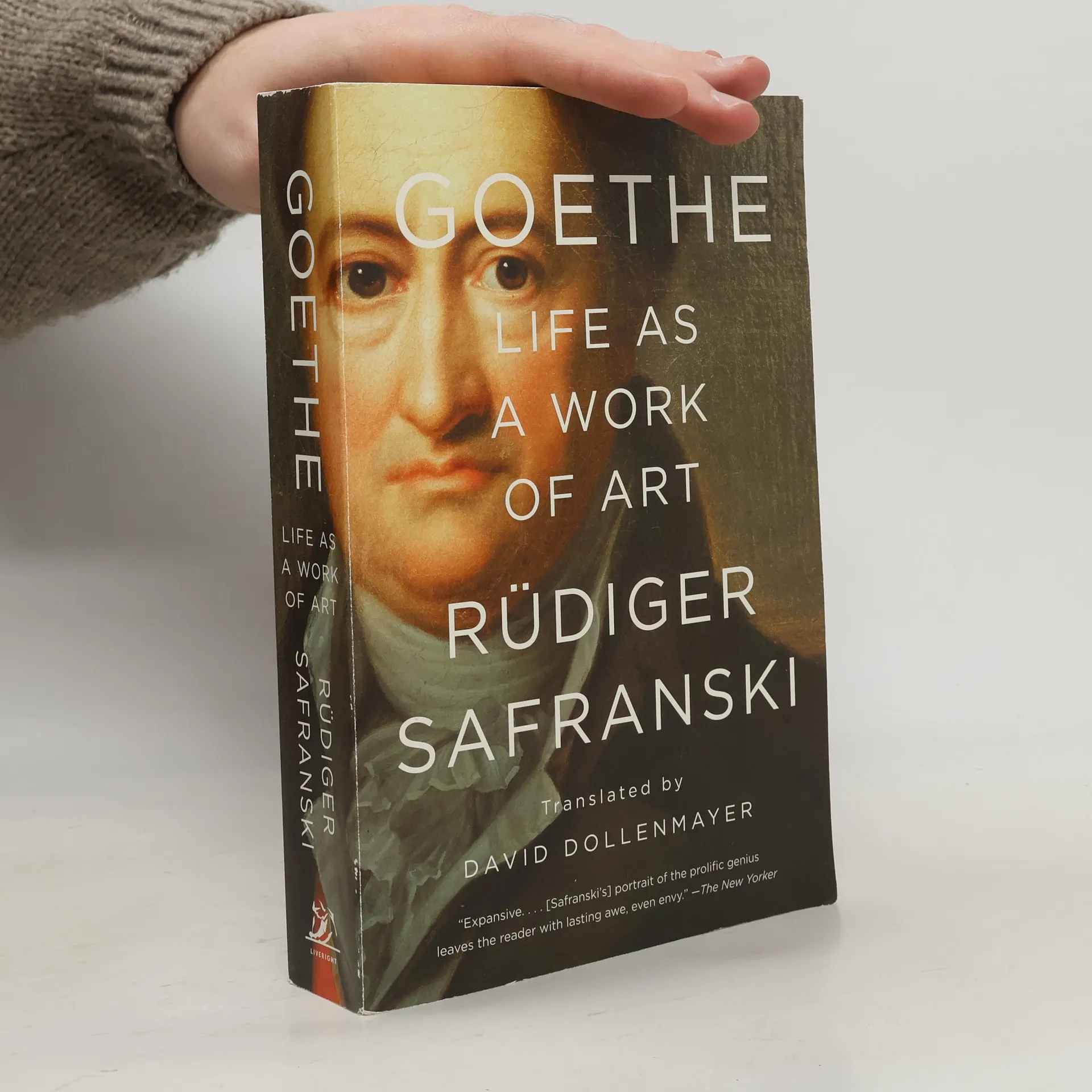
A masterful intellectual portrait, Goethe: Life as a Work of Art is celebrated as the seminal twenty-first-century biography of the writer considered to be the Shakespeare of German literature. Johann Wolfgang von Goethe (1749–1832), a remarkably prolific poet, playwright, novelist, and—as Rüdiger Safranksi emphasizes—a statesman and naturalist, first awakened not only a burgeoning German nation but the European continent with his electrifying novel The Sorrows of Young Werther . Safranski has scoured Goethe’s entire oeuvre, relying exclusively on primary sources, including his correspondence with contemporaries, to produce a “fresh and authentic” ( Economist ) portrait of the avatar of the Romantic era. Skillfully blending “artistic analysis with swift, sharp renderings” of the great political and intellectual figures Goethe encountered, “[Safranski’s] portrait of the prolific genius leaves the reader with lasting awe, even envy” of a monumental legacy ( The New Yorker ). As Safranski ultimately shows, Goethe’s greatest creation, even in comparison to his masterpiece Faust, was his own life.
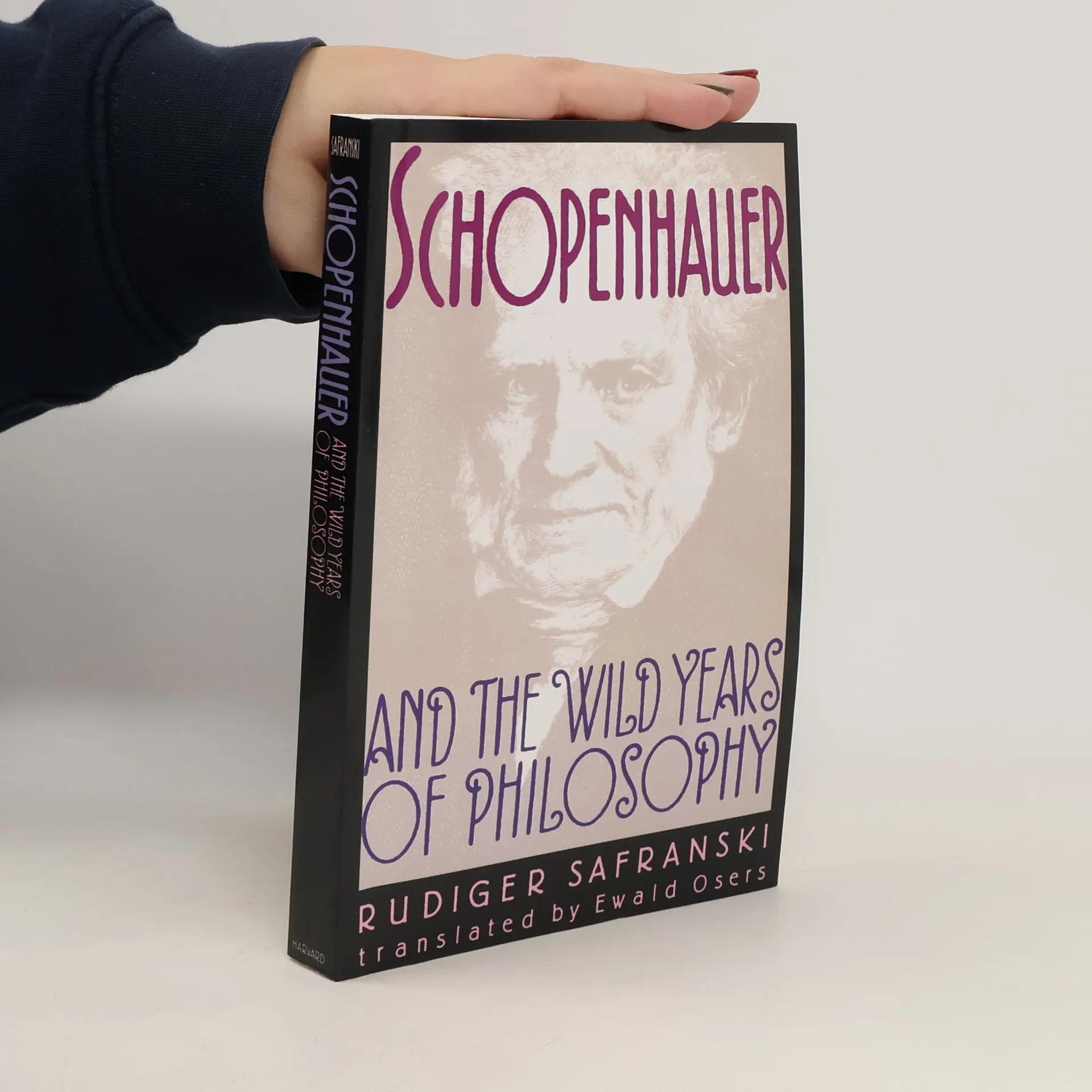
This detailed biography of a key figure in nineteenth-century philosophy examines both the life and work of Arthur Schopenhauer. Rudiger Safranski situates Schopenhauer within the context of his philosophical predecessors and contemporaries, such as Kant, Fichte, Schelling, and Hegel, while exploring the sources of his profound alienation from their "secularized religion of reason." The narrative delves into Schopenhauer's personal life, depicting struggles against a domineering father and the challenges of reconciling with his mother's literary success, as well as the loneliness he faced when his major work, The World as Will and Representation, was initially overlooked. Safranski also highlights the vibrant culture of Goethe's Weimar and Hegel's Berlin, enriching the portrayal of the era's intellectual landscape. Schopenhauer's philosophy, characterized by "weeping and gnashing of teeth," found few followers during the Romantic idealism of his time. However, after the disillusionments of 1848, his ideas gained traction among philosophers and writers, influencing figures from Nietzsche to Samuel Beckett. This biography, the first of Schopenhauer in English this century, vividly brings to life an intriguing philosopher and the intellectual battles of his time, whose impact continues to resonate today.
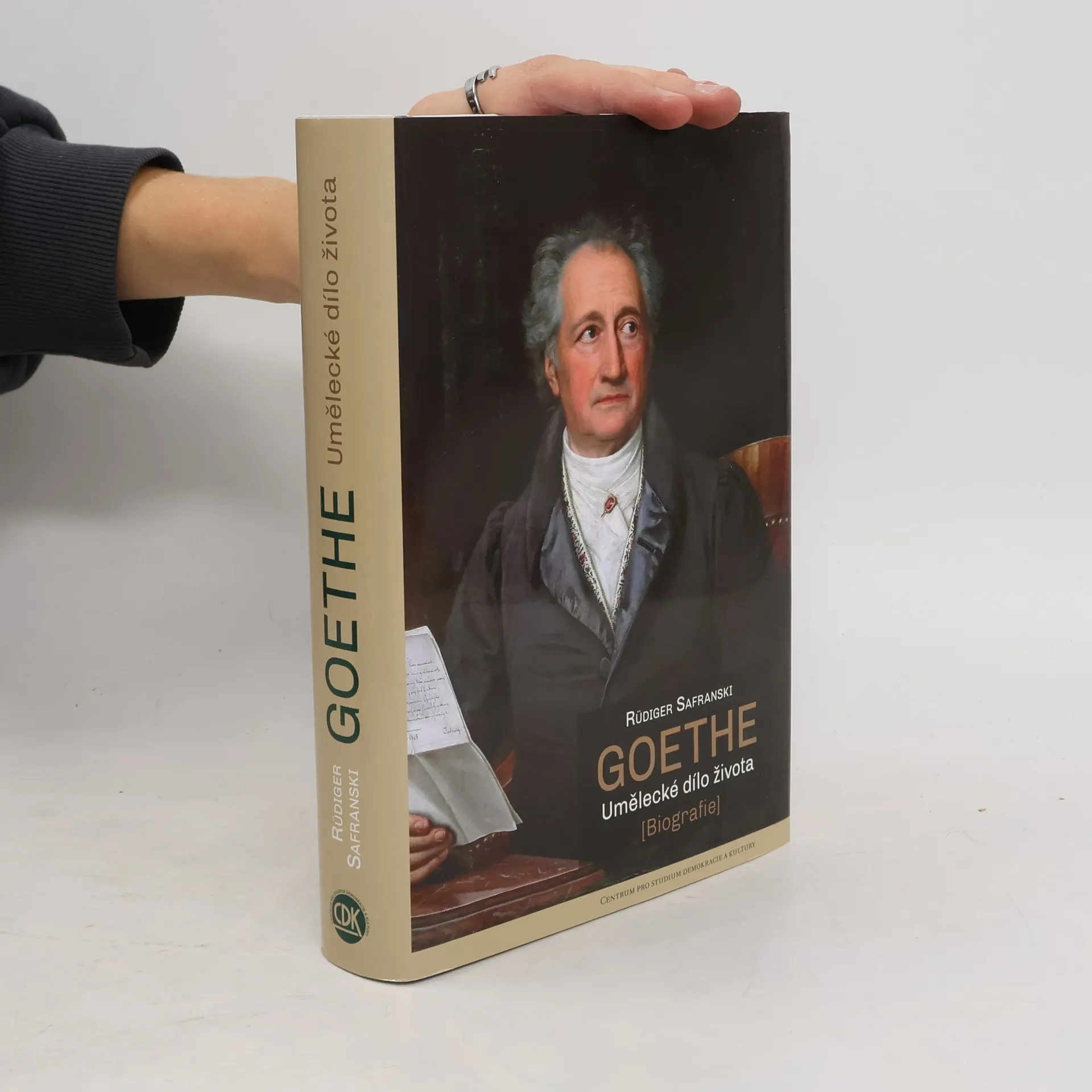
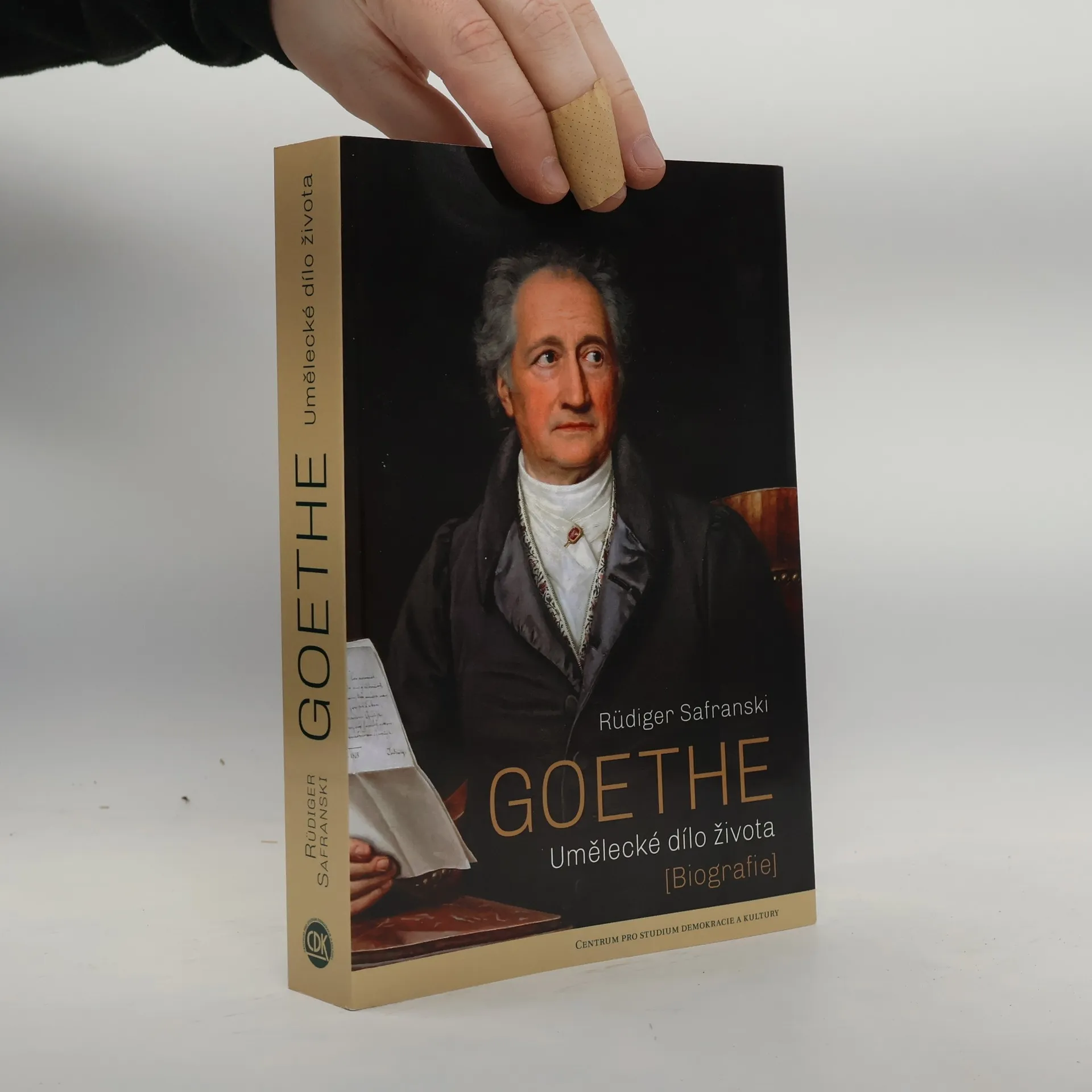
Rüdiger Safranski představuje Goetha v novém světle, čímž nabízí živý obraz tohoto génia století. Biografické prameny k Goethovi jsou bohaté a provázené mnoha názory a interpretacemi. Safranski se zaměřuje na primární zdroje – díla, dopisy, deníky a poznámky současníků – a vytváří tak fascinující portrét muže, jehož životní cesta zahrnuje období od hravého rokoka po střízlivý věk železnic. Goethovo rané literární dílo zůstává dodnes měřítkem, avšak po úspěšném období v Frankfurtu se mu literární život začal zajídat. V roce 1775 se rozhodl pro radikální změnu a odešel do malého vévodství Sasko-výmarského, kde se stal státním ministrem. I nadále tvořil nezapomenutelné básně, divadelní hry a romány, včetně Faustova díla, a uvědomoval si, že jeho život může být také významným dílem, které chce vtisknout nezaměnitelnou podobu. Safranski líčí nejen Goethovu tvorbu a jeho dobu, ale také jeho osobní vývoj. Kniha se stává příkladem umění žít, které je stále relevantní a poučné. Český čtenář tak po více než 46 letech získává ucelenou moderní biografii Goetha, která byla v Německu přijata s nadšením.
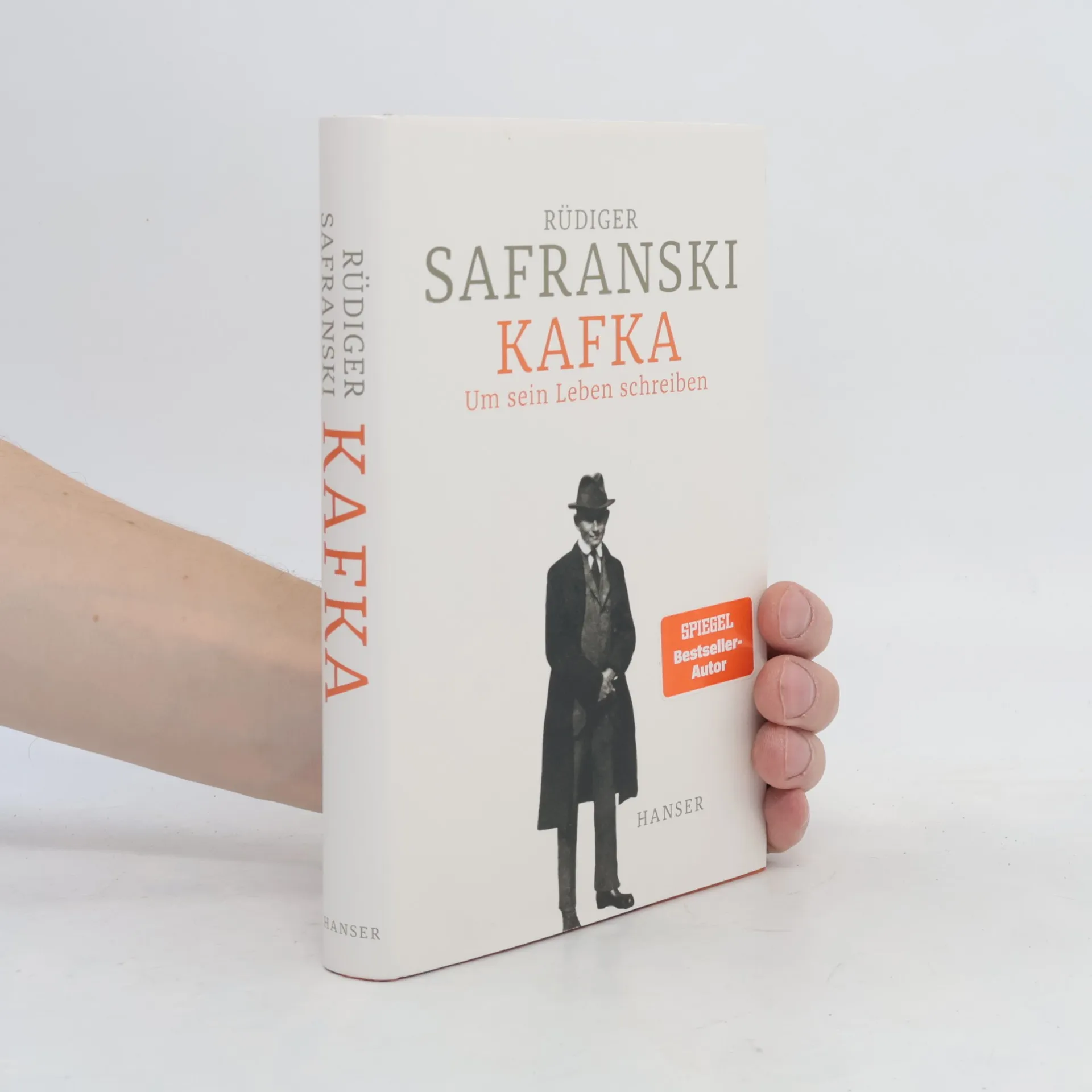
Zum 100. Todestag: Rüdiger Safranski über Franz Kafka – Jahrhundertfigur der Weltliteratur „Ich habe kein litterarisches Interesse, sondern bestehe aus Litteratur, ich bin nichts anderes und kann nichts anderes sein", schrieb Franz Kafka an seine Verlobte Felice Bauer. Das Schreiben war seine Existenz, die ihm mehr bedeutete als ein vollendetes Werk. Rüdiger Safranski beobachtet Franz Kafka beim Schreiben, um den Geheimnissen seiner Texte näher zu kommen. In dessen Briefen liest er von den Augenblicken des Glücks, die Kafka am Schreibtisch erlebt, und von Momenten, in denen ihm die Welt vollkommen fremd erscheint. Versteht man Kafkas Bücher als Zeugnisse solcher Grenzerfahrungen, entfalten ihre Geheimnisse eine ganz unmittelbare Kraft. Eine solche Lektüre führt ins Zentrum eines Werks, das zu den Höhepunkten der Weltliteratur zählt.
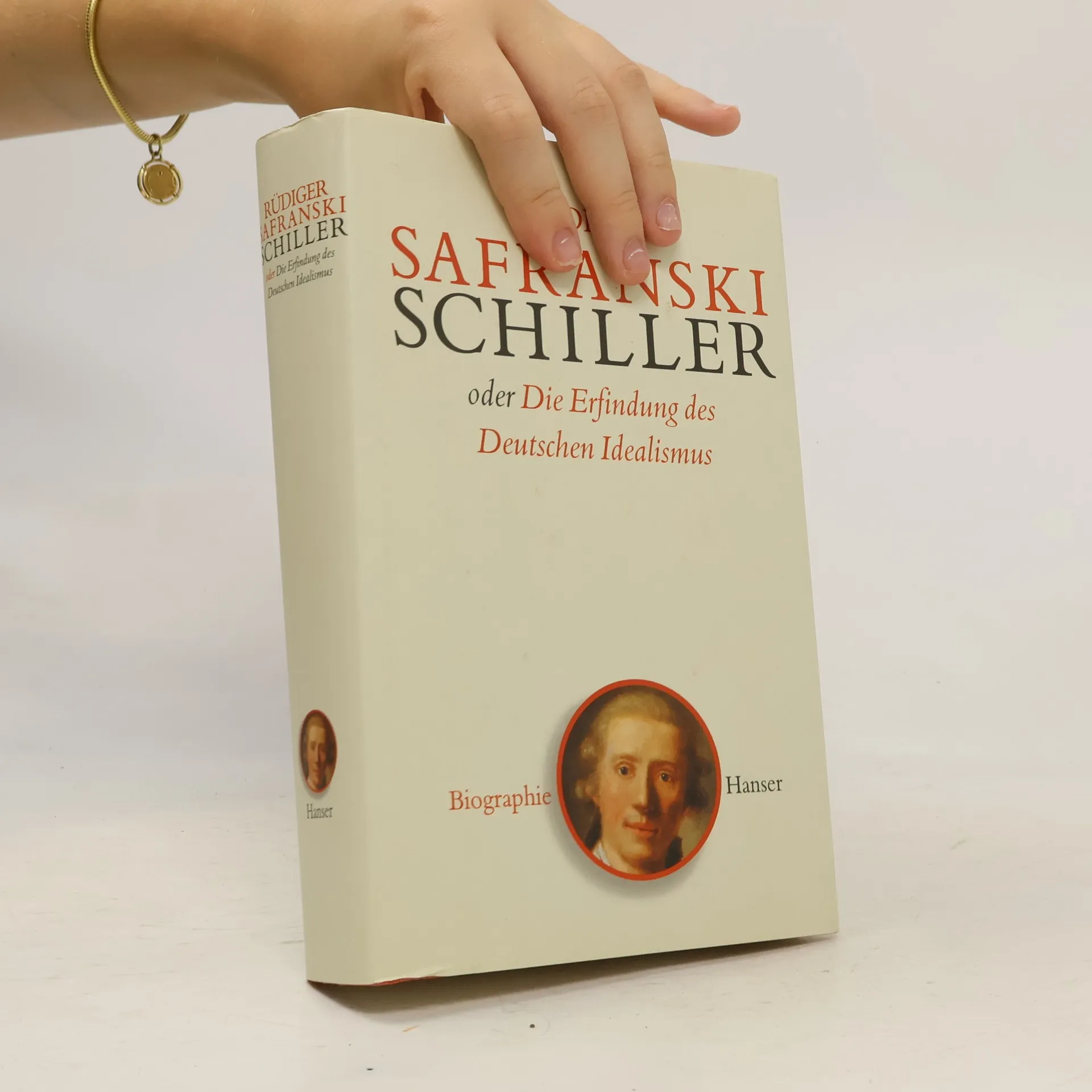
Friedrich Schiller: Jugendliches Genie, Revolutionär, Dichter. Rüdiger Safranski entstaubt in seiner großen Schiller-Biographie eine der schwungvollsten Gestalten unserer Literatur. Friedrich Schiller läutete mit seinem Enthusiasmus die Epoche der deutschen Geistesgeschichte ein, die man später den „Deutschen Idealismus“ genannt hat. Mit diesem großen Buch über Schillers Leben und Denken könnte seine Renaissance beginnen.
Wie kommen wir damit zurecht, auf uns allein gestellt zu sein? Rüdiger Safranski über den Gegensatz zwischen Individuum und Gesellschaft. Eine ganz besondere Geschichte der Philosophie Jeder Mensch ist zunächst einmal ein Einzelner. Das kann zur Belastung werden, vor der ein Leben in Gemeinschaft schützt, das kann aber auch den Ehrgeiz wecken, die eigene Individualität zu kultivieren. Zwischen beiden Polen unserer Existenz hat es immer wieder eindrucksvolle Versuche gegeben, einzeln zu sein. Davon erzählt Rüdiger Safranski in seinem neuen Buch. Er beginnt bei Michel de Montaigne und führt über Rousseau, Diderot, Kierkegaard, Stirner und Thoreau bis zur existentialistischen Philosophie des 20. Jahrhunderts. Dabei nähert er sich aus immer anderen Richtungen der Frage, wie weit wir es ertragen, Einzelne zu sein – eine Frage, die sich ganz überraschend in unser alltägliches Leben gedrängt hat.
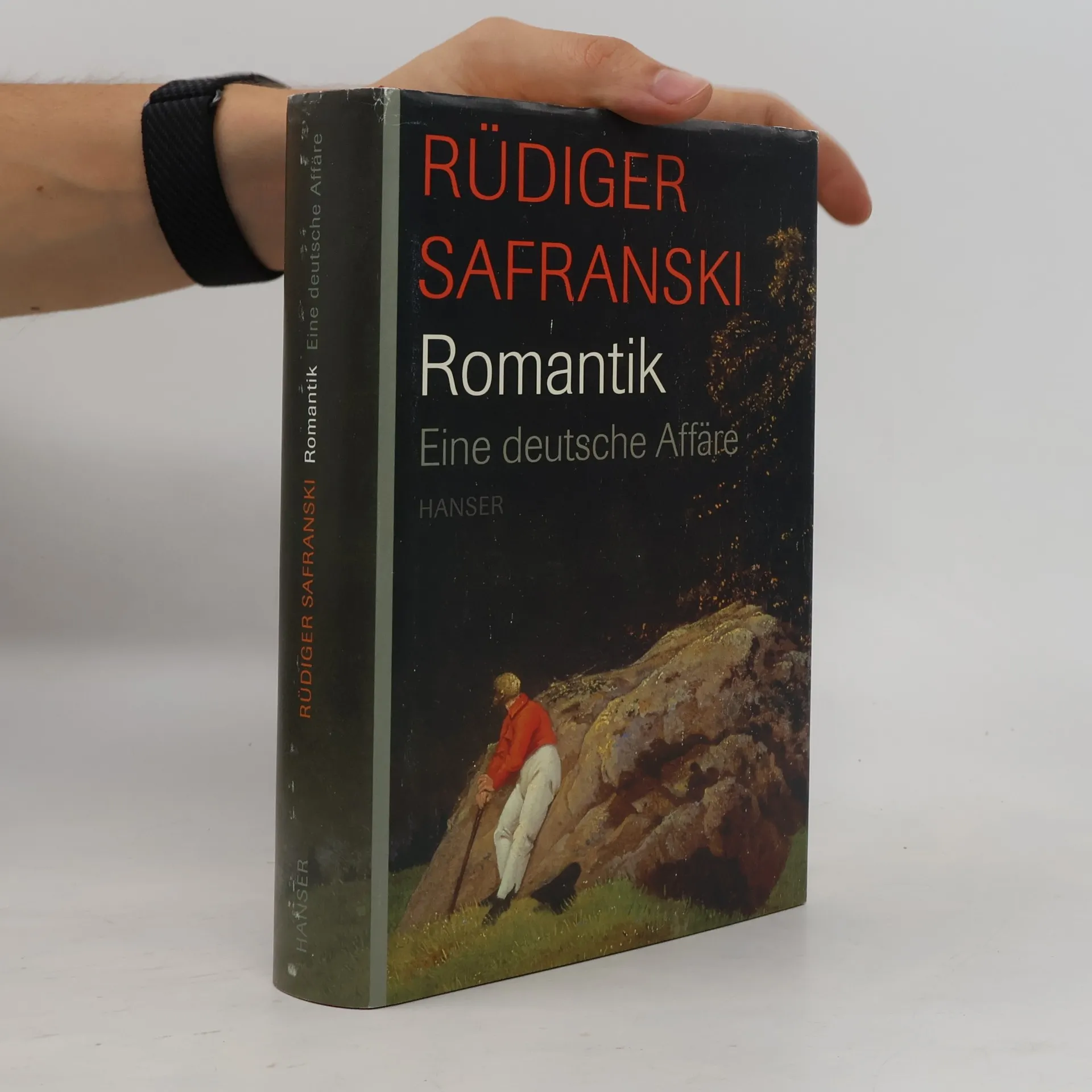
Die Romantik, neben dem Idealismus der Inbegriff des deutschen Geistes, ist in aufgeklärten Zeiten an den Rand gedrängt worden. Rüdiger Safranski holt sie für uns ins Zentrum zurück. Er beschreibt die Romantik als Epoche, ihre Zeitgenossen Tieck, Novalis, Fichte, Schelling, Schleiermacher oder Dorothea Veit, die für die Entfesselung des Genies stehen, für den Aufbruch ins Grenzenlose, für die Lust am Experiment. Und er erzählt die Geschichte des Romantischen, die bis heute fortlebt. Sie handelt von der Karriere des Imaginären und führt über Heine, Richard Wagner, Nietzsche und Thomas Mann bis in die Gegenwart - die Biographie einer Geisteshaltung.
E. T. A. Hoffmann war Beamter des preußischen Staates, Kapellmeister in Bamberg und Dresden, ehe er in Berlin zum erfolgreichen Schriftsteller und einflußreichen Juristen avancierte. Rüdiger Safranski beschränkt sich in seiner Biographie nicht auf Leben und Werk E. T. A. Hoffmanns, sondern er erzählt zugleich von der ganzen Epoche mit ihren literarischen Salons und den politischen Wirren in Preußen.
"Das Kunststück der Lebensweisheit ist, den Schlaf jeder Art zur rechten Zeit einzuschieben zu wissen." Zitieren Sie doch einfach Nietzsche, um den wohlverdienten Fünf-Minuten-Schlaf am Schreibtisch als Kreativpause zu deklarieren. Oder, wenn es um das Thema Ehe geht: "Es sollte nicht erlaubt sein, im Zustand der Verliebtheit einen Entschluss über sein Leben zu fassen..." Der Philosoph und Nietzsche-Biograph Rüdiger Safranski hat aus dem umfangreichen Werk eine höchst zitierfähige Auswahl von Aphorismen und Sentenzen zusammengestellt: hilfreich bei Jubiläen, offiziellen Anlässen oder einfach nur als Bonmot zwischendurch.
Friedrich Schiller (1759-1805) ist eine der schwungvollsten Gestalten der deutschen Literatur. Er revolutionierte die deutsche Geistesgeschichte und begeisterte mit seinen Stücken das Theaterpublikum. Rüdiger Safranski zeichnet Schillers Leben nach und beschreibt anschaulich, wie er (mit Goethe) über ein Jahrzehnt zum Zentralgestirn des deutschen Geisteslebens werden konnte.
In einem berühmten chinesischen Märchen verschwindet der Maler in seinem eigenen Bild. Das ist die Utopie der Wahrheit. Übereinstimmung mit sich und der Welt. Um dieser Utopie willen haben Rousseau, Kleist und Nietzsche abenteuerliche Wahrheitsexpeditionen unternommen: Dreimal die Wahrheit des Ich gegen den Rest der Welt; dreimal führt die Suche nach Wahrheit in die selbstgemachten Bilder und in die Bereitschaft zur Gewalt gegen eine Wirklichkeit, die sich den Bildern widersetzt. Eine andere große Wahrheitsexpedition ist die Metaphysik als der Versuch, in einer 'verkehrten' Welt eine 'wahre' Welt zu entdecken. Das beginnt eindrucksvoll bei Sokrates und Augustin und endet furchtbar im Zeitalter des Totalitären und des Fundamentalismus. Bleibt also nur die (Lebens-)Kunst, ohne die Gewißheit des richtigen Lebens, ohne verbürgte Wahrheit zu leben? Es sieht so aus. Am Beispiel Kafkas geht es in den letzten Kapiteln dieses Buches um die Kunst, in der Fremde zu bleiben. „Dies ist ein großes Buch über die Macht der selbstgemachten Bilder, in denen Denker ihre Freiheit verloren oder in denen sie sich vor der Freiheit versteckten. Es handelt von Himmel- und Höllenfahrten im Reich der Gedanken, und es beginnt so sinnlich wie ein Märchen.“ (Der Spiegel)
Was sie mit uns macht und was wir aus ihr machen
Rüdiger Safranski lässt uns in seinem Sachbuch ›Zeit: Was sie mit uns macht und was wir aus ihr machen‹ die Vielfalt der Zeiterfahrung neu entdecken. Denn mal vergeht sie wie im Flug, mal zieht sie sich zäh wie Honig, manche Tage scheinen unendlich, andere scheinen in fünf Minuten zu vergehen. Safranski beschreibt in einem Querschnitt durch verschiedene Epochen von Dichtern und Denkern das Spannungsfeld zwischen Vergehen und Beharren und ermuntert uns, in unserem schnelllebigen Alltag das wertvolle Gut Zeit zu schätzen und behutsam mit ihm umzugehen.
Das Böse hat Hochkonjunktur: Bürgerkriege, Chaos, Gewalt und ängstigende Leere sind Phänomene unserer Zeit. Woher kommt diese Resistenz? Safranski beschreibt das Böse als eine Möglichkeit der menschlichen Freiheit. Er geht dabei zu den Ursprüngen unserer Zivilisation zurück, zu den Mythen, und begleitet von dort aus die unheimliche Karriere des Bösen bis in unsere Zeit. Das Buch lädt ein zu einer aufschlußreichen Reise in die Finsternis.
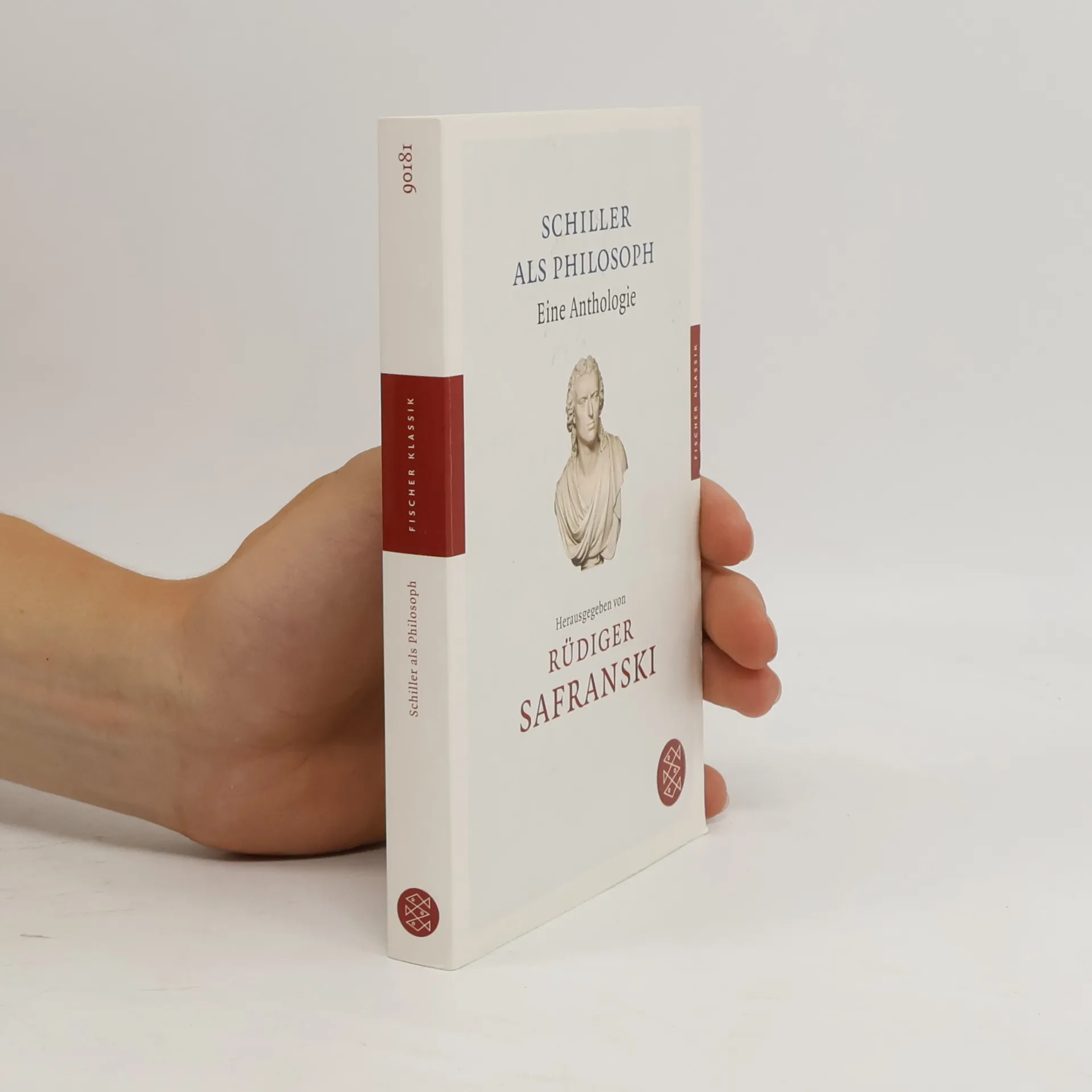
Eine Anthologie
Dieses von Rüdiger Safranski herausgegebene Lesebuch gibt einen Überblick über das gesamte theoretische Werk Friedrich Schillers. Von den großen ästhetischen Abhandlungen über Naturkundliches und Reflexionen über die Liebe bis hin zu den berühmten Texten zur Geschichtsschreibung enthält der Band die wichtigsten und schönsten Texte des Philosophen Schiller. Vorangestellt ist dem Lesebuch eine Einleitung, in der Rüdiger Safranski die zentralen Thesen seiner hoch gelobten Schiller-Biographie zusammenfasst.
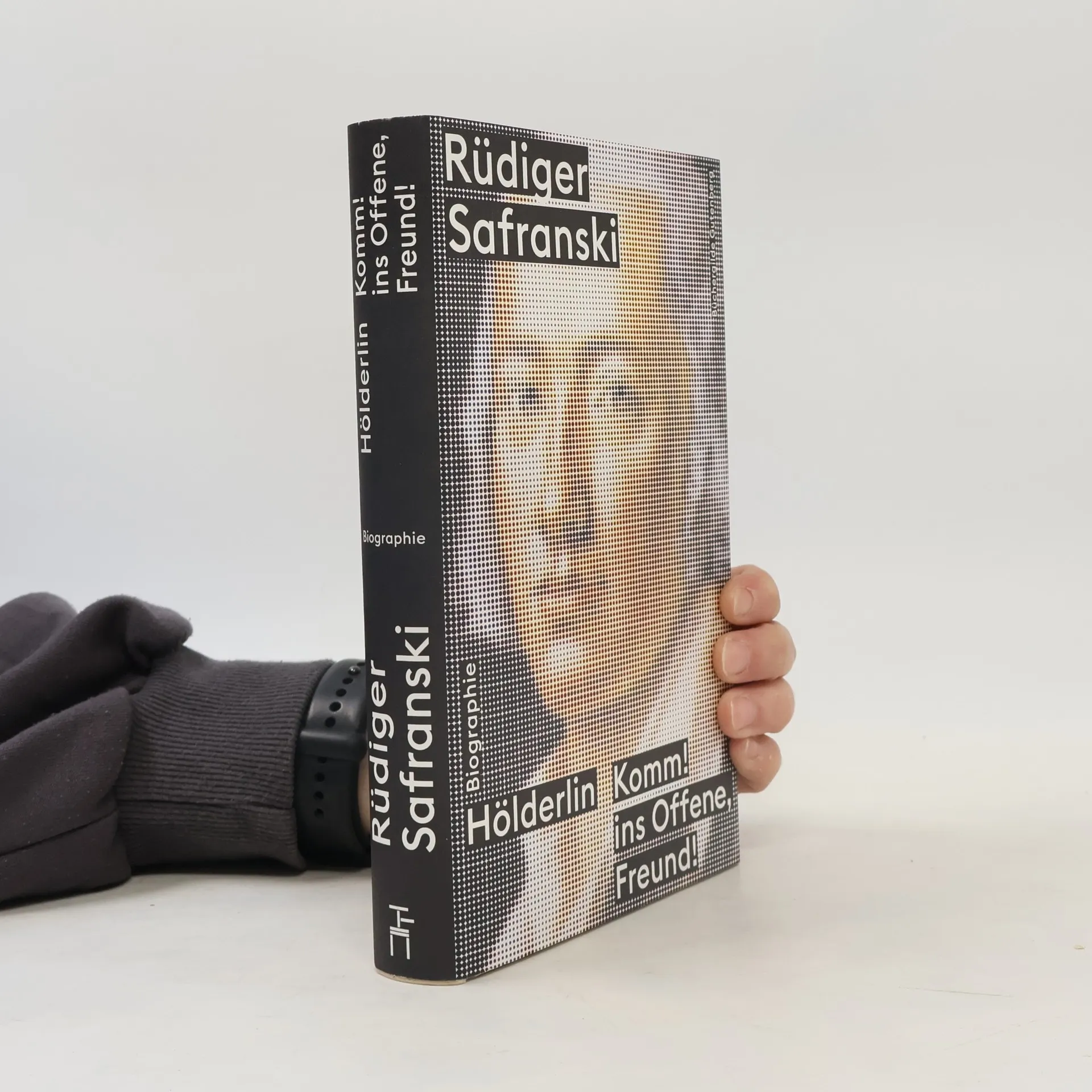
Zum 250. Geburtstag Friedrich Hölderlins: Rüdiger Safranskis Biographie über den großen unbekannten Dichter Dies ist die Geschichte eines Einzelgängers, der keinen Halt im Leben fand, obwohl er hingebungsvoll liebte und geliebt wurde: Friedrich Hölderlin. Als Dichter, Übersetzer, Philosoph, Hauslehrer und Revolutionär lebte er in zerreißenden Spannungen, unter denen er schließlich zusammenbrach. Erst das 20. Jahrhundert entdeckte seine tatsächliche Bedeutung, manche verklärten ihn sogar zu einem Mythos. Doch immer noch ist Friedrich Hölderlin der große Unbekannte unter den Klassikern der deutschen Literatur. Der 250. Geburtstag im März 2020 ist eine gute Gelegenheit, sich ihm und seinem Geheimnis zu nähern. Rüdiger Safranskis Biografie gelingt das auf bewundernswerte Weise.
Rüdiger Safranski legt mit seinem großen Buch über Martin Heidegger die Biographie über den wirkungsmächtigsten (und umstrittensten) Philosophen des 20. Jahrhunderts vor. Es ist darüber hinaus auch die Biographie der Epoche, selbst ein Stück Philosophie über den Zusammenhang von Denken und Leben und der Ausdruck eines souveränen Verhältnisses zum philosophischen Erbe Heideggers. Und: endlich kann man Heidegger nicht nur lesen, sondern auch verstehen!
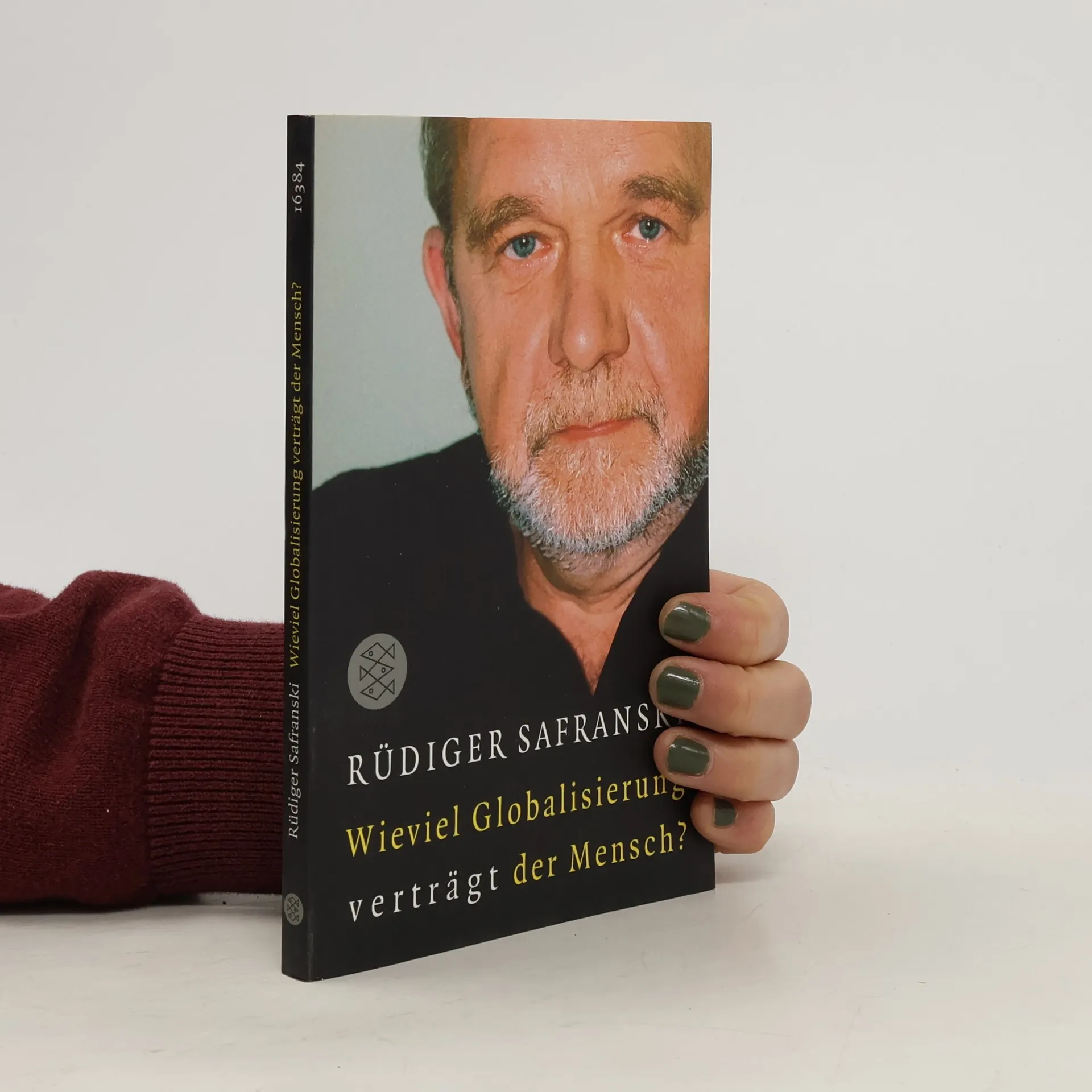
Das Denken selbst gerät in eine Globalisierungsfalle: Wie beherrscht man das Globale, fragen die einen, und wie rettet man es, fragen die anderen. Rüdiger Safranski hilft mit diesem Buch, sich zurechtzufinden. Er ermutigt, Freiräume für Gleichgewicht und Handlungsfähigkeit zu schaffen, denn Globalisierung lässt sich nur gestalten, wenn darüber nicht die andere große Aufgabe versäumt wird: das Individuum, sich selbst zu gestalten.
Geschichte einer Freundschaft
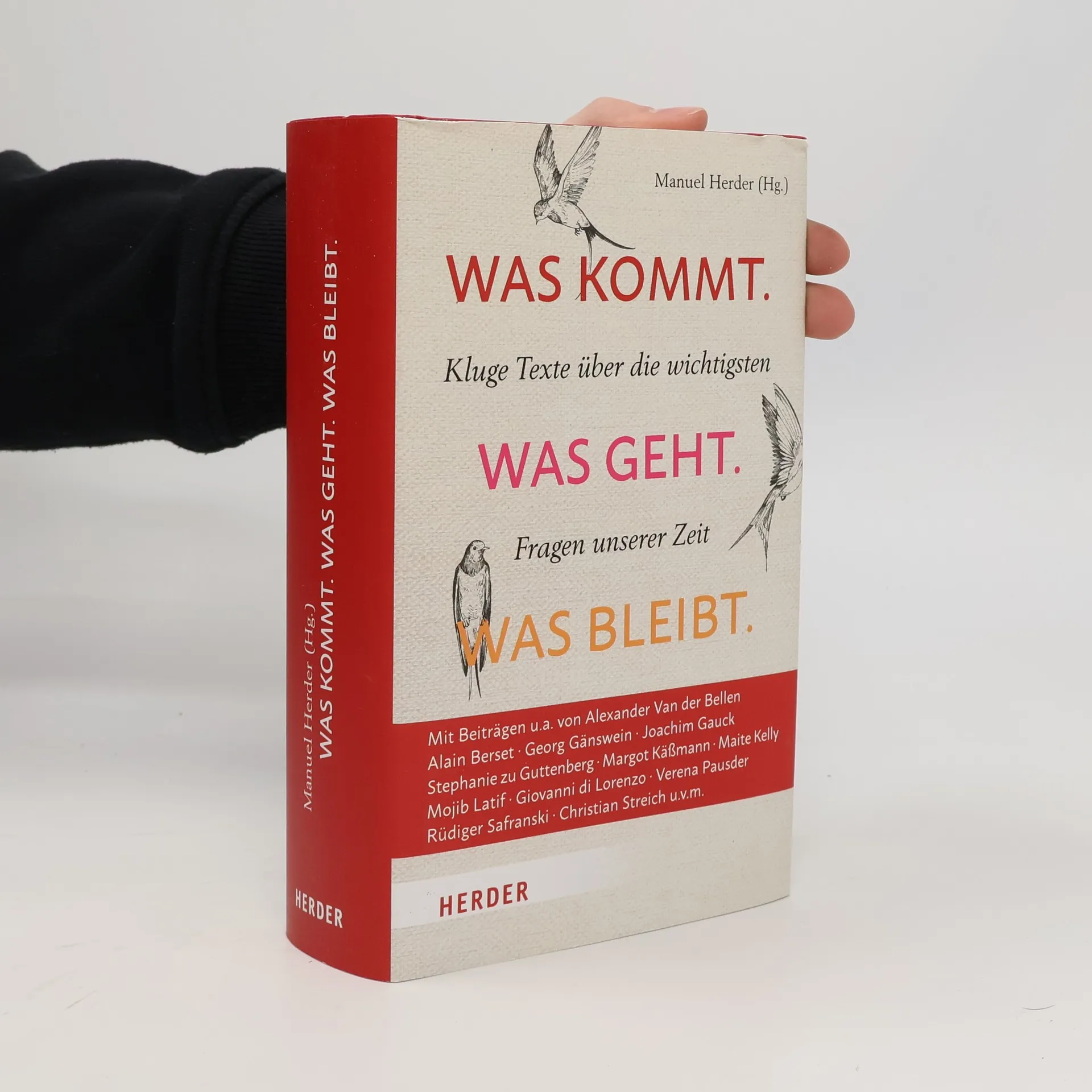
Kluge Texte über die wichtigsten Fragen unserer Zeit
Vor 225 Jahren veröffentlichte Bartholomä Herder, der Ur-Ur-Ur-Großvater des heutigen Verlegers Manuel Herder, das erste Herder-Buch. Zu diesem Jubiläum erscheint ein Band, in dem prominente Autorinnen und Autoren zentrale Themen unserer Zeit erörtern. Diese Sammlung bildet eine geistige Landkarte unserer Gegenwart mit einem Blick in die Zukunft. Die Themen werden von verschiedenen Stimmen behandelt: Franz Alt spricht über Frieden, Jean Asselborn über Demokratie, Alexander Van der Bellen über Künstliche Intelligenz, und Sophie von Bechtolsheim thematisiert Versöhnung. Weitere Beiträge kommen von Alain Berset (Jubiläum), Katharina Domschke (Angst), Sky du Mont (Älterwerden) und Sineb El Masrar (Verschwörungstheorien). Auch Julia Enxing (Tiere), Nikola Eterović (Krieg), Abigail Favale (Zwiespalt) und Lars P. Feld (Arbeit) sind vertreten. Papst Franziskus reflektiert über Dank, während Sigmar Gabriel die Zeitwende anspricht. Weitere Themen umfassen Toleranz, Einsamkeit, Hoffnung und Digitalisierung, behandelt von Joachim Gauck, Anselm Grün und Cherno Jobatey. Die Autorinnen und Autoren bieten Perspektiven zu Bildung, Transformation, Sicherheit, und vielem mehr. Diese vielfältigen Stimmen laden dazu ein, über die Herausforderungen und Chancen unserer Zeit nachzudenken.
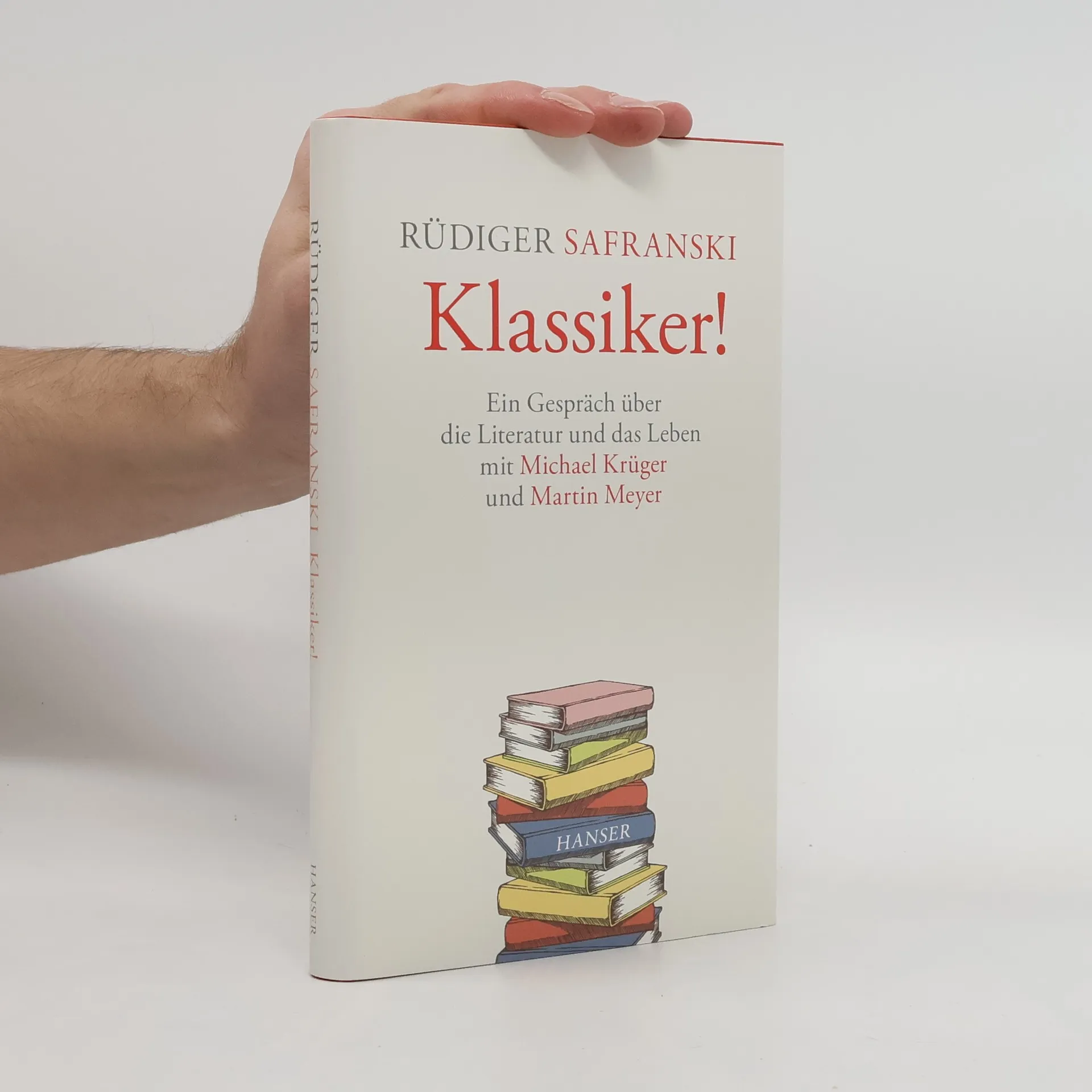
Welche Rolle spielen die Klassiker heute? Rüdiger Safranski im Gespräch mit Michael Krüger und Martin Meyer Goethe und Schiller, Hölderlin und Nietzsche: Wie steht es um die Klassiker? Wie bewähren sie sich in einer Zeit, die einstige Gewissheiten unserer Kultur radikal in Frage stellt? Welche Rolle spielen sie noch auf dem Theater, für die private Lektüre? Fragen, die man am besten Rüdiger Safranski stellt. Seit seiner E. T. A.-Hoffmann-Biographie von 1984 ist es auch sein Verdienst, dass sich eine große Öffentlichkeit mit Leben und Werk literarischer und philosophischer Klassiker auseinandersetzt. Nun hat er sich mit seinem langjährigen Verleger Michael Krüger und dem Publizisten Martin Meyer zu einem Gespräch getroffen, das auch um die Frage kreist, welche Rolle die Klassiker in unserem Leben spielen.
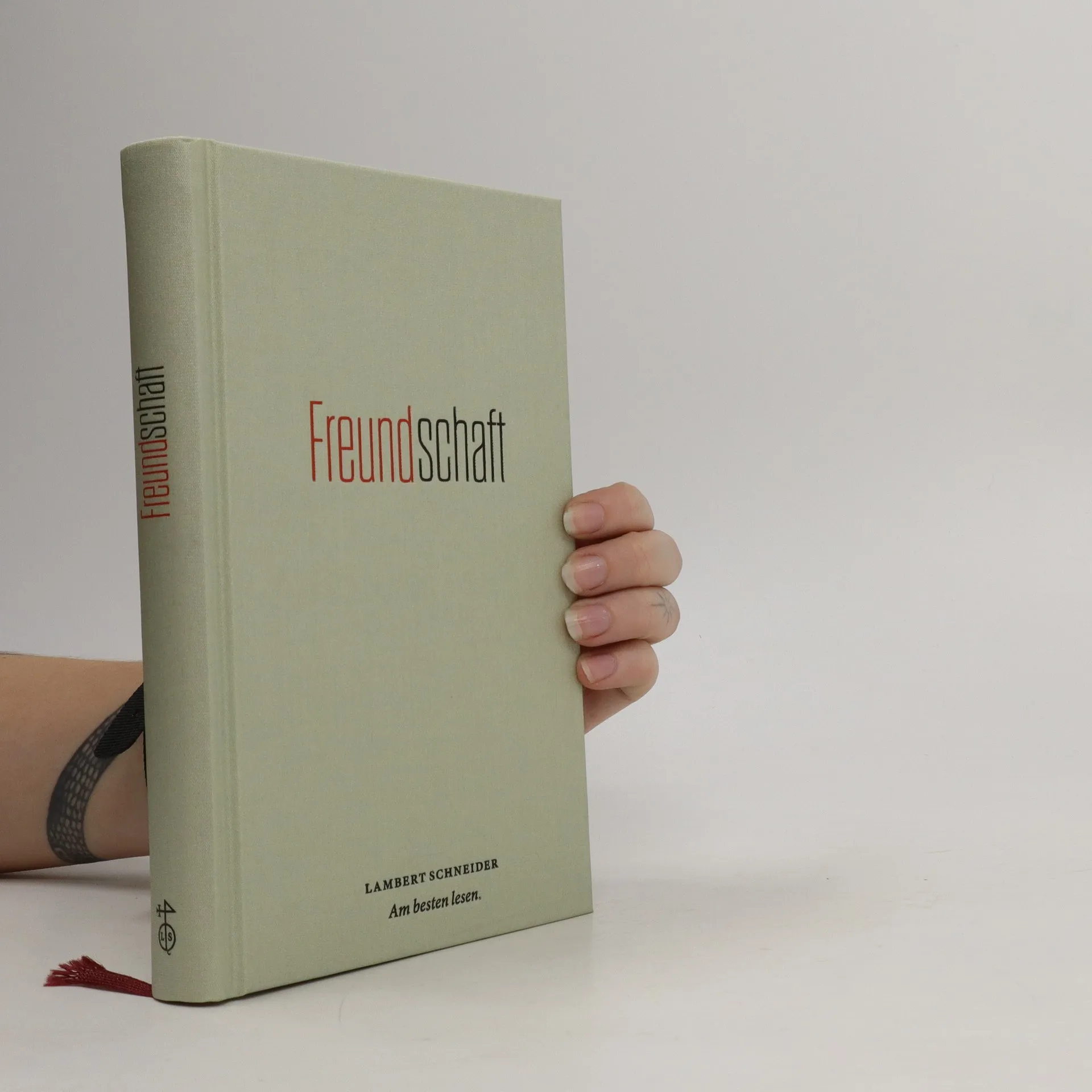
Freundschaften bereichern unser Leben und machen uns glücklicher. Und gerade in Zeiten, in denen sich traditionelle Bindungen auflösen, werden Freunde zunehmend wichtiger. Freundschaft hat viele Formen. Es gibt Freunde fürs Leben, die von klein auf zusammenhalten, und es gibt Freunde, die wie eine Familie zusammenleben. Es gibt Freundschaften, die Grenzen überwinden, Kontinente überspannen oder Generationen verbinden, und es gibt andere, die nur in den sozialen Netzwerken des Internets bestehen. Für den vorliegenden Band hat Richard Riess mehr als fünfzig namhafte Autoren aus allen Bereichen von Gesellschaft, Politik, Wissenschaft und Kultur versammelt, die ihre persönliche Sicht auf die Freundschaft darlegen. Zu den Autoren gehören u. a. Dietrich Grönemeyer, Henry Kissinger, Jens Jessen, Rüdiger Safranski, Uwe Timm und Eva Zeller. Sie alle zeigen, wie wichtig die Freundschaft für uns ist und machen das Buch zu einem einzigartigen Leseerlebnis.
Cees Nooteboom behoort tot de belangrijkste hedendaagse Nederlandse schrijvers. Hij creëerde een groot en rijk oeuvre dat diep geworteld ligt in de Europese geschiedenis. In het oog van de storm bevat essays van een aantal vooraanstaande schrijvers en intellectuelen die hun persoonlijke visie op het werk van Cees Nooteboom geven.De Amerikaanse graecist Glenn W. Most schrijft over Het volgende verhaal, de Hongaarse filosoof en essayist László Földényi gaat in op het oeuvre van de reisschrijver. Jacques Beaudry behandelt De ridder is gestorven, Rob Schouten leest en analyseert Nootebooms poëzie. Rüdiger Safranski beschouwt Cees Nooteboom als filosoof en Arjan Peters maakt een studie van de romans Philip en de anderen en Allerzielen. Philip Mechanicus schreef zijn eigen versie van de avontuurlijke reis als lifter die hij beginjaren vijftig met de schrijver maakte. Door deze en vele andere bijdragen geeft In het oog van de storm een caleidoscopisch beeld van de veelzijdigheid van het oeuvre van Cees Nooteboom. Het toont Nootebooms unieke plaats in de Nederlandse en Europese literatuur.
Tiefsinnige philosophische Thesen und Konzepte sind nicht immer leicht verständlich. Erörtert man sie jedoch im zwischenmenschlichen Austausch, im Wechselspiel von Frage und Antwort, werden sie plötzlich allgemein verständlich und greifbar. Dieser Band enthält philosophische Interviews mit bekannten Philosophen und anderen populären Personen. In den Gesprächen beschäftigen sich die Interviewten mit philosophischen sowie mit politischen und gesellschaftlichen Fragestellungen. Durch die Themenvielfalt sind sie für Jedermann interessant. Geistreich und kurzweilig, wird Philosophie in der Dialogform lebendig und unterhaltsam. Die Interviews, die in einem Zeitrahmen von über 10 Jahren geführt wurden, sind bedeutende Zeitzeugnisse philosophischen Denkens. Gespräche u. a. mit: Peter Sloterdijk, Rüdiger Safranski, Helmut Schmidt, Joachim Gauk, Eugen Drewerman, Reinhold Messner, Maxim Biller, Jan Philipp Reemtsma, Vincent Klink
Essays zu Politik, Philosophie und Gesellschaft. Mit einem Nachwort von Rüdiger Safranski