

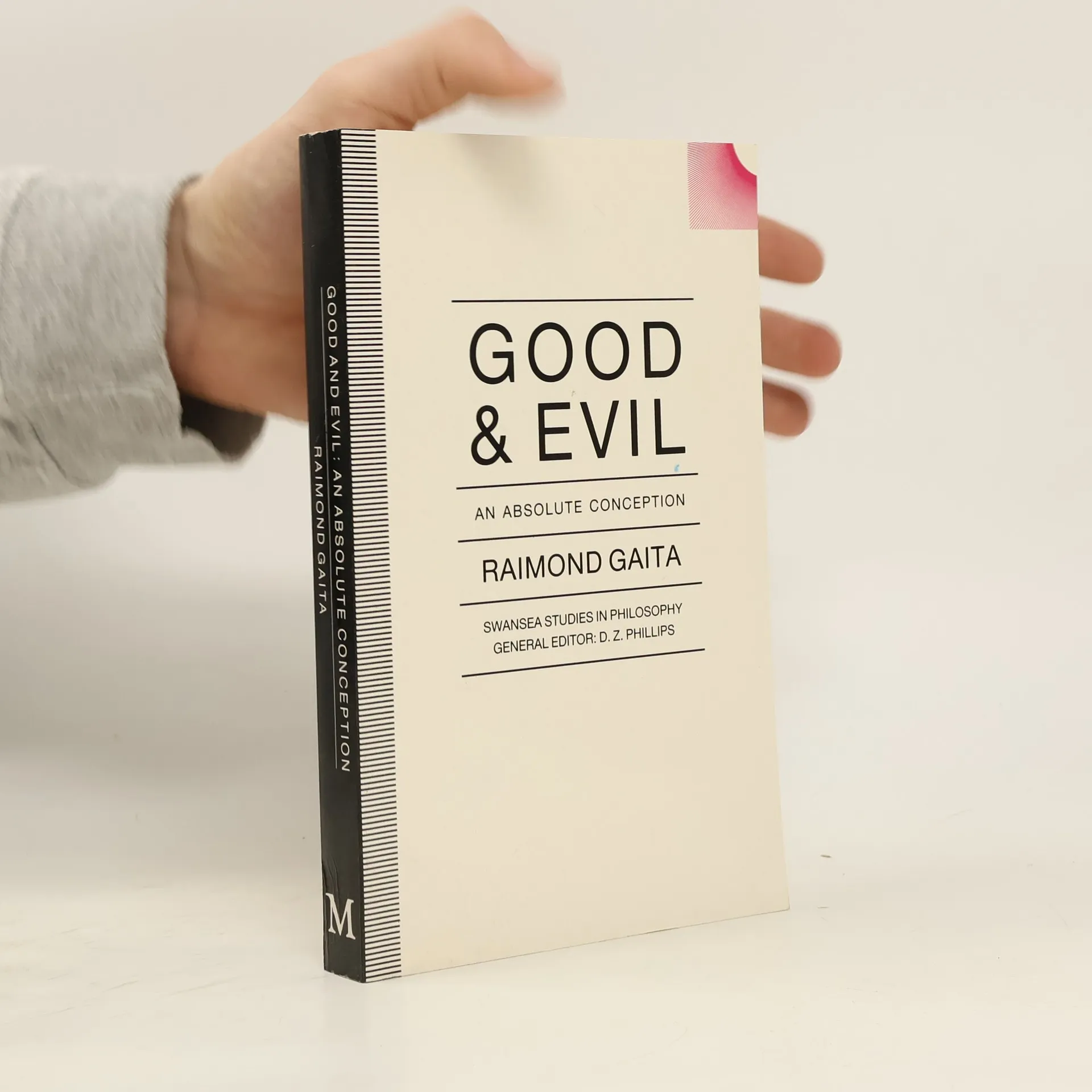
Raimond Gaita's Good and Evil is one of the most important, original and provocative books on the nature of morality to have been published in recent years. It is essential reading for anyone interested in what it means to talk about good and evil. Gaita argues that questions about morality are inseparable from the preciousness of each human being, an issue we can only address if we place the idea of remorse at the centre of moral life. Drawing on an astonishing range of thinkers and writers, including Plato, Wittgenstein, George Orwell and Primo Levi, Gaita also reflects on the place of reason and truth in morality and ultimately how questions about good and evil are connected to the meaning of our lives. This revised edition of Good and Evil includes a substantial new preface and afterword by the author.
Raimond Gaita Libros
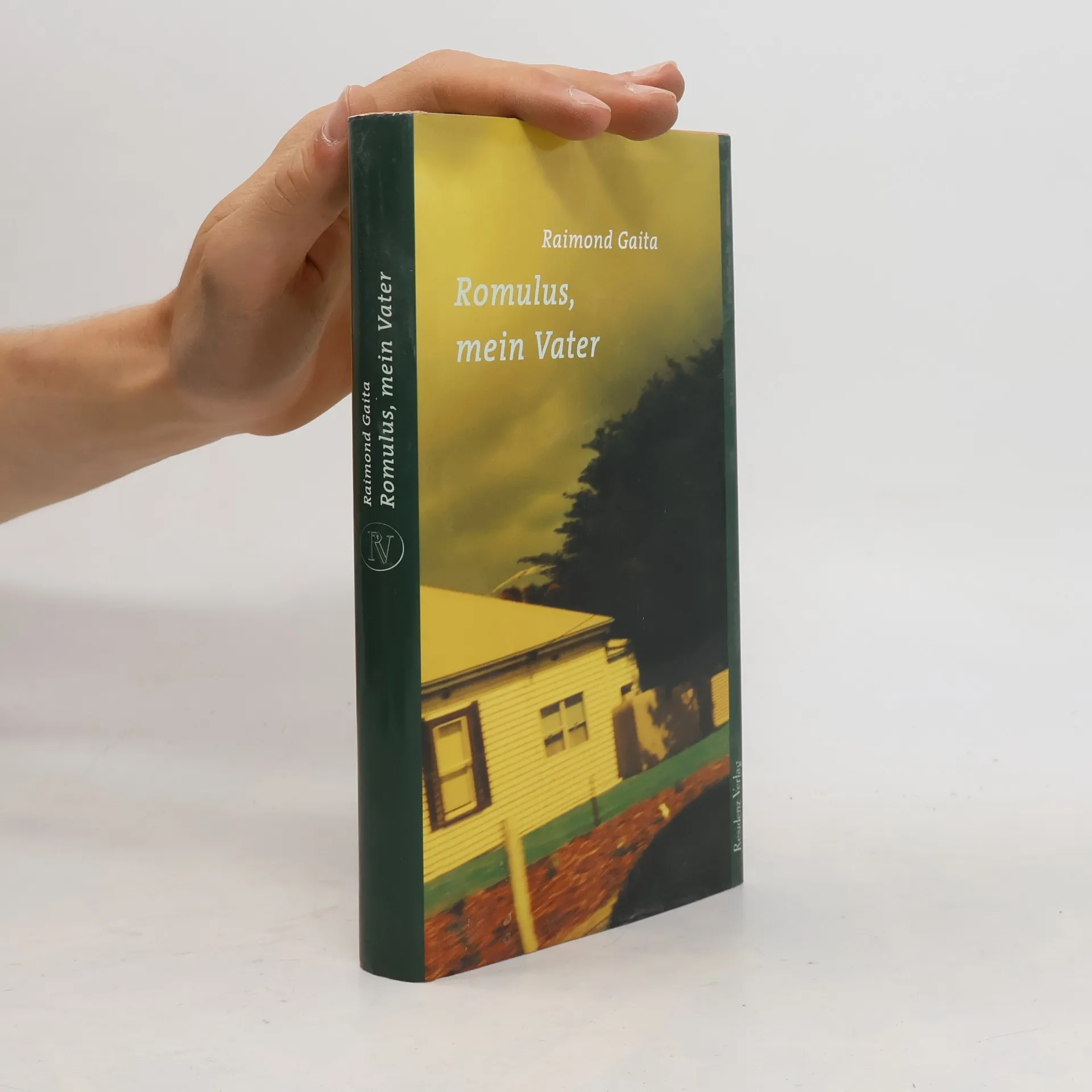

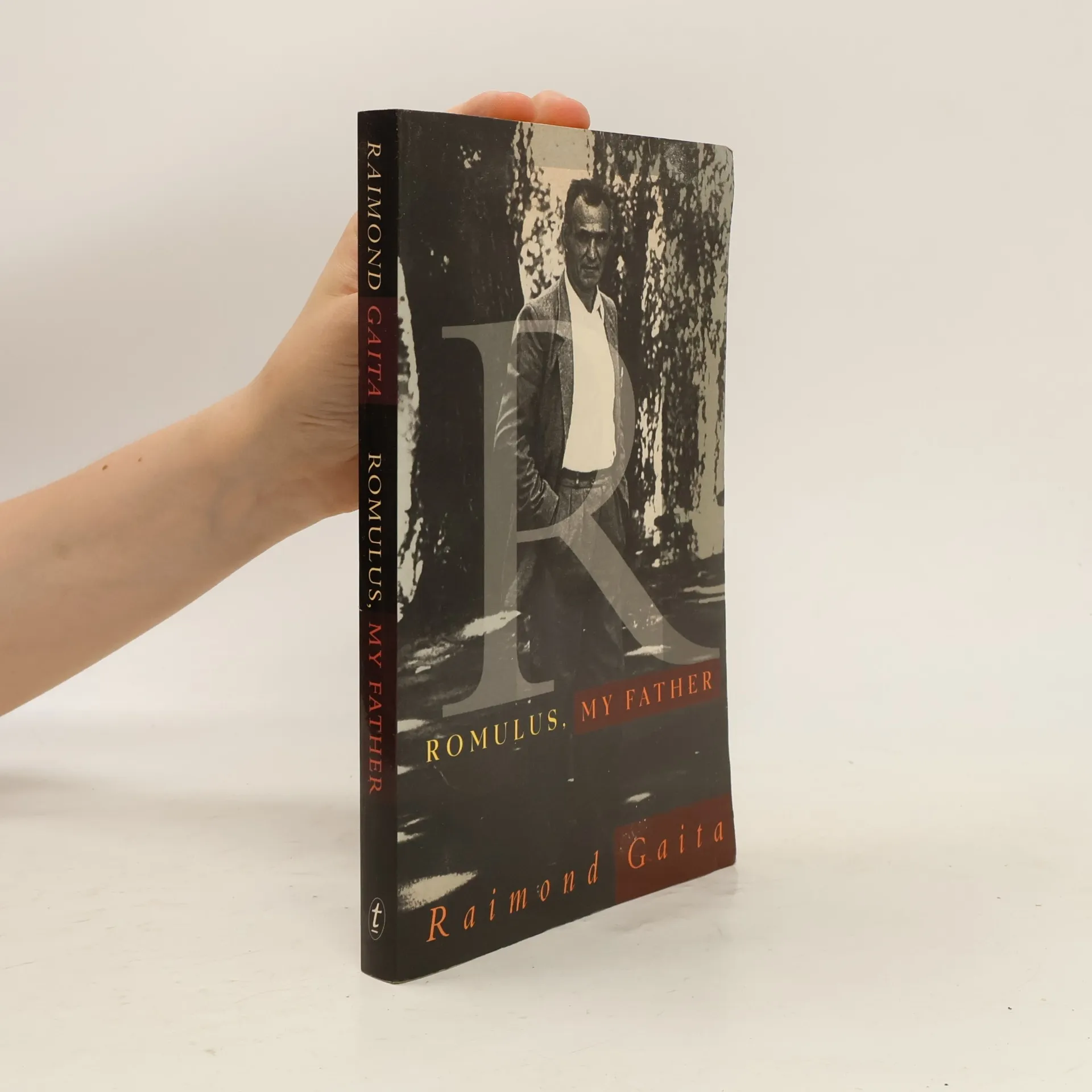
Romulus, My Father
- 207 páginas
- 8 horas de lectura
Romulus Gaita fled his home in his native Yugoslavia at the age of thirteen, and came to Australia with his young wife Christina and their infant son Raimond soon after the end of World War II. Tragic events were to overtake the boy’s life, but Raimond Gaita has an extraordinary story to tell about growing up with his father amid the stony paddocks and flowing grasses of country Australia. Written simply and movingly, Romulus, My Father is about how a compassionate and honest man taught his son the meaning of living a decent life. It is about passion, betrayal and madness, about friendship and the joy and dignity of work, about character and fate, affliction and spirituality.
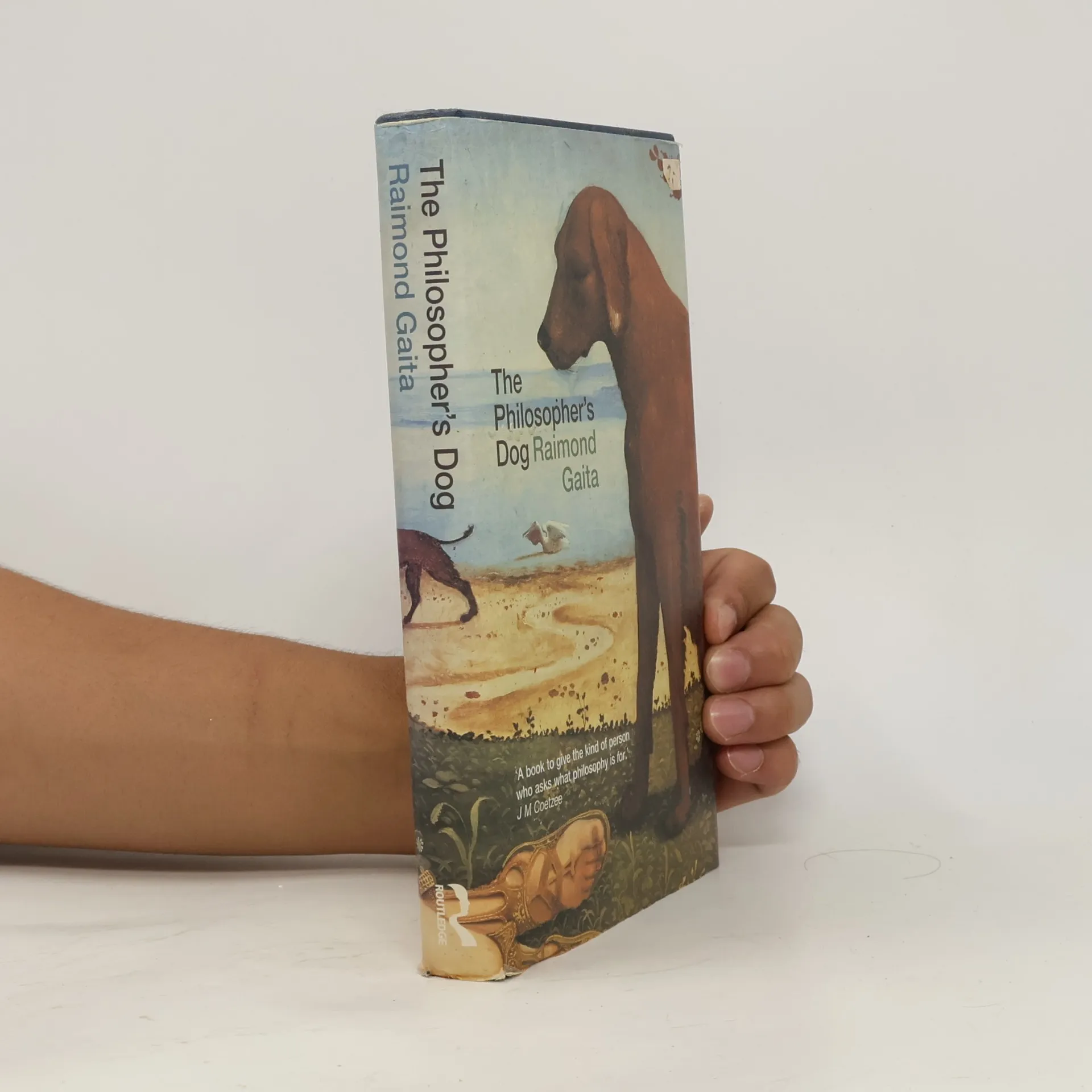
The Philosopher's Dog
- 224 páginas
- 8 horas de lectura
In this lyrical and beautifully written book, Raimond Gaita tells inspirational, poignant, sometimes funny but never sentimental stories of the dogs, cats and cockatoos that lived and died within his own family. The Philosopher's Dog is above all a book about our creatureliness and its place in the understanding of our humanity.
Raimond Gaita, Autor und Dozent, beleuchtet in seinen Erzählungen die komplexe Beziehung zwischen Menschen und Tieren. Seit Darwin wissen wir, dass wir eng mit dem Tierreich verbunden sind. Die meisten Menschen leben mit domestizierten Tieren zusammen und haben unterschiedlichste Begegnungen mit ihnen. Gaita stellt Fragen wie: Was passiert, wenn wir ein Tier in unsere Welt aufnehmen? Warum berührt uns der Tod eines Rehs mehr als der einer Fliege? Und was versteht ein Hund, der ein weinendes Kind tröstet? Er erzählt von seinen eigenen Erfahrungen mit Tieren, darunter sein erster Hund Orloff und der Kakadu Jack. Diese Geschichten sind geprägt von Vertrautheit und Fremdartigkeit, Liebe und Leid, und sie berühren den Leser, ohne sentimental zu sein. Gaita nutzt nachvollziehbare Erlebnisse als Ausgangspunkt für tiefere philosophische Überlegungen und formuliert komplexe Gedanken auf verständliche Weise. Inspiriert von Ludwig Wittgenstein fragt er, ob wir unsere menschlichen Mitgeschöpfe wirklich besser verstehen als Tiere. Sein Fazit ist, dass das bescheidene Anerkennen unserer Bedürfnisse als Kreaturen der beste Schutz vor Überheblichkeit gegenüber Menschen und Tieren ist.
Sdílené lidství : přemýšlení o lásce, pravdě a spravedlnosti
- 248 páginas
- 9 horas de lectura