

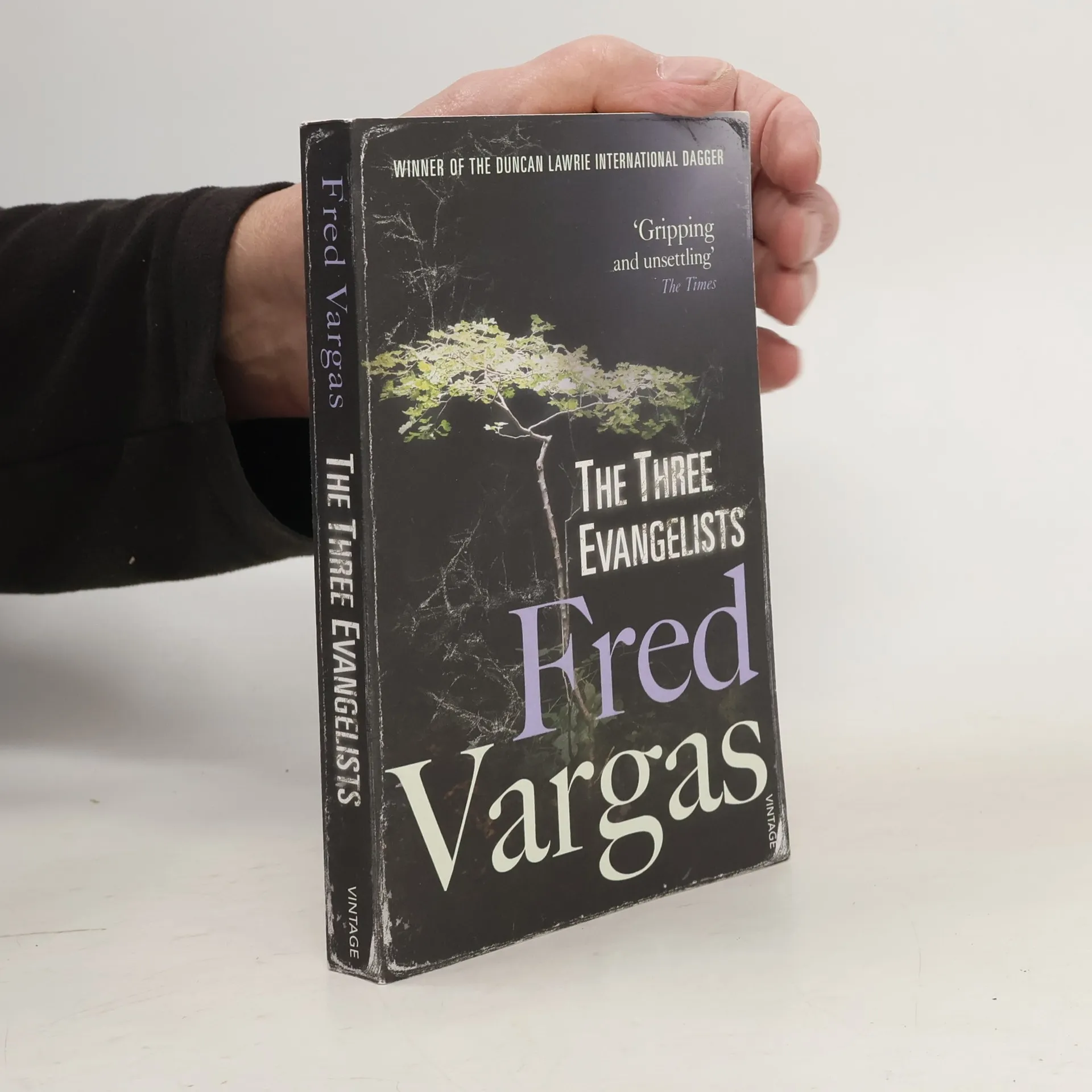
The opera singer Sophia Siméonidis wakes up one morning to discover that a tree has appeared overnight in the garden of her Paris house. Intrigued and unnerved, she turns to her neighbours: Vandoosler, an ex-cop, and three impecunious historians, Mathias, Marc and Lucien - the three evangelists. They agree to dig around the tree and see if something has been buried there. They find nothing but soil.A few weeks later, Sophia disappears and her body is found burned to ashes in a car. Who killed the opera singer? Her husband, her ex-lover, her best friend, her niece? They all seem to have a motive.Vandoosler and the three evangelists set out to find the truth.
Laurence Sudret Libros

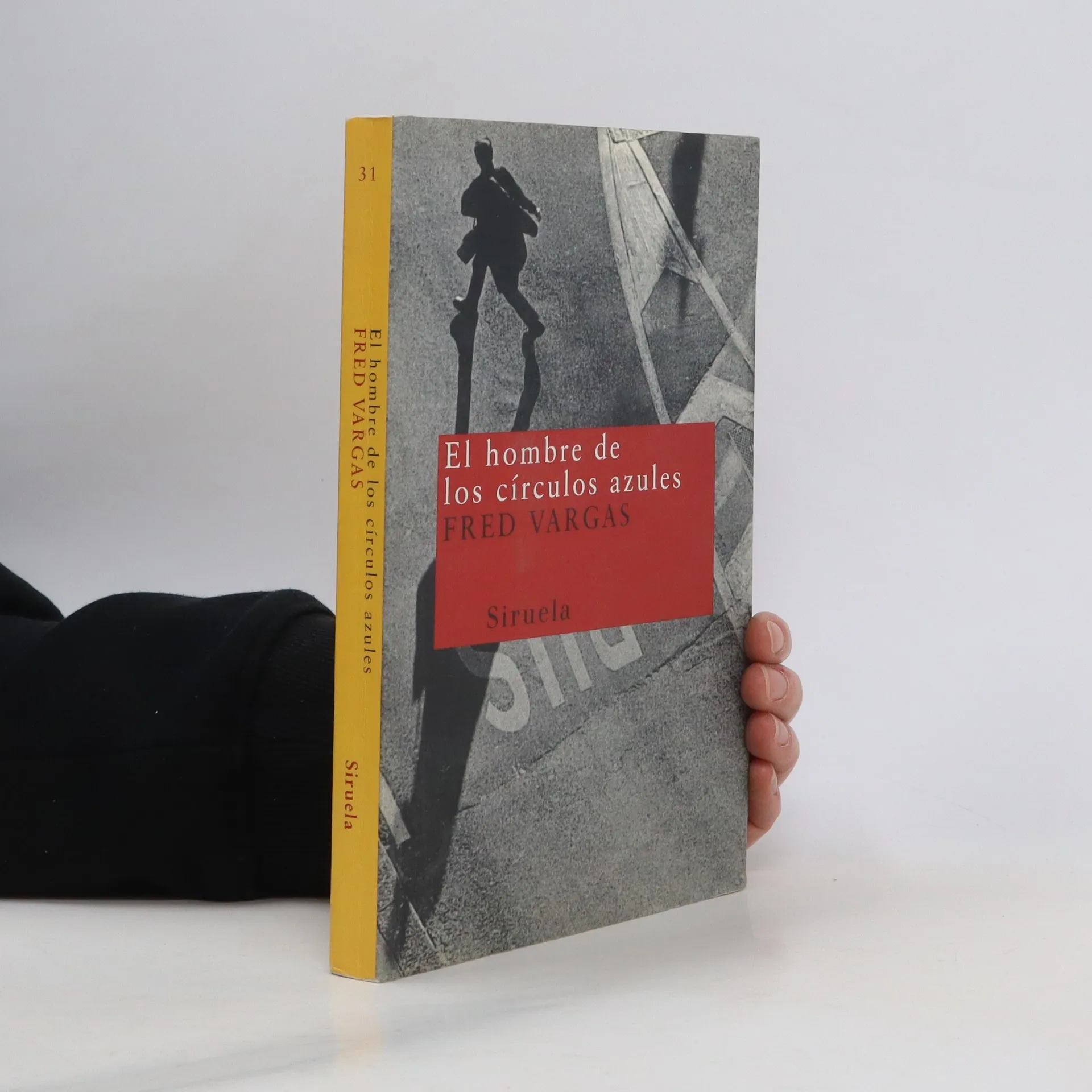
«La obra de Vargas es un cocktail de tensión, talento y humor diabólico.» Elle «No habrá lector que no se rinda a sus hechizos, que no se ría, que no se emocione, que no se asombre con cuantos dichos y hechos pasan en Huye rápido, vete lejos, esta deliciosa e inteligente historia de Fred Vargas.» Lola Beccaria, Abc Cultural «Victor, mala suerte, ¿qué haces fuera?» A los parisinos les divierte. Desde hace cuatro meses esta frase acompaña los círculos azules que surgen durante la noche trazados con tiza en las aceras de la ciudad, y en el centro de los círculos, prisioneros, un desecho, un residuo, un objeto perdido: un trombón, una bombilla, una pinza de depilar, un yogur, una pata de paloma... El fenómeno hace las delicias de los periodistas y de algunos psiquiatras que elaboran diferentes teorías. Sin embargo, al comisario Adamsberg no le hace ninguna gracia. Los círculos y su heteróclito contenido «rezuman» crueldad. Él lo sabe, lo siente: pronto ese hecho anodino y estrafalario se convertirá en una tragedia.
E. T. A. Hoffmanns Erzählung von 1819 vereinigt alle spannenden Elemente einer Detektivgeschichte: Am Beginn steht ein Mord, da ist ein Verdächtiger, der seine Unschuld beteuert, und dem alten Fräulein von Scuderi, einer Dichterin, ist es vorbehalten, durch Weisheit und untrügliche Sicherheit des Gefühls den düsteren Fall aufzuklären.
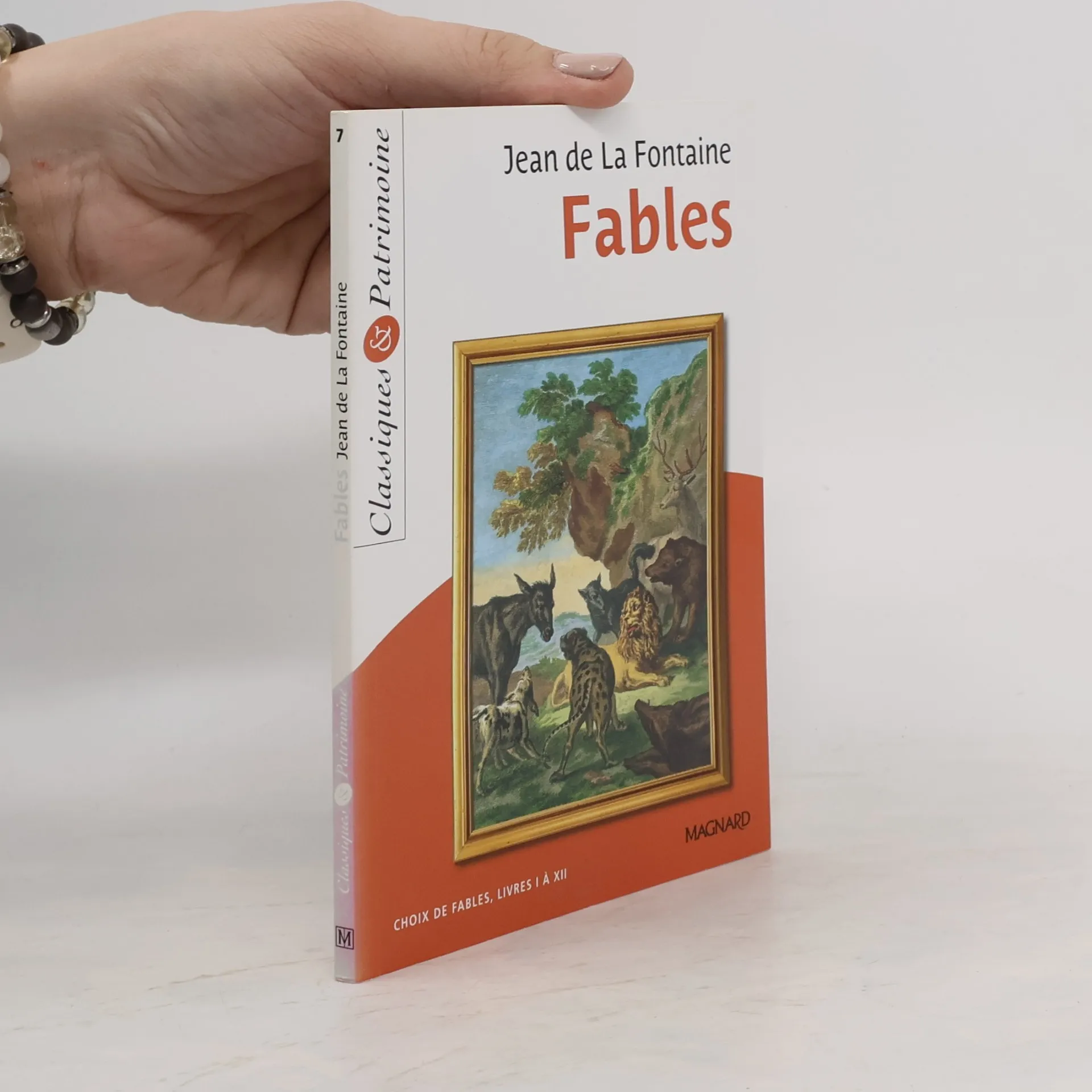
Classiques & Patrimoine - 7: Fables, choix de fables, livres I à XII
- 127 páginas
- 5 horas de lectura
Fables de La Fontaine :Un choix de 43 fables des Livres I à XII, des incontournables aux moins connues, qui analysent subtilement la nature humaine et ont toutes la double fonction de divertir le lecteur et d’illustrer une morale.Notions littéraires : les caractéristiques de la fable, la dénonciation, les procédés rhétoriques, la versificationHistoire des arts : les salons et la littérature, aux origines des fables, les Muses.Œuvre d’art du rabat : Jean-Baptiste OudryAvec en plus, dans cette édition :le texte intégral et des notes de bas de pageune présentation de La Fontaine et de son époquedes séances thématiques avec des questionnaires progressifsdes rubriques Patrimoine et Histoire des arts, pour enrichir la culture des élèvesun grand nombre de documents iconographiques exploitésdes questions de grammaire, d’orthographe et de vocabulairedes encadrés Méthodeun lexique adapté à l’œuvre