William Theodore de Bary fue una autoridad líder en estudios de Asia Oriental, fundamental para cartografiar y hacer accesible un vasto corpus de literatura, historia y cultura de Asia Oriental. Su trabajo editorial con fuentes primarias, particularmente de las tradiciones china y japonesa, moldeó profundamente la comprensión académica de la región. De Bary defendió la universalidad de los valores asiáticos y es reconocido como el fundador de los estudios neoconfucianos. A través de sus contribuciones académicas, enriqueció el discurso global sobre las civilizaciones y su interconexión.
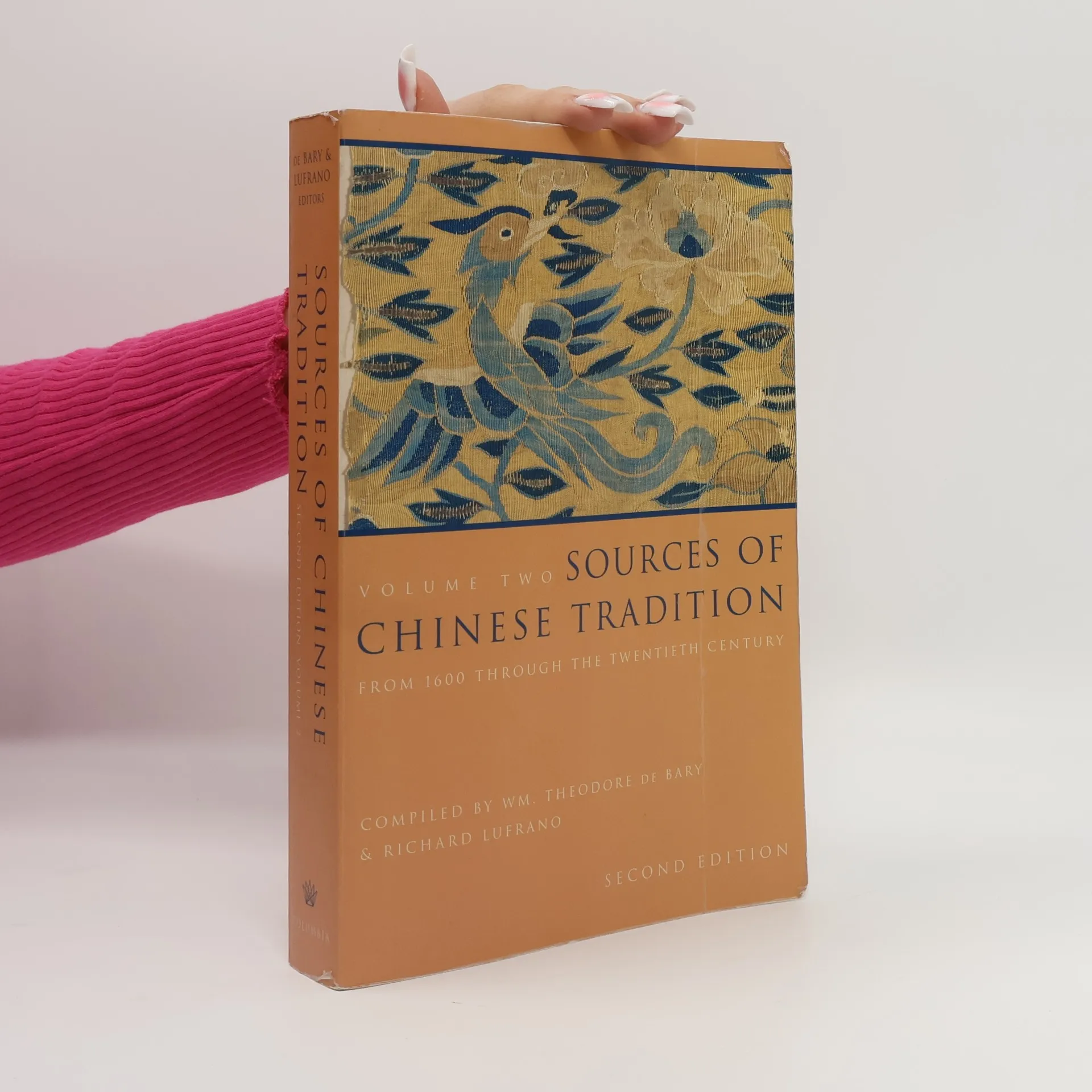
A collection of primary readings on the social, intellectual, and religious traditions of China, this text provides a resource for scholars and students and an introduction for general readers.
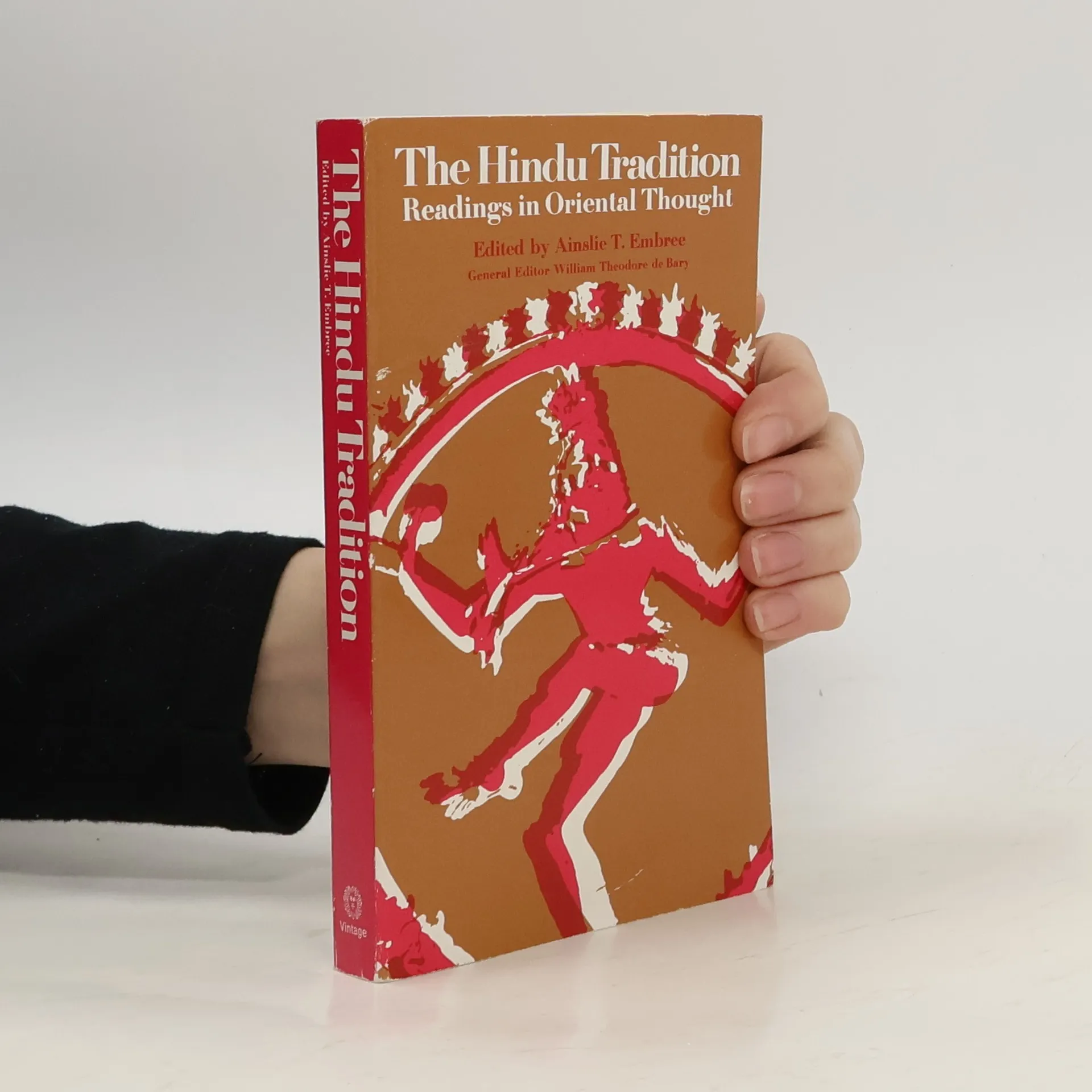
This book, compiled from basic Hindu writings, is an exploration of the essential meaning of the Hindu tradition, the way of thinking & acting that has dominated life in India for the last 3000 years. Selections from religious, literary & philosophic works are preceded by introductory material that summarizes historical developments & cultural movements. While much attention is given to religion, many selections deal with social life, political relationships & the Indian attitude to love & passion. The arrangement of the material suggests the growth & development of Indian life thru the centuries, & makes clear that Indian culture has never been static, but rather has been characterized at all times by a remarkable vitality & creativity. The selections range in time from the Rig Veda, composed around 1000 BC, to the writings of Radhakrishnan, the former Indian President. They illustrate both the continuity of the Hindu tradition & its vitality, for Hinduism is probably more vibrant at the present time than it has been for many centuries. The ideals & values, the unquestioned assumptions & the persistent doubts that are presented here from the literature of the past are the fundamental ingredients of the life of modern India.
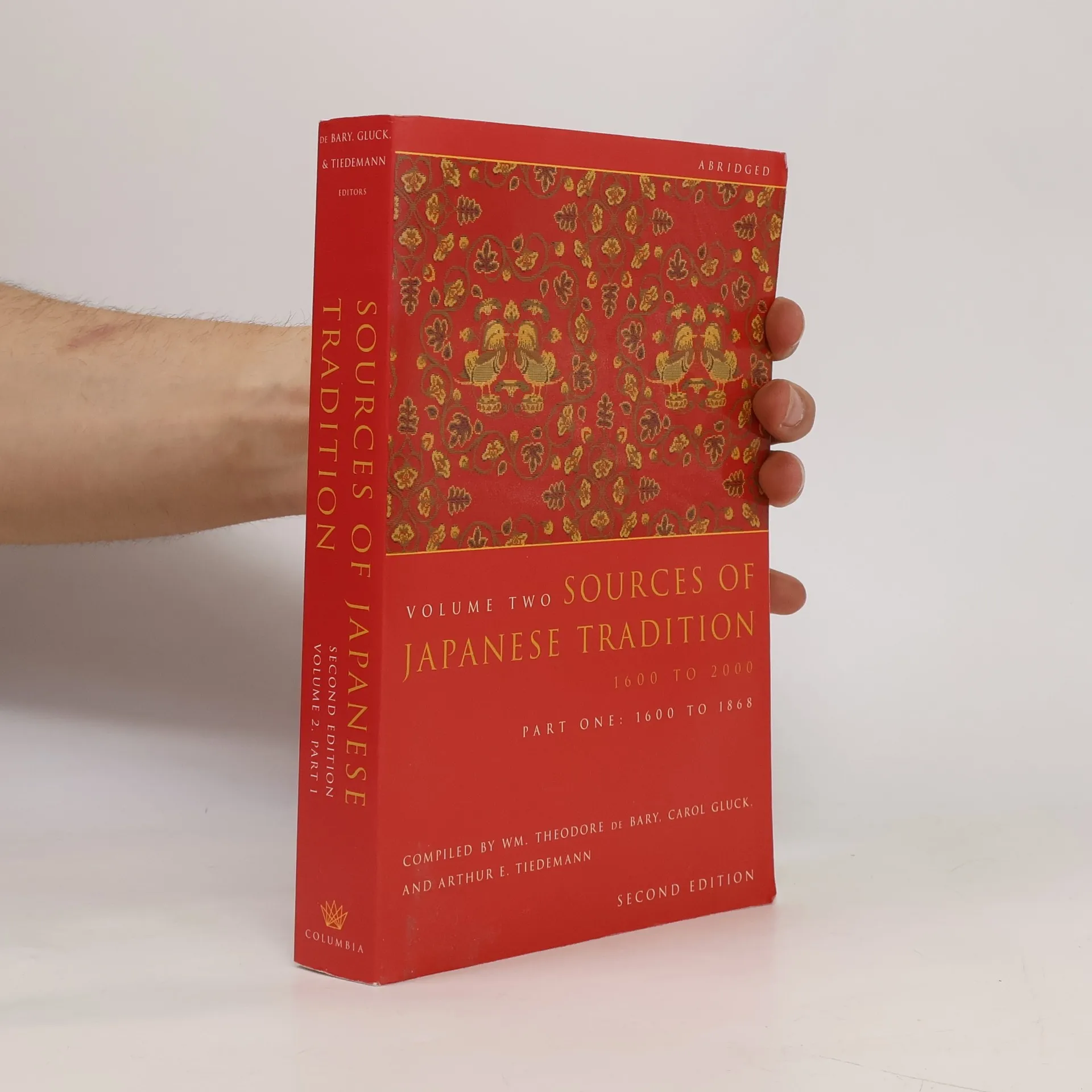
For almost fifty years, Sources of Japanese Tradition has been the single most valuable collection of English-language readings on Japan. Unrivalled in its wide selection of source materials on history, society, politics, education, philosophy, and religion, the two-volume textbook is a crucial resource for students, scholars, and readers seeking an introduction to Japanese civilization.Originally published in a single hardcover book, Volume 2 is now available as an abridged, two-part paperback. Part 1 covers the Tokugawa period to 1868, including texts that address the spread of neo-Confucianism and Buddhism and the initial encounters of Japan and the West. Part 2 begins with the Meiji period and ends at the new millennium, shedding light on such major movements as the Enlightenment, constitutionalism, nationalism, socialism, and feminism, and the impact of the postwar occupation. Commentary by major scholars and comprehensive bibliographies and indexes are included.Together, these readings map out the development of modern Japanese civilization and illuminate the thought and teachings of its intellectual, political, and religious leaders.