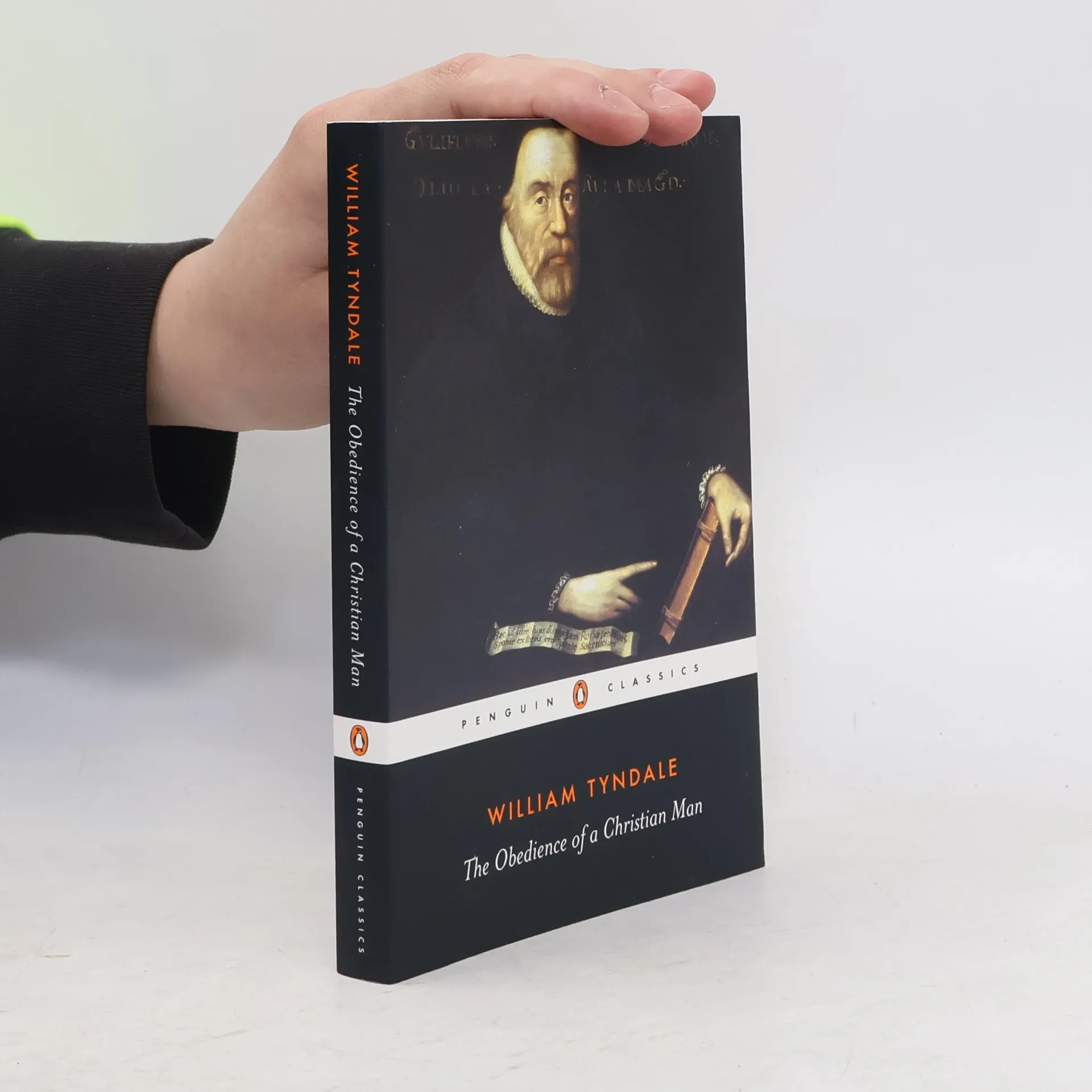
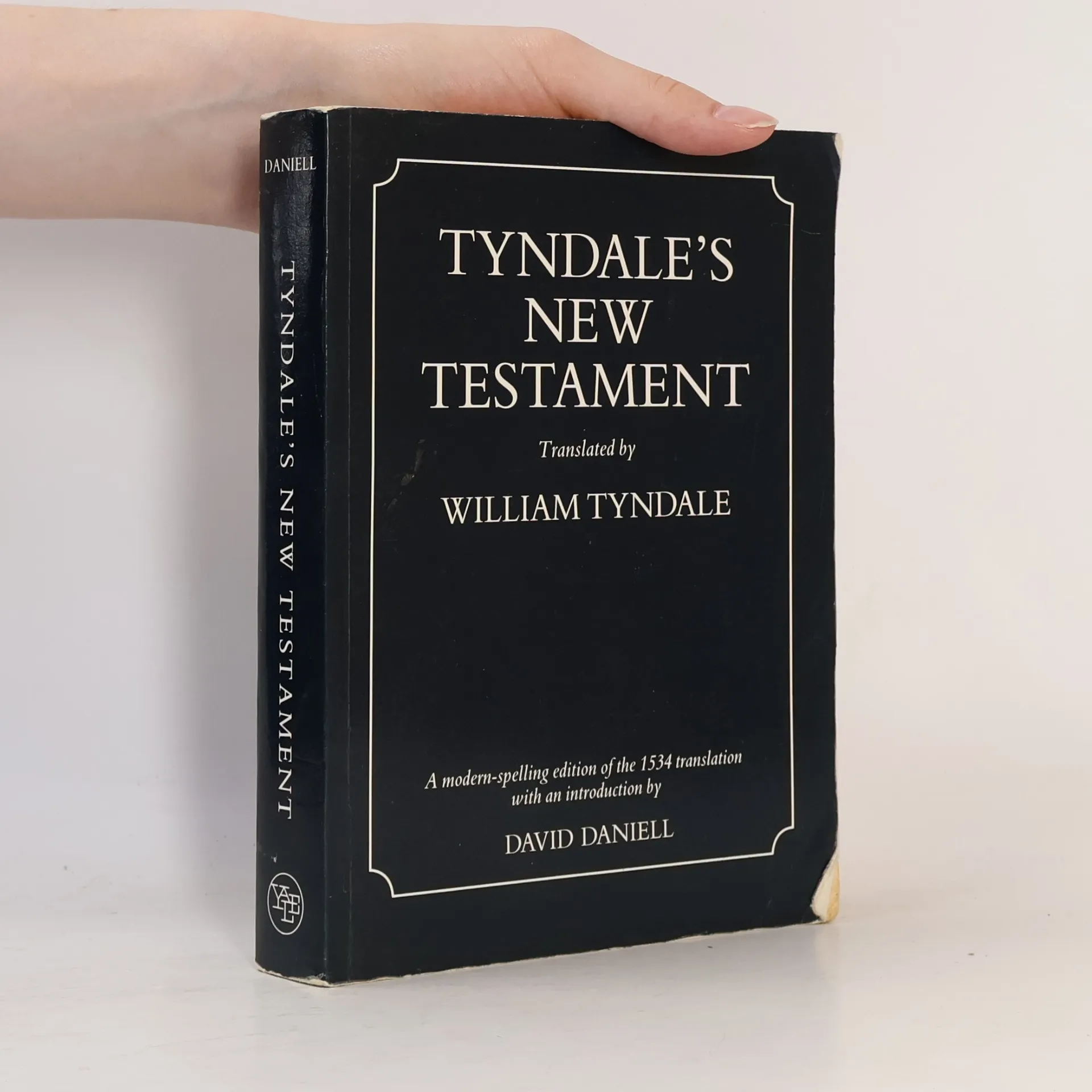
William Tyndale fue un erudito inglés y una figura clave en la Reforma Protestante. Su contribución más significativa fue su traducción de la Biblia al inglés, la primera en basarse directamente en textos hebreos y griegos y la primera en utilizar la imprenta. La traducción de Tyndale desafió directamente la autoridad de la Iglesia y la ley inglesa, que restringía el acceso a las Escrituras en inglés. Su obra refleja la influencia del humanismo y de los primeros reformadores, esforzándose por hacer la Biblia accesible a un público más amplio.
William Tyndale's 16th-century translation of the New Testament into English from its original Greek resulted in his being hunted down and burnt at the stake for blasphemy. This work of pioneering scholarship formed the basis of all subsequent bibles until after World War I.
Argues that Christians cannot be saved simply by performing ceremonies or by hearing the Scriptures in Latin, which most could not understand, and that all should have access to the Bible in their own language. The author claims that there is just one social structure created by God to which all must be obedient, without the Pope's intervention. schovat popis
being a verbatim reprint of the edition of M.CCCCC.XXX : compared with Tyndale's Genesis of 1534, and the Pentateuch in the Vulgate, Luther, and Matthew's Bible, with various collations and pr
788 páginas
28 horas de lectura
This book has been considered by academicians and scholars of great significance and value to literature. This forms a part of the knowledge base for future generations. So that the book is never forgotten we have represented this book in a print format as the same form as it was originally first published. Hence any marks or annotations seen are left intentionally to preserve its true nature.
William Tyndale famously declared, 'The boy that driveth the plough shall know
more of the scripture than [an educated man].' Though forbidden by the Church
to translate the New Testament into English, Tyndale's determination resulted
in its finally being printed in Germany in 1526. Smuggled into English ports
in bales of cloth, the book was a monumental success. The direct, common
language of many of its verses has resonated down the centuries and, in time,
contributed significantly to the text of the King James Version. This
complete, carefully reproduced facsimile edition, created from one of only two
complete copies of the 1526 edition held in the British Library, presents one
of the most important books in English history in full colour and to the exact
original specifications. Professor David Daniel, former Chairman of the
Tyndale Society and Tyndale biographer, has provided a detailed introduction.