The most comprehensive collection of feminist manifestos, chronicling our rage and dreams from the nineteenth century to today.




The most comprehensive collection of feminist manifestos, chronicling our rage and dreams from the nineteenth century to today.
This book demonstrates how the denial of truth about the Palestinians by governments and the media in the West has led to the current impasse in Middle East politics. The book attempts to redress a sustained crime against historical truth in order to make a more rational future possible. schovat popis
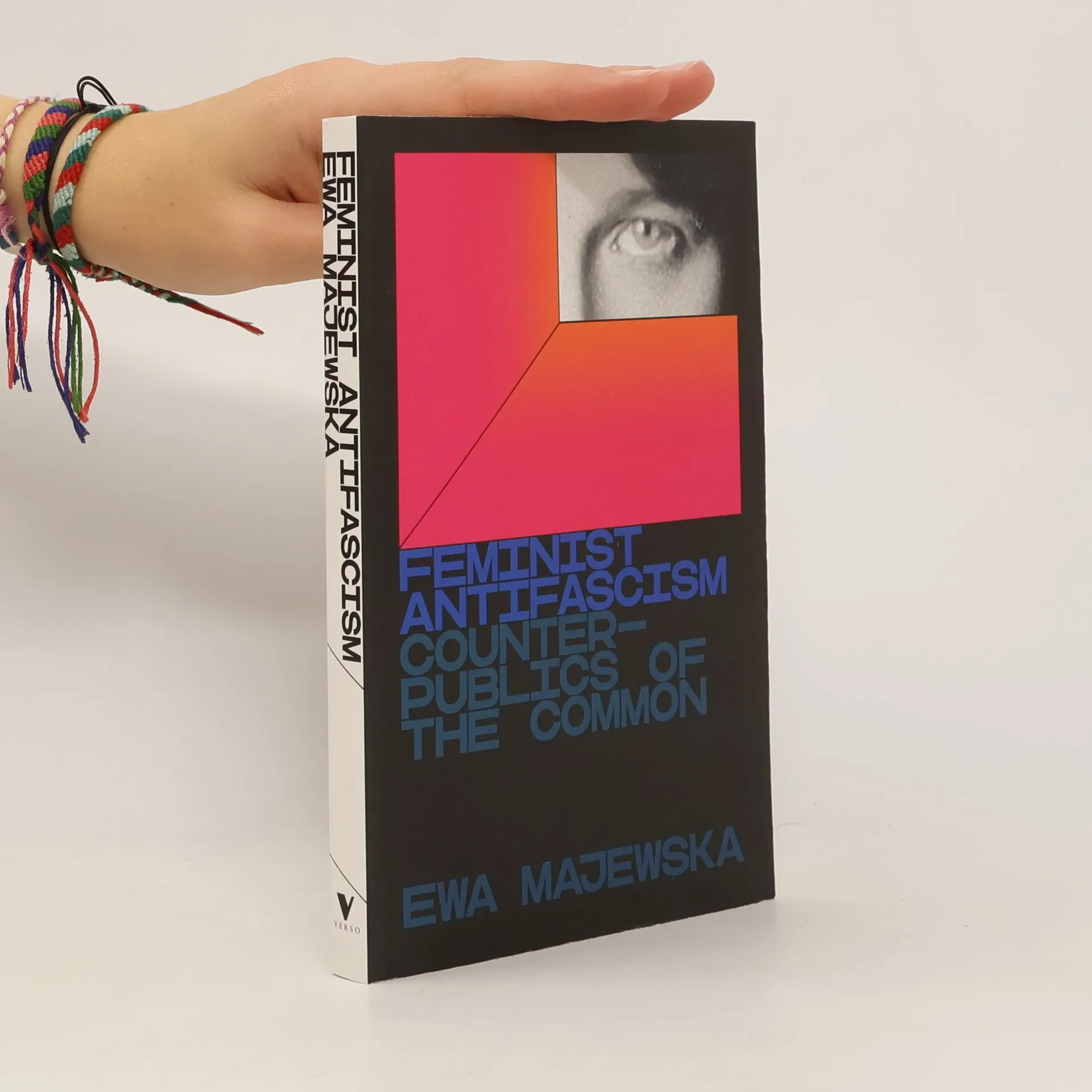
An incisive theoretical manifesto arguing that feminism is the only route to an antifascist global future.
The first book to explore the Occupy movement in depth, with reportage and analysis.
The death of Diana, Princess of Wales, was met by the greatest public mourning witnessed in the 20th century. For those perplexed by the events surrounding Diana's death, this book seeks to provide some answers. It brings together writings which analyze her death rather than lament it.
The great French Marxist philosopher weighs up the contributions of the three major critics of modernity With the translation of Lefebvre's philosophical writings, his stature in the English-speaking world continues to grow. Though certainly within the Marxist tradition, he consistently saw Marx as an 'unavoidable, necessary, but insufficient starting point'. Unsurprisingly, Lefebvre always insisted on the importance of Hegel to understanding Marx. But the imposing Metaphilosophy also suggested the significance he ascribed to Nietzsche, in the 'realm of shadows' through which philosophy seeks to think the world. Lefebvre proposes here that the modern world is at the same time Hegelian in terms of the state; Marxist in terms of the social and society; and Nietzschean in terms of civilization and its values. As early as 1939, Lefebvre pioneered a French reading of Nietzsche that rejected the philosopher's appropriation by fascism, bringing out the tragic implications of Nietzsche's proclamation that 'God is dead' long before this approach was followed by such later writers as Foucault, Derrida and Deleuze. Forty years later, in the last of his philosophical writings, Lefebvre juxtaposes the contributions of the three great thinkers, in a text whose themes remain surprisingly relevant today.