

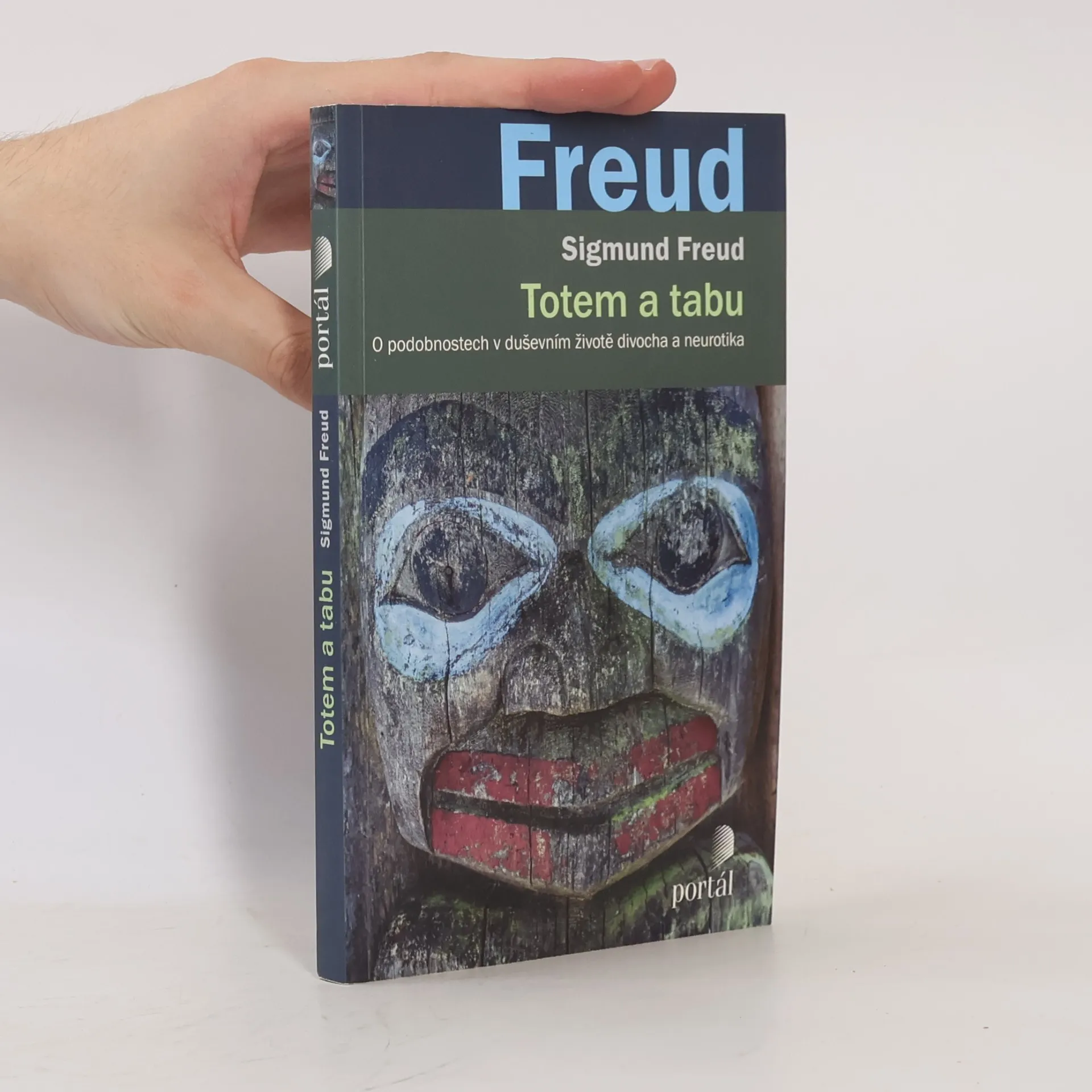
roce 1913 vyšlo poprvé, způsobilo značný rozruch pro svůj radikální výklad náboženství jakožto neurotického symptomu. Jedná se o soubor čtyř statí, v nichž Freud zkoumá některé aspekty života přírodních národů a dává je do souvislosti s duševním životem neurotiků. Asi nejslavnější je poslední stať, kde Freud víru v bohy a totem odvozuje od prehistorické události, při níž skupina ze skupiny vyloučených synů zabila svého otce alfa-samce a následně ho snědla, aby vstřebala jeho moc. Když se svůj čin synové snažili odčinit, učinili z mrtvého otce totem a zavedli zákaz jeho pojídání. Prvotní – a v zastřenější podobě jakékoli – náboženství je tak vlastně snahou odčinit prvotní zločin. Málokdo dnes takové interpretaci věří, ale přesto se stala slavnou a nedílnou součástí studia člověka a náboženství. Doslov Václav Soukup.
Ludvík Hošek Libros

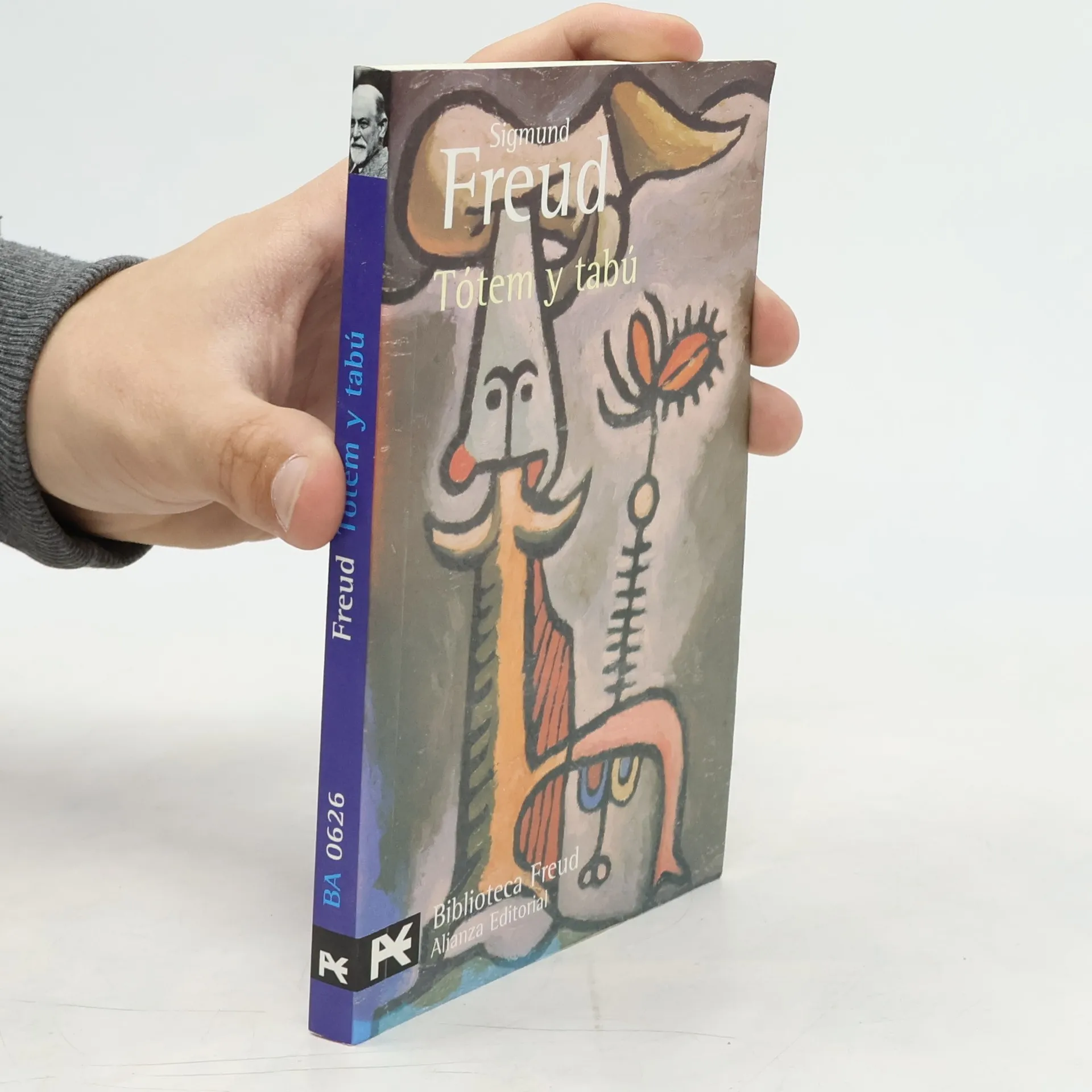
Tótem y tabú
- 206 páginas
- 8 horas de lectura
En Tótem y tabú (escrito en 1913) Freud se propuso explicar los orígenes de nuestra especie mediante interpretaciones psicoanalíticas proyectadas sobre la antropología. El horror al incesto, la ambivalencia de los sentimientos respecto al tabú, las funciones desempeñadas por el animismo y la magia, el totemismo y sus estrechas relaciones con la exogamia, son otras tantas consecuencias del drama edípico primigenio, esto es, del parricidio en la horda primitiva, base de la religión, la moralidad y las instituciones de la vida civilizada.
El malestar en la cultura y otros ensayos
- 259 páginas
- 10 horas de lectura
This work serves as a brilliant summary of psychoanalytic views on culture that Freud had been developing since the early 1900s. It reflects the late theory of mind, particularly the structural theory, emphasizing aggression and the death drive as adversaries to eros. Written in the decade before his death and first published in German in 1929, it explores man's place in the world, defined by the conflict between the individual's quest for freedom and society's demand for conformity. Freud argues that what benefits civilization does not necessarily benefit man, who is inherently aggressive and egotistical, seeking self-satisfaction. However, culture suppresses these instinctual drives, leading to pervasive guilt. Among the English translations of Freud's major works during his lifetime, only one was authorized by him: The Standard Edition of the Complete Psychological Works of Sigmund Freud, edited by James Strachey. Freud approved the editorial plan, specific translations of key terms, and the inclusion of valuable notes. Many translations were done by Strachey, ensuring the Standard Edition’s supremacy over other versions.